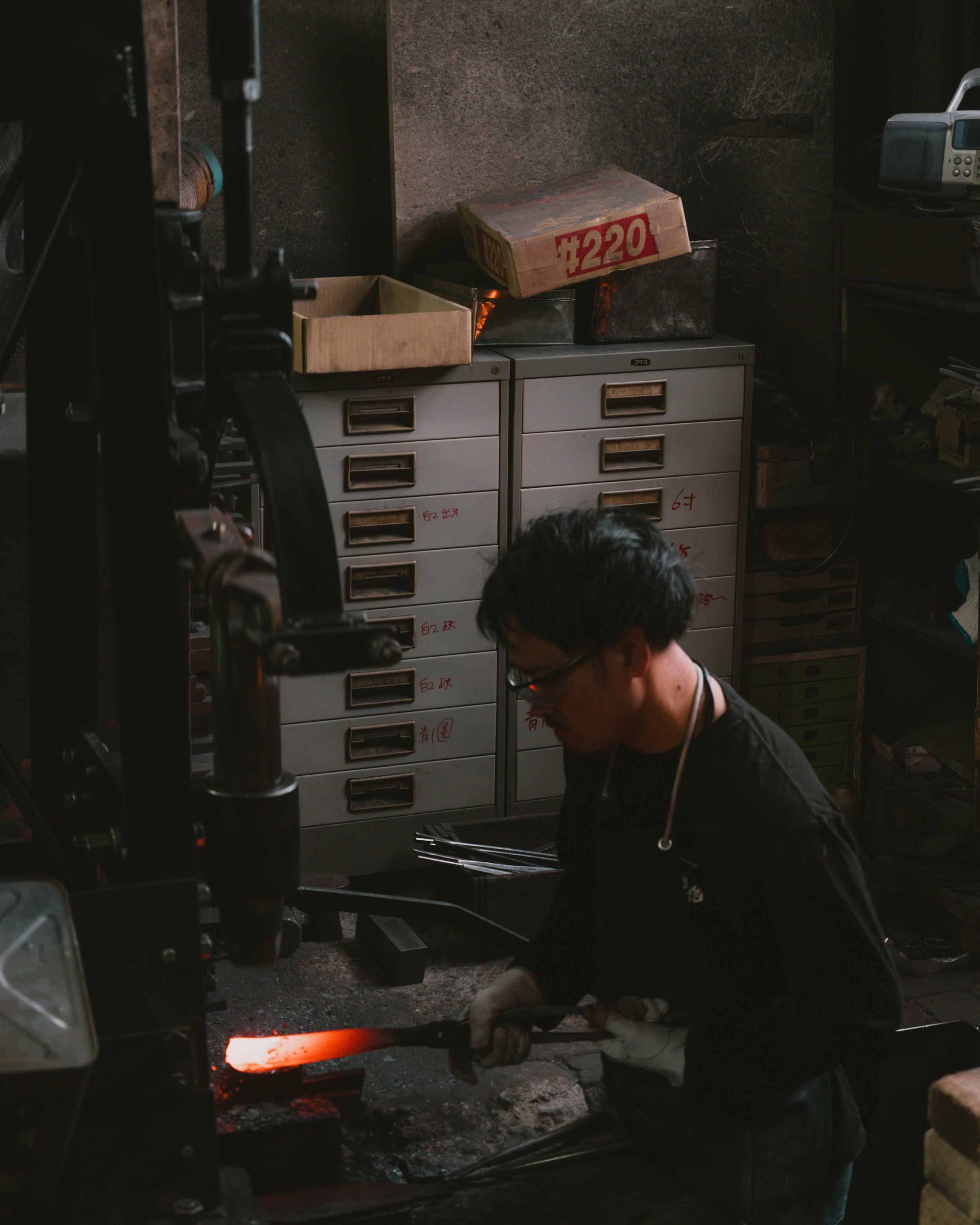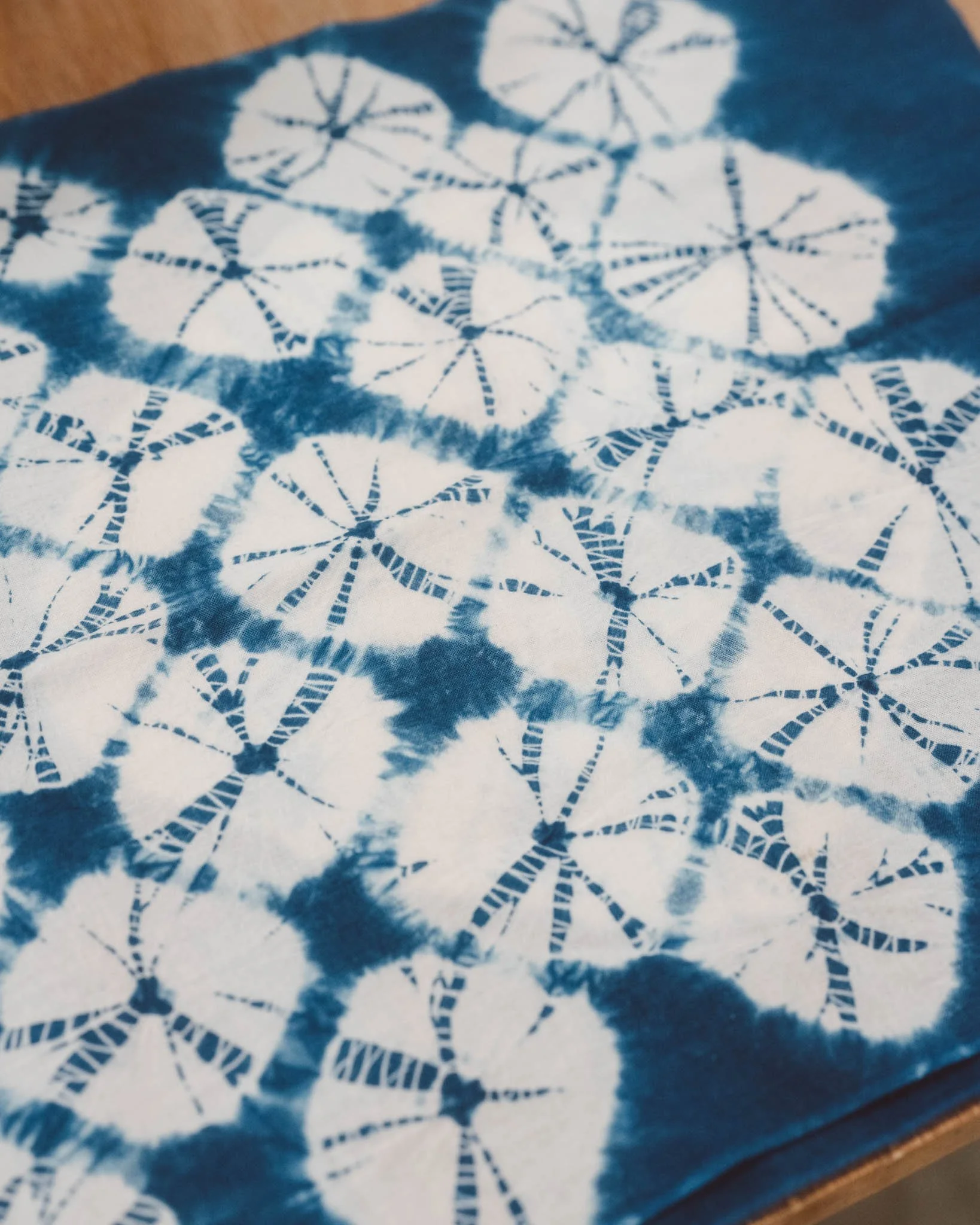
TWO HANDS, ONE PLANT
A small workshop on Awaji Island, where the same indigo plant becomes both dyed cloth and painted image. Two hands, one plant.
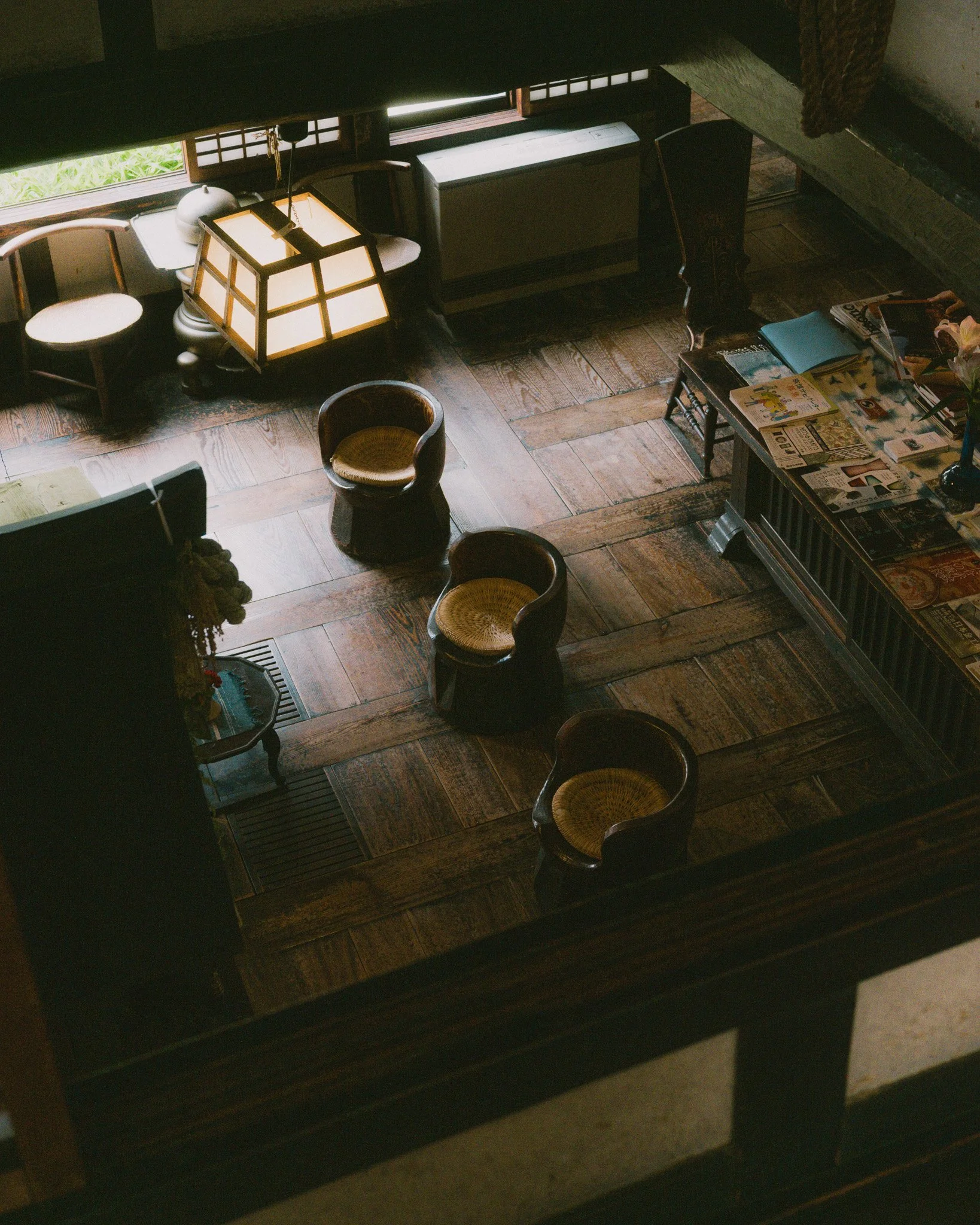
THE LIVING HOUSE
Behind a modest townhouse front in Kyoto, a courtyard opens onto a vast kiln you would never guess was there. Inside the home Kawai Kanjirō built, his finest pots live among the furniture, and work and life were never two separate things.
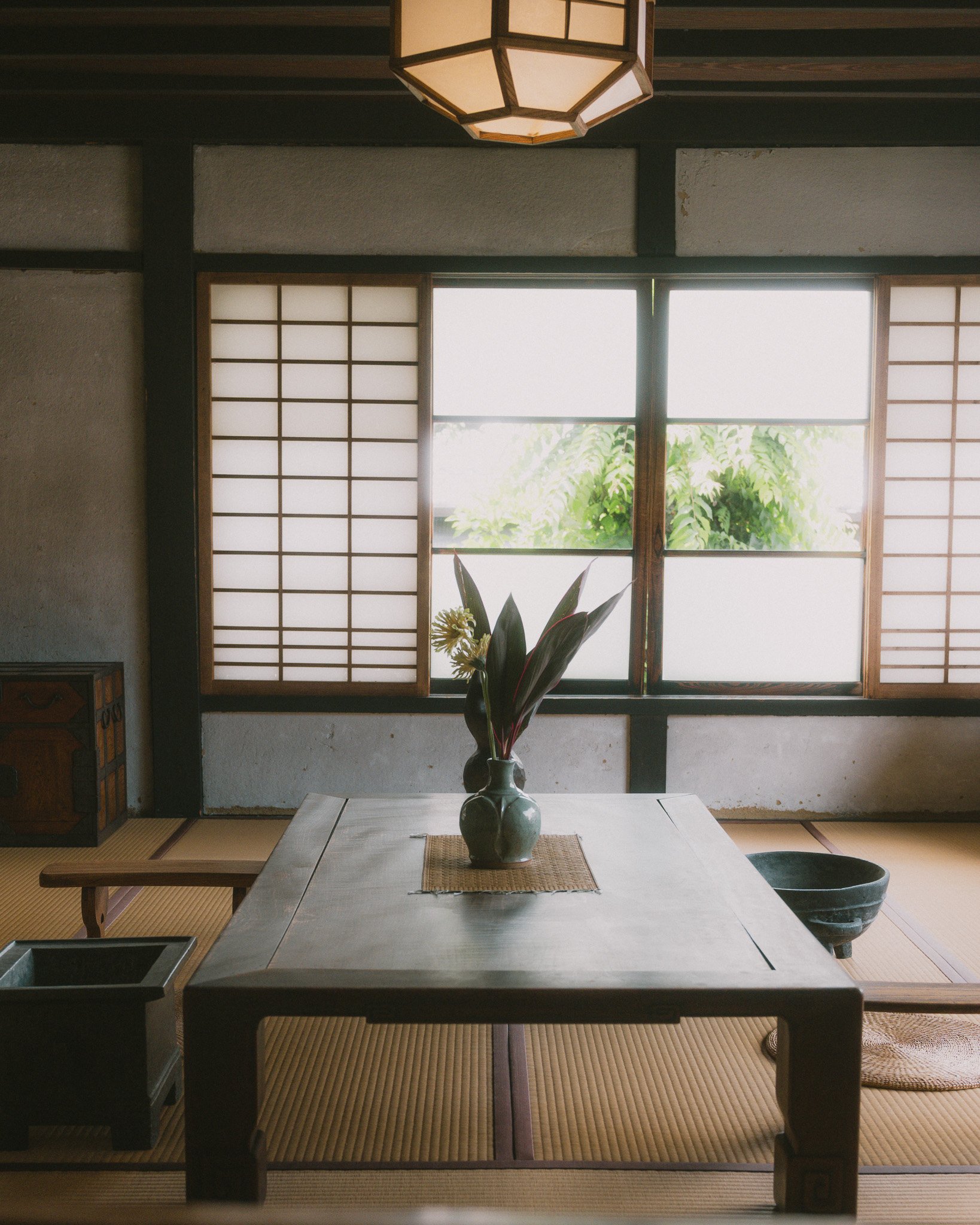
BEAUTY IN USE
Hailed as a genius, he stopped signing his work and refused to be named a Living National Treasure. The story of the potter Kawai Kanjirō, and the belief this archive is built on: that the deepest beauty is made without ego.
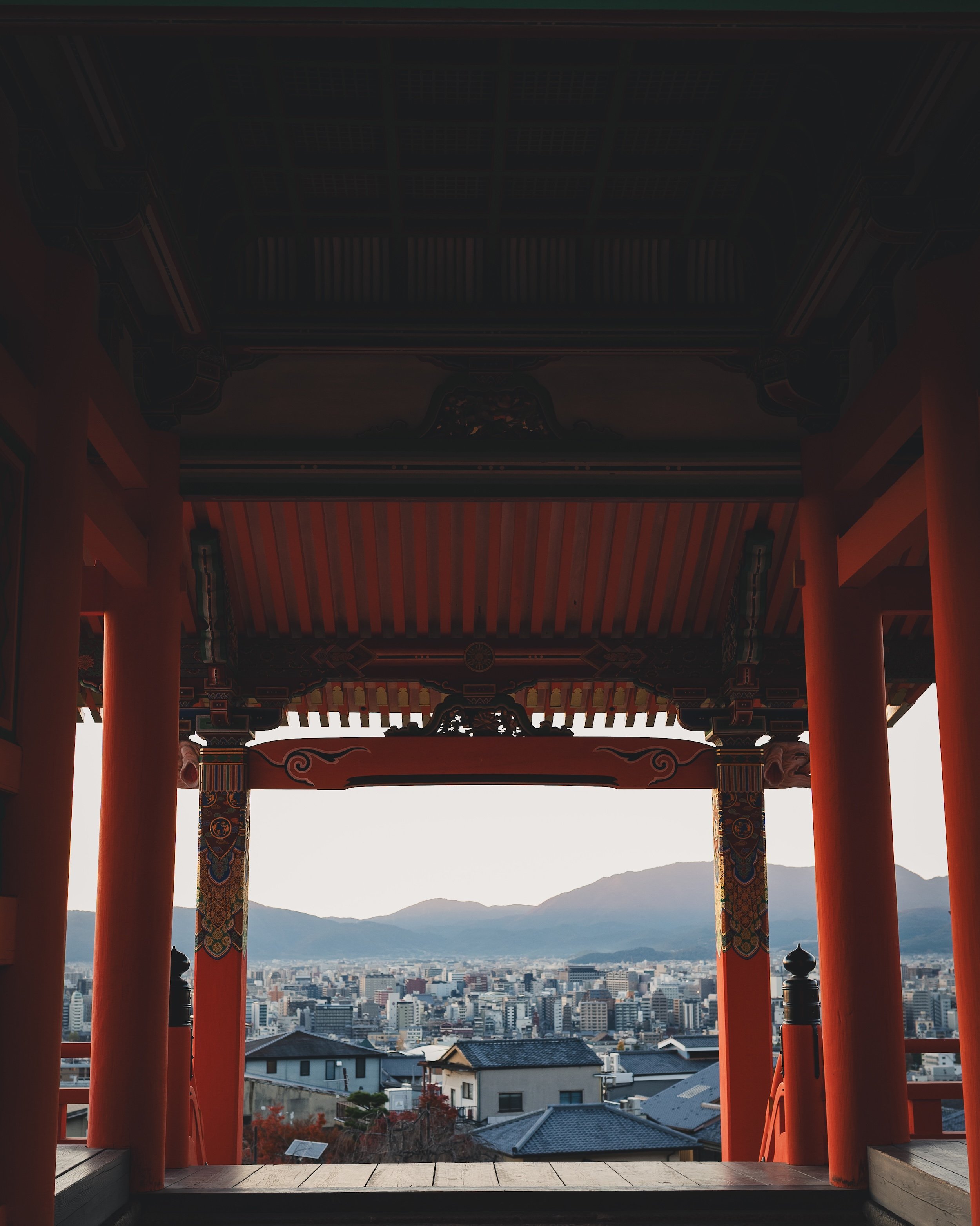
VEINS OF KYOTO.
Kyoto’s true masterpiece is not found in its wooden temples, but hidden deep beneath its bedrock. Discover how 1,200 years of geographic isolation and a massive, invisible aquifer forged the fragile perfection of Japanese craft and Wabi-Sabi aesthetics.
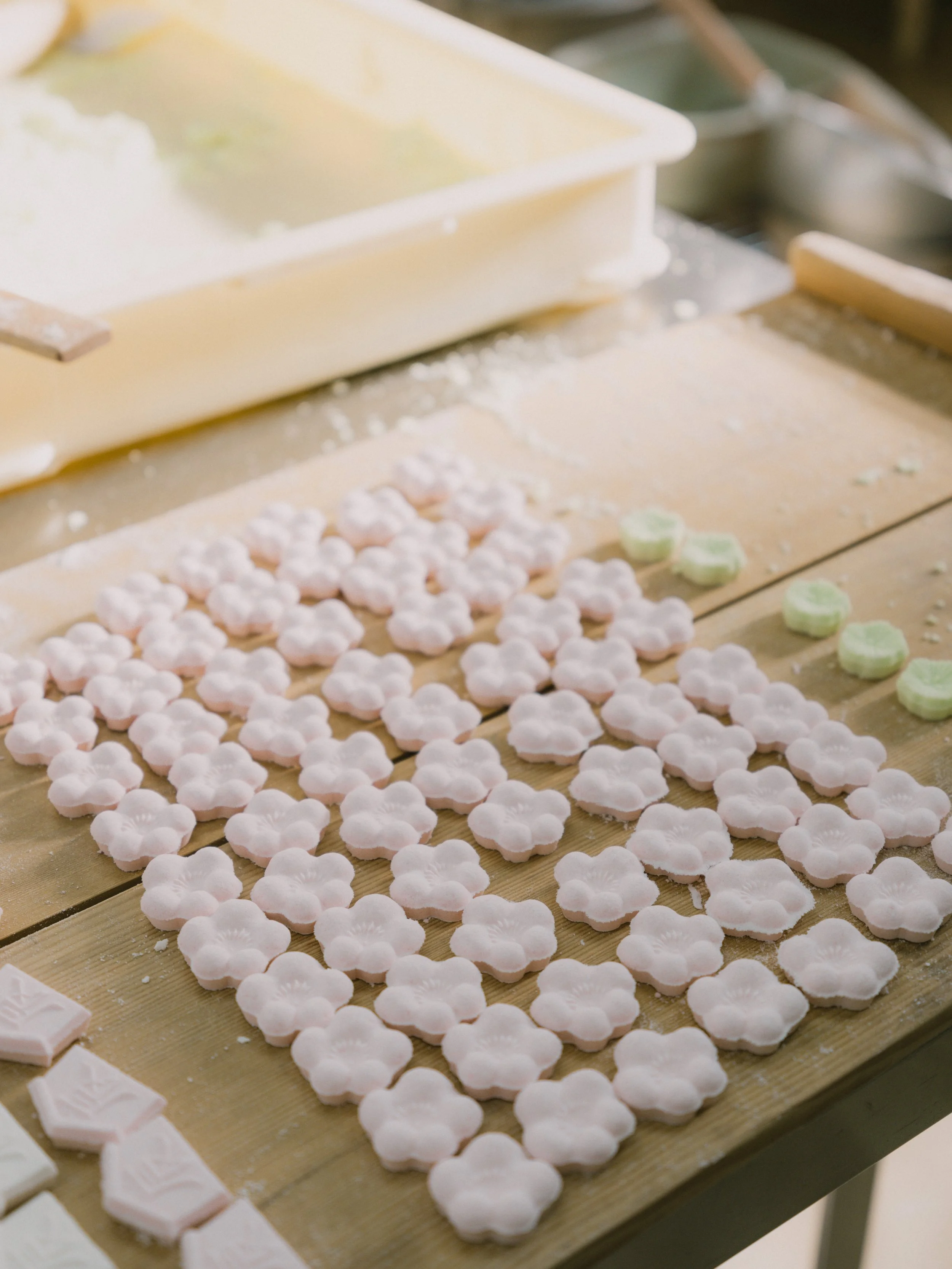
Ephemeral Gravity.
Why does an archive of permanent artifacts obsess over a sweet that vanishes in five minutes? Part II examines the silent tools—battered copper and worn wood—that engineer the art of disappearing. A study on the weight of the ephemeral.
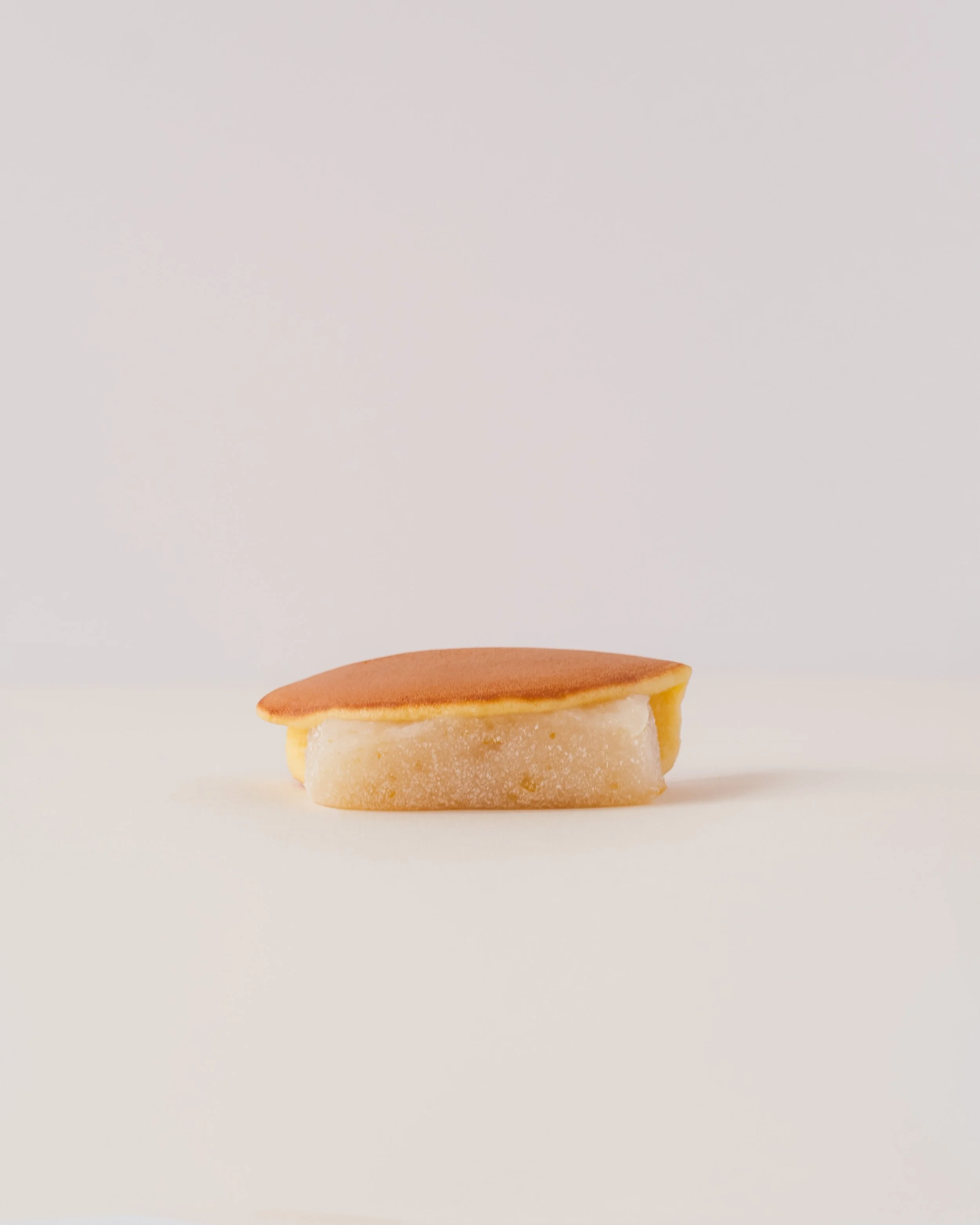
Kyoto Silence.
Beyond the sugar lies a severe architecture. A field recording from the silent workshops of Kyoto, where ephemeral sculptures are governed by mathematical precision and the absolute erasure of the ego.
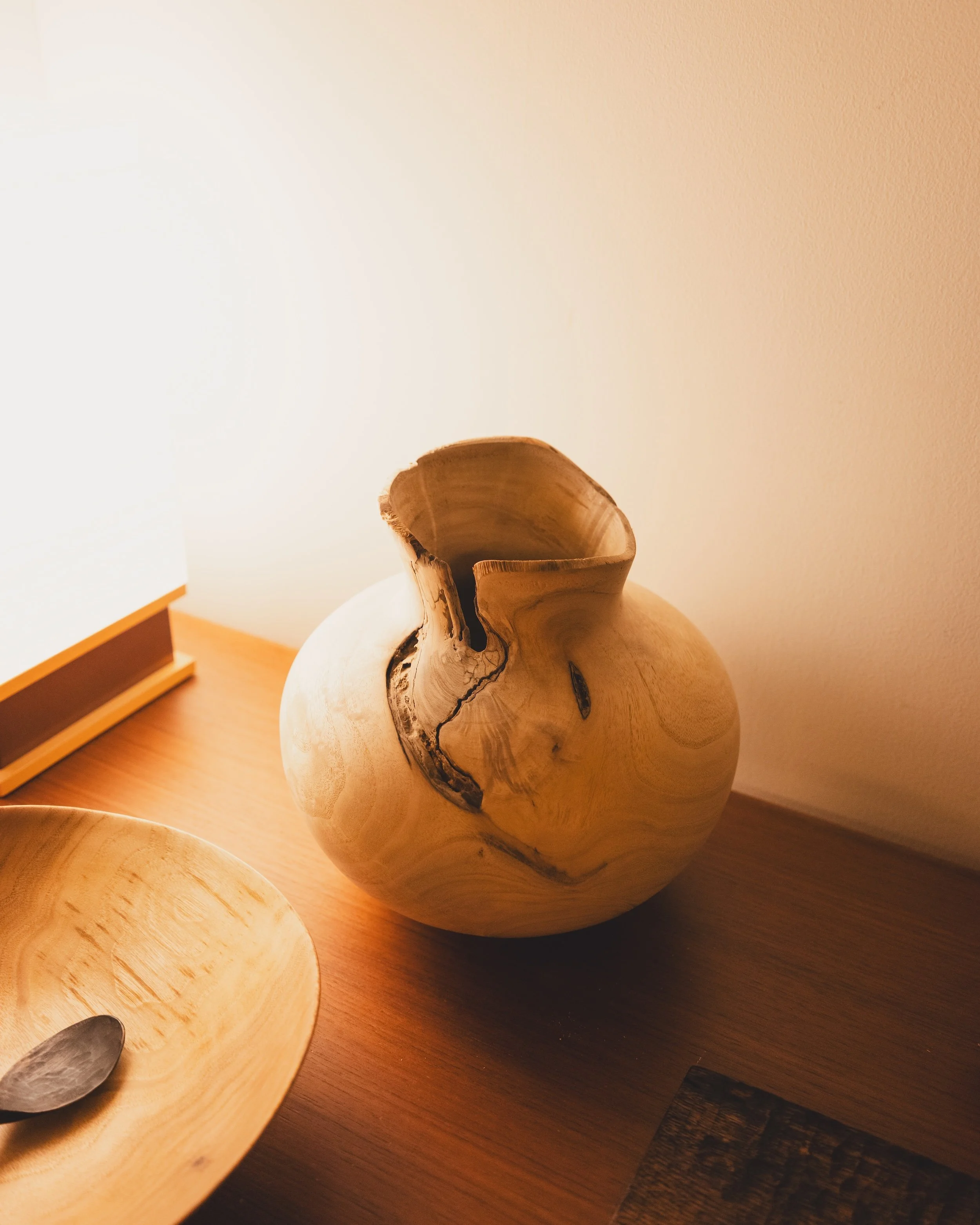
THE LIVING ARCHIVE
Field records from the "DIALOGUE" craft exhibition in Kyoto. We observe the intersection of traditional technique and contemporary space, further refining the curatorial filter we use to identify the most resilient archival specimens of the past.
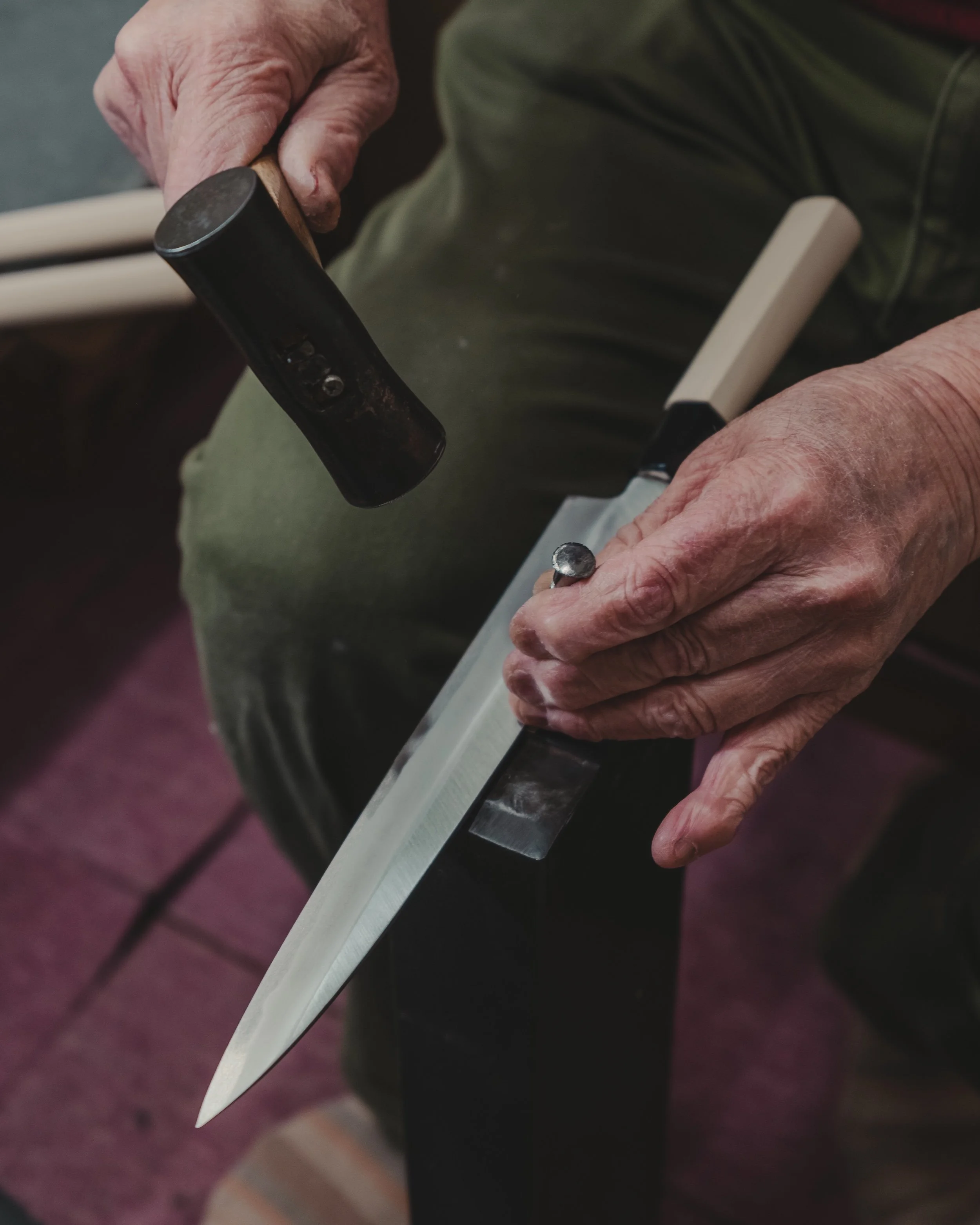
Archivist’s Eye.
A documentation of the quiet rhythm found in Japanese workshops. In an age of endless digital noise, we return to the source to explore how the artisan's focus translates into the "Physical Gravity" of our archive.