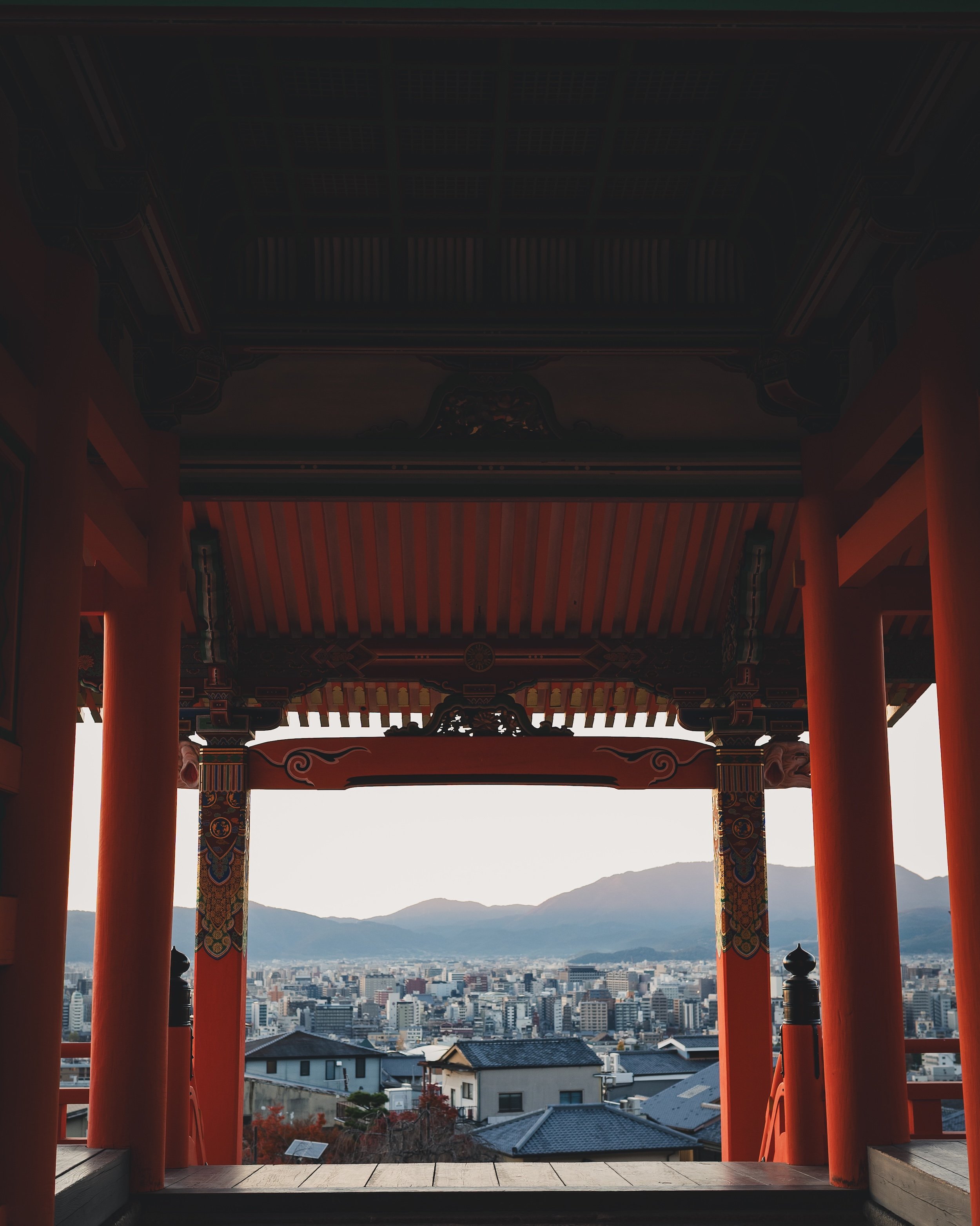
VEINS OF KYOTO.
How geographical isolation and hidden water crafted a 1,200-year-old aesthetic.
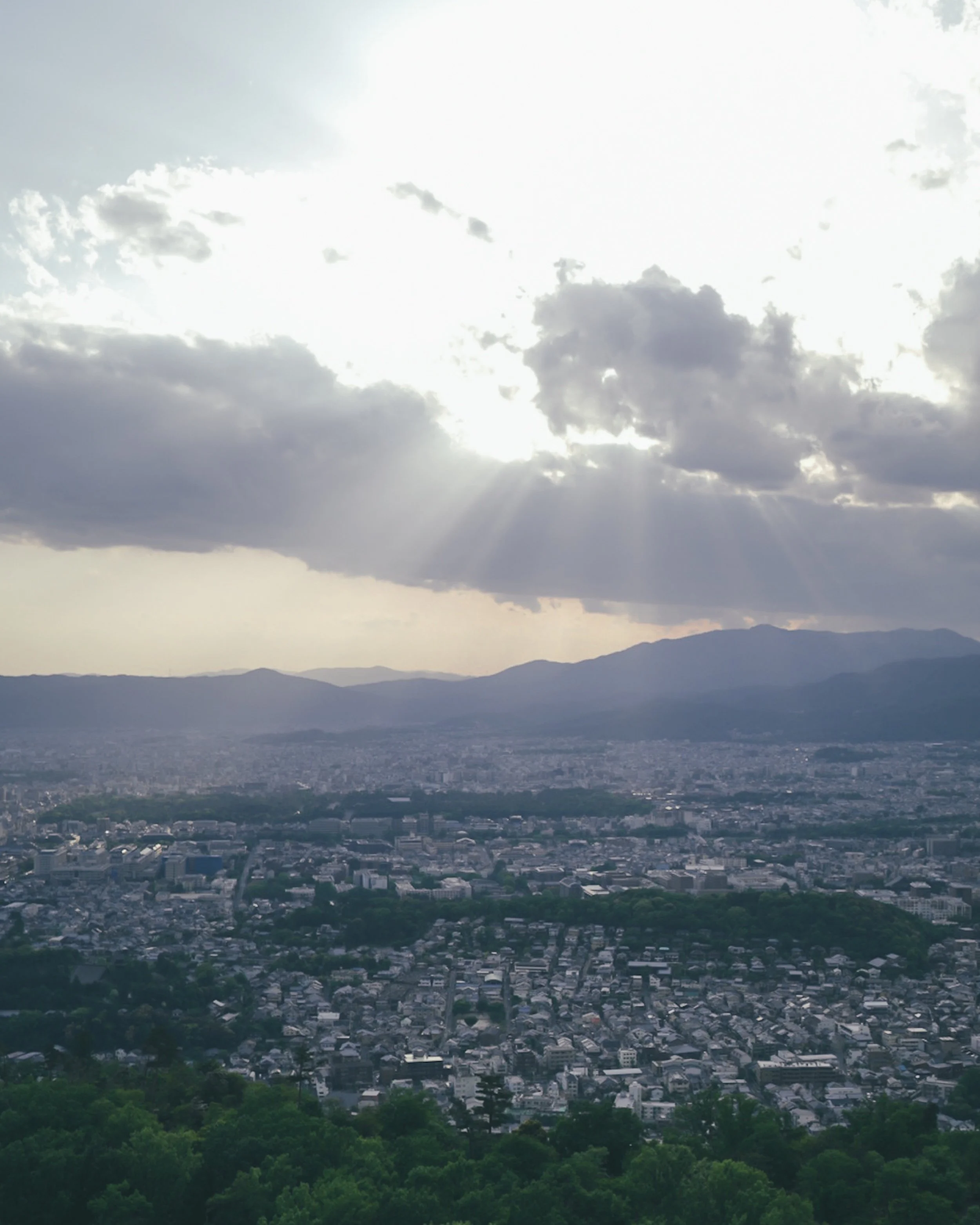
To understand the enduring quietude of Japanese craft, one must first examine the topography of its spiritual capital.
Kyoto was not established by accident. In 794 AD, imperial architects selected a deep basin entirely enclosed by steep mountains on three sides. According to ancient Onmyodo (traditional cosmology), this terrain offered an absolute physical and spiritual defense against external chaos. But what this geographical isolation truly created was an atmosphere of heavy, humid stillness. The surrounding mountains serve as massive acoustic barriers, absorbing the rapid vibrations of the modern era and allowing time to flow at its own deliberate pace.
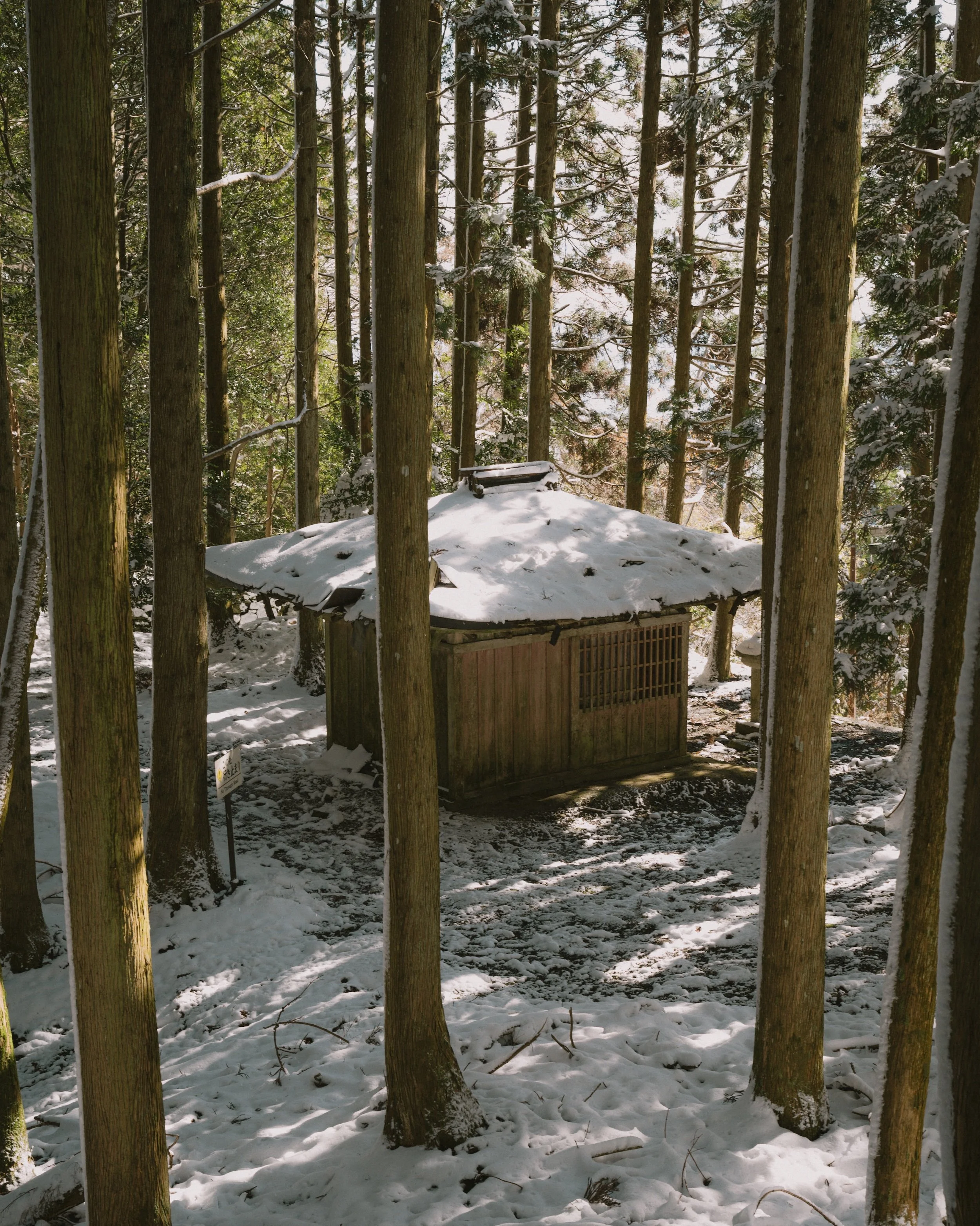
To step into the forests framing the city is to feel the weight of time. Centuries-old cedar trees grow undisturbed, casting long, deliberate shadows—an environmental condition that forged the Japanese reverence for "Yohaku" (empty space) and the "Integrity of Shadows."
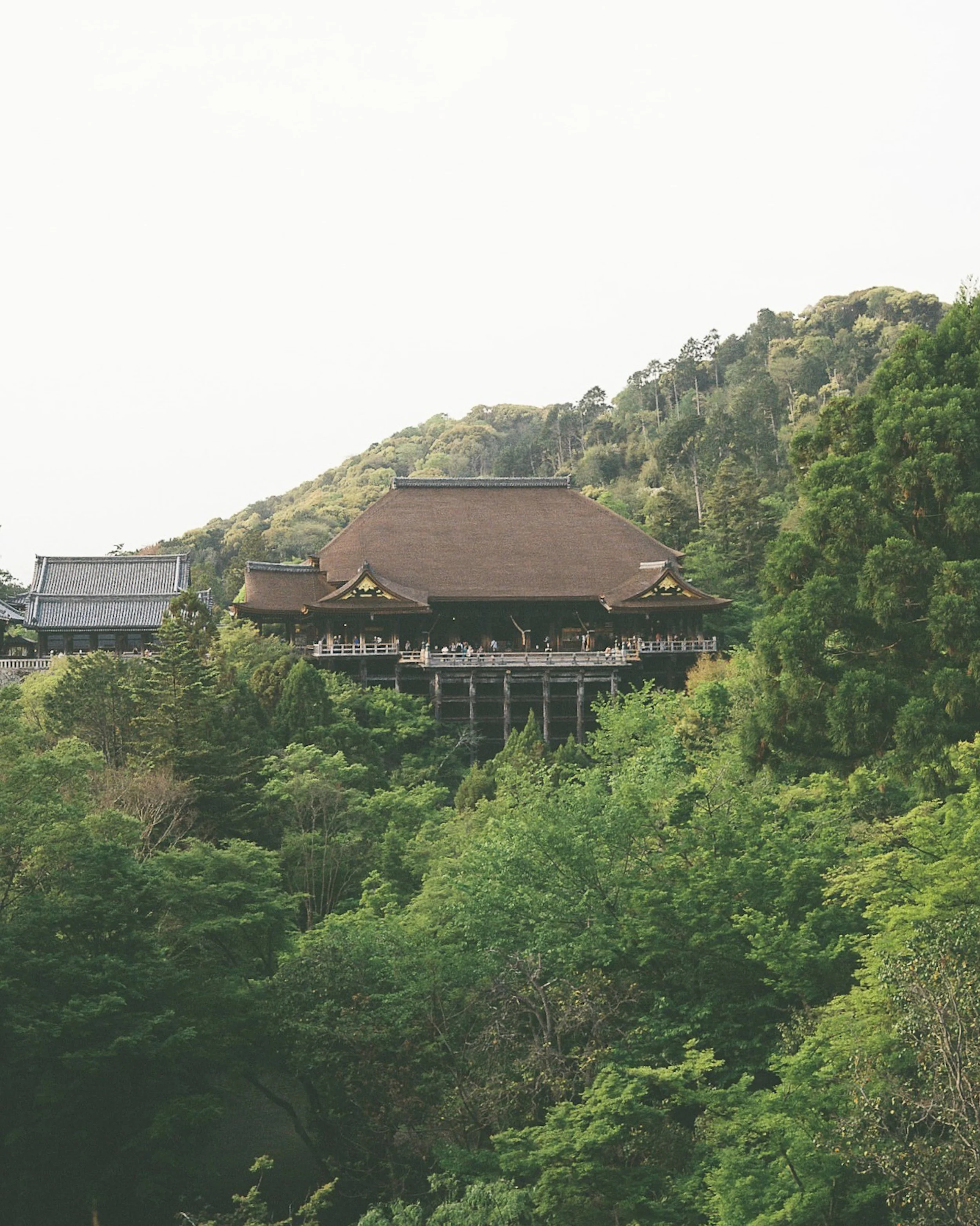
Yet, the true architectural genius of Kyoto does not reside strictly in its wooden temples or ancient grid streets. It flows quietly beneath the surface.
It is estimated that an aquifer holding a volume of water comparable to Lake Biwa (Japan’s largest lake) sits invisibly beneath the city's bedrock. This hidden reserve of groundwater has continuously nourished the city’s inhabitants and artisans for over twelve centuries. It filters slowly through layers of mountain granite and volcanic ash, acquiring a specific soft minerality that is almost impossible to replicate elsewhere.
In our previous journal entries, we discussed the impermanent beauty of Wagashi (traditional Japanese confectionery). The secret to this fragile mastery lies entirely in the underground veins of Kyoto.

True Wagashi requires total obedience to nature. When artisans boil azuki beans or temper agar (kanten), the local soft groundwater does not aggressively break the cell walls of the ingredients. Instead, it extracts the deepest, most subtle sweetness, resulting in the translucent purity and fragile textures that elevate these sweets from mere sustenance to edible sculpture.
Without this specific molecular composition of the hidden water, the artistry of Kyoto's confections would immediately collapse. It is a masterful collaboration between human devotion and profound geology.
The artisans of this city understand that the most crucial elements of any masterpiece—be it the casting of a Nambu iron raven or the brewing of a simple cup of matcha—are the unseen forces that shaped them. You do not merely taste the craft; you consume the 1,200 years of rain that fell upon the surrounding mountains, sank into the earth, and rose in absolute silence.
This same geographical devotion flows through every archival specimen we rescue at MINGEI 1926. True value is not engineered; it is grown, deep within the silence of the earth.