BEAUTY IN USE

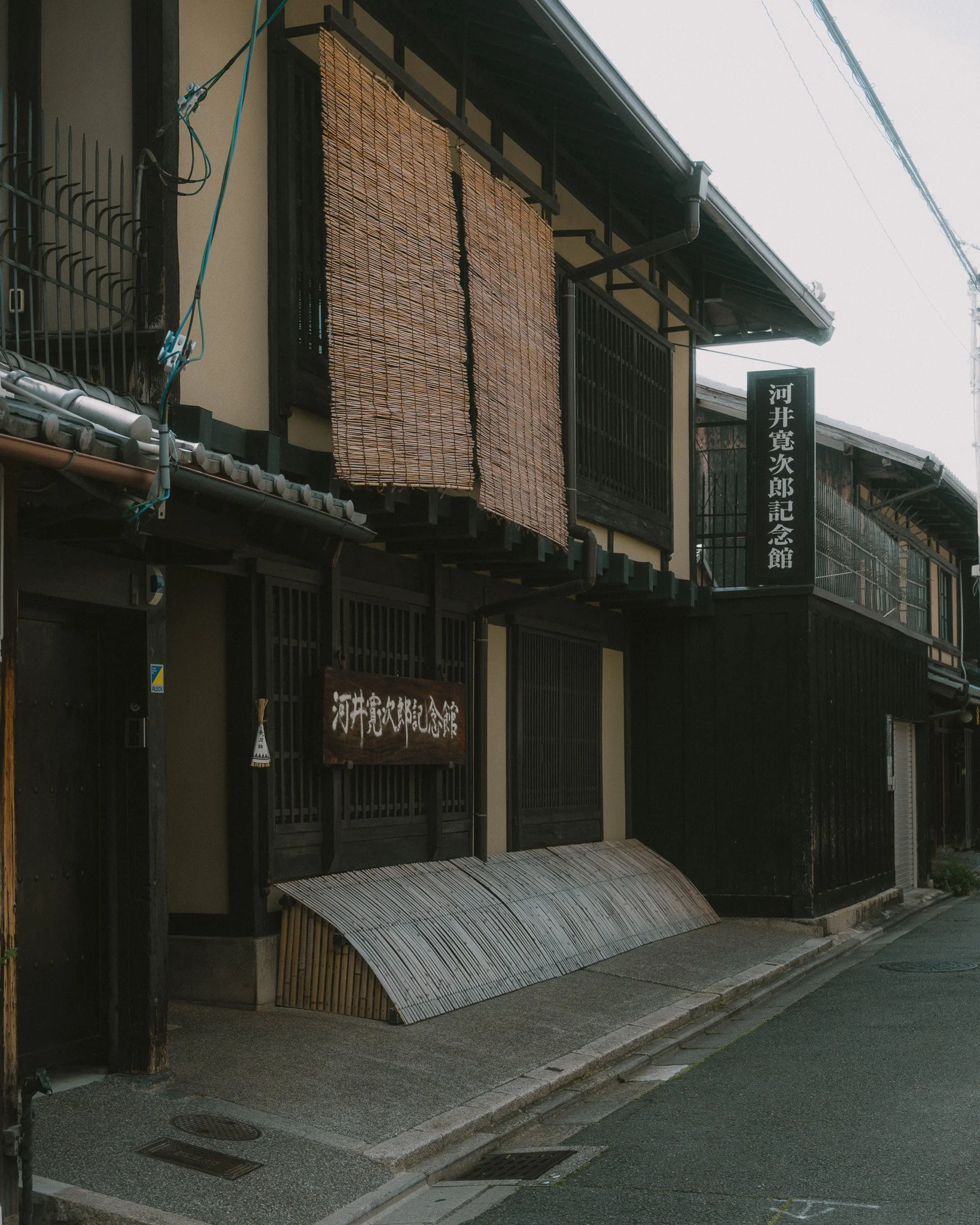
"Anyone can make beautiful things." It is the kind of line that sounds simple, until you learn that the man who said it was once considered one of the most technically gifted potters Japan had ever produced.
Kawai Kanjirō was born in 1890 in a small town in Shimane, the son of a carpenter. He went to Tokyo to study ceramics as a science, and as a young man he was relentless. By some accounts he ran ten thousand glaze experiments, chasing the deep copper reds and cobalt blues that would later become his own. In 1921, still only thirty-one, his first exhibition of flawless recreations of old Chinese and Korean wares made him famous overnight. The art world called him a genius.
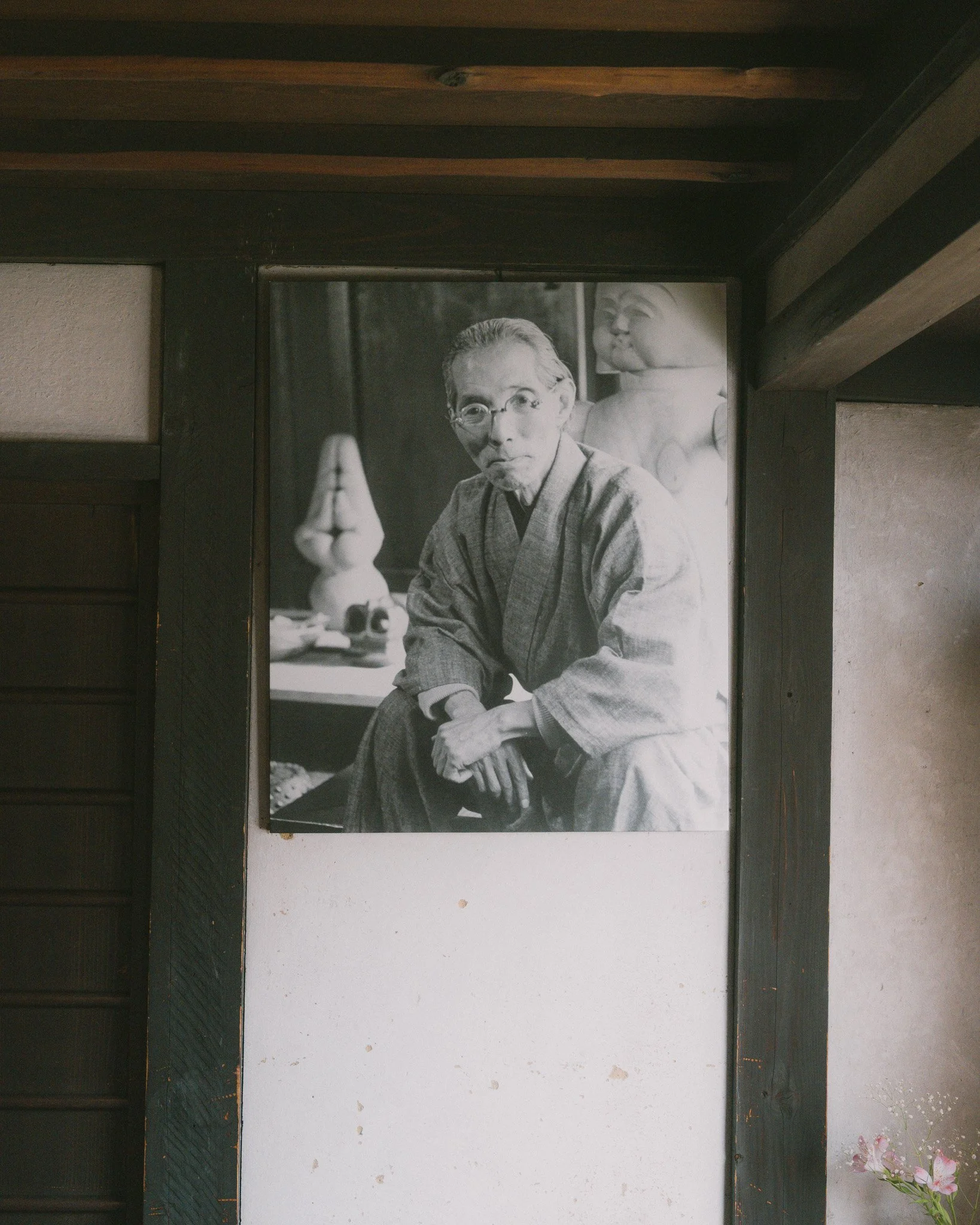
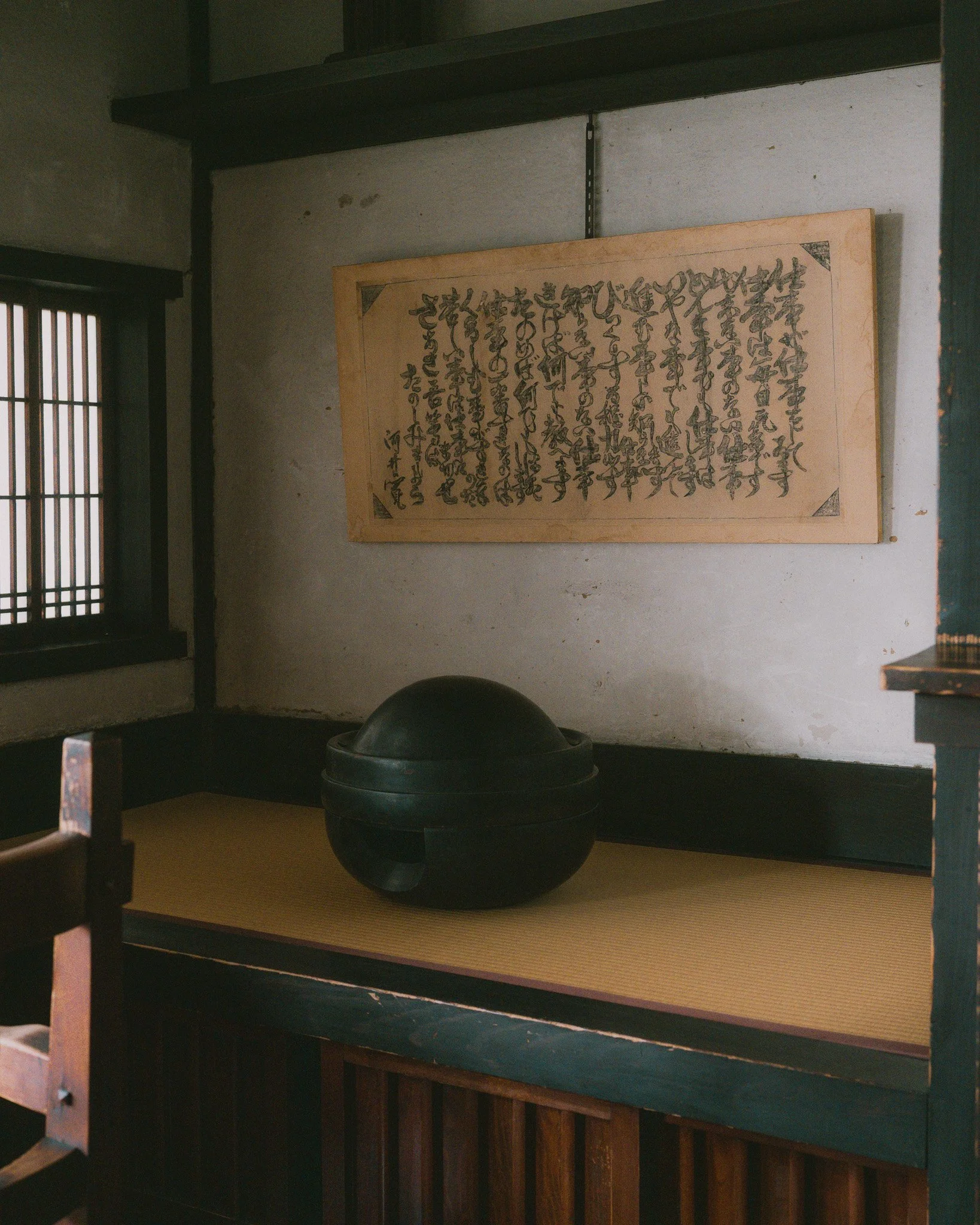
And then he walked away from it. The praise unsettled him. He had proven he could imitate the masterpieces of the past perfectly, and that, he realised, was precisely the problem. Where in any of it was he? He would spend the rest of his life chasing that question. "I want to see a new self," he wrote. "And so I work."
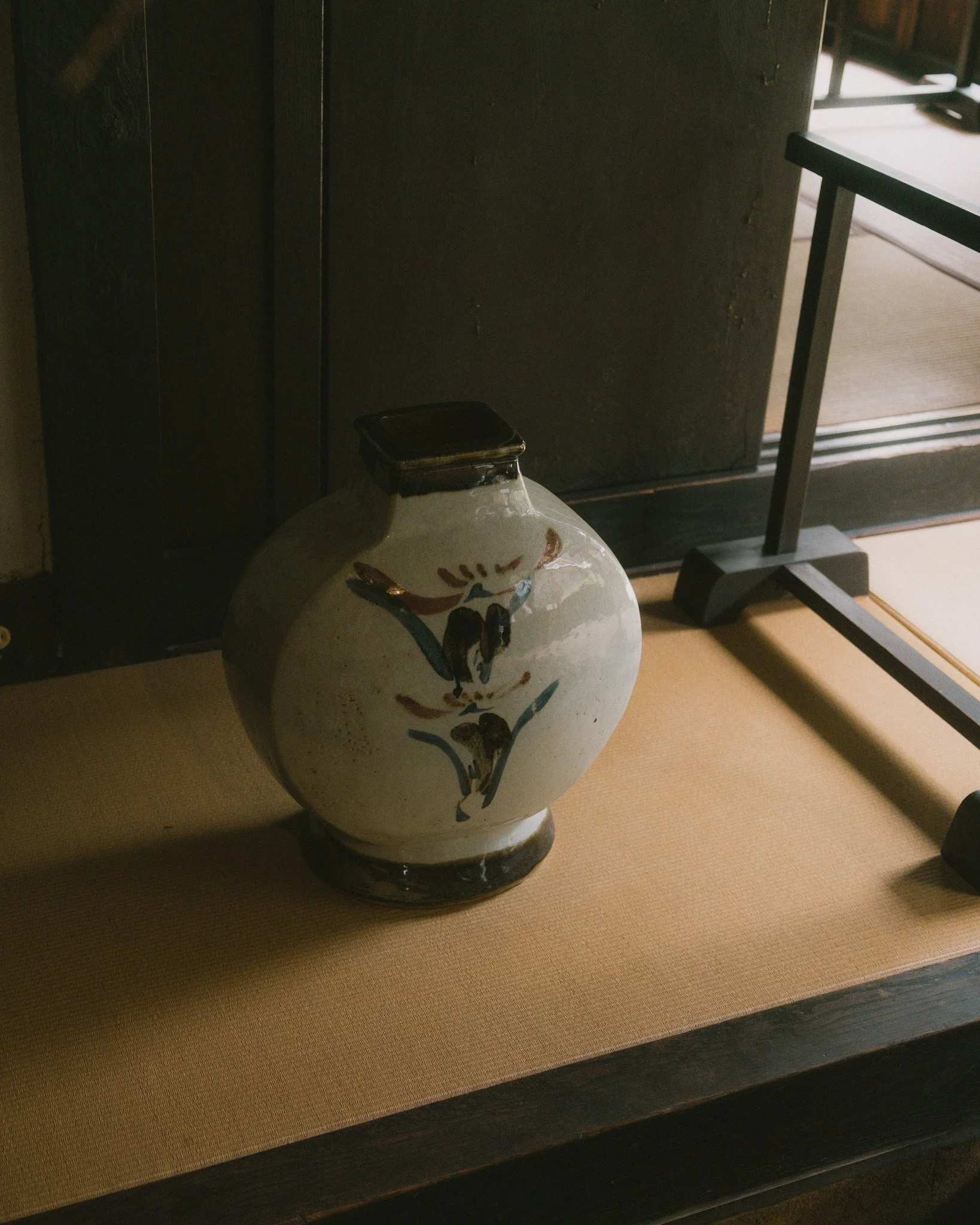
The answer began in 1924, through two encounters. One was the philosopher Yanagi Sōetsu. The other was a shelf of humble English slipware, the rough country earthenware of anonymous potters. Kawai reversed his whole idea of beauty. It did not live in the rare and the signed, he decided, but in the useful and the unnamed: the bowl you eat from, the jar on the shelf, the things made by ordinary hands for ordinary days. In 1926, with Yanagi and his old friend the potter Hamada Shōji, he helped found mingei, the folk craft movement.

He held to it for the rest of his life. He stopped signing his work entirely. "My work itself," he said, "is my best signature." In 1956 the government offered him the title of Living National Treasure, the highest honour a craftsman can receive in Japan. He declined it. He also turned down the Order of Culture and a seat in the Japan Art Academy. He never travelled abroad to build a name, which is partly why the West still barely knows him, though in Japan he stands beside Hamada as a giant. He simply preferred to remain a working craftsman among other craftsmen.
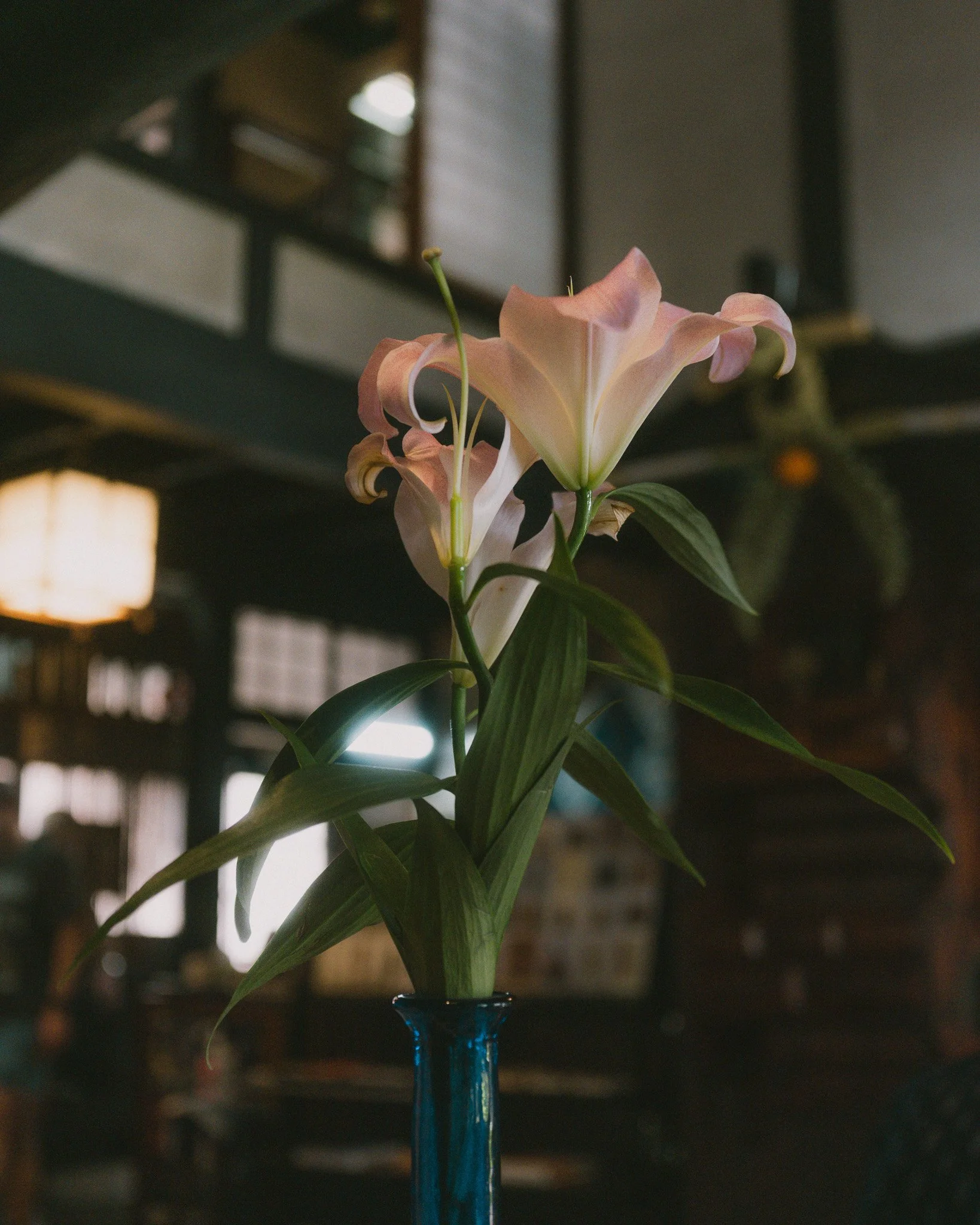
What is remarkable is that none of this was grim self-denial. Those who knew him describe a man delighted by small things, who could lose himself in wonder at a single flower petal, or at the movement of his own hands. He loved farmers and country people most of all. "They are the kind of people," he wrote, "we can never do without." His entire philosophy fit into one line he was fond of repeating: living is working, working is living. Between the two, there was no border at all.
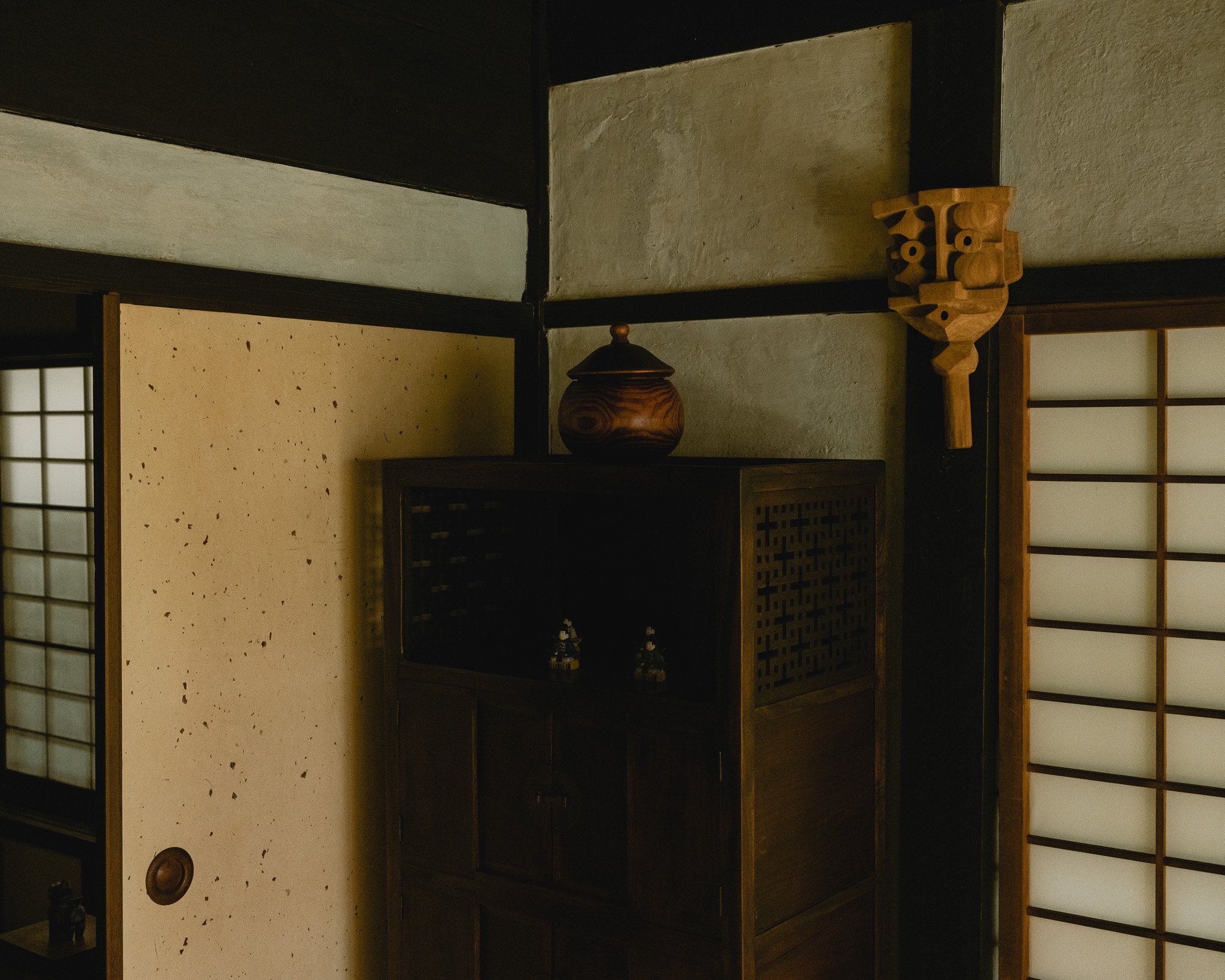
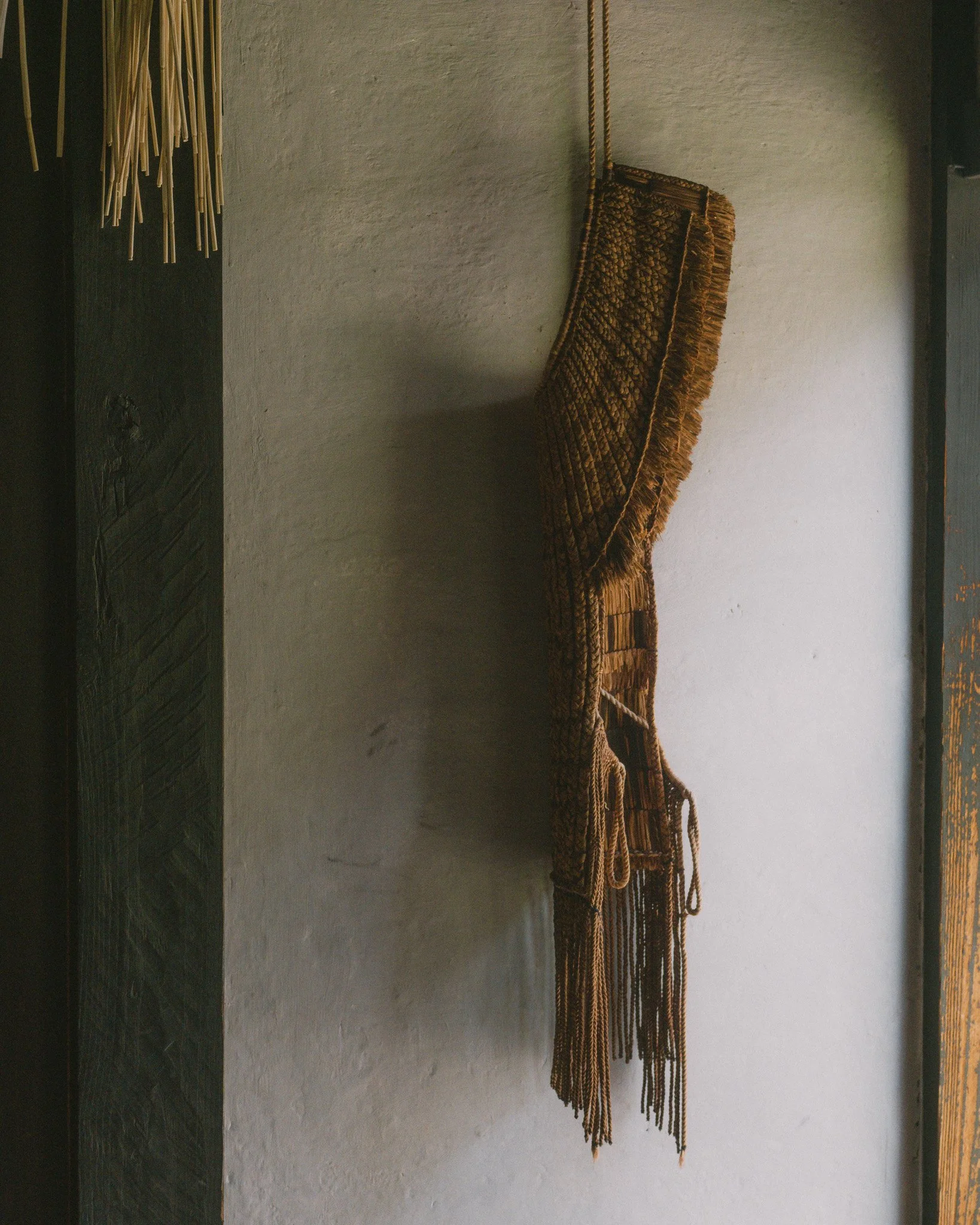
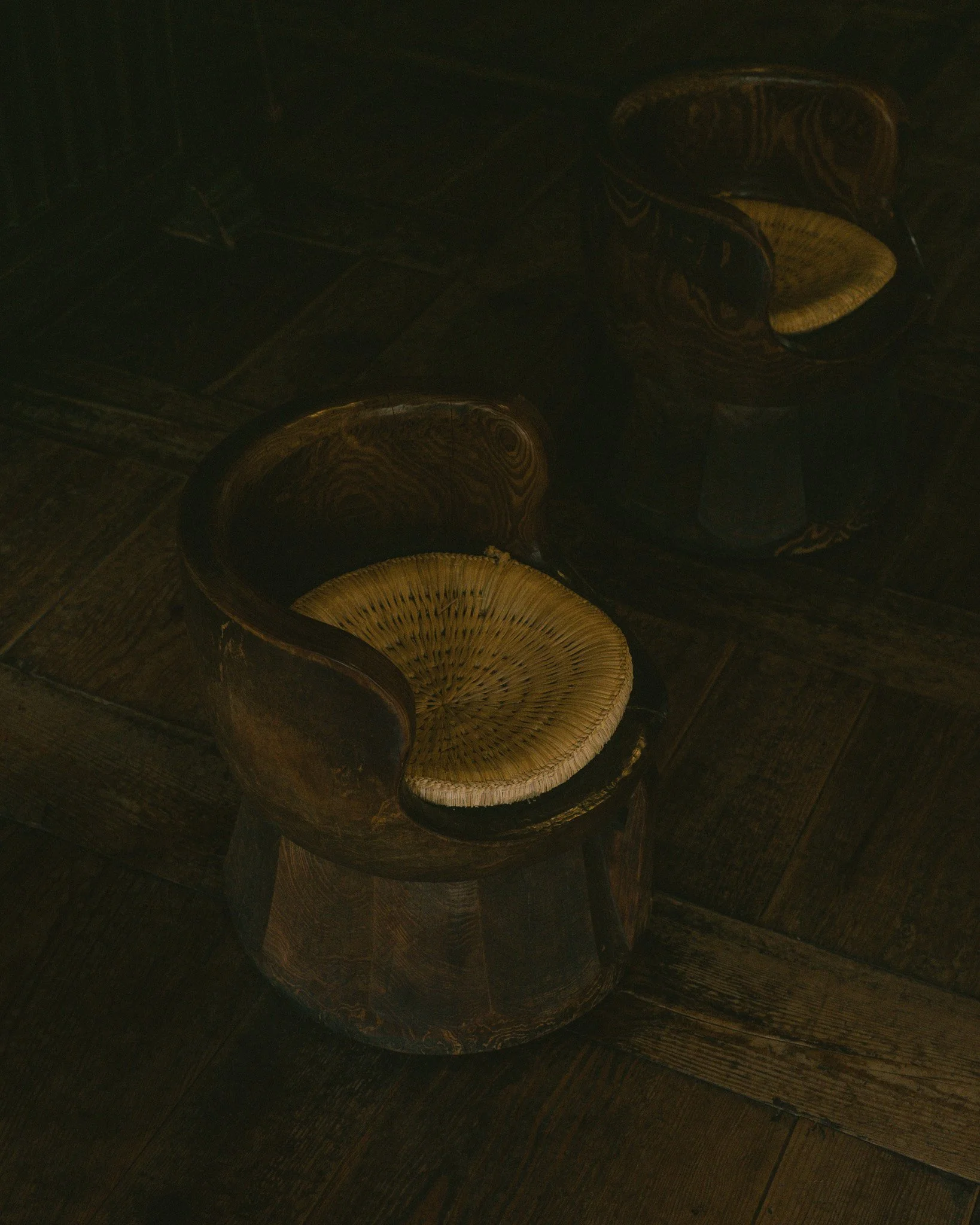
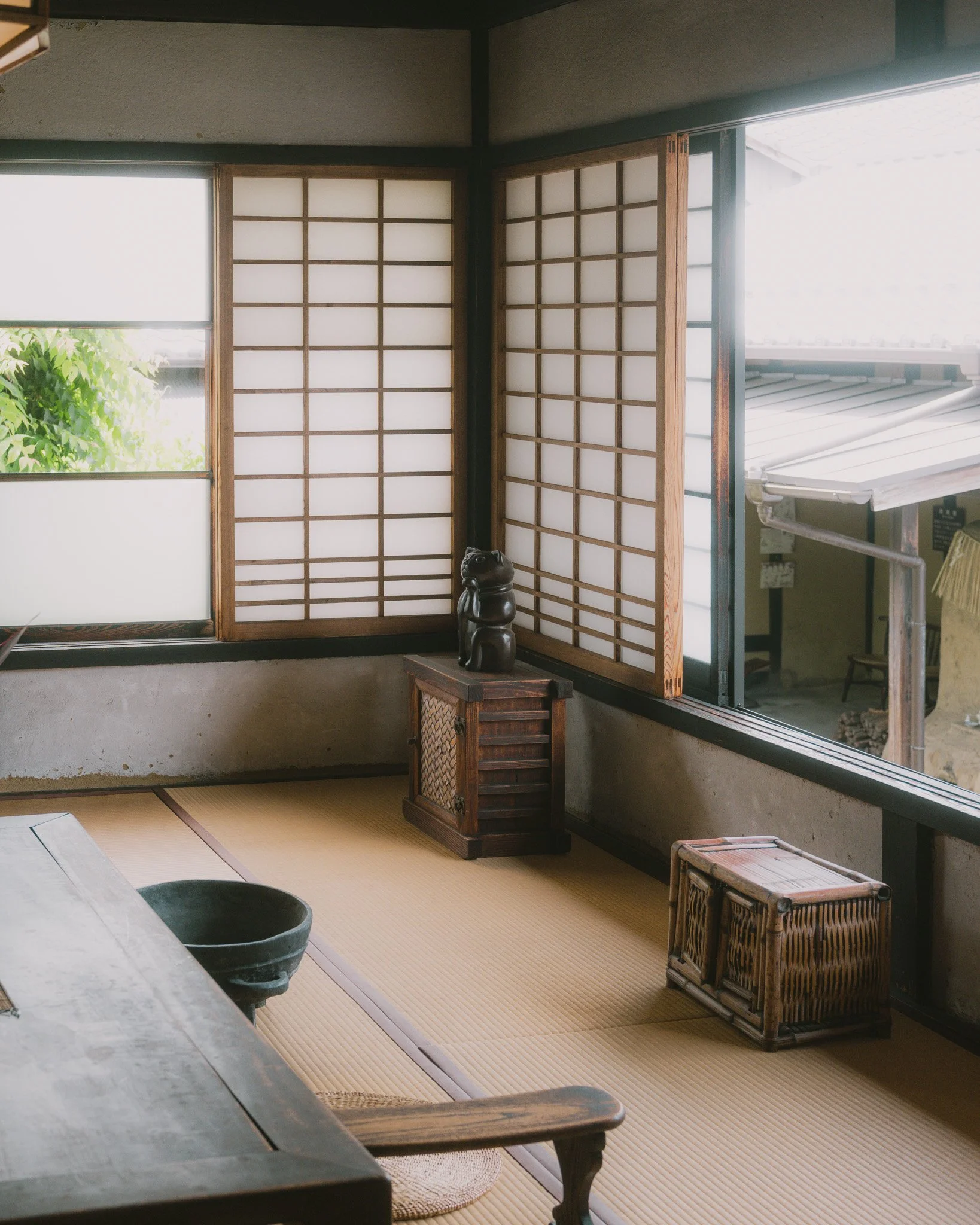
This is the tradition our work belongs to. Every object in this archive was shaped by a hand that left no name, for a life now long passed. We did not invent that idea. We inherited it, in no small part, from men like him.