Kyoto Silence.
Part I: The Geometry of Subtraction
Most people see Kyoto's Wagashi (Japanese sweets) through the lens of seasonal beauty or delicate sugar. But from our archive's perspective, what we discovered in the dawn of a quiet Kyoto workshop was something much more severe.
It was a discipline of subtraction. A study of ego-less labor.
The Erased Artisan
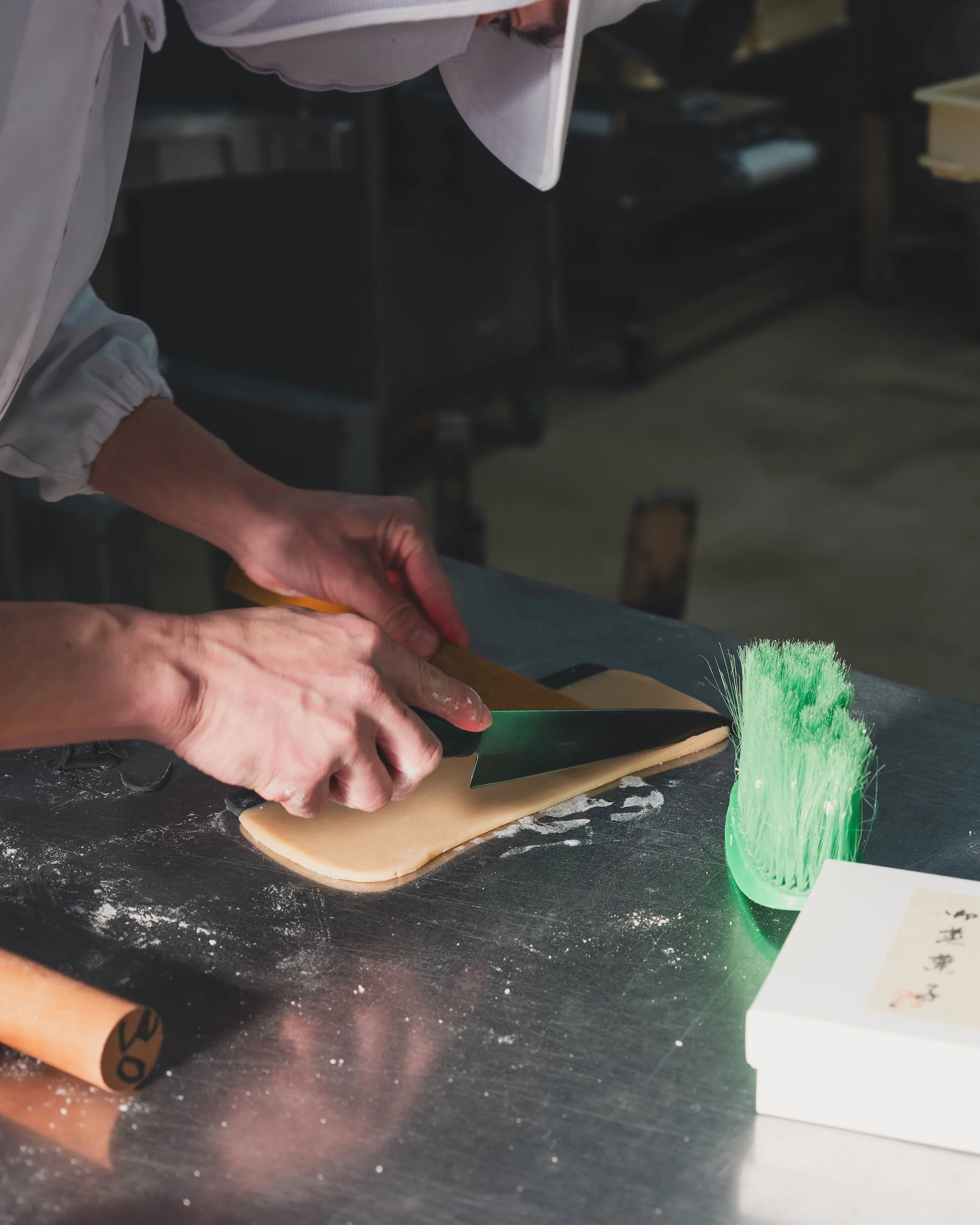
In the workshops of Kyoto, the identity of the person who makes the sweets is of no consequence. Looking at the artisan's hands—disciplined, precise, moving in a rhythm refined over decades—you realize they are not trying to "create" art. They are serving as the medium between the starch, the steam, and a tradition that existed centuries before their birth.
There is a striking resemblance to the anonymous potters of Bizen or the smiths of Nambu Tekki. When a hand moves with a ruler and a knife to carve a millimeter of dough, it isn't an artistic whim. it is geometry.
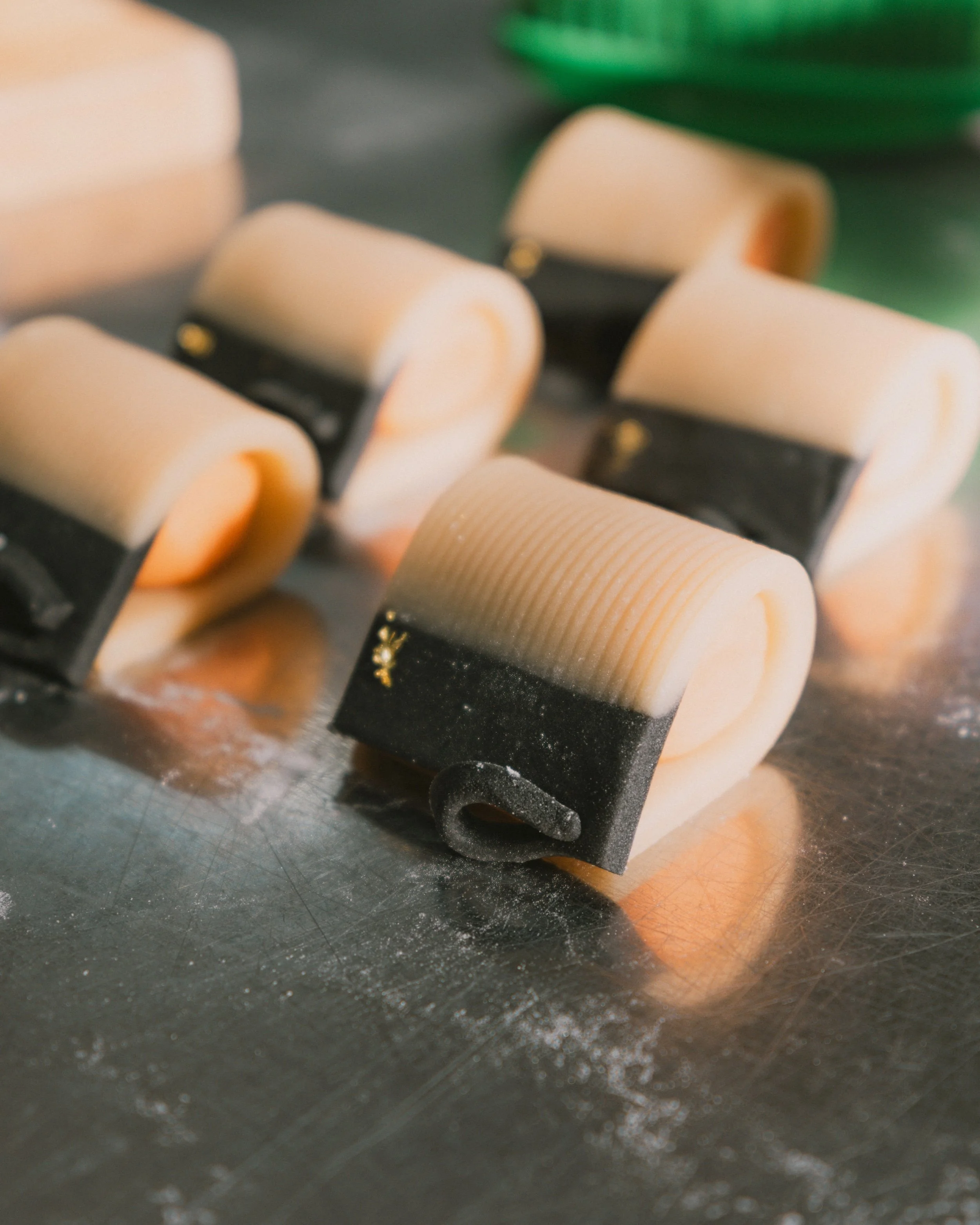
Material Integrity: The Architecture of Flour
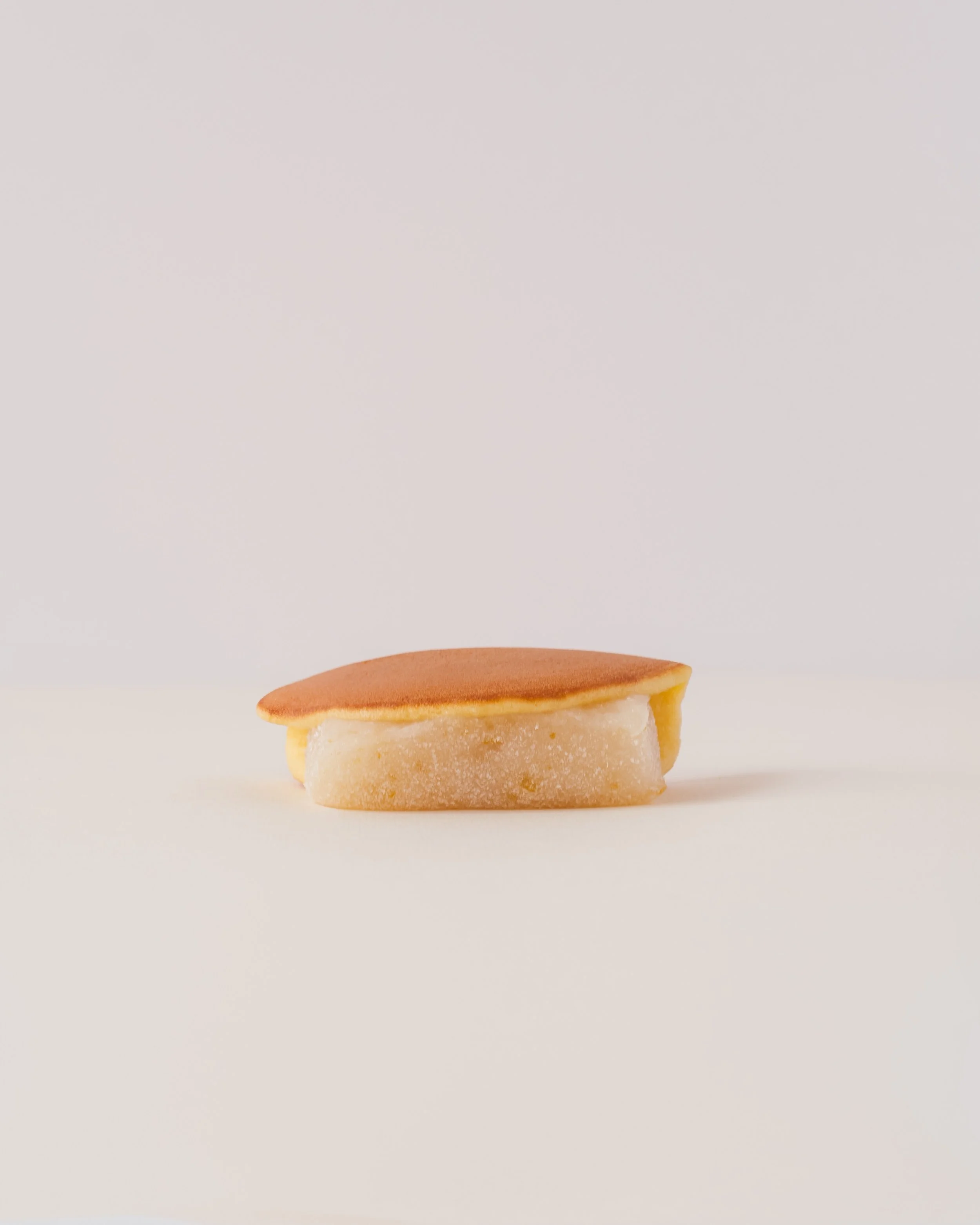
Witness the structure. The cross-section of a steamed cake is not a mere treat; it is an architectural specimen. Note the sharp, unforgiving lines where the knife has passed. There is no attempt to soften the reality of the tool.
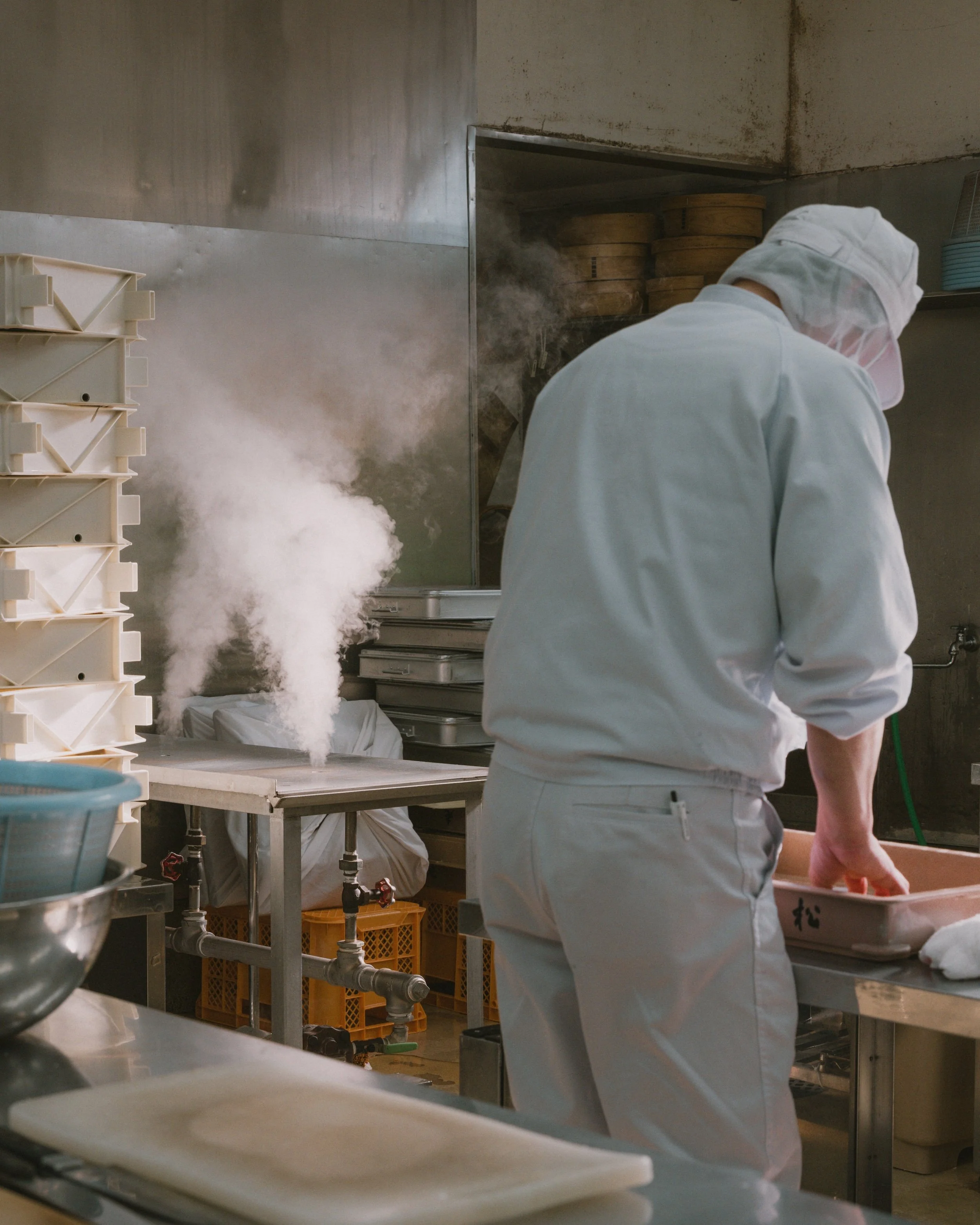
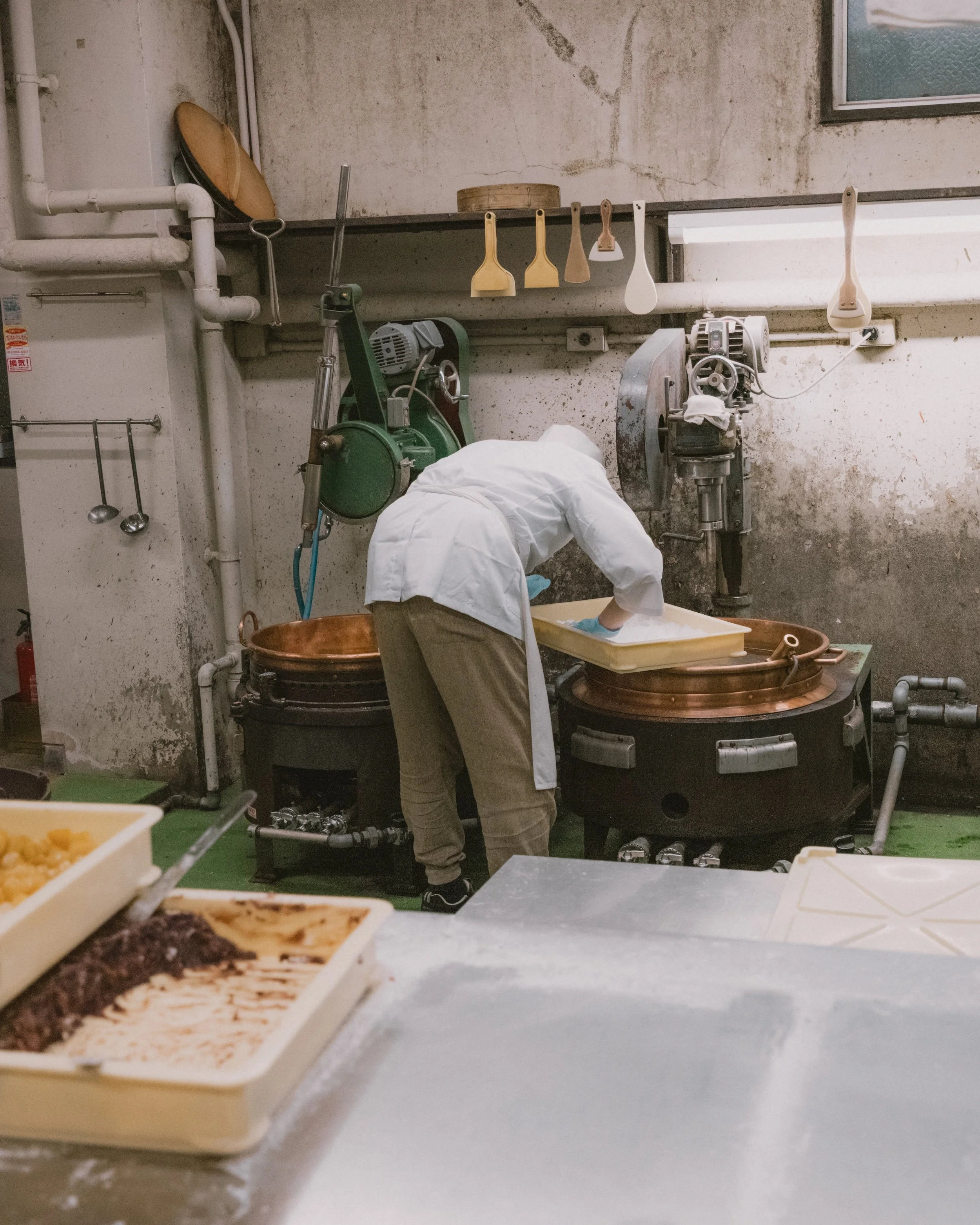
The workshop itself is a gallery of utility. Stacks of wooden crates, the constant hiss of steam, and the matte reflection of stainless steel. In this humid environment, the artisan's ego is completely submerged into the process. The results are small, ephemeral sculptures—created not for eternity, but for a singular, silent moment of consumption.
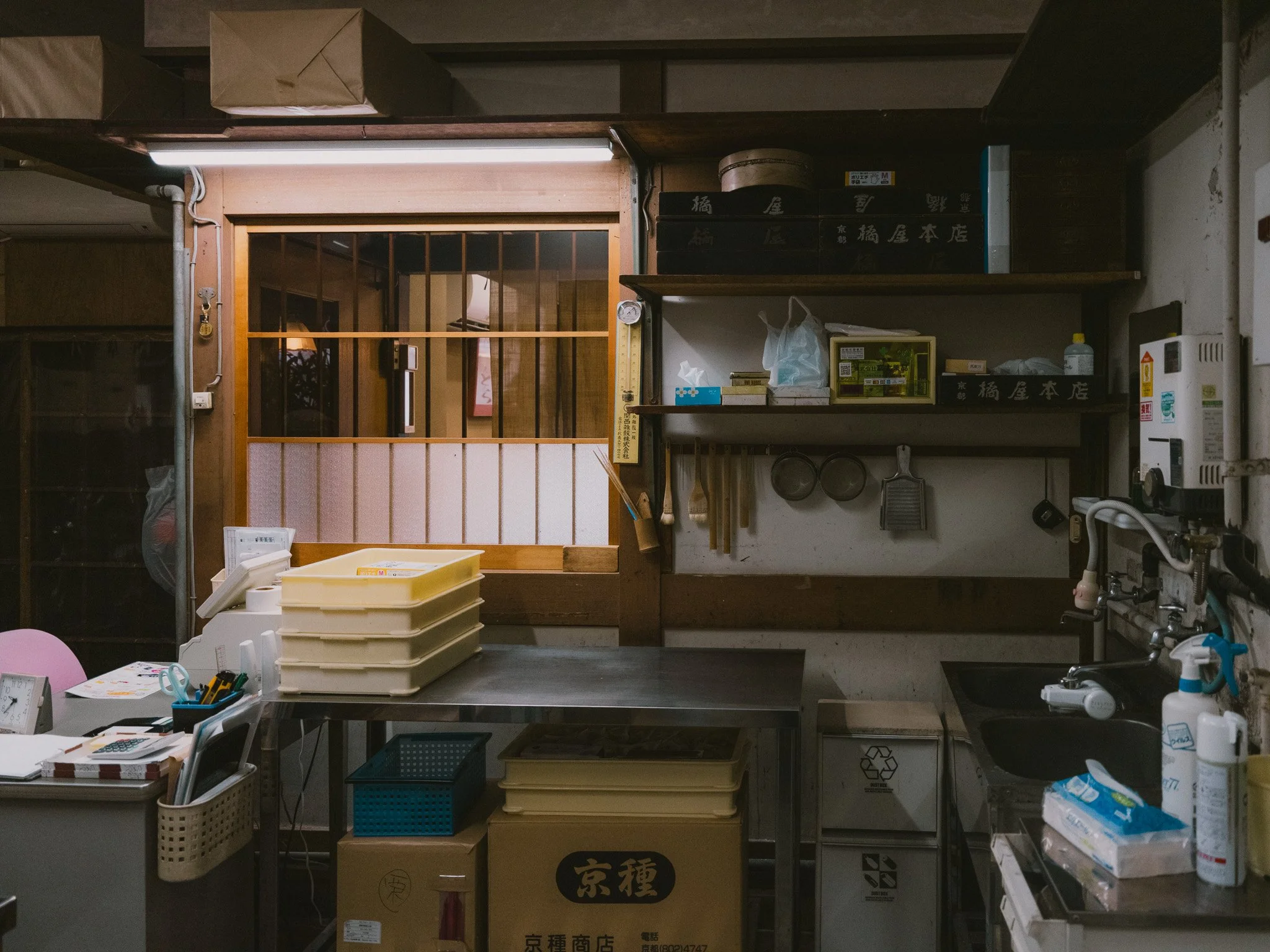
The Sacred Industry
There is a profound silence in this industry. It is a quiet noise of friction—wood against flour, hands against table. This physical rhythm is what preserves the Spirits of Japan.
Before these pieces enter the tea room to be admired, they exist as raw materials being governed by laws of physics and the inherited memory of a craft.
(Part II continues... focusing on the intersection of modern geometry and ancestral flavor.)