NOT A SHOP
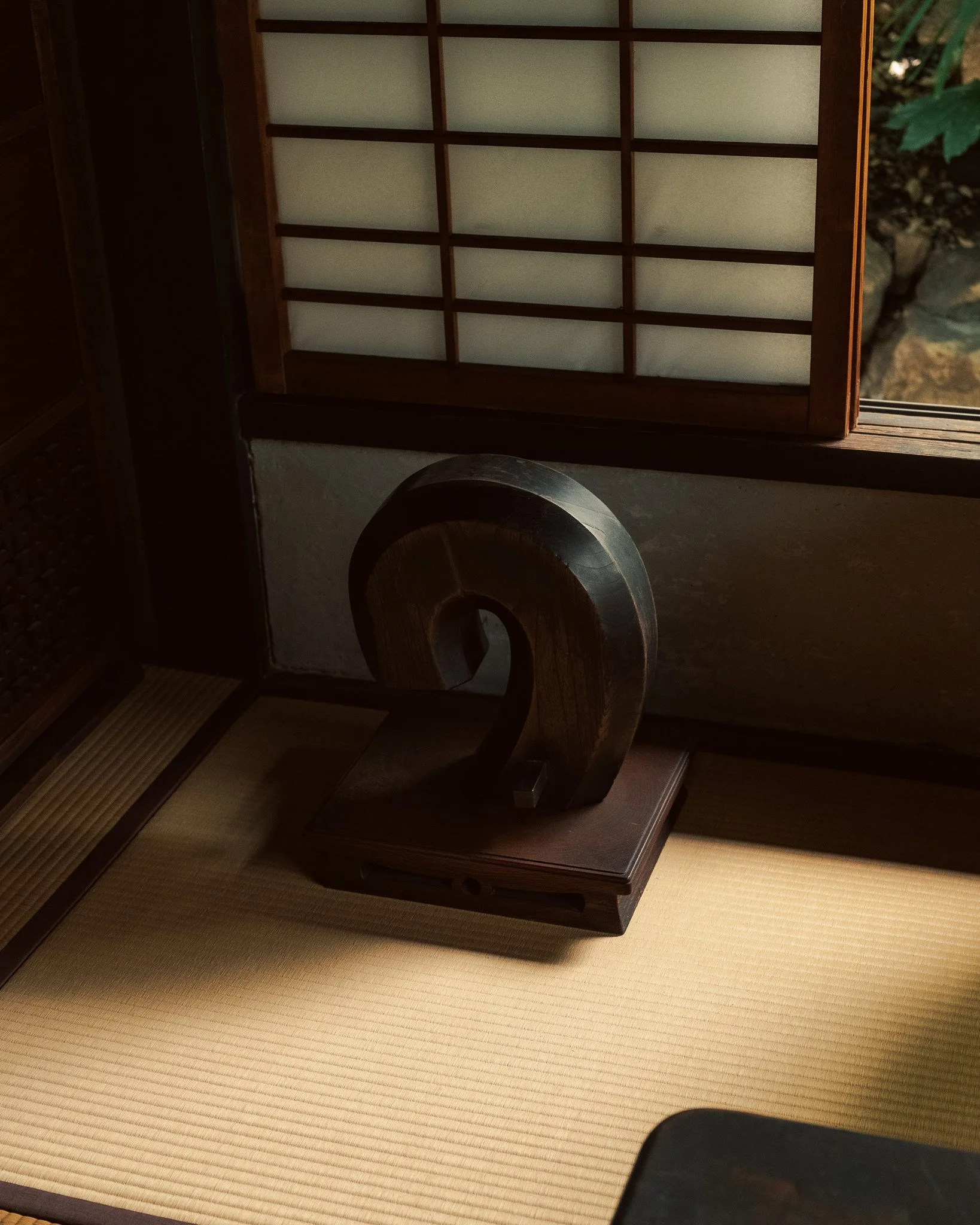
This is an archive. Every object here was made by hand, by someone whose name was never written down. Each one is offered exactly once. When it finds its guardian, it leaves and does not return. We do not sell. We preserve, we interpret, and we rehome.
SILENT GRAVITY
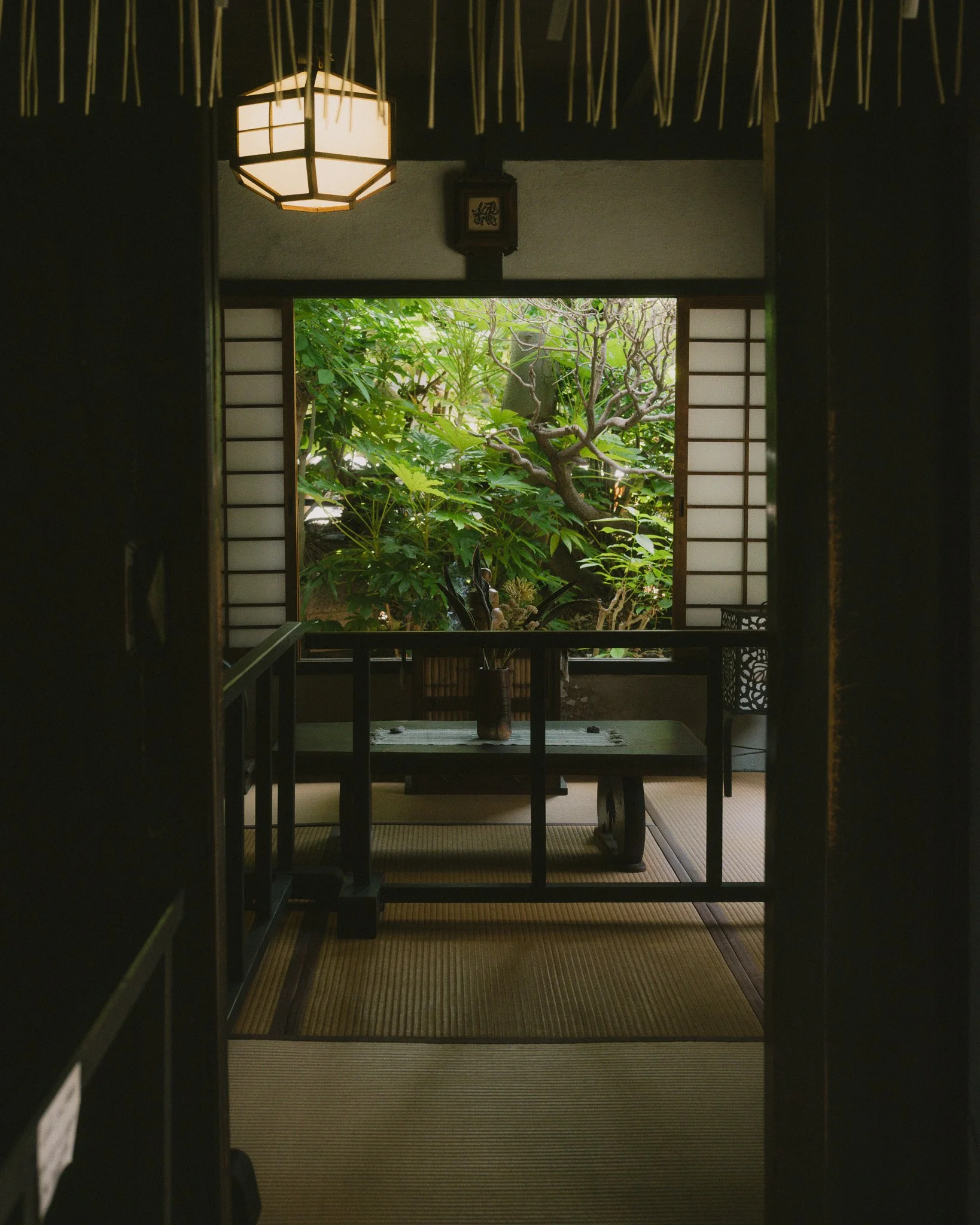
Modern life rewards speed, mass production, and familiar names. We have learned to buy the famous label as a shortcut to confidence, and somewhere along the way we stopped trusting our own eyes. MINGEI 1926 is a step out of that noise. We keep a small archive of Japanese folk objects made not for galleries, but for daily life, by hands that left no name. Each one carries a quiet weight that mass production cannot reproduce.
THE YEAR 1926
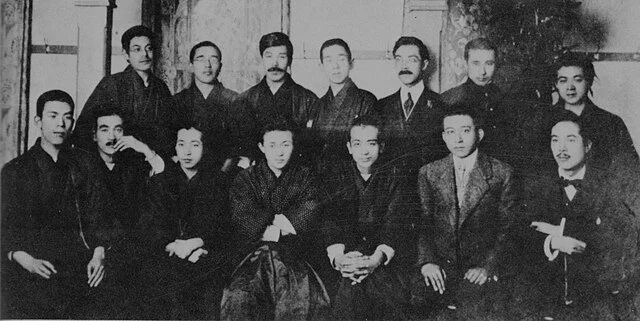
In 1926, while much of the art world chased individual fame and refined extravagance, a small circle in Japan turned toward the opposite: the honest, sturdy tools of ordinary people. That year they gave it a name, mingei, folk craft. It carried a radical idea, that the highest dignity can live in objects born of necessity, shaped by anonymous hands, and made beautiful by the friction of daily use. A century later, we keep that idea alive, and offer these objects to the contemporary home.
THE INTUITIVE EYE
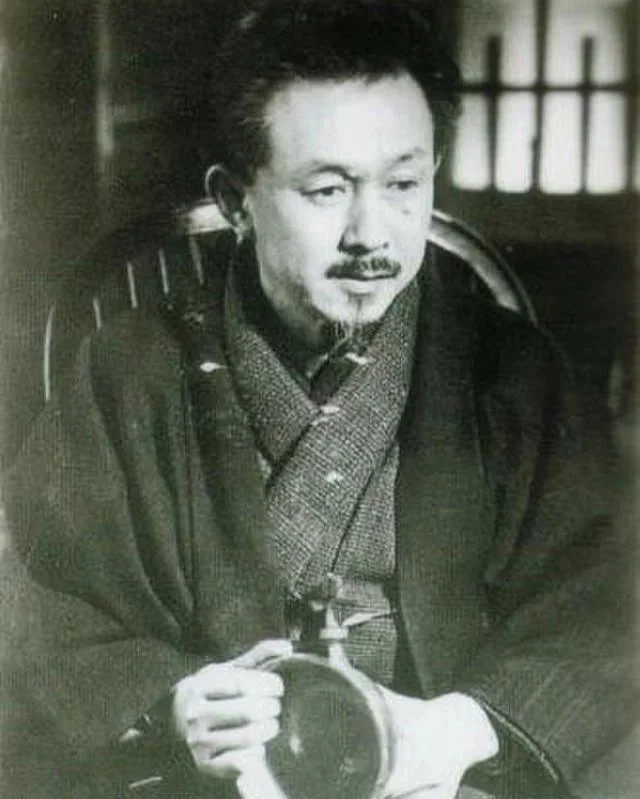
At the heart of the movement stood one philosopher, Sōetsu Yanagi. Before him, beauty belonged to palaces and famous names. He proposed something simpler, and more dangerous: chokkan, the intuitive eye. Look at an object without prejudice, without searching for a signature or a price, and you can hear what it truly is. With friends like Bernard Leach and Shōji Hamada, Yanagi travelled the rural corners of Japan to rescue the beauty of the nameless. We curate the same way. We set aside the hierarchy of names and trust the eye, keeping only the pieces that hold a certain silence.
WHAT WE KEEP
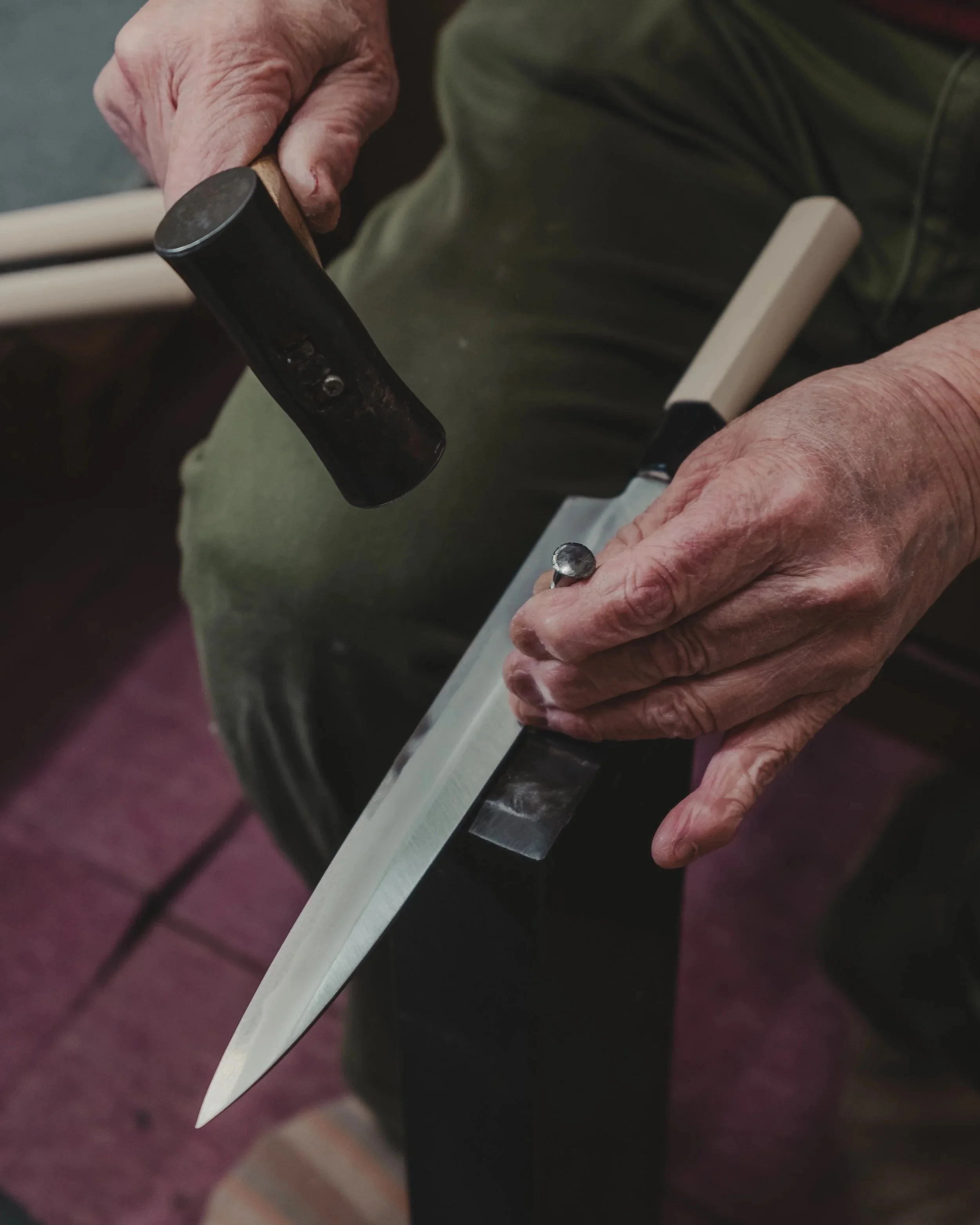
Materials hold memory. Iron forged in fire, clay born from flame, wood worn smooth by generations of hands, all carry a truth that cannot be faked, and time adds a patina no factory can. We look for that. We also believe a signature is a distraction. When a maker's ego is worn away by decades of patient, repetitive work, only the honest form remains. The absence of a name is not a lack of value. It is the proof of it. And not every object serves the body. Some served the soul: an amulet, a small ritual bell, kept to turn away misfortune and invite good fortune. In an anxious, digital age, objects like these give a room a physical anchor, a quiet that screens cannot.
A CONTRACT OF GUARDIANSHIP
We think of this archive less as a shop than as a sanctuary. These objects have already lived several lifetimes, watching over households, absorbing prayers, witnessing decades pass quietly. To welcome one is not to buy an antique. It is to step out of the right angles of mass production, and to become the next guardian of a quiet thing. Step out of the noise. Look with your own eyes. Secure the gravity.