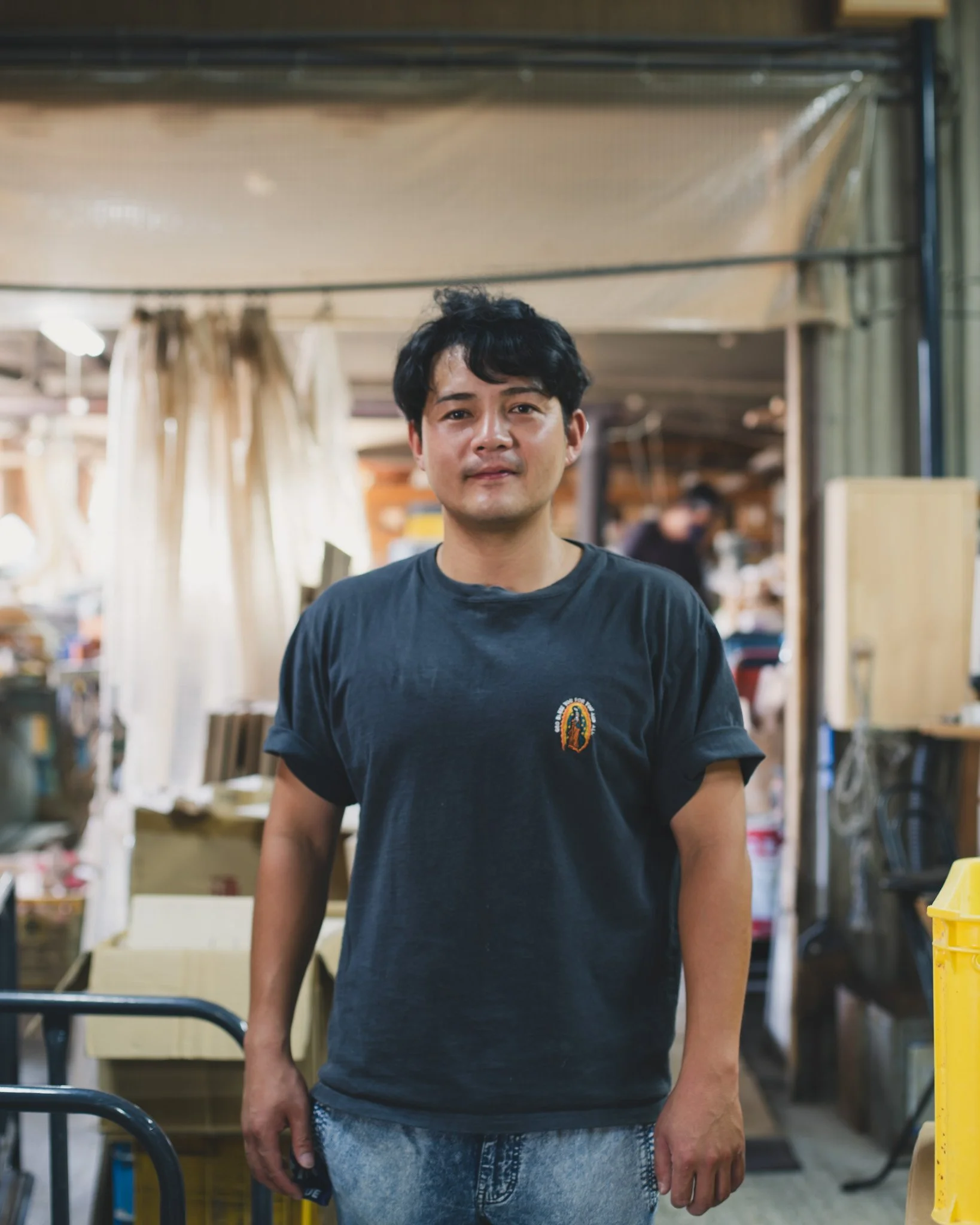
Archivist’s Eye.
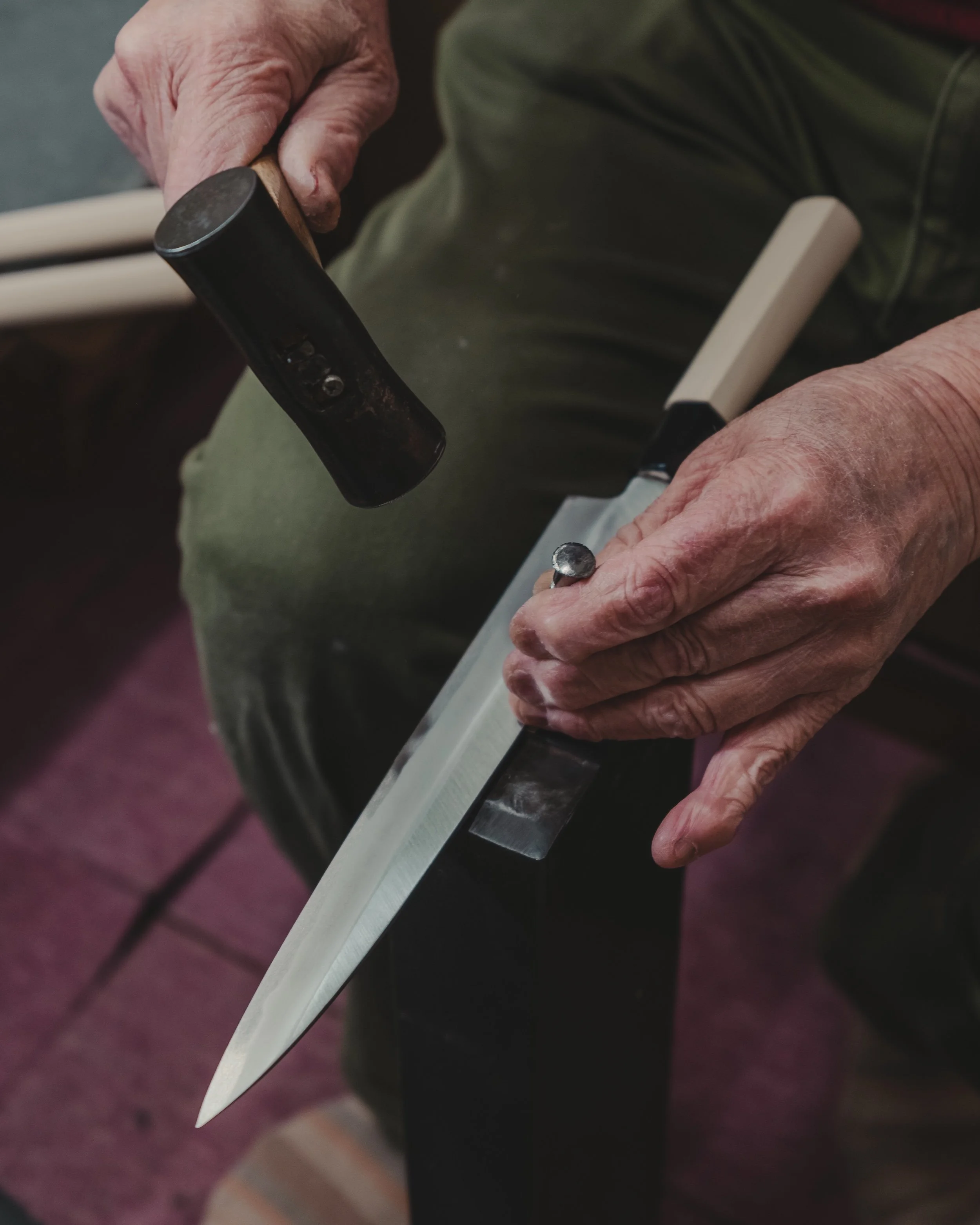
Photography has always been my method of listening to the world. Through the lens, I do not look for movement or loud colors; I seek the frozen time within the shadows.
For years, I have walked through the sacred precincts of Japan, capturing the geometry of cedar beams and the soft vibration of light hitting old stone. But lately, my gaze has narrowed—from the grandeur of the temple to the small, anonymous objects that reside within those same shadows.
In Praise of Shadows.
We live in a world where everything is demanded to be visible. Constant light. High resolution. Noise.
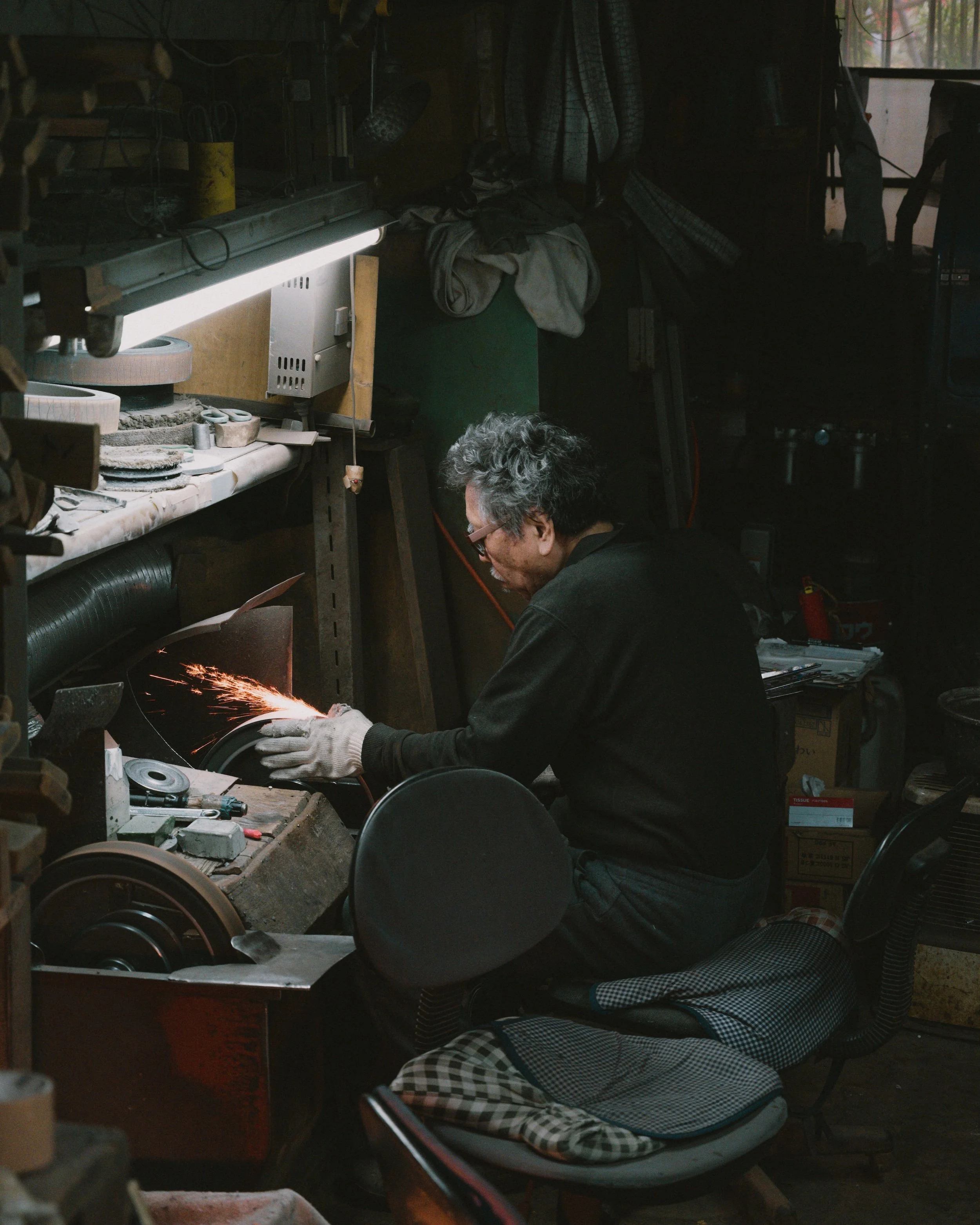
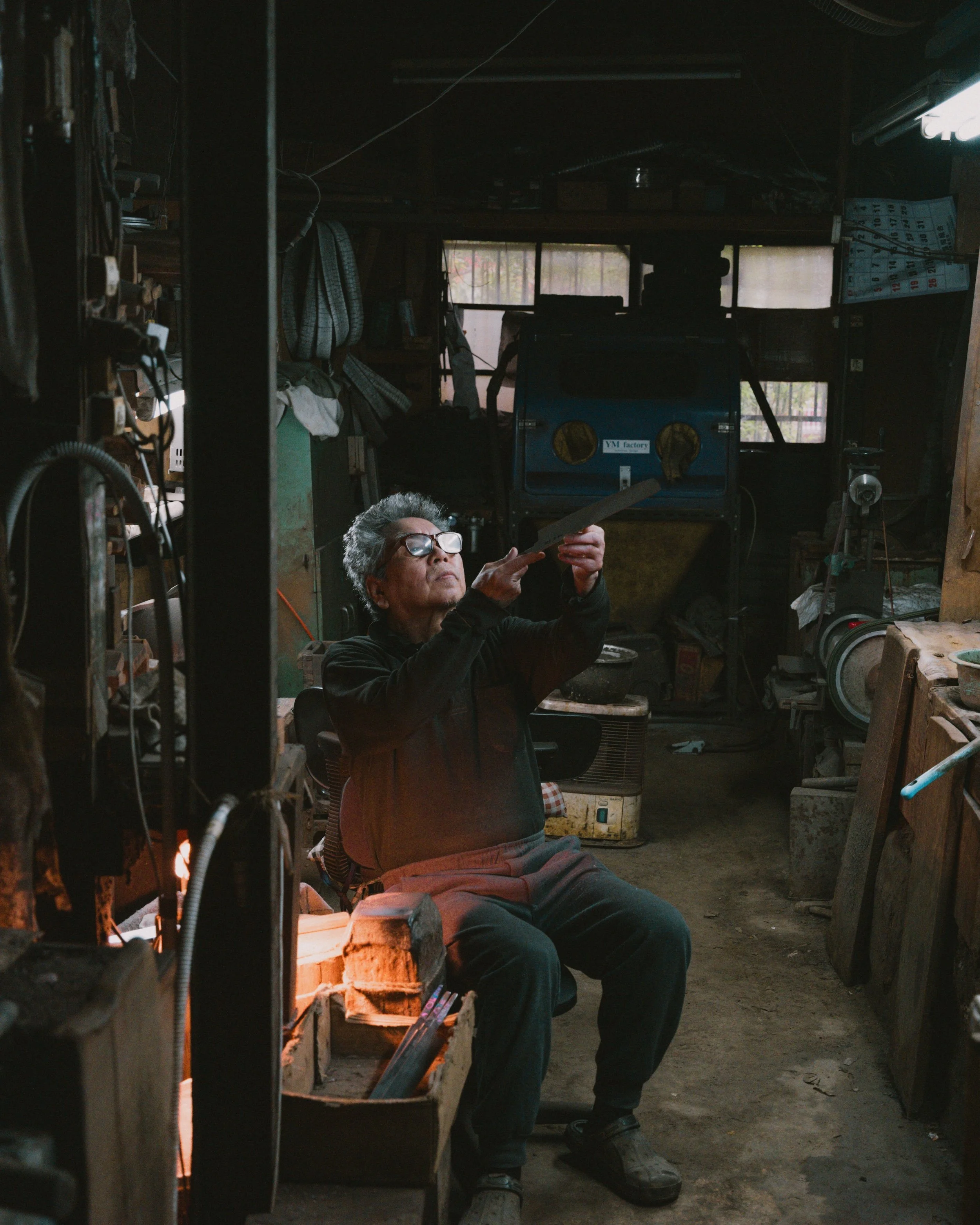
But the Japanese soul has traditionally sought meaning in the dim corner. The writer Jun'ichiro Tanizaki once observed that beauty is not in the object itself, but in the pattern of shadows created when the light fails to reach.
This is the origin of MINGEI 1926.
My collection of folk art (Mingei) is an extension of my photography. I seek "Objects for the Heart" that possess the same gravity as an old shrine pillar. A clay doll from Shiga or a wood-carved buffalo from Taketomi — they are survivors of a loud century, retaining a silence that demands a different kind of attention.
The Resilience of Scars.
People often ask why I preserve pieces that are faded, scratched, or chipped.
To me, a scratch is not a defect; it is a signature of use. It is evidence of life. Just as a weathered temple wall is more beautiful than a freshly painted one, these folk objects gain a "Healthy Beauty" as they age. They hold the prayers of laborers and the simple hopes of farmers from the 1920s.
When I rescue a piece from a dusty crate at an antique market, I am choosing it because I recognize its voice. I see its place in a modern sanctuary—sitting on a concrete desk or a minimalist shelf, providing a physical anchor in a floating, digital world.
A Shared Journey.
This journal will serve as my private log. It is a record of my hunts, my reflections on Japanese aesthetics, and my commitment to the spirits I find.
By acquiring these objects, you are not simply "buying decor." You are inviting a piece of the Japanese silence into your daily rhythm. You are becoming a guardian of a legacy that began long before us.