

Narrative
In a digital era where objects are "rendered" into existence, the Nambu Tekki dog and the Bizen vase exist for a different reason: they carry physical gravity. A Bizen vessel stays in a 1,300°C kiln for two weeks. It is not decorated with gold or ash; it is branded by the atmospheric chaos of the flame. I visited these sites to document this ritual of waiting.
Submission: The Forge of Sakai
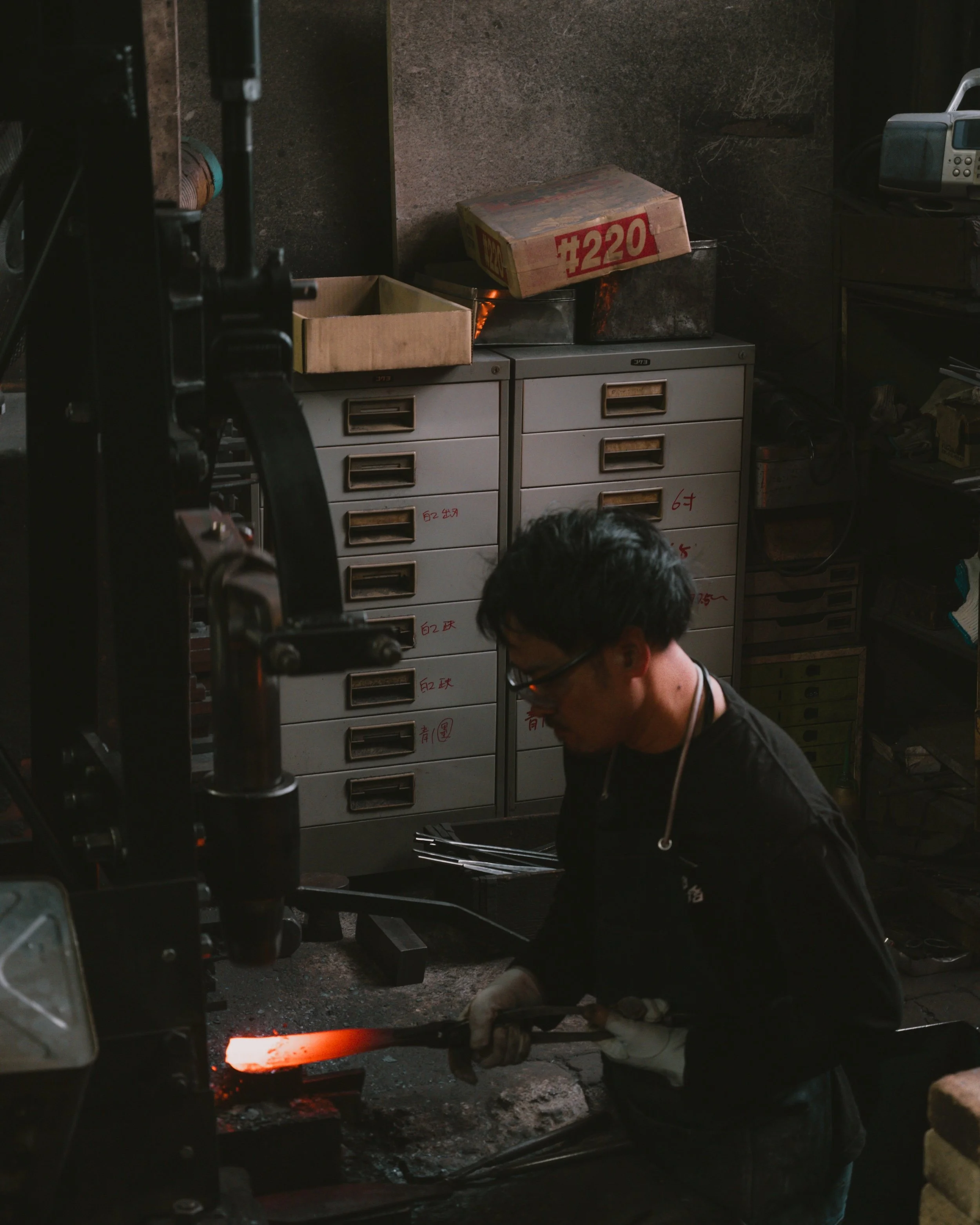
In the subterranean heat of a Sakai workshop, the air is thick with the scent of charcoal and iron oxide. I stood witness as steel was hammered into submission.
Although our collection includes Nambu Cast Iron, the fundamental truth remains universal: iron must be forced into its silhouette by a hand that respects its resistance. Seeing this struggle in Sakai redefined my eye for the cast-iron guardians we archive. Every pit and grain on an iron spirit is a fossilized record of this heat.
Thermal Memory: The Vigil of Kyoto
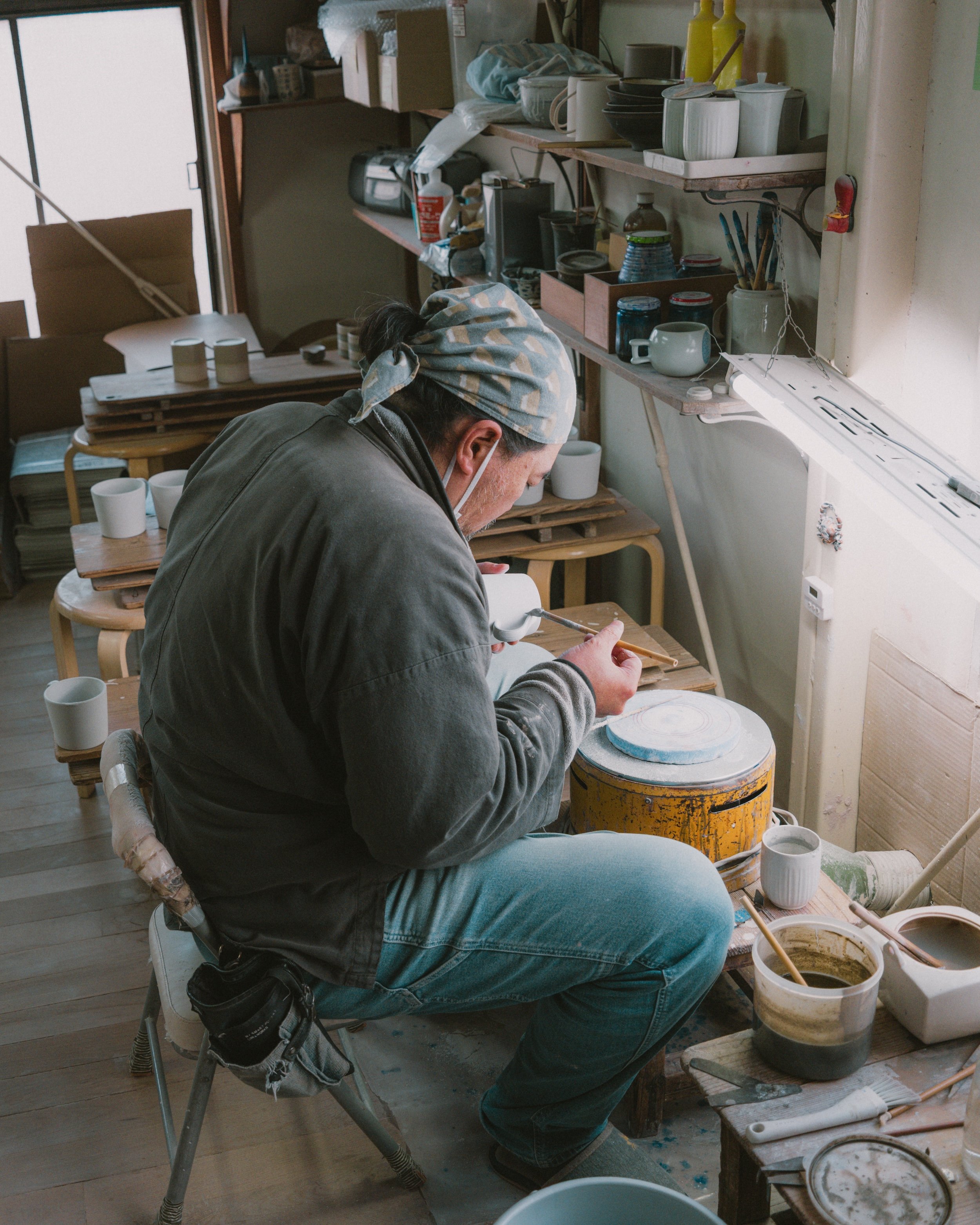
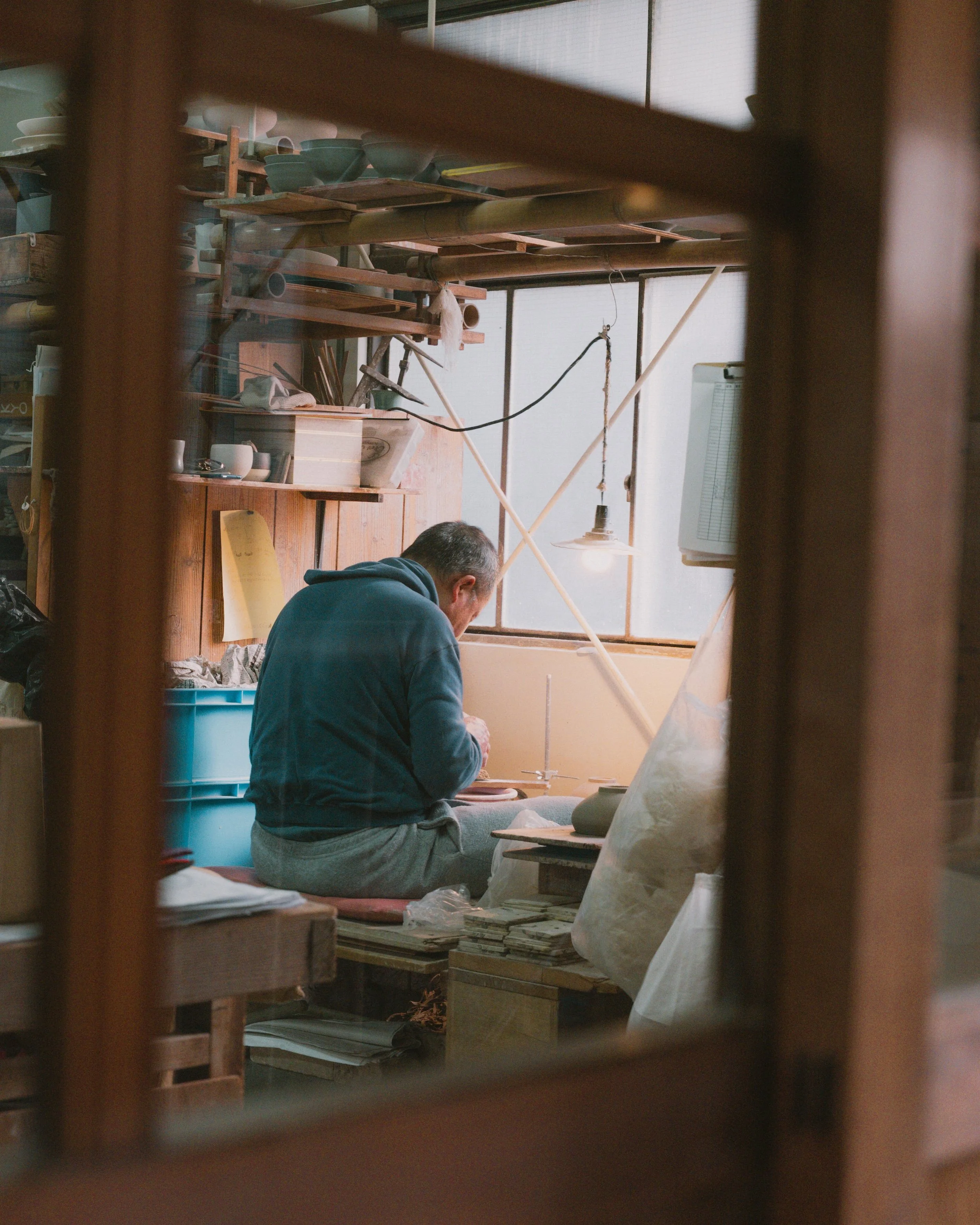
Pottery in Kyoto is a lesson in time. I watched master artisans wait—waiting for the clay to breathe, waiting for the 1,300-degree fire to speak.
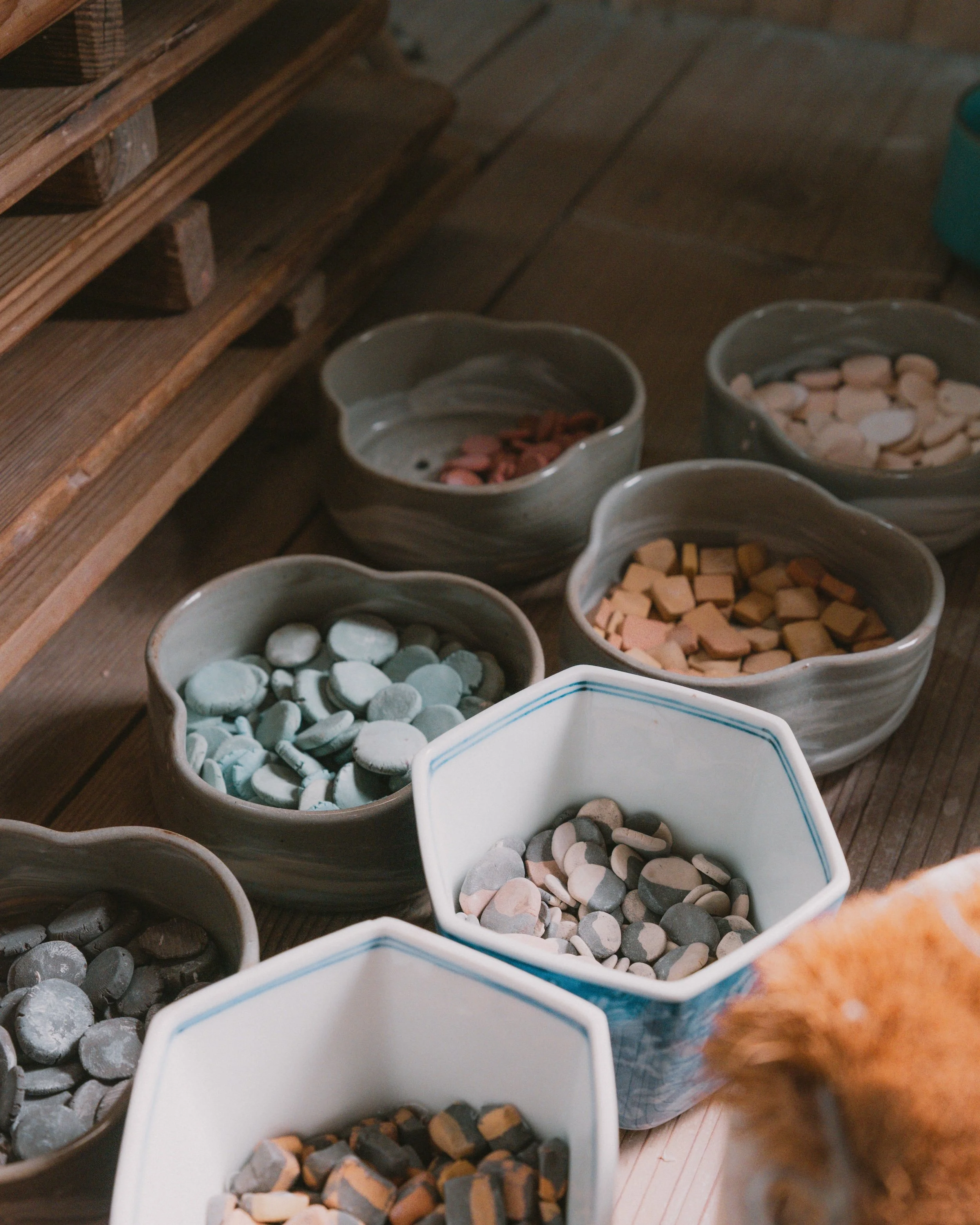
Bizen or Kutani, it does not matter. The essence is the "Soil Diversity." Seeing these raw pigments in Kyoto reminded me that we are not archiving "Vases"; we are archiving segments of Japanese geology. A piece of pottery is merely soil that has undergone the ritual of heat to gain permanence.
Impact and Tools
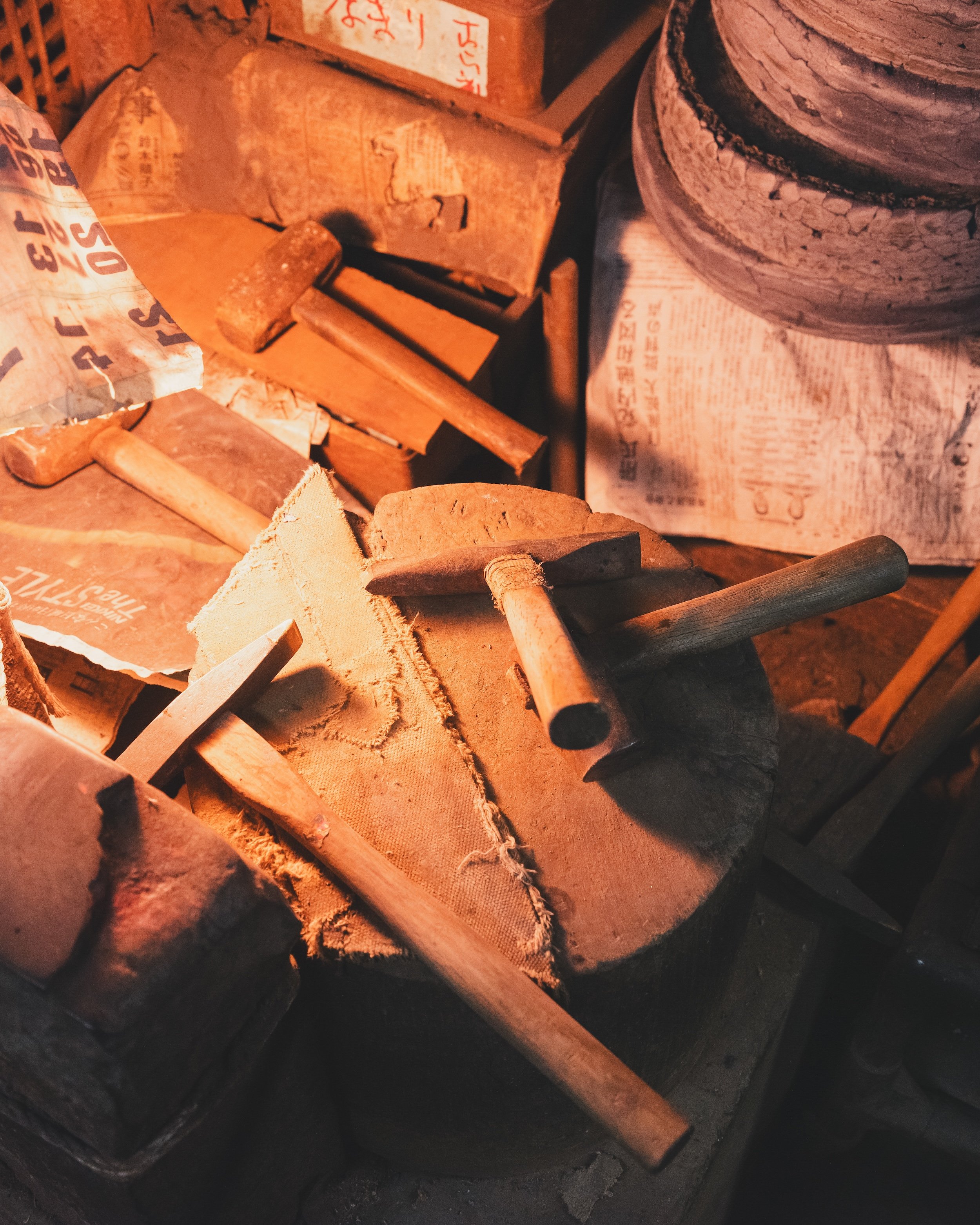
Precision is not the goal; integrity is. The worn-out hammers and scarred wood of these workshops tell a narrative that no history book can provide. My lens focused on these tools because they are the bridges between the anonymous maker and the final specimen. They are why we value the "Patina" of a 50-year-old object: it carries the same unpolished grit I saw in these modern-day sanctuaries.
Curating the Narrative
Our archive is built on these moments. When I curate a Bizen "Tsutsu" vase or a cast-iron Shiba dog, I am not searching for a famous name. I am searching for the silence of this specific room—the focus of the unnamed artisan. MINGEI 1926 exists to bring this physical weight from the Japanese workshop to your living space.
