THE LIVING HOUSE
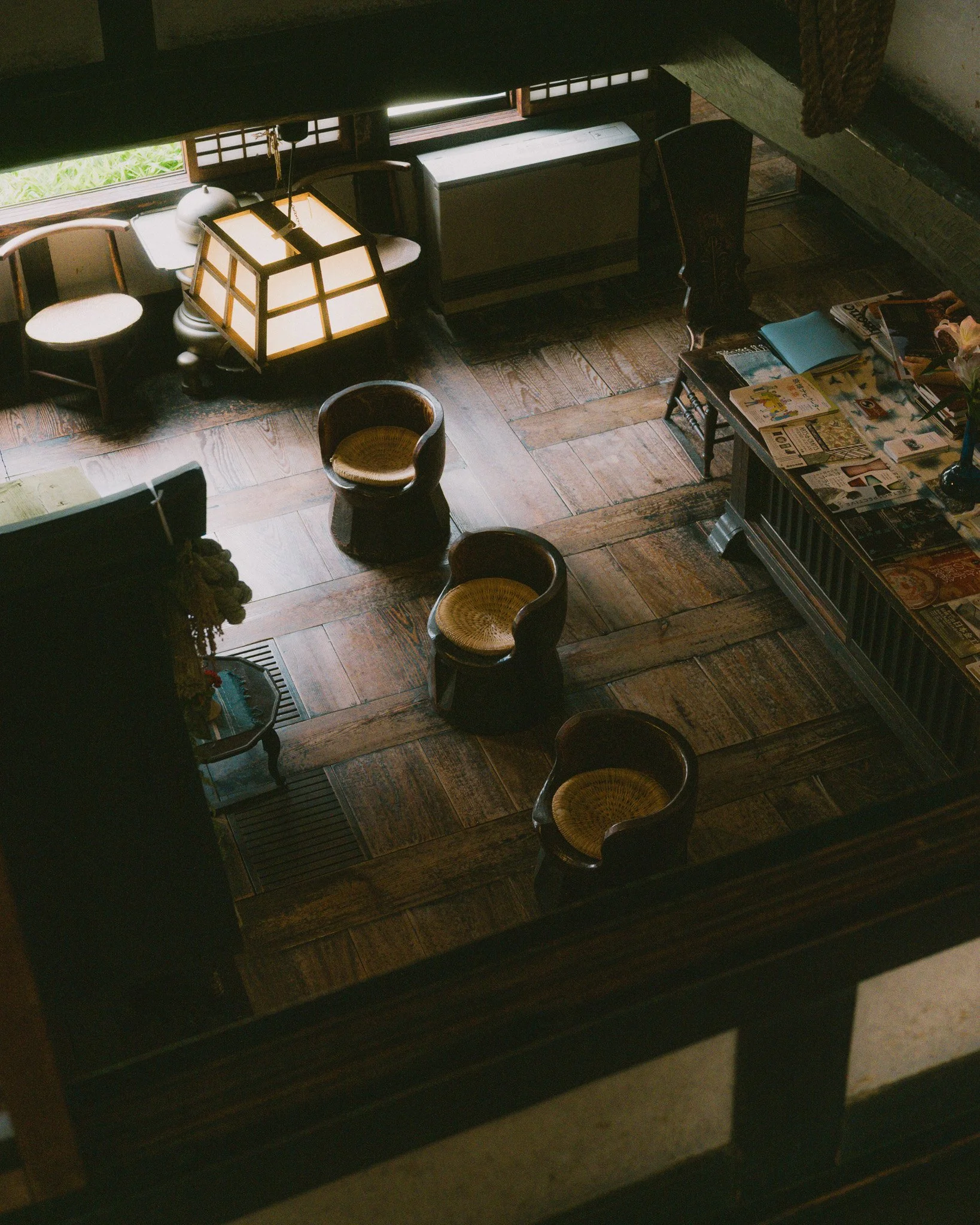
To understand what Kawai believed, you do not read it. You walk into his house.
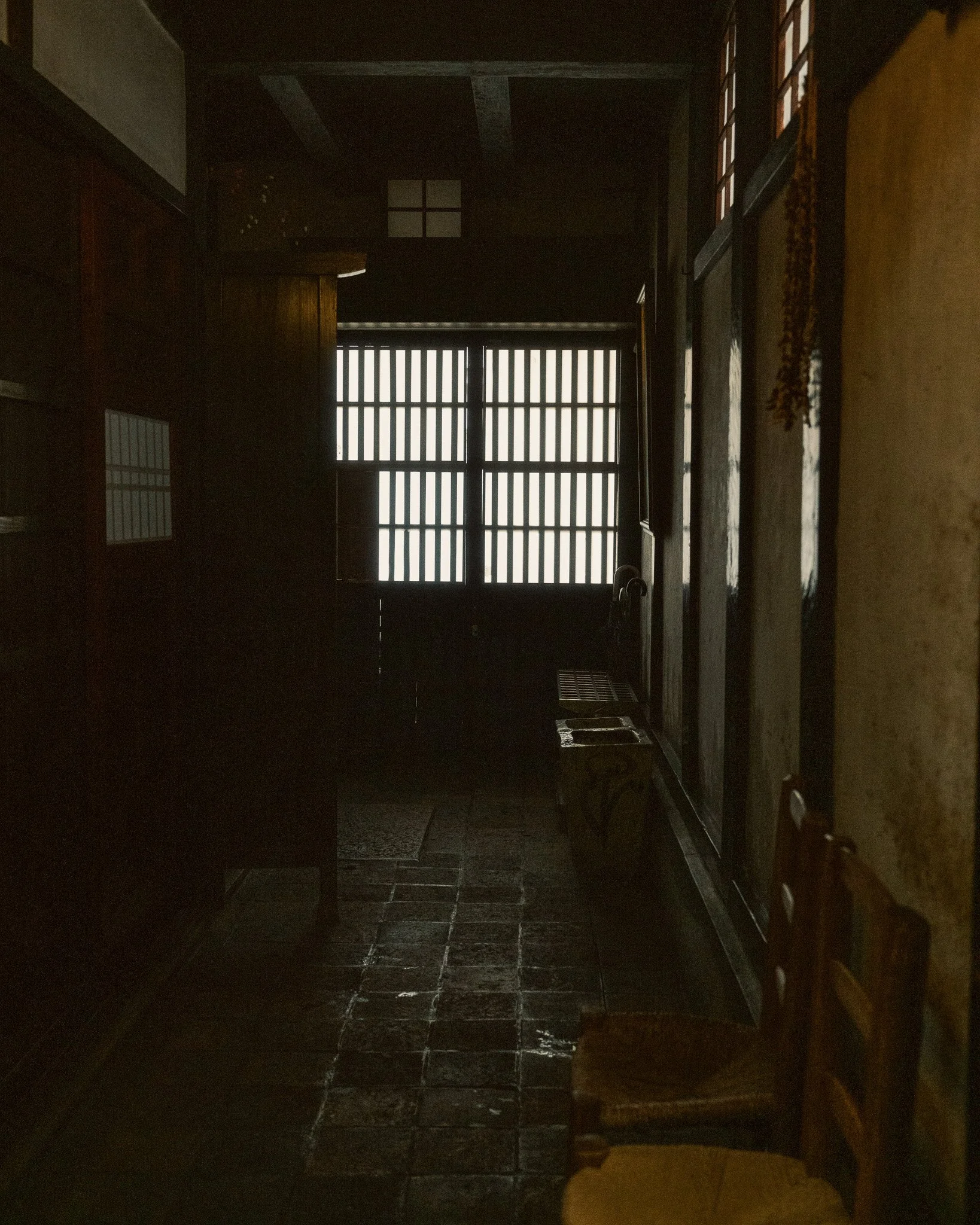
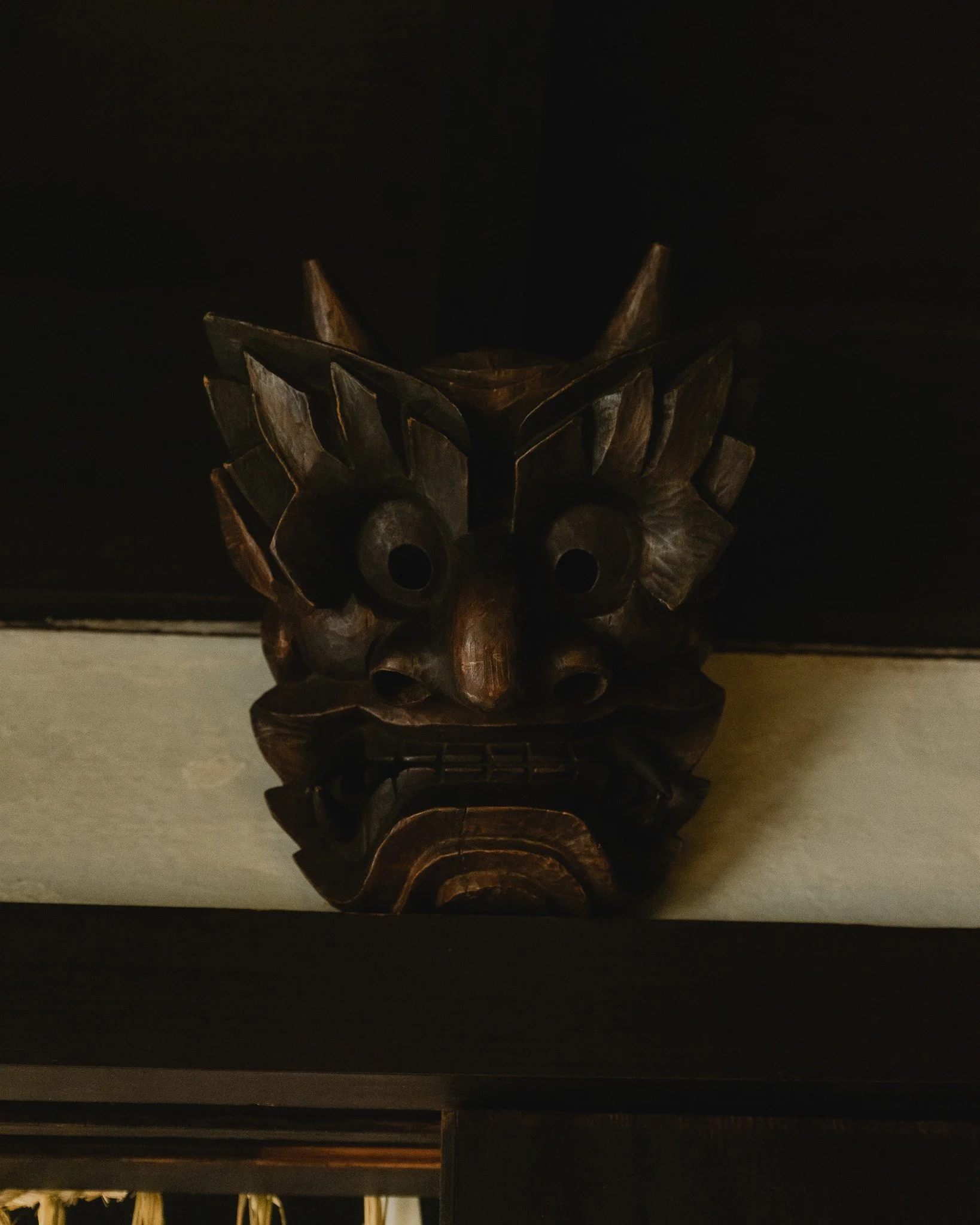
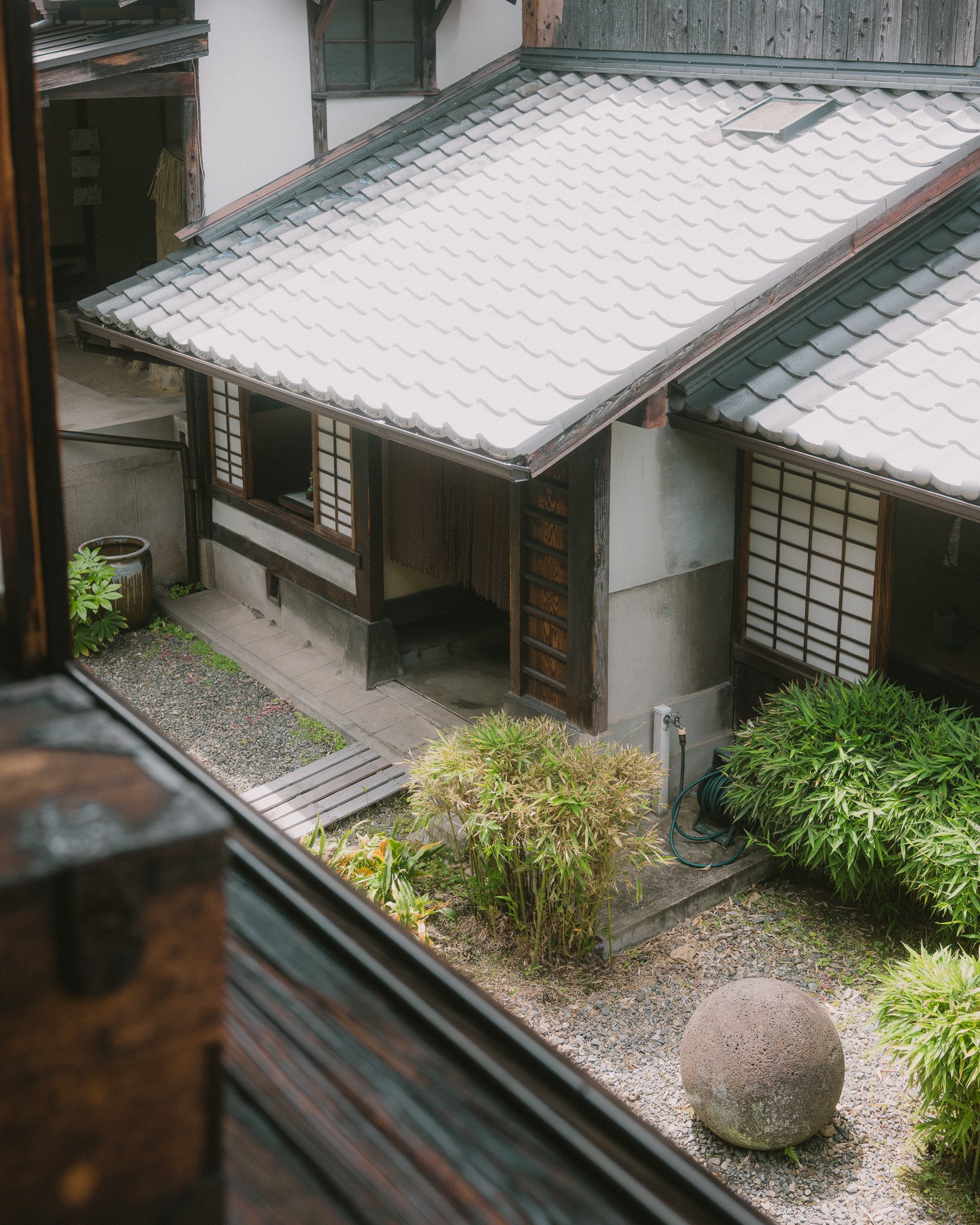
He designed it himself in 1937, after a typhoon wrecked his earlier home, and built it with his brother, a carpenter. Like the old townhouses of Kyoto, it gives almost nothing away from the street: a modest, narrow front, easy to walk straight past. Step inside, and the scale changes entirely. Enormous natural timbers, left with their original curves, cross overhead. A hearth opens upward through two storeys at the centre of the house. Light falls through paper screens onto dark, hand-polished floors. It feels less like a building than like the inside of one enormous piece of woodwork.
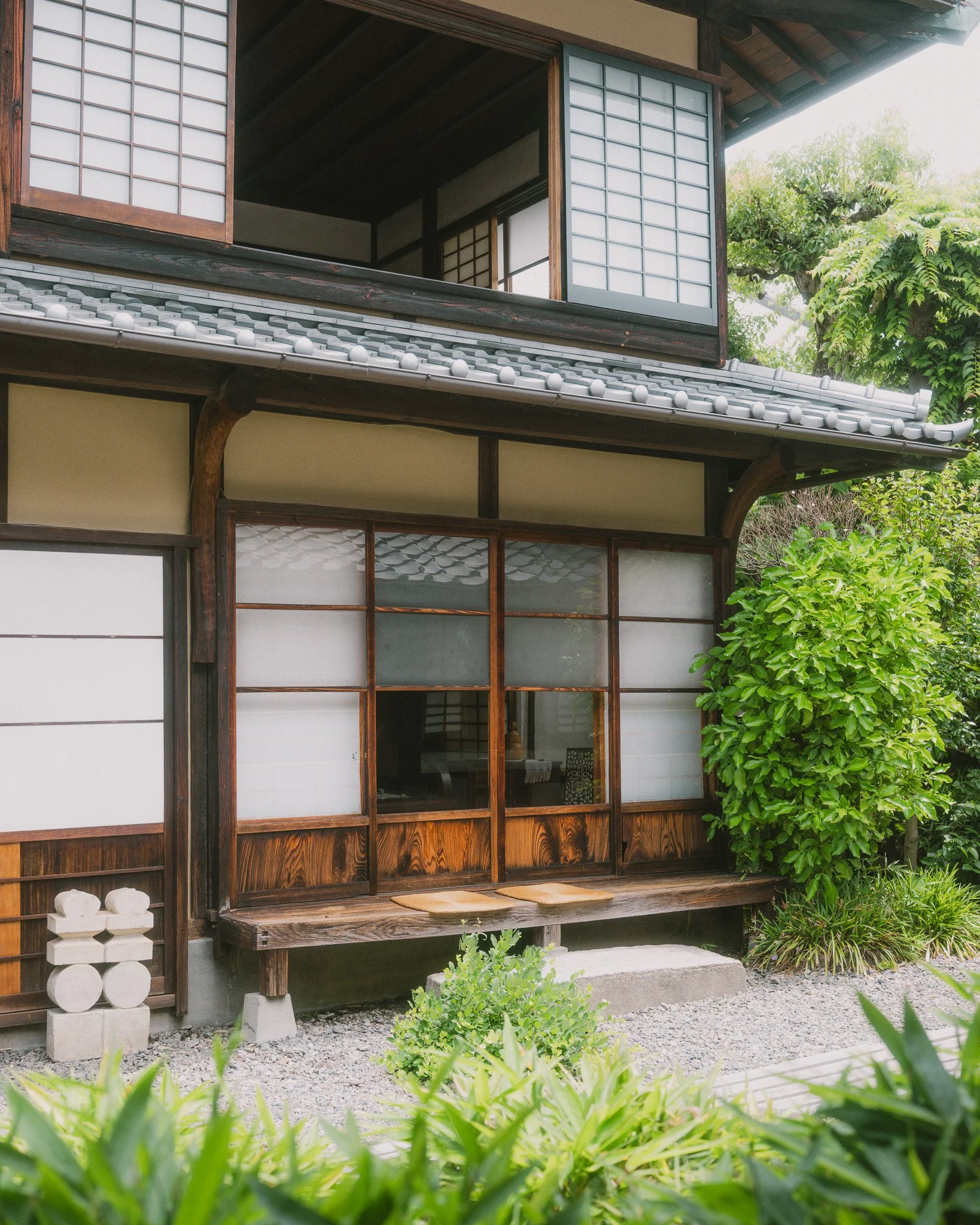
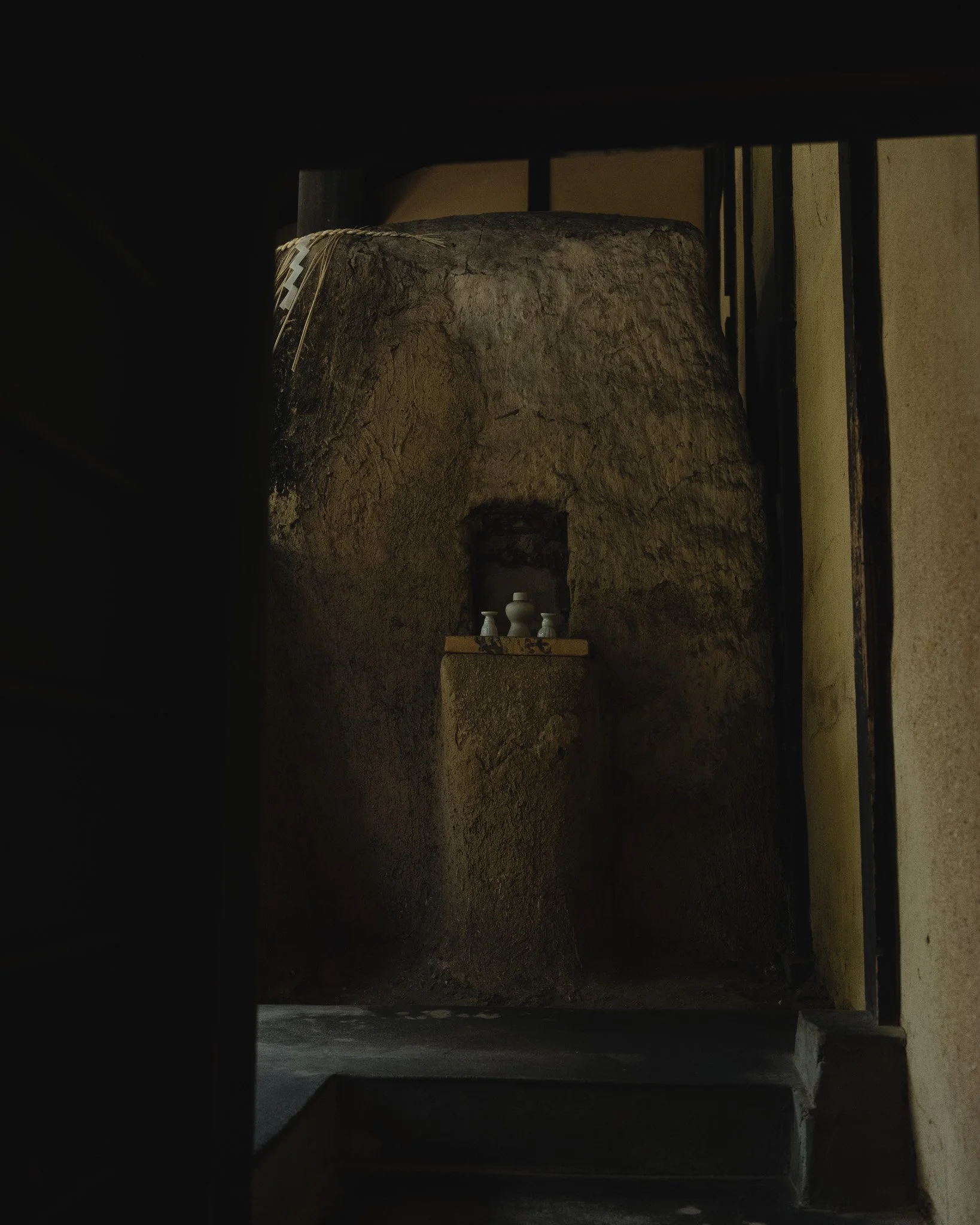
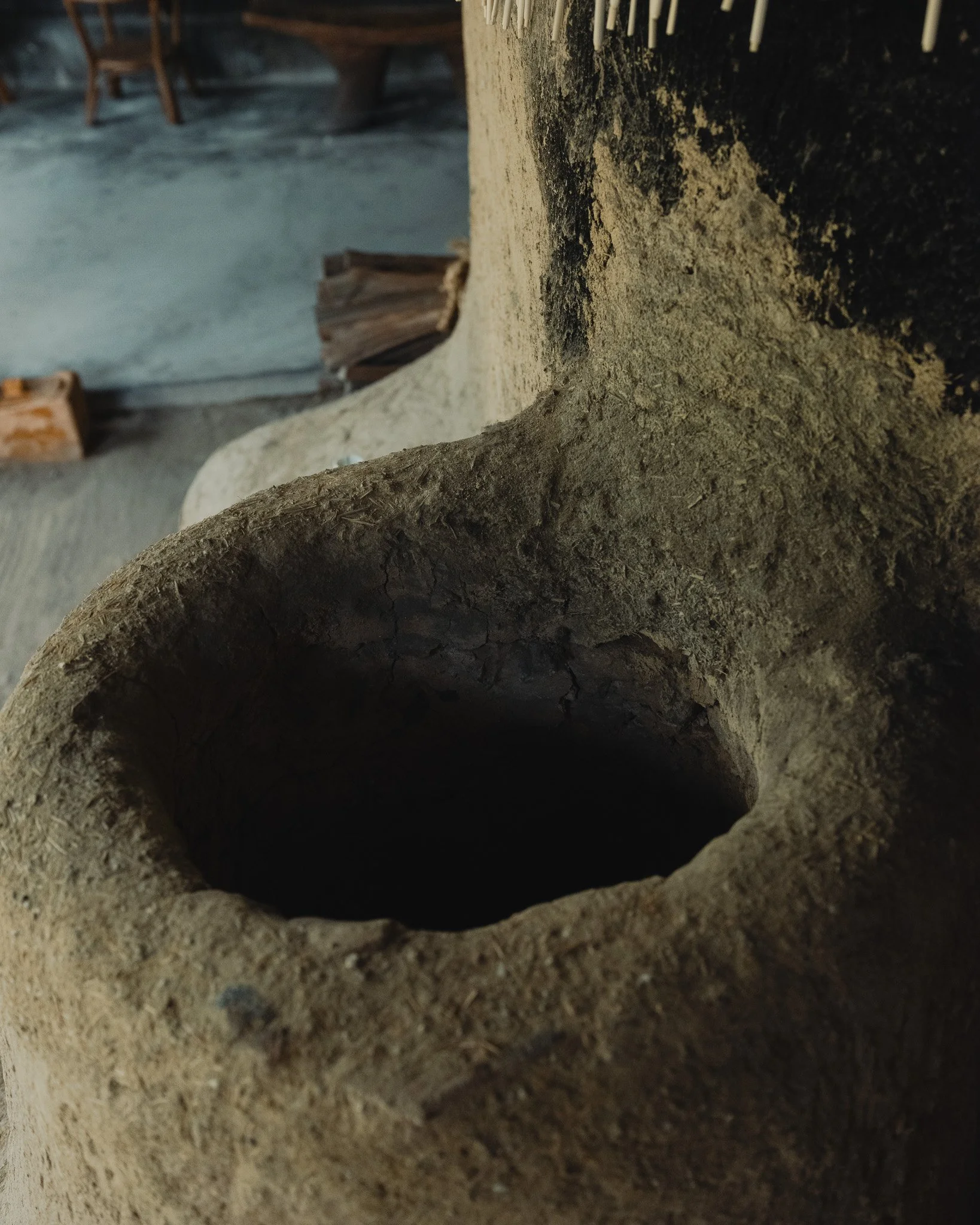
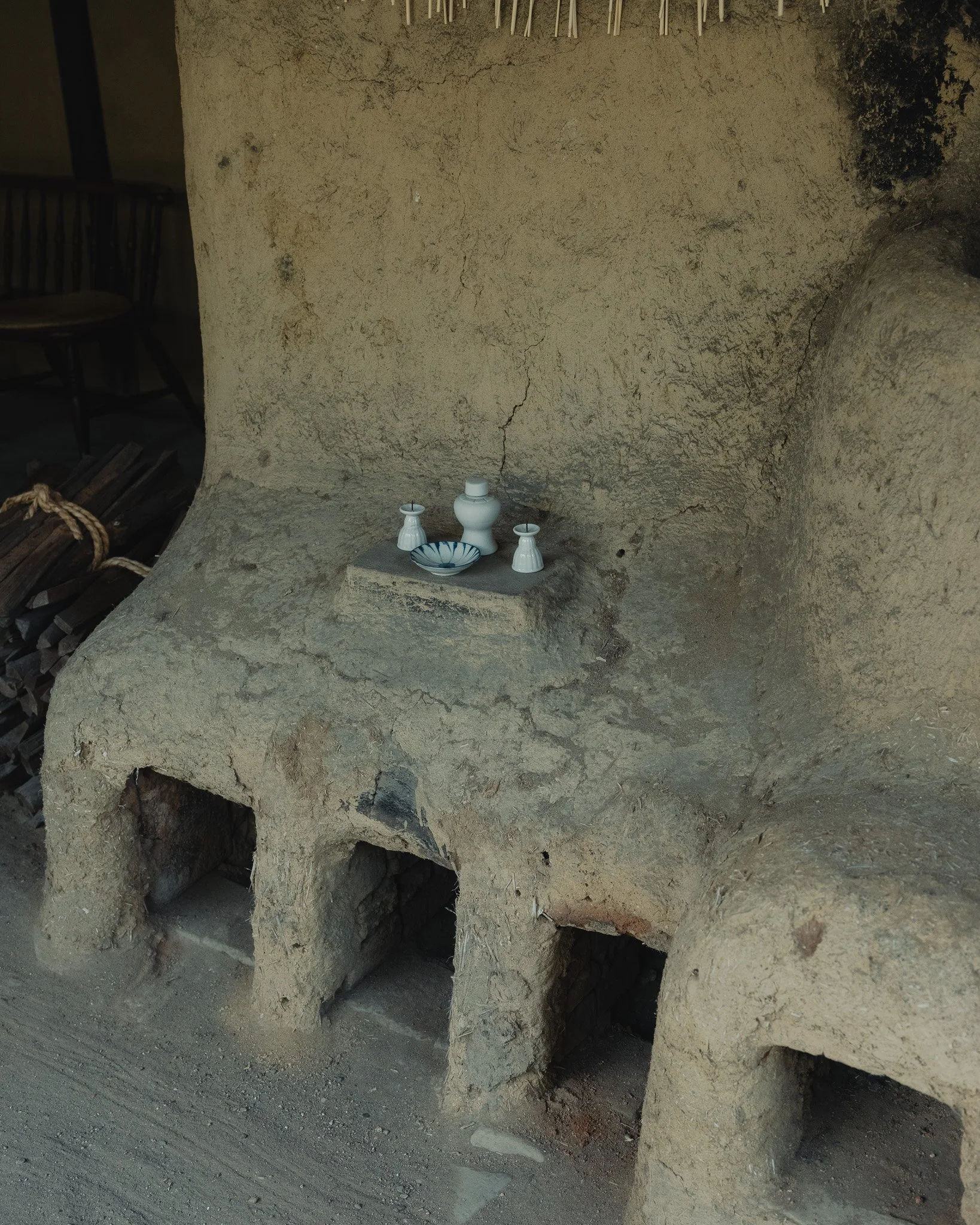
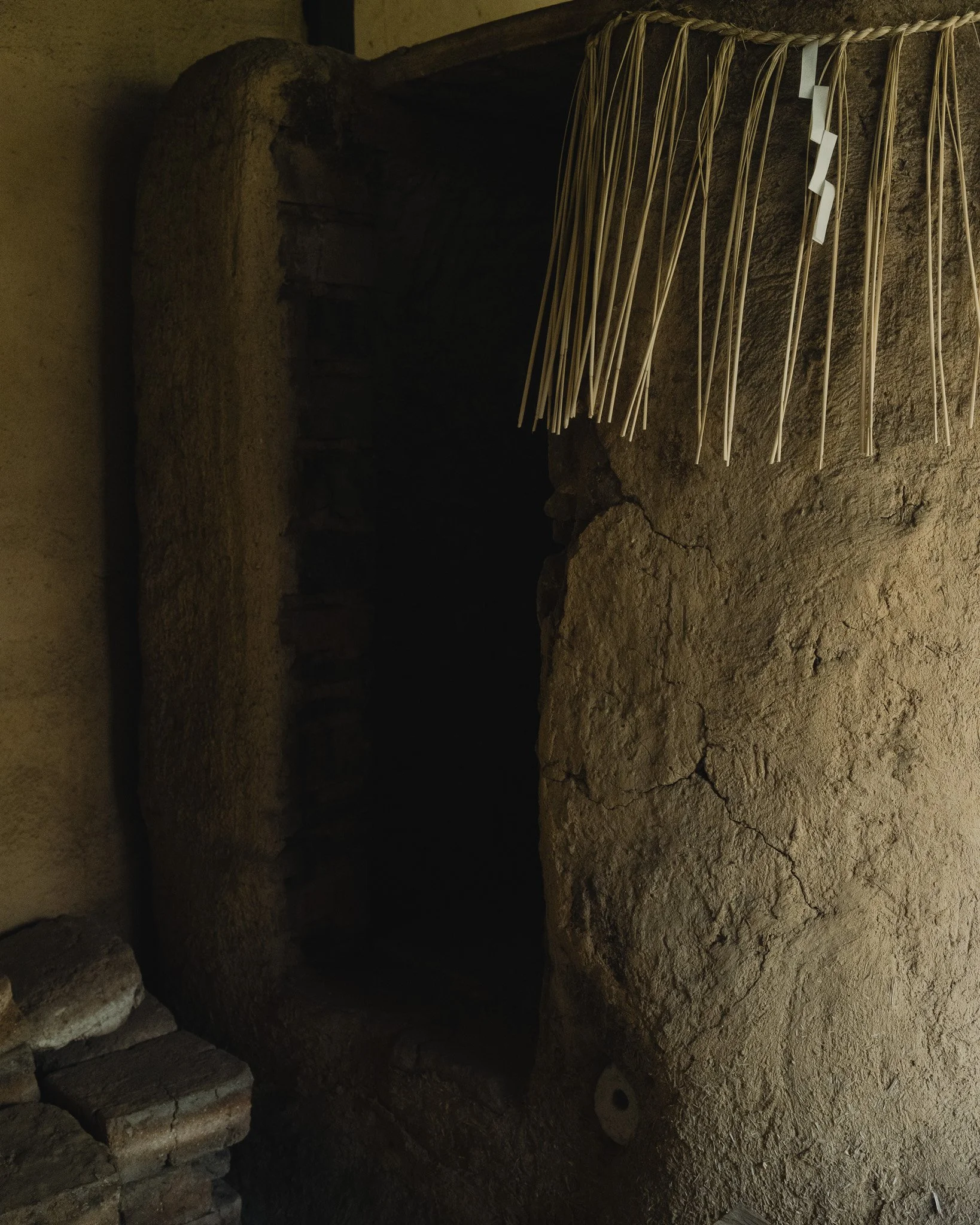
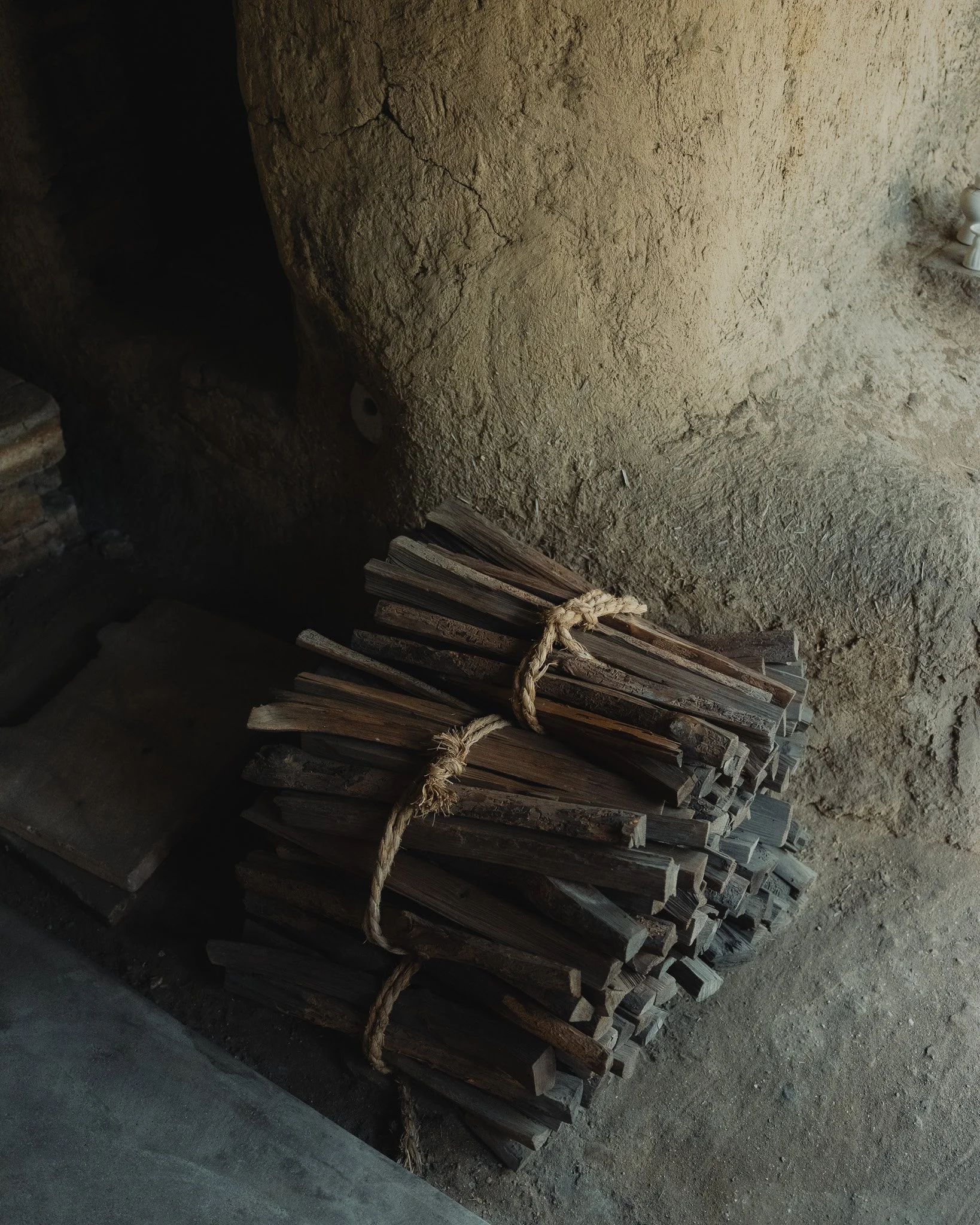
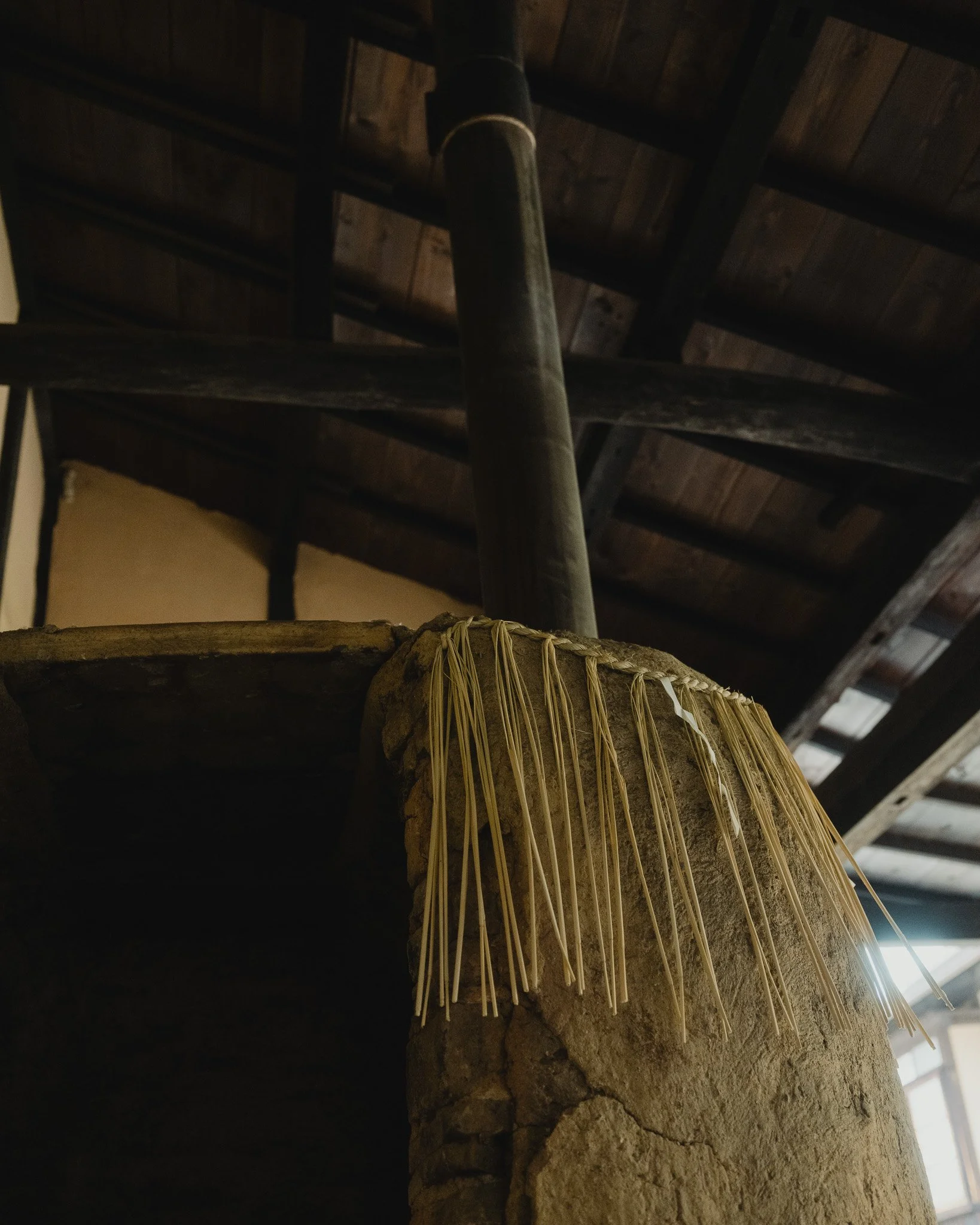
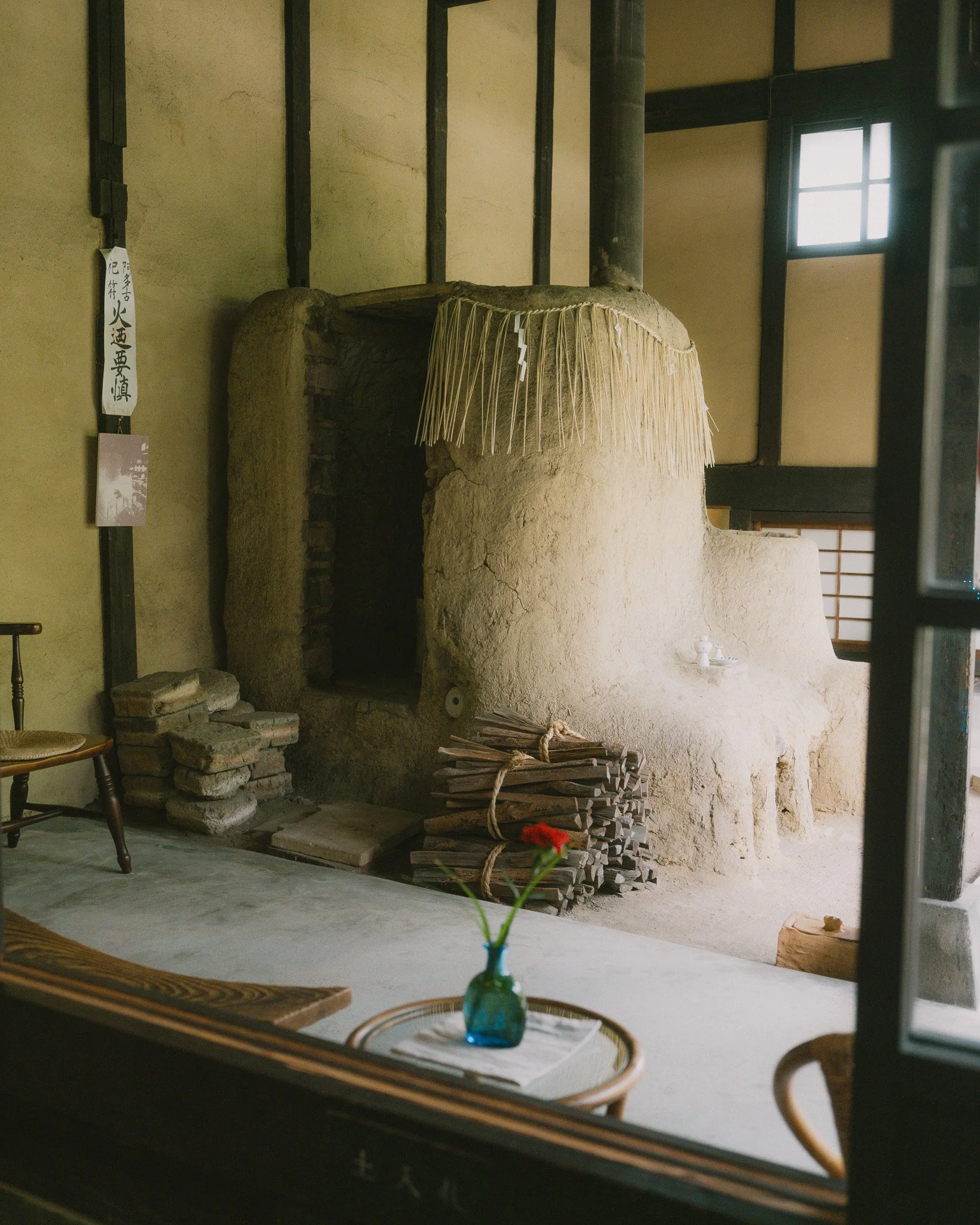
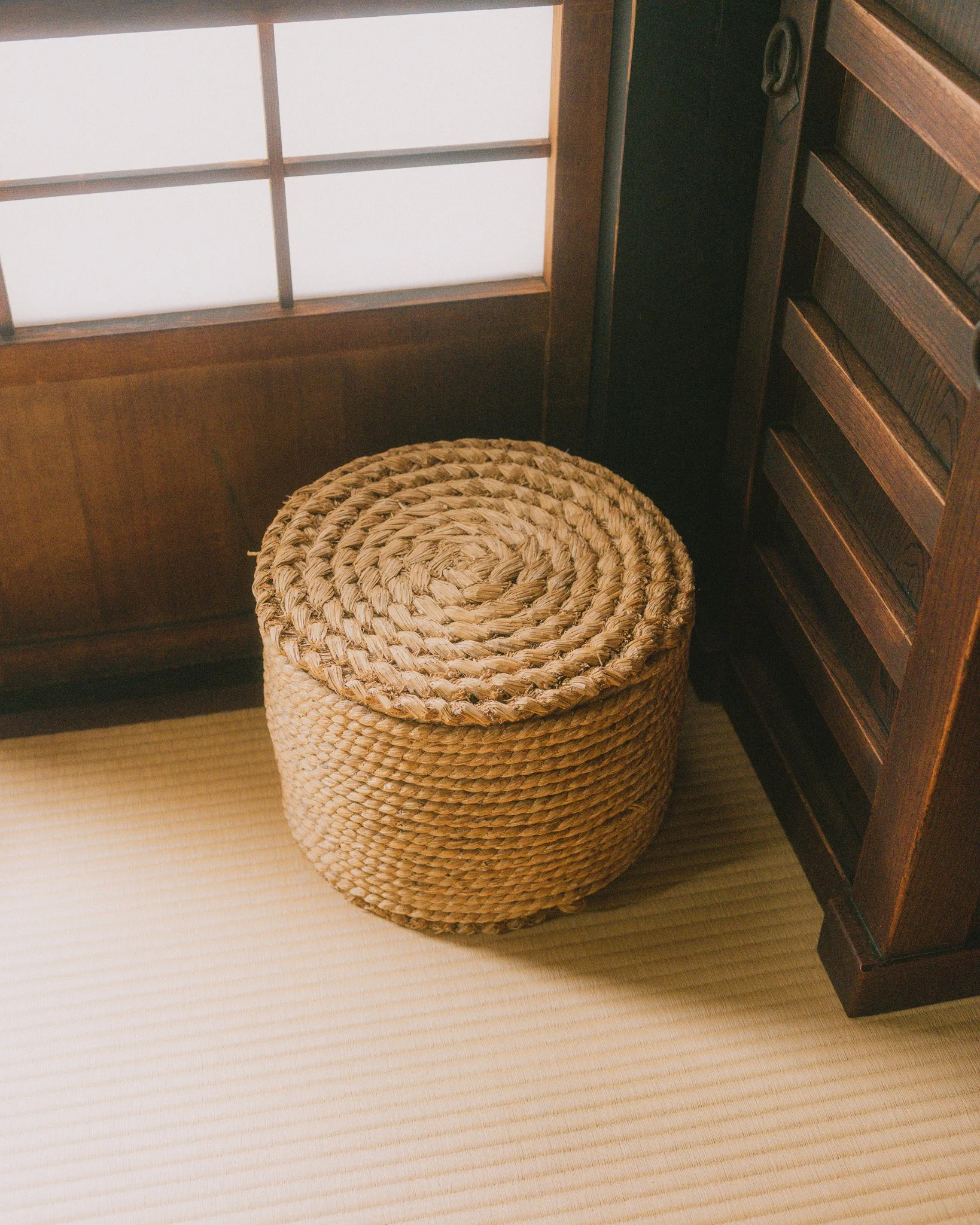
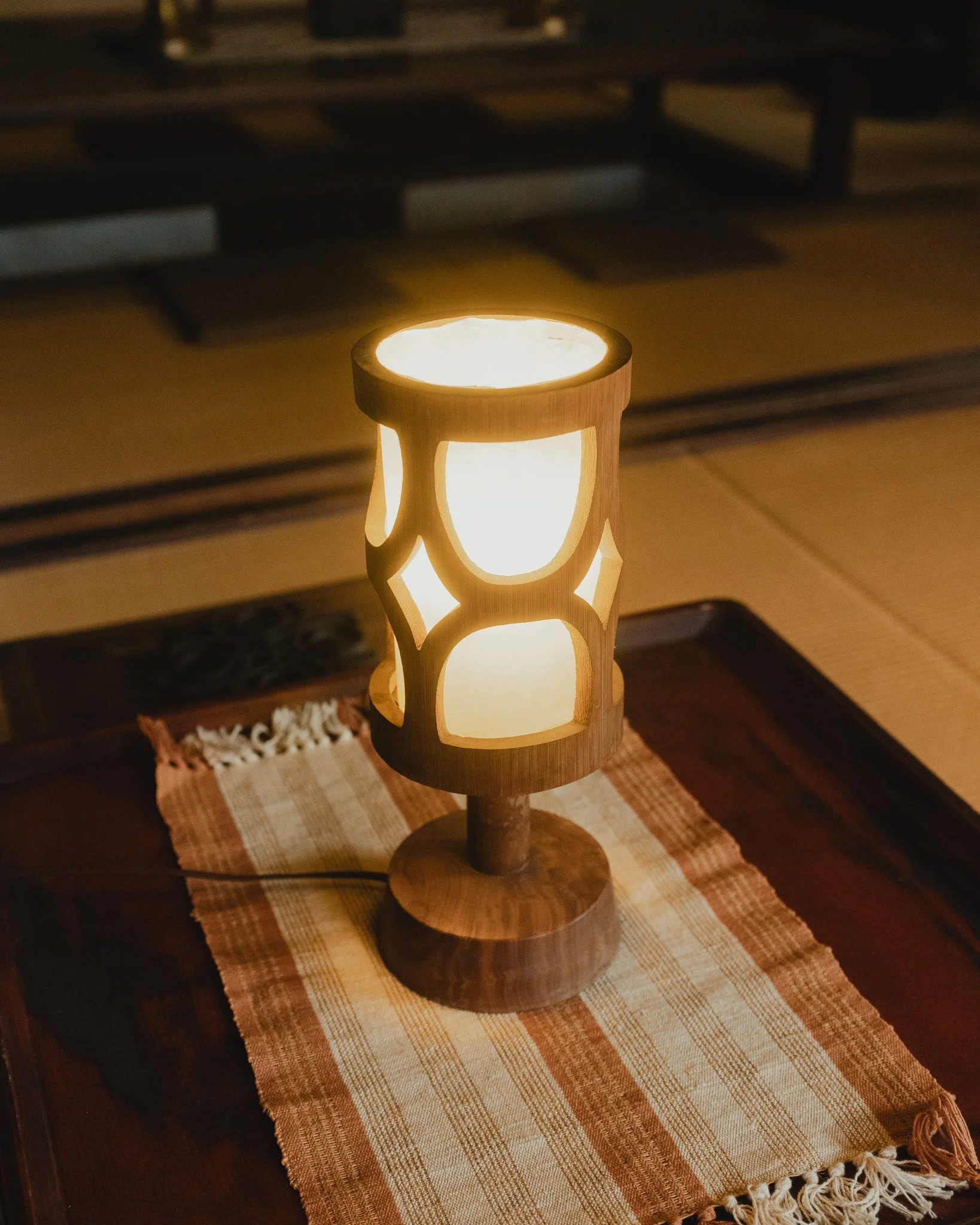
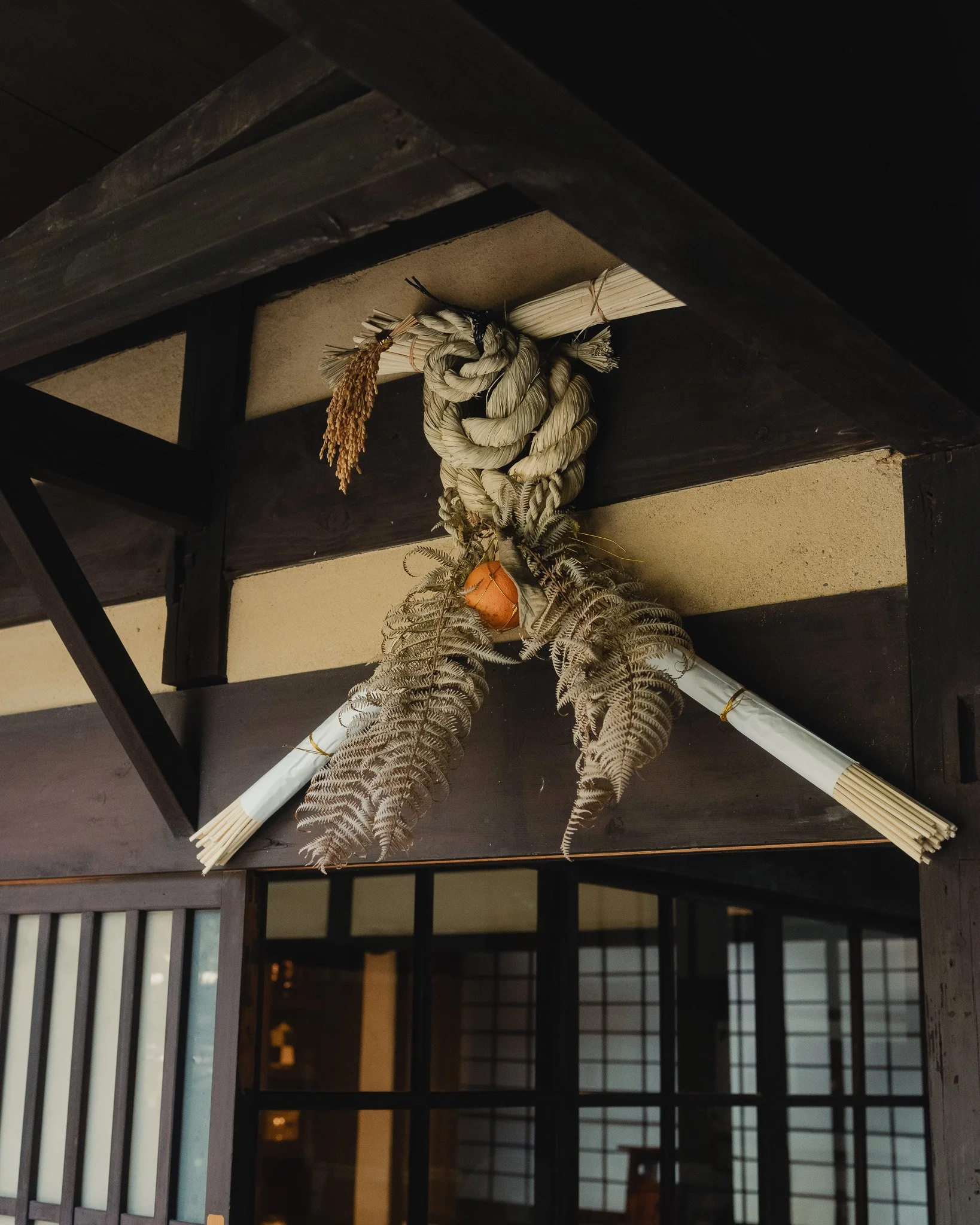
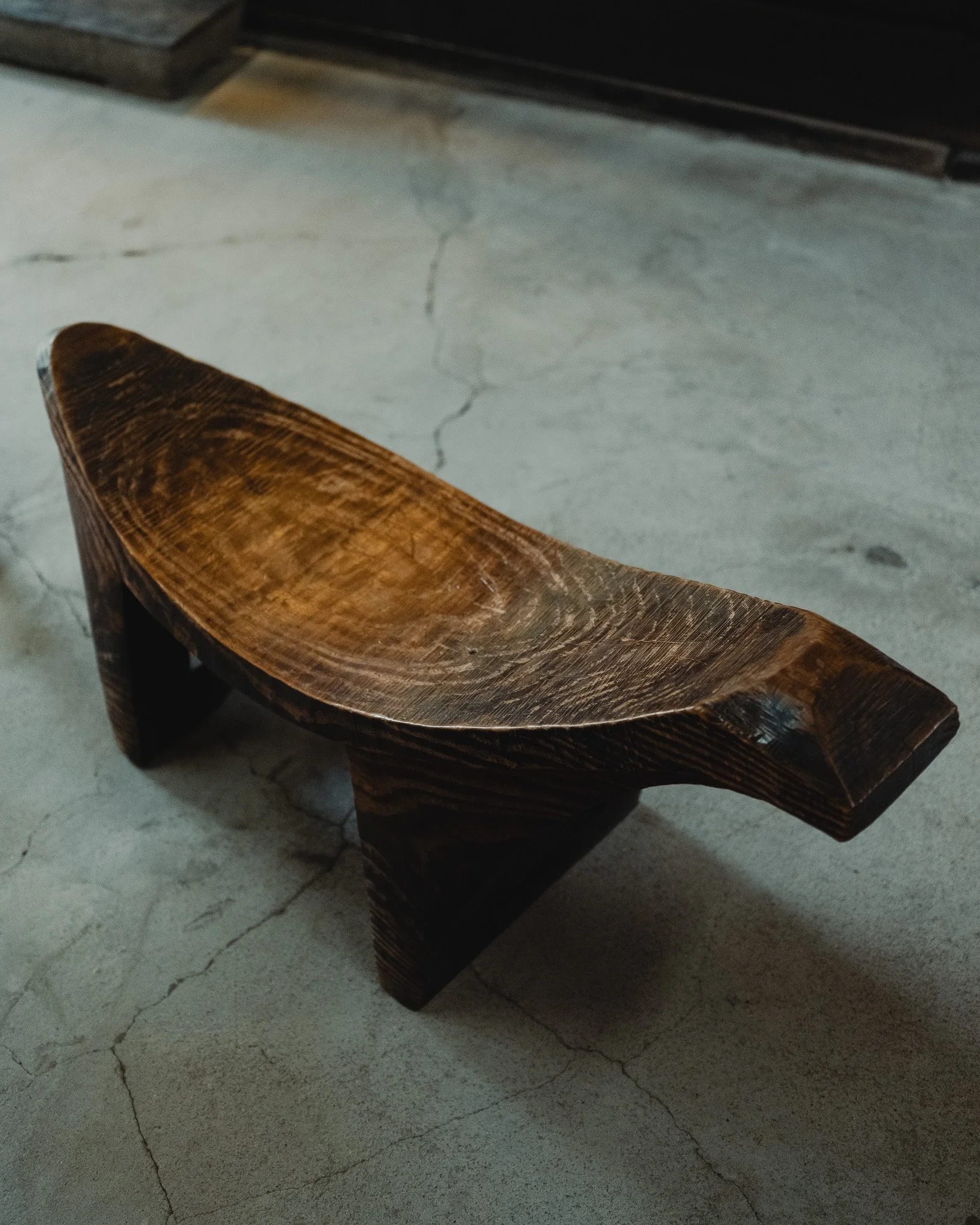
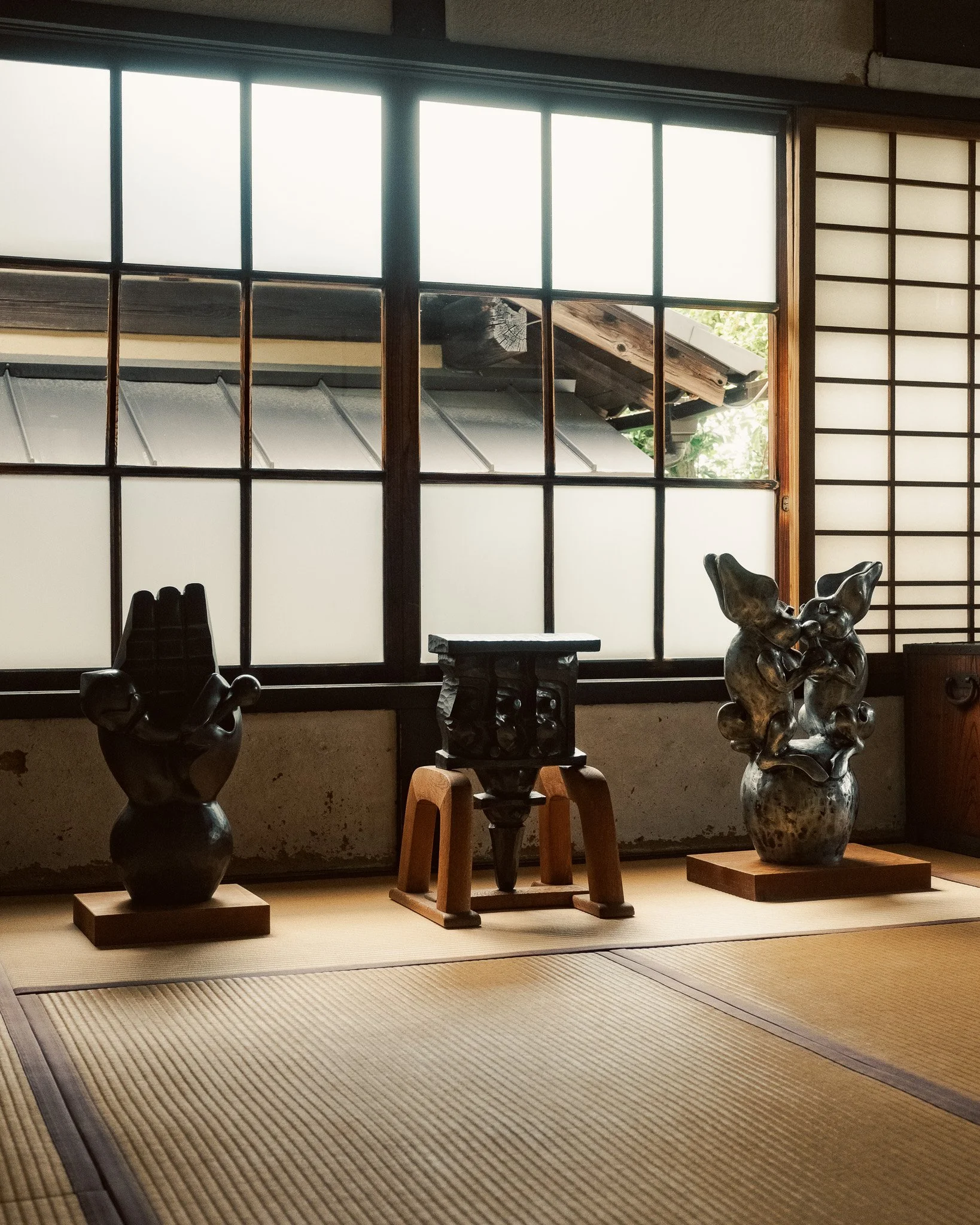
Almost nothing is set apart. Most of his pots stand among the furniture, in the rooms where he actually lived. The chairs are his own design, solid wood with seats woven from rush, borrowing the logic of the English Windsor chair but rebuilt for a Japanese body. One stool is simply an old rice mortar he decided to sit on. They were made to be used and to be touched, and the wood now holds the warmth of decades of hands. At the heart of the house is the sunken hearth where guests once gathered around the fire, and in the kitchen a great clay oven rises beneath a sacred straw rope, as if cooking and eating were small daily rites, which for him they were. Eat your rice while it is hot, he liked to say.
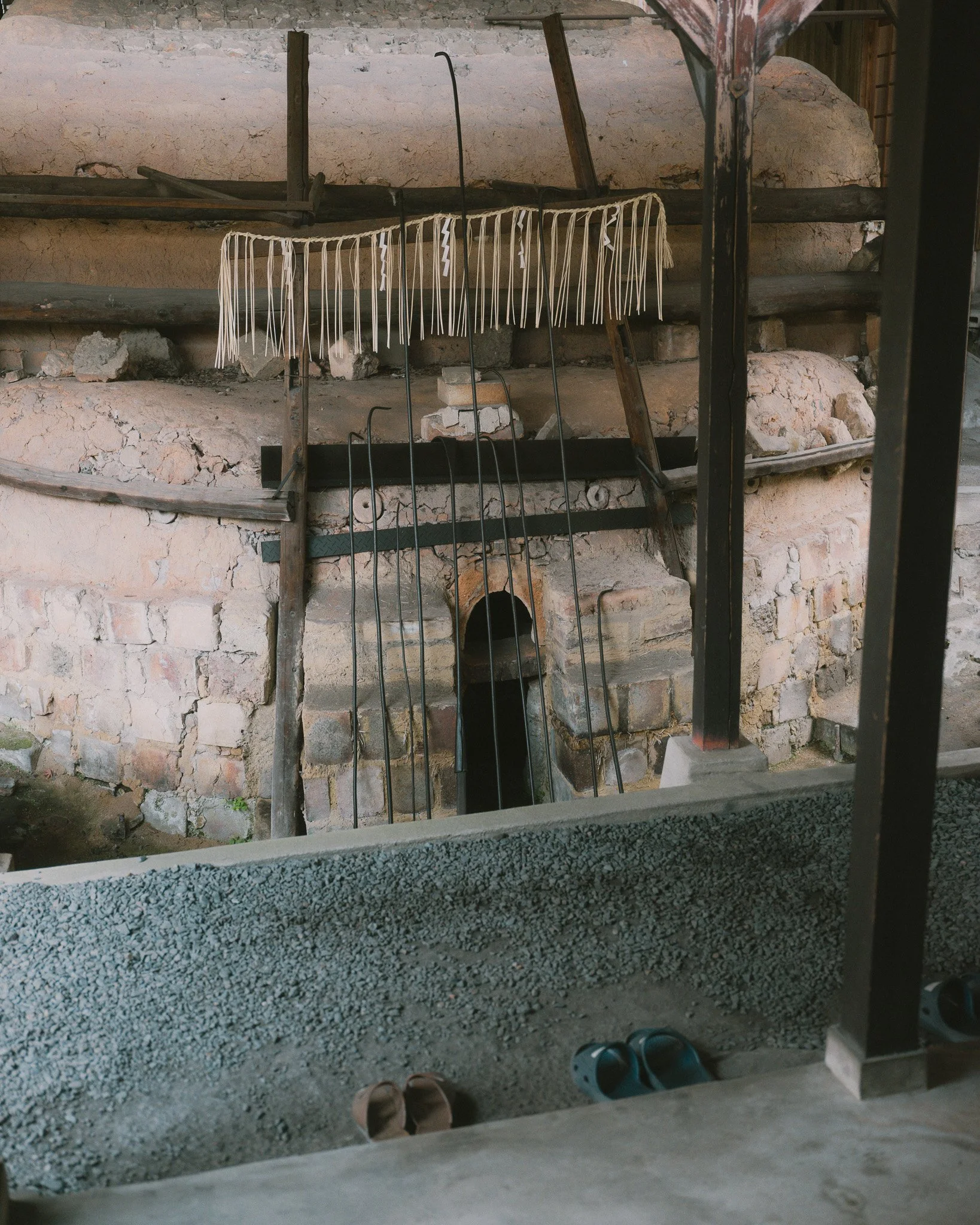
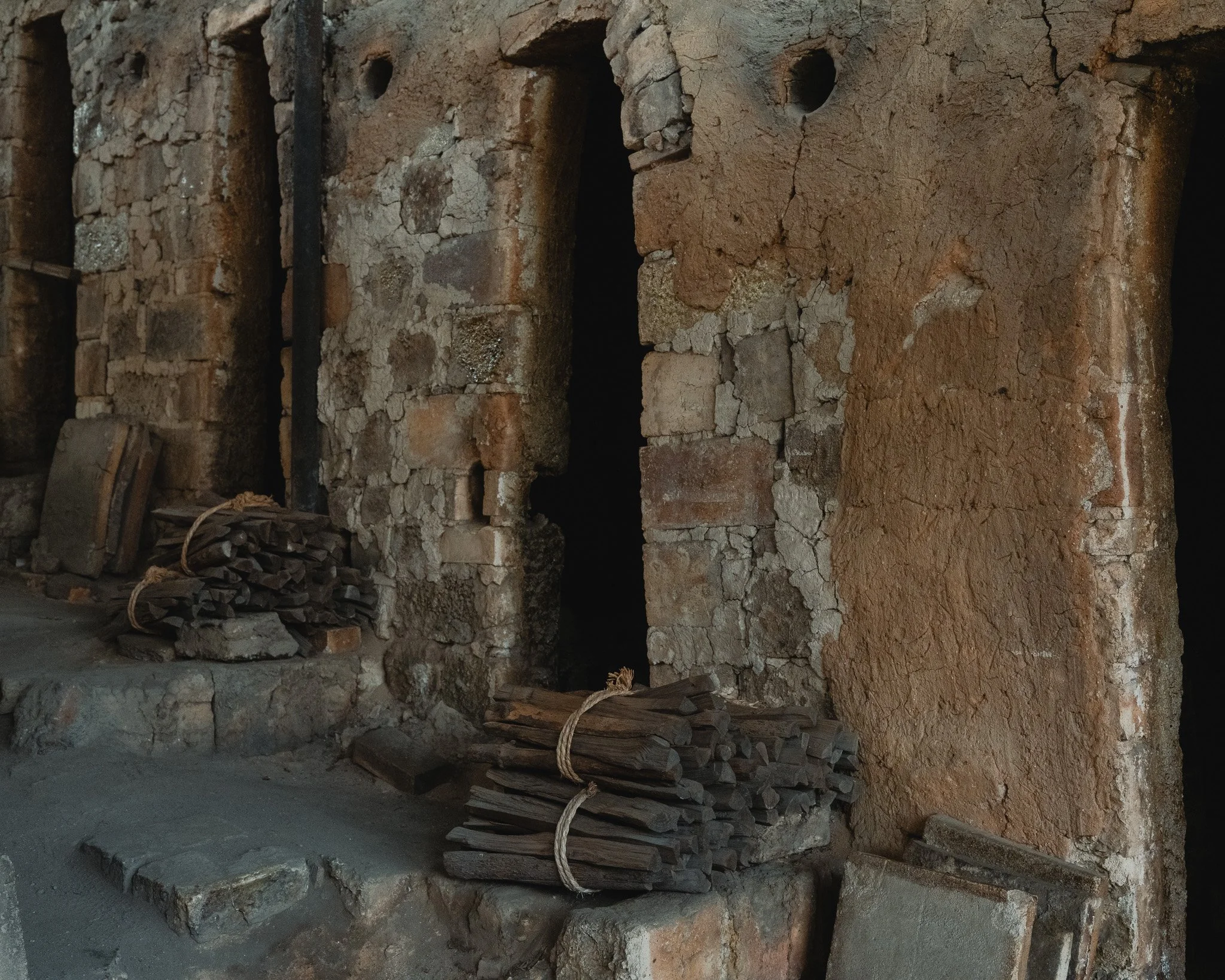
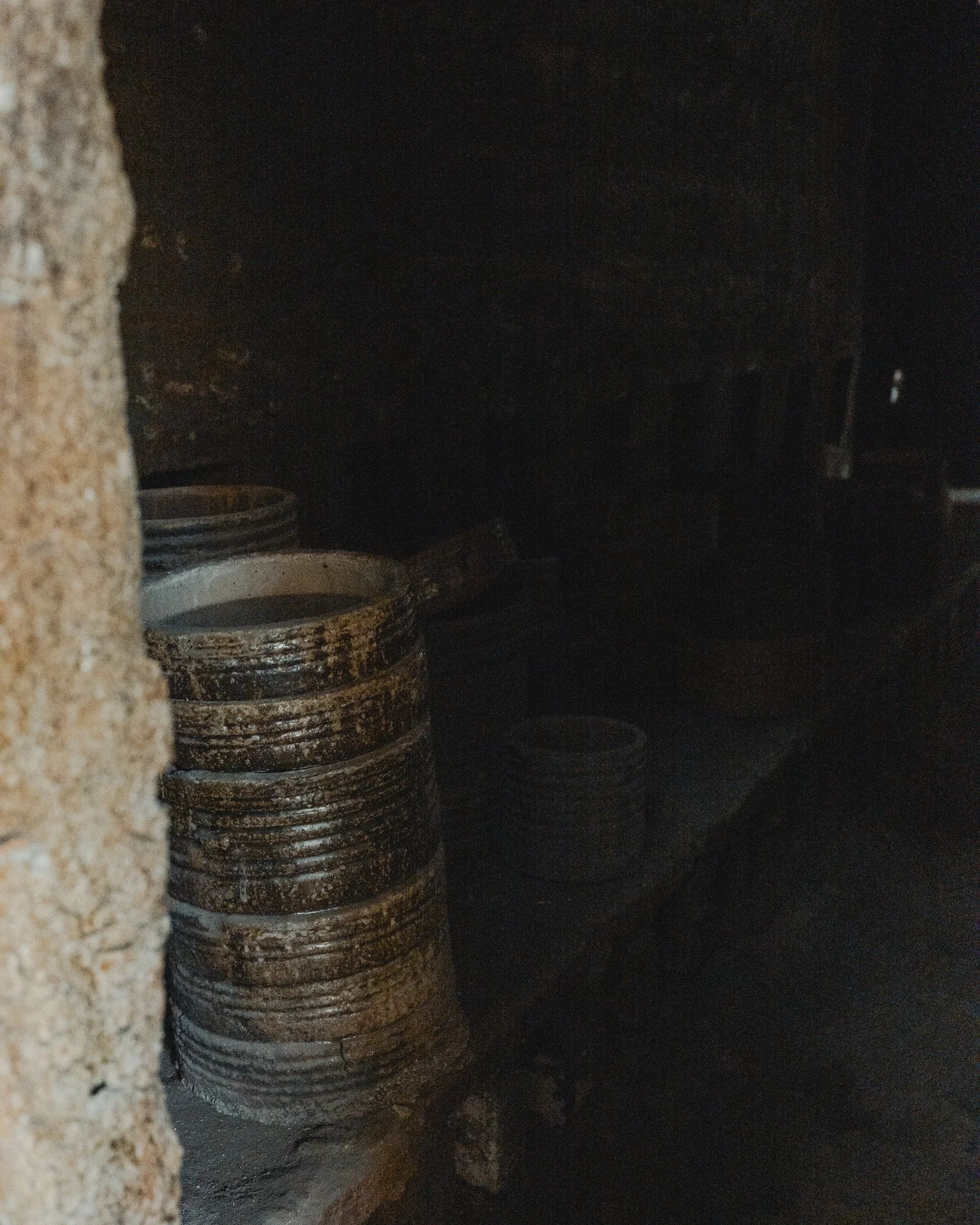
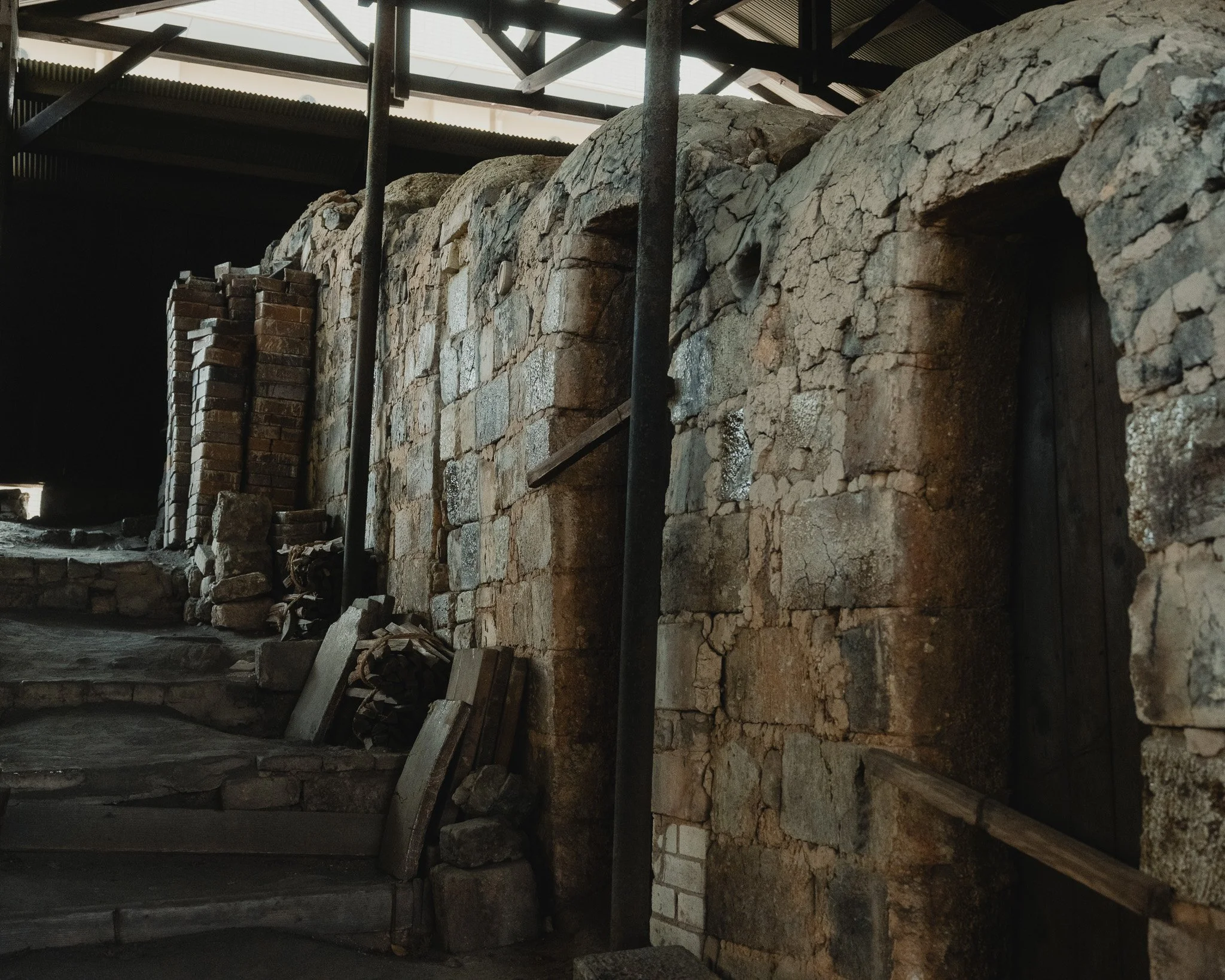
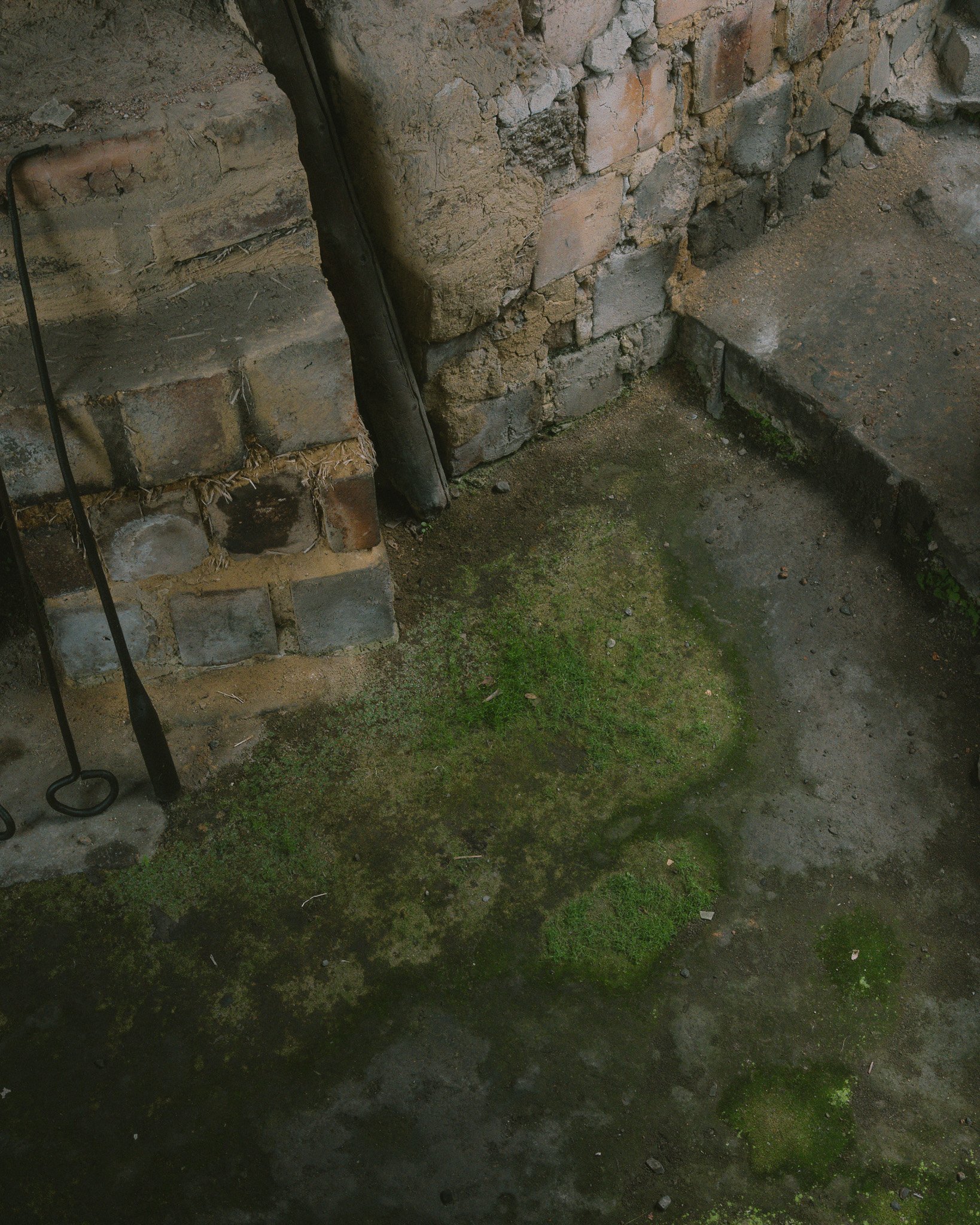
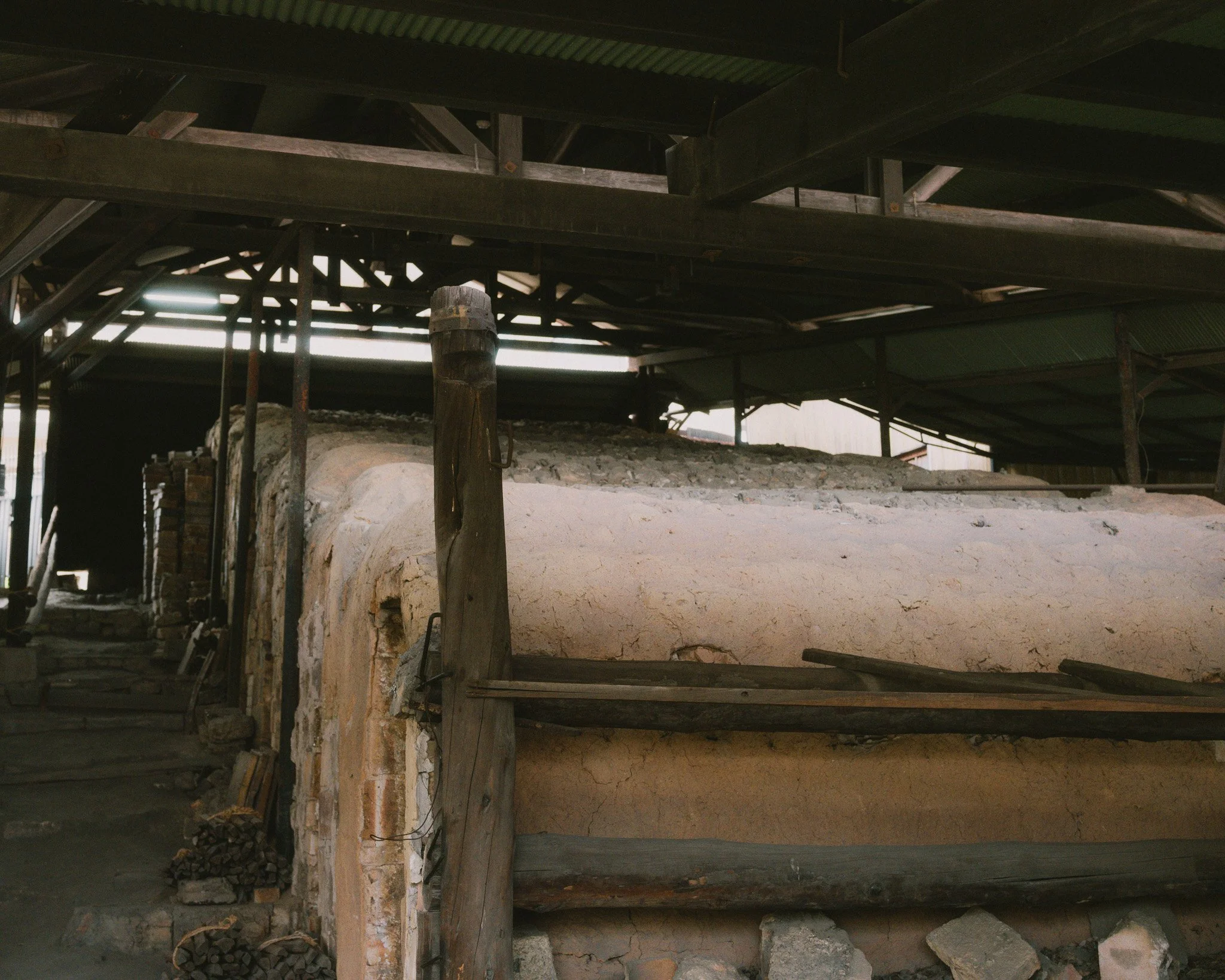
Then the house does something you do not expect. You pass through it, cross a small inner courtyard, and the ground opens into something the narrow street front could never have prepared you for. Climbing the slope behind the house is the reason the whole place exists: a noborigama, a climbing kiln of eight chambers, large enough to fire hundreds of pieces at once. From the front of the house you could never imagine this scale. It is the hidden logic of the Kyoto townhouse, modest at the entrance and unfolding deep into the back, and here it ends in something close to awe.
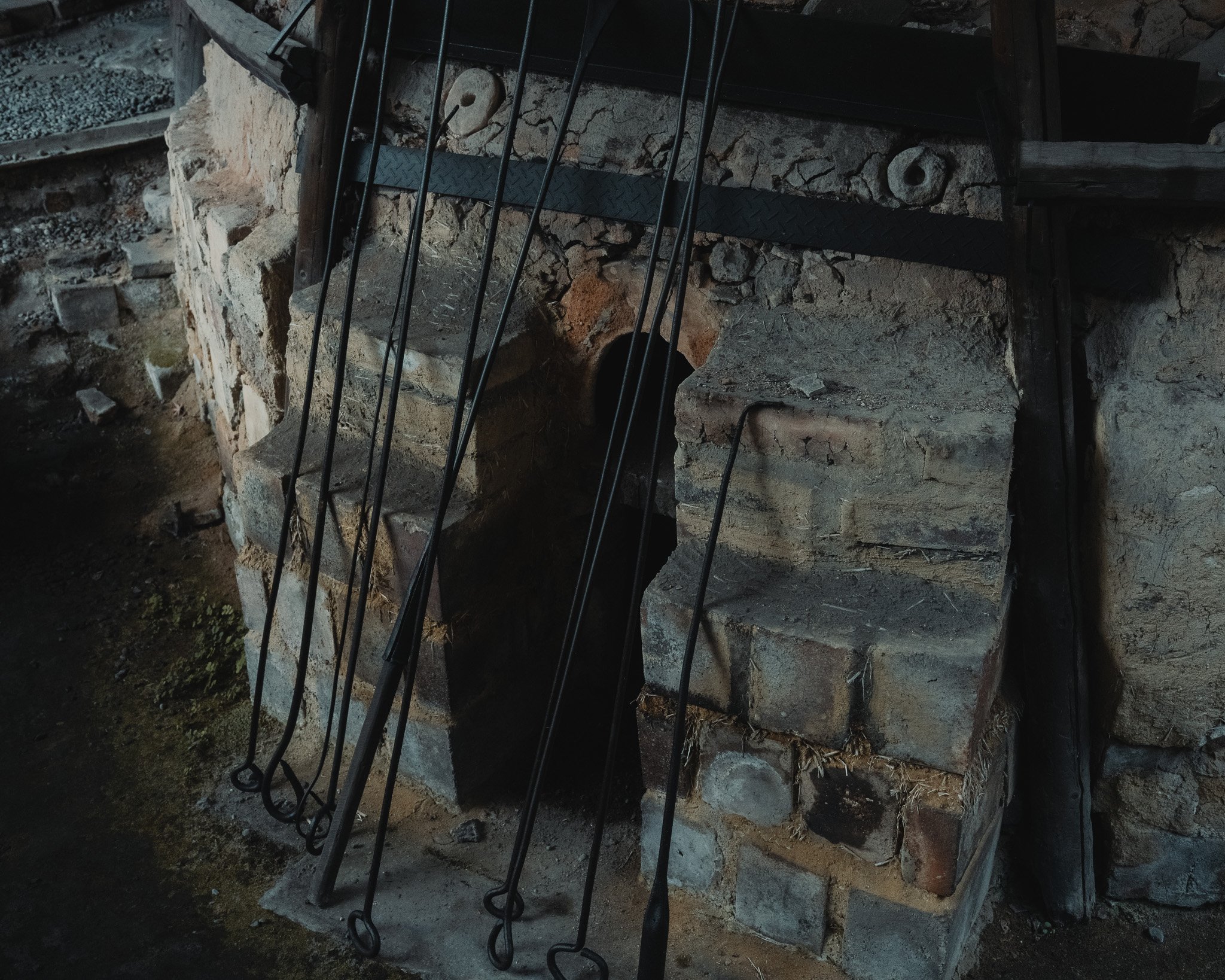
Kawai took the kiln over in 1920 and fired it for nearly half a century. A kiln this size cannot be worked alone. Firing it meant days and nights without sleep, feeding wood to the flames, and it took many hands. Around twenty potters once shared this slope. He was a master, but never a solitary one. Then comes a detail that stays with you: in 1971, five years after Kawai died, the city of Kyoto forbade the use of kilns within its limits, and this fire went out for good. The great oven that shaped half a century of work has been cold ever since.
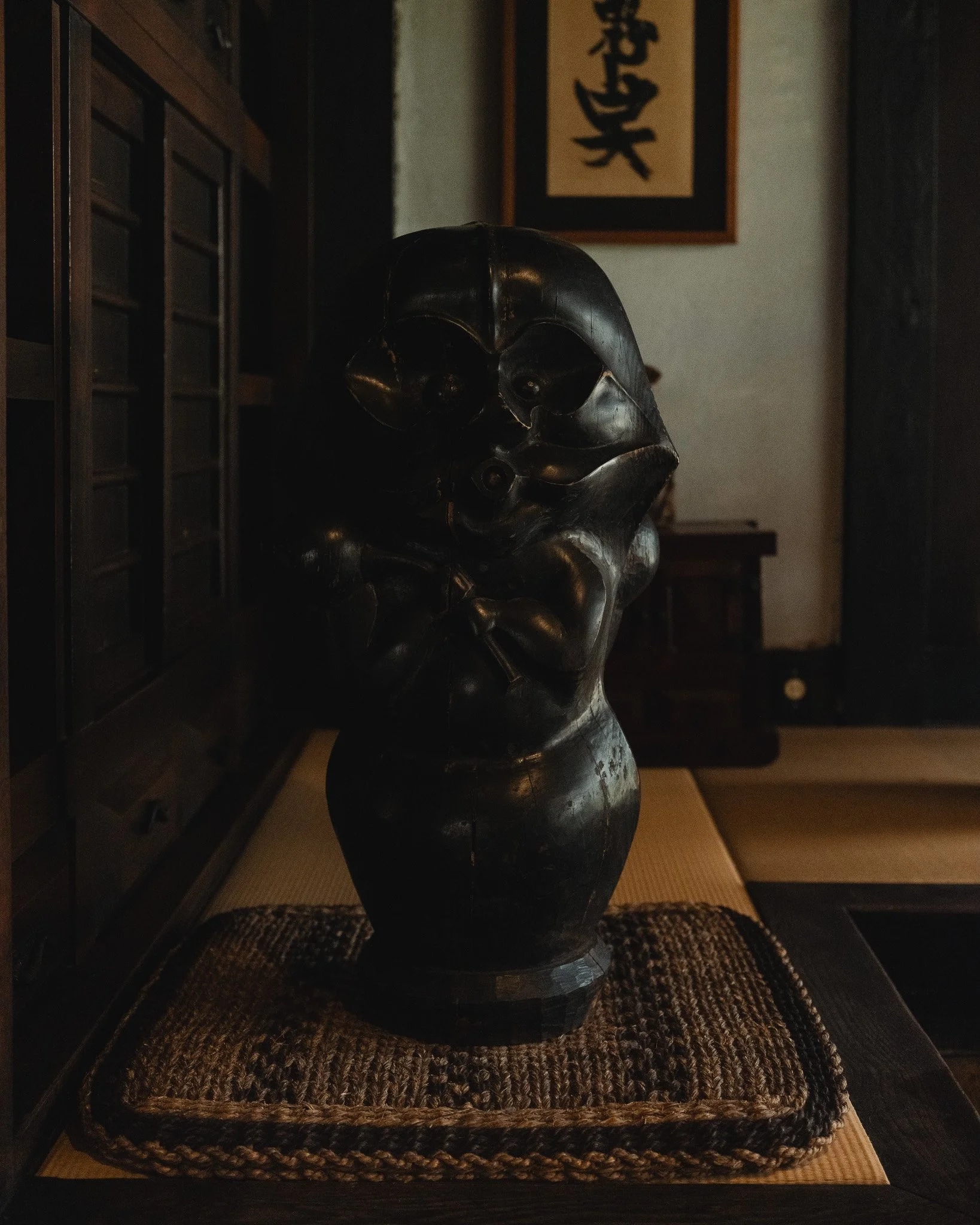
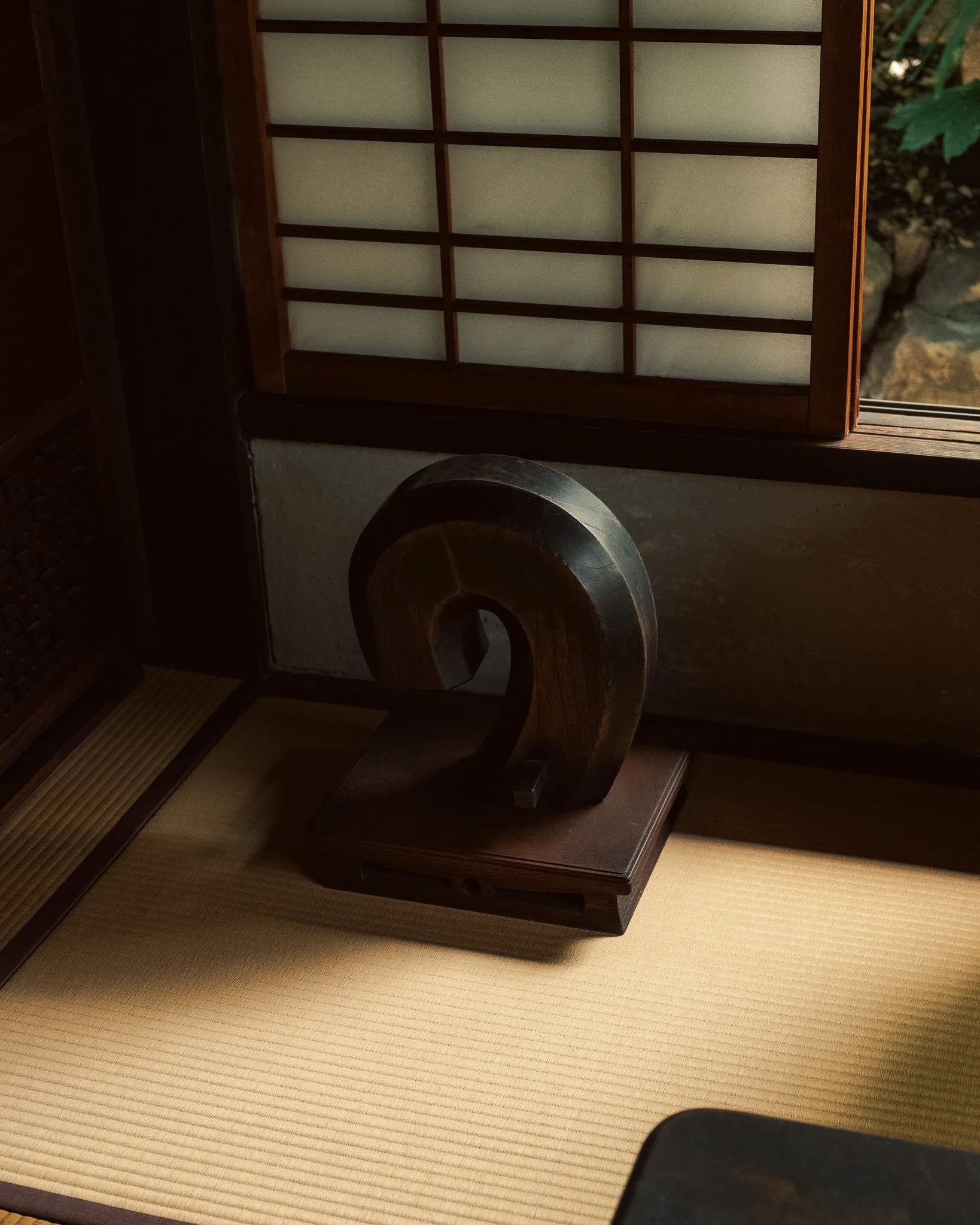
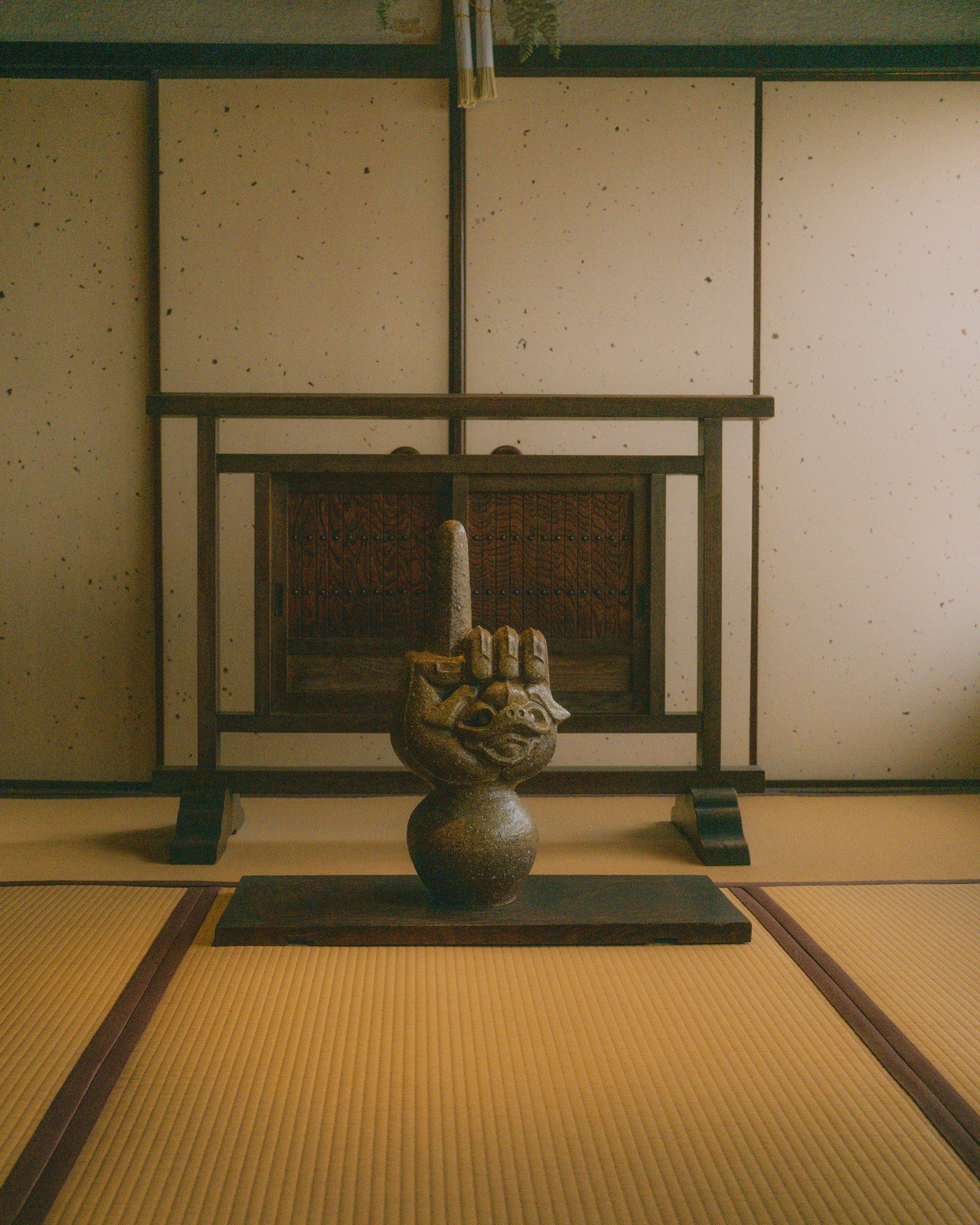
His own work never fell silent, even after it left usefulness behind. After the war, in his sixties and seventies, Kawai threw himself into wood carving, producing a remarkable body of sculpture built around two motifs above all: the hand and the face. The piece shown here is one of his hands. He was devoted to a phrase, shukō-sokushi, "think with the hands, ponder with the feet," and he meant it literally, that we come to understand the world by making and moving through it, not by theory alone. A carved hand like this is that belief given a body. He wrote throughout the war years too, his words later printed alongside the wild woodblock prints of his friend Munakata Shikō, and he carved his own sayings into wooden boards and hung them through the house, until the building itself seems to murmur his philosophy. One of them reads, more or less: this world is where I came to find myself.
The house opened to the public in 1973 and is still kept by his family, almost exactly as he left it. You can sit in his chairs. You can stand in the cold mouth of the kiln. If you ever find yourself in Kyoto, a short walk up from the Gojō bridge, it may be one of the few museums in the world that asks you not to look, but to feel.
Kawai left one more line we think about often. When you buy a thing, he said, you buy yourself, meaning that what a person chooses to keep quietly reveals who they are. That is the spirit in which we hold this archive. We are not selling decoration. We are passing on objects made to be lived with, by hands that wanted no credit, to people willing to keep them alive a while longer. Choose one, and in Kawai's sense, you are choosing a little of yourself.