【 The Concept 】
The Harbinger of Perpetual Prosperity.
This silent artifact represents the first of the twelve animals in the East Asian zodiac cycle: the Rat (子 - Ne). In Western perception, the rodent is often marginalized, but in the Mingei tradition of Northern Japan, it is a sacred messenger of Daikokuten (the God of Wealth and Harvest). Its immense reproductive power has made it a symbol of "Infinite Succession" and "Flourishing Lineage" for over a millennium.
Designed during the mid-Showa era, this anonymous piece transforms ancient folklore into a modernist silhouette. Its fluid, organic lines—from the rounded snout to the tapering tail—strip away ornamental noise, leaving only the essential "spirit" of the creature captured in the gravity of cast iron.
【 The Function 】
A Multi-Functional Sentinel of the Workspace.
Beyond its quiet presence, this object possesses a "hidden trinity" of utilities, characteristic of the Japanese Mitate (repurposing) aesthetic.
The Weight (Bunchin): Despite its compact length of 8.5cm, its mass reaches approx. 235g. It provides the necessary pressure to ground fragile papers against the chaotic winds of modern life.
The Resting Point (Fude-oki): The subtle curve along the spine is ergonomically designed to hold a calligraphy brush or a fountain pen, creating a sanctuary for the tools of intellect.
The Mechanical Pivot (Sen-nuki):The front legs, cast with a precise downward curve, function as a lever designed to lift crown bottle caps — a surprising functional wit concealed in plain sight.
【 Material & Craft 】
The Resonance of 1,400-Degree Molten Gravity.
This specimen originates from the Nambu Tekki tradition of Iwate Prefecture, a lineage of iron casting dating back over 930 years. It is a product of two converging histories: the artistic tea-ceremony culture of Morioka and the rugged utility-driven manufacturing of Oshu.
The piece was created using sand-casting, where molten iron (at approx. 1,400 to 1,500 degrees Celsius) is poured into hand-prepared molds. It has undergone a traditional "Kama-yaki" oxidation process (baking the iron at 800 degrees) to form a natural protective layer against rust. The surface is finished with a deep brownish-amber lacquer, achieved by baking natural resins onto the heated metal, resulting in a Patina that will only deepen and soften over decades of human touch.
【 Presence 】
A Tactile Anchor for the Digital Mind.
The weight of 235 grams in such a small volume (8.5cm) creates a "tactile shock." For the Cultural Investor whose life is dominated by the weightlessness of digital data, holding this iron rat serves as an grounding ritual. It is a reminder of the physical laws of gravity and the endurance of materials that have survived world wars and industrial shifts.
Whether resting on a walnut desk, a stack of heavy volumes, or a bedside table, this iron zodiac remains a guardian of your personal time and fortune. In Japan, it is said that the Rat resides in houses where wealth accumulates. Place it in your vision to anchor your aspirations.
【 The Concept 】
The Harbinger of Perpetual Prosperity.
This silent artifact represents the first of the twelve animals in the East Asian zodiac cycle: the Rat (子 - Ne). In Western perception, the rodent is often marginalized, but in the Mingei tradition of Northern Japan, it is a sacred messenger of Daikokuten (the God of Wealth and Harvest). Its immense reproductive power has made it a symbol of "Infinite Succession" and "Flourishing Lineage" for over a millennium.
Designed during the mid-Showa era, this anonymous piece transforms ancient folklore into a modernist silhouette. Its fluid, organic lines—from the rounded snout to the tapering tail—strip away ornamental noise, leaving only the essential "spirit" of the creature captured in the gravity of cast iron.
【 The Function 】
A Multi-Functional Sentinel of the Workspace.
Beyond its quiet presence, this object possesses a "hidden trinity" of utilities, characteristic of the Japanese Mitate (repurposing) aesthetic.
The Weight (Bunchin): Despite its compact length of 8.5cm, its mass reaches approx. 235g. It provides the necessary pressure to ground fragile papers against the chaotic winds of modern life.
The Resting Point (Fude-oki): The subtle curve along the spine is ergonomically designed to hold a calligraphy brush or a fountain pen, creating a sanctuary for the tools of intellect.
The Mechanical Pivot (Sen-nuki):The front legs, cast with a precise downward curve, function as a lever designed to lift crown bottle caps — a surprising functional wit concealed in plain sight.
【 Material & Craft 】
The Resonance of 1,400-Degree Molten Gravity.
This specimen originates from the Nambu Tekki tradition of Iwate Prefecture, a lineage of iron casting dating back over 930 years. It is a product of two converging histories: the artistic tea-ceremony culture of Morioka and the rugged utility-driven manufacturing of Oshu.
The piece was created using sand-casting, where molten iron (at approx. 1,400 to 1,500 degrees Celsius) is poured into hand-prepared molds. It has undergone a traditional "Kama-yaki" oxidation process (baking the iron at 800 degrees) to form a natural protective layer against rust. The surface is finished with a deep brownish-amber lacquer, achieved by baking natural resins onto the heated metal, resulting in a Patina that will only deepen and soften over decades of human touch.
【 Presence 】
A Tactile Anchor for the Digital Mind.
The weight of 235 grams in such a small volume (8.5cm) creates a "tactile shock." For the Cultural Investor whose life is dominated by the weightlessness of digital data, holding this iron rat serves as an grounding ritual. It is a reminder of the physical laws of gravity and the endurance of materials that have survived world wars and industrial shifts.
Whether resting on a walnut desk, a stack of heavy volumes, or a bedside table, this iron zodiac remains a guardian of your personal time and fortune. In Japan, it is said that the Rat resides in houses where wealth accumulates. Place it in your vision to anchor your aspirations.


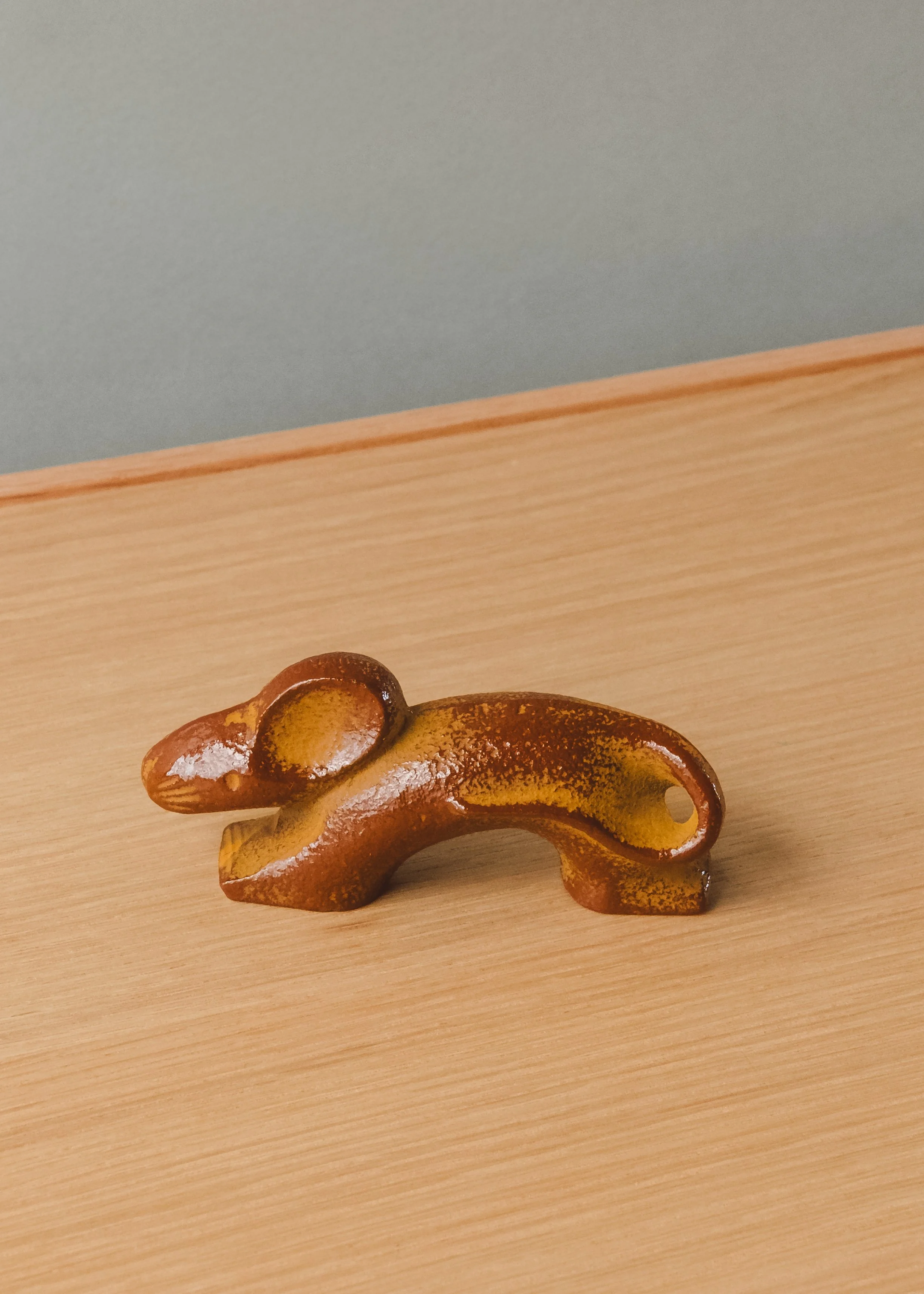 Image 1 of 11
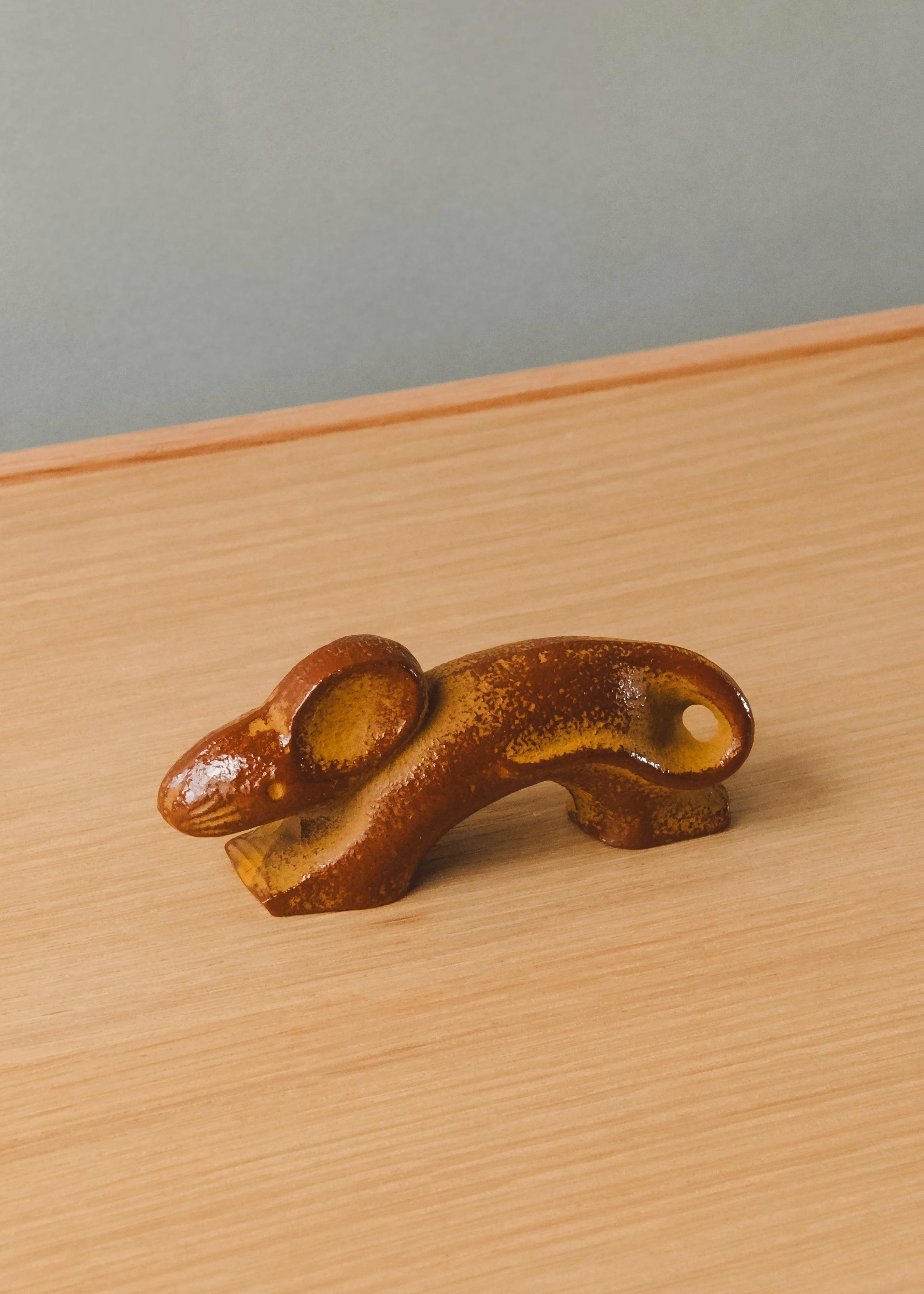 Image 2 of 11
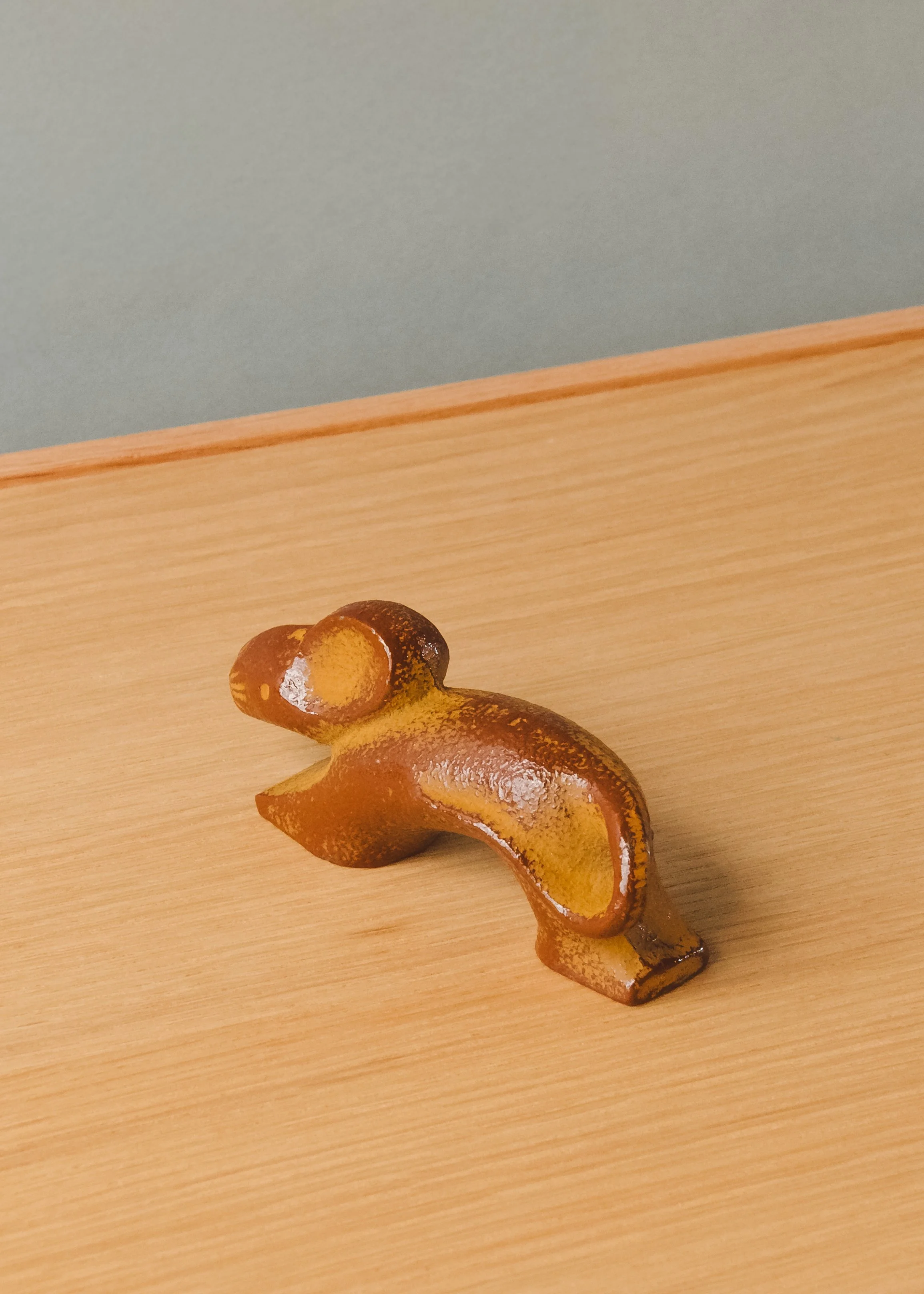 Image 3 of 11
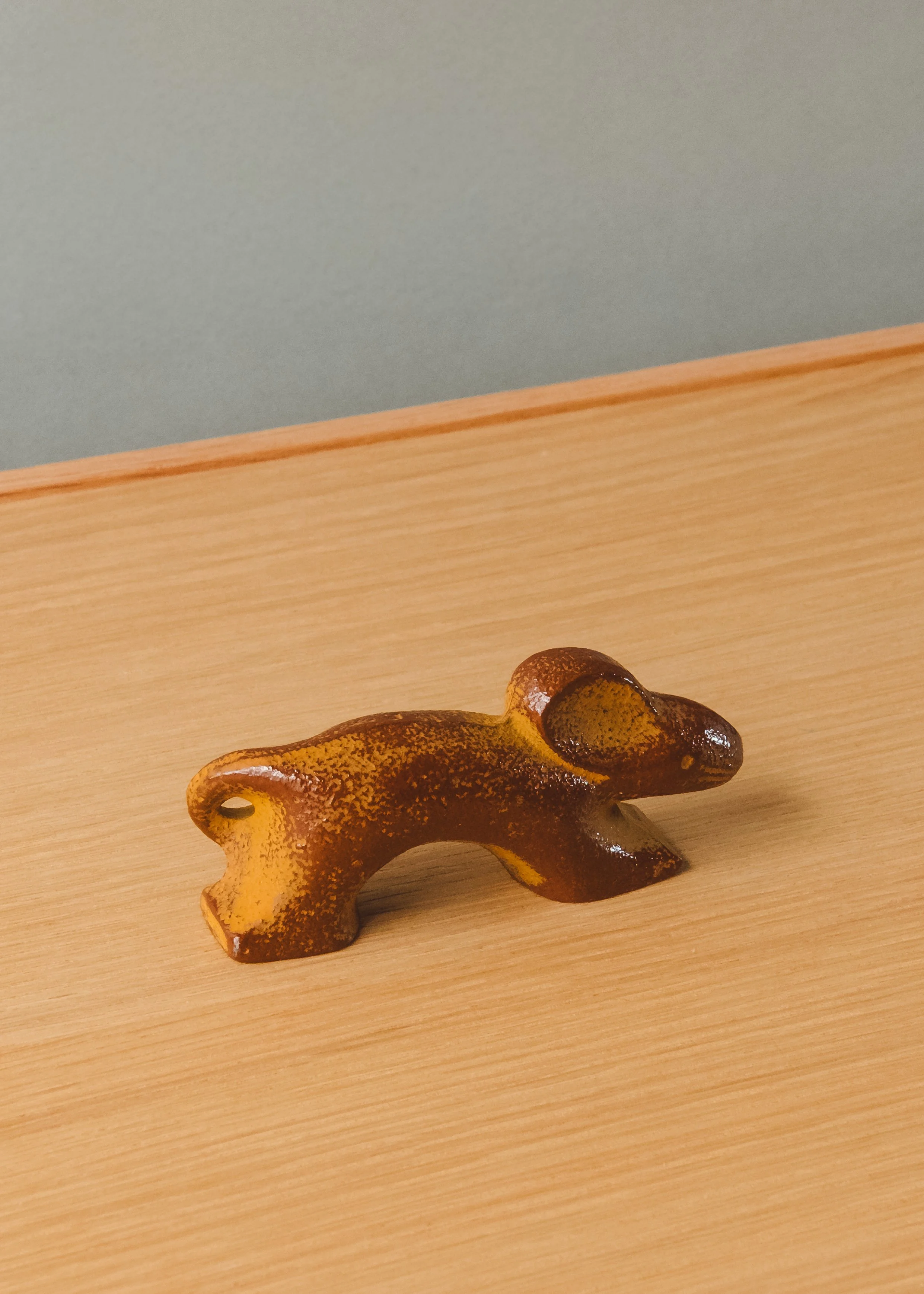 Image 4 of 11
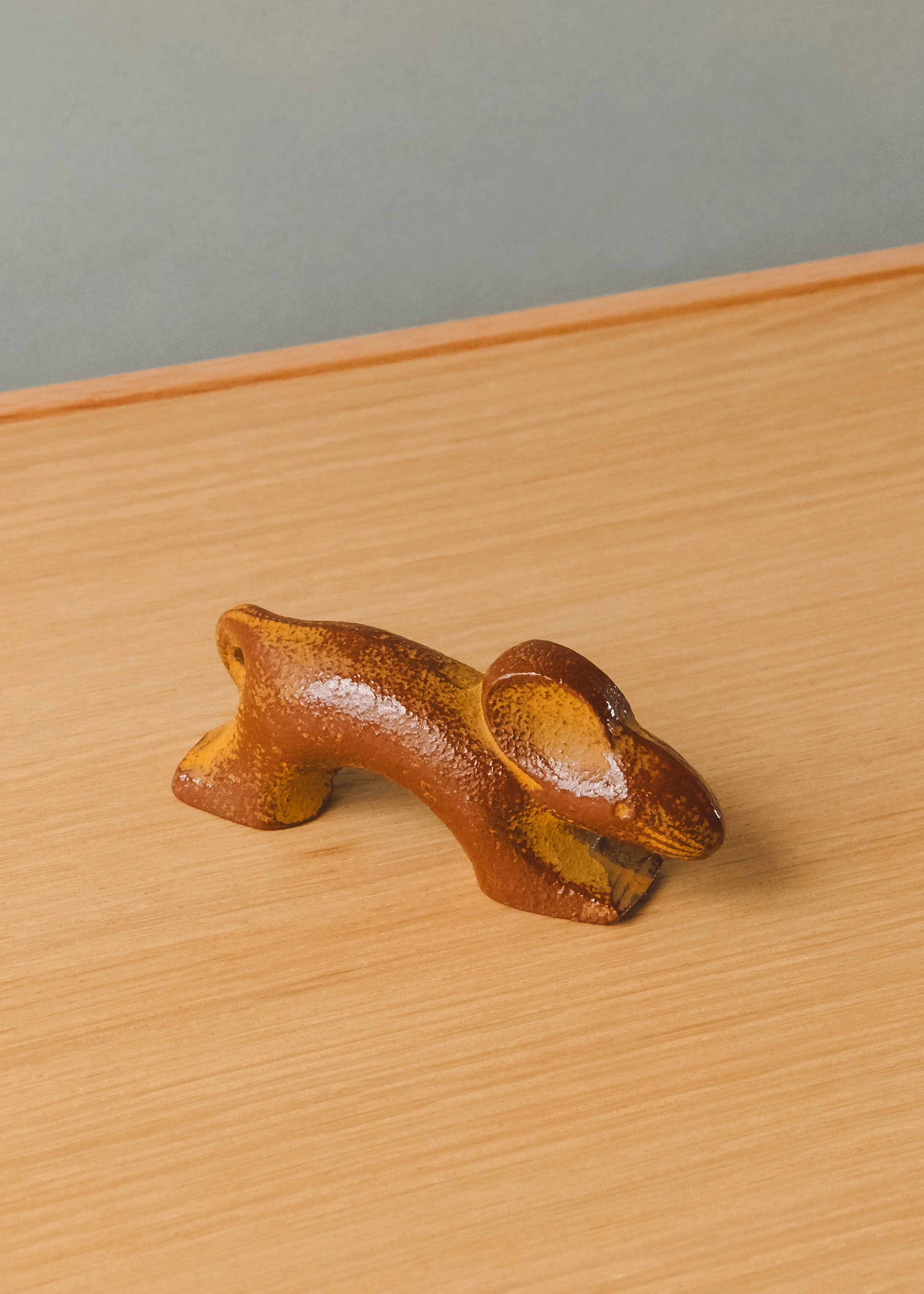 Image 5 of 11
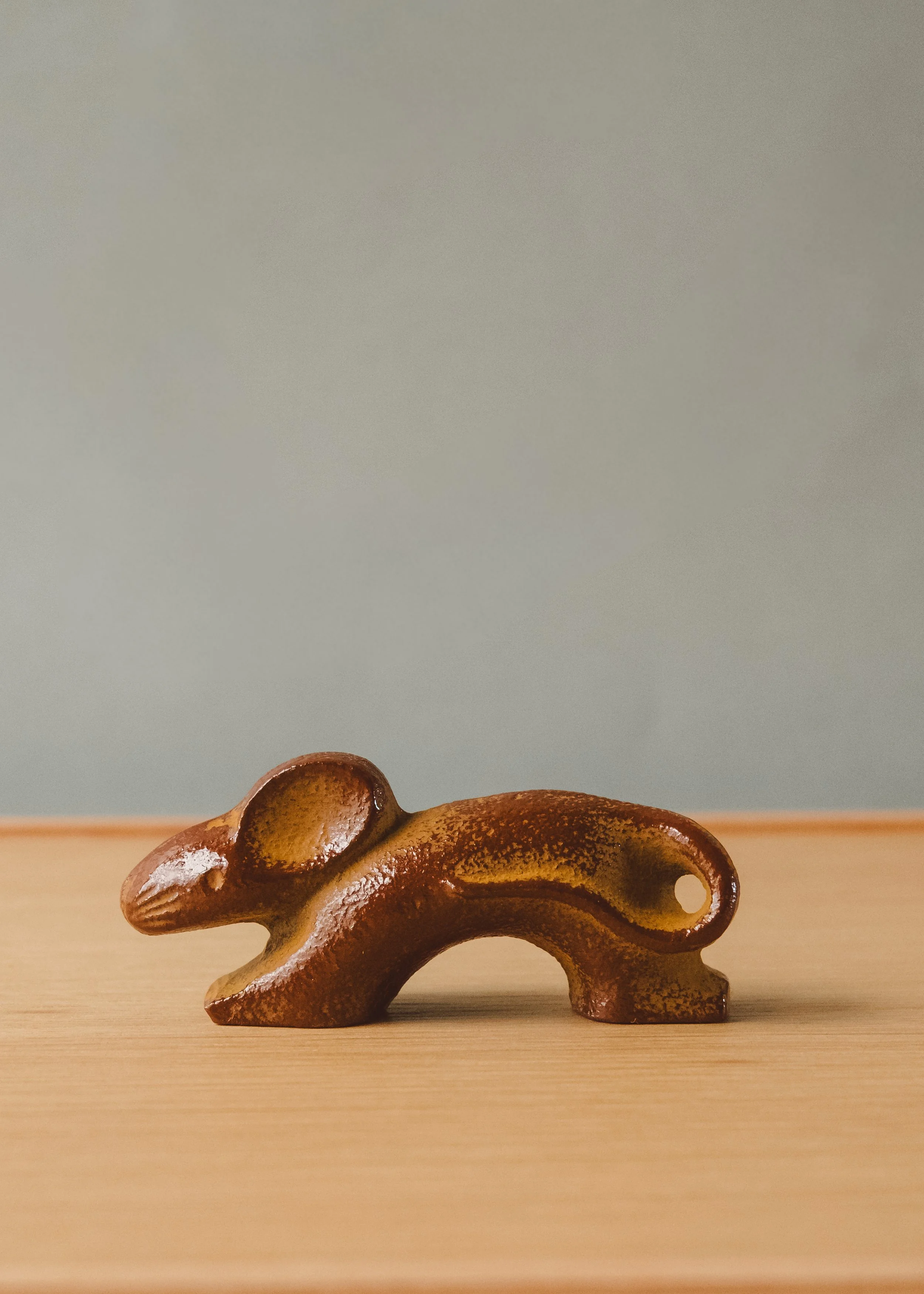 Image 6 of 11
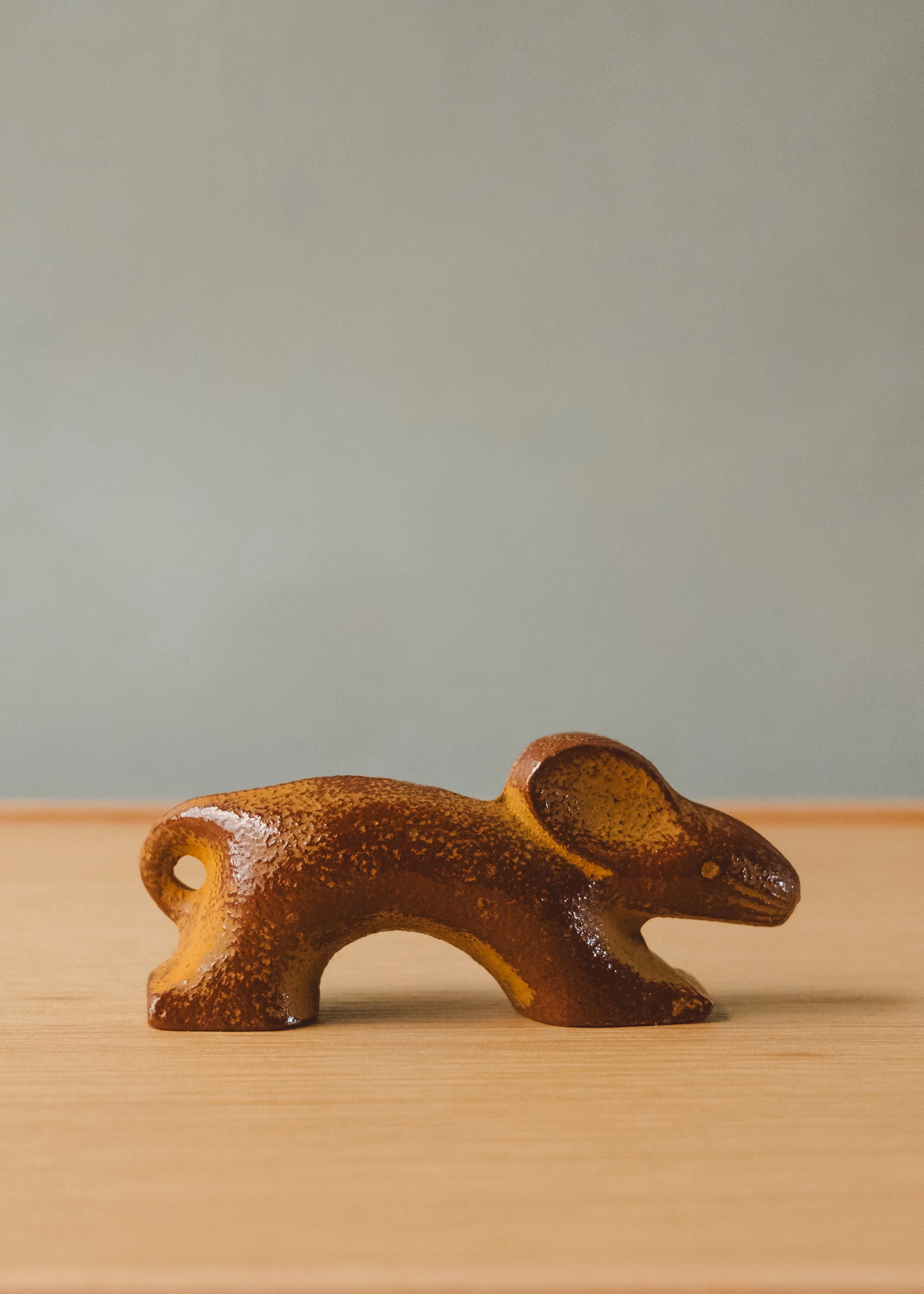 Image 7 of 11
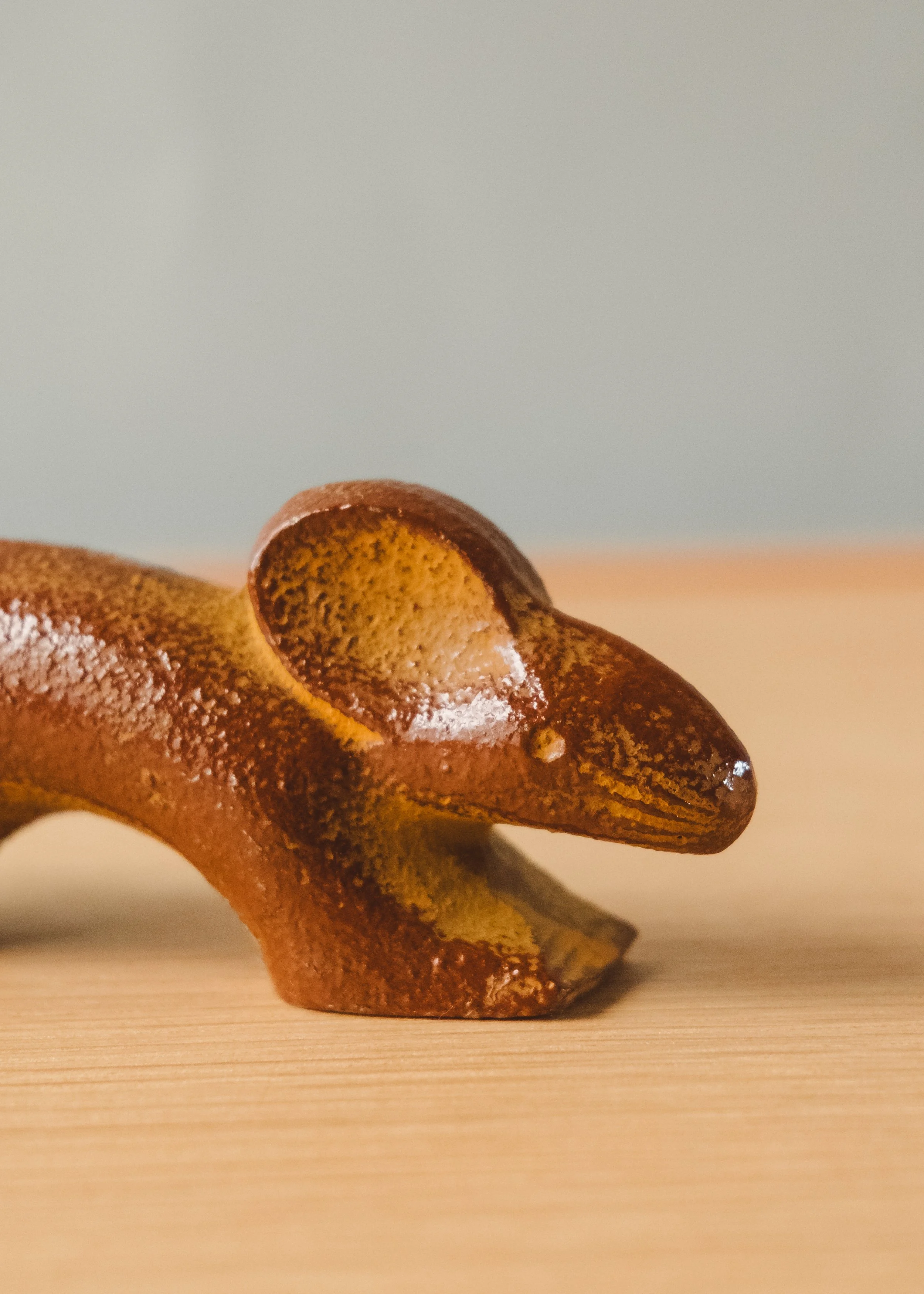 Image 8 of 11
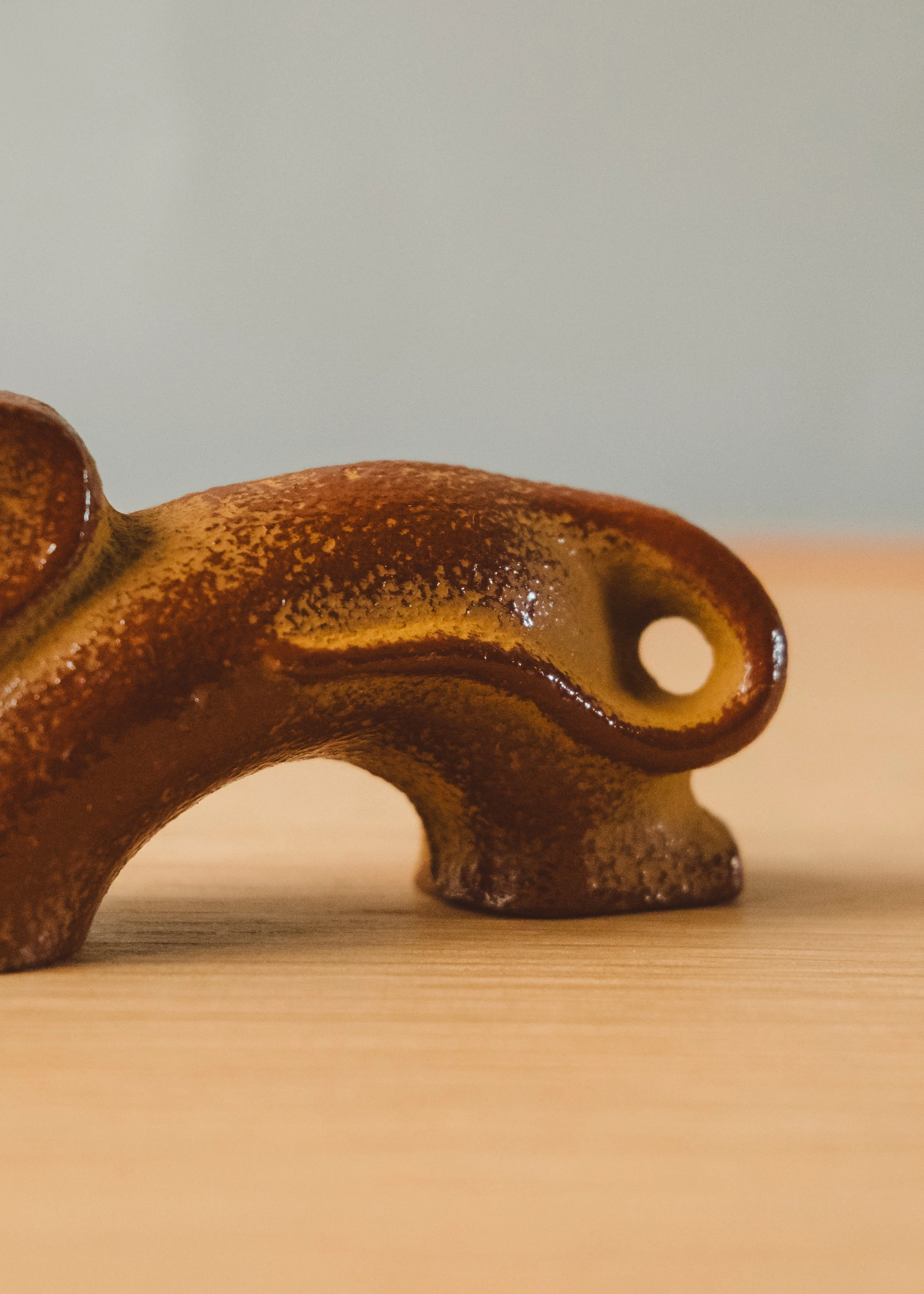 Image 9 of 11
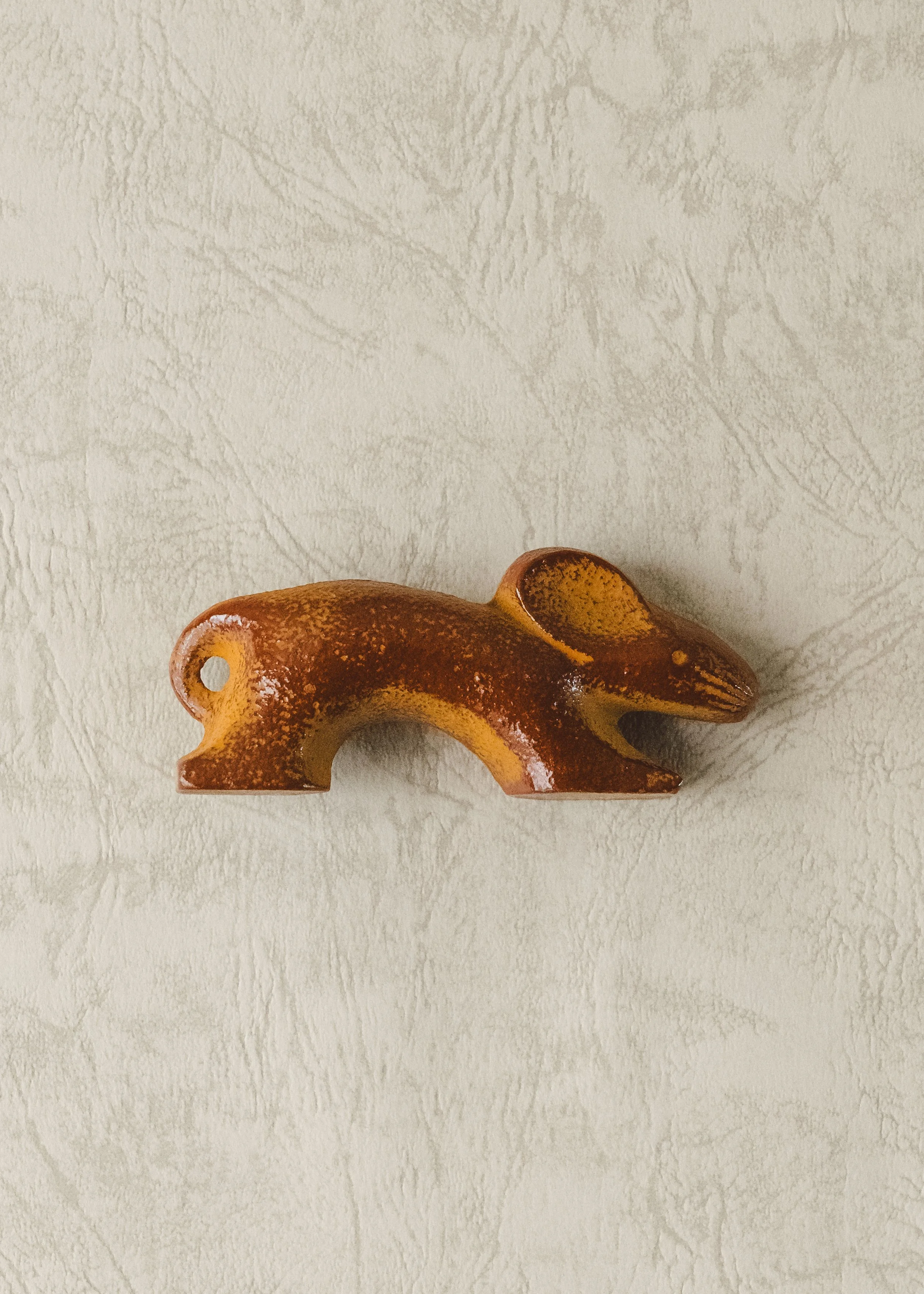 Image 10 of 11
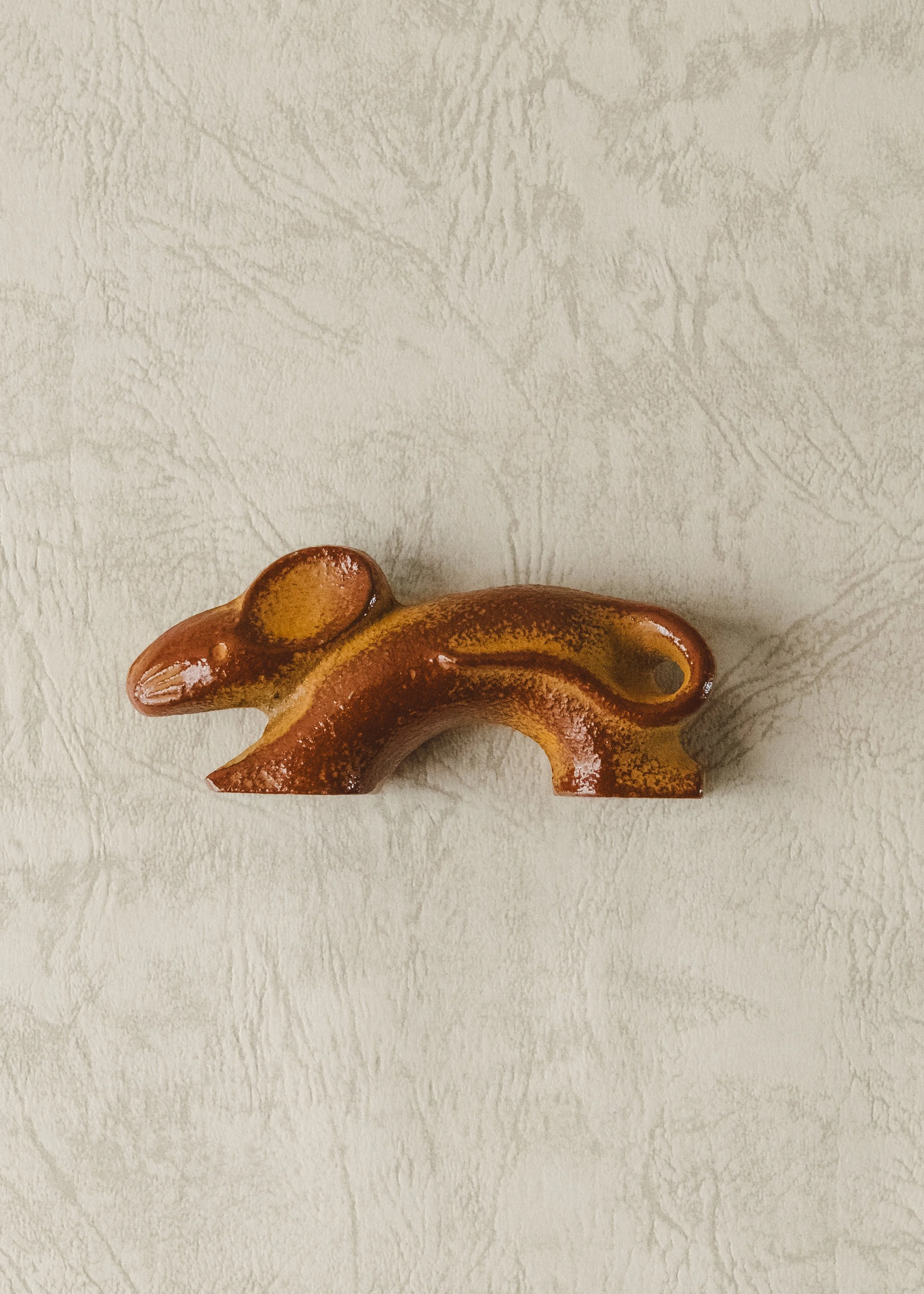 Image 11 of 11