WATER BUFFALO 1975

$180.00
SOLD

【Narrative】

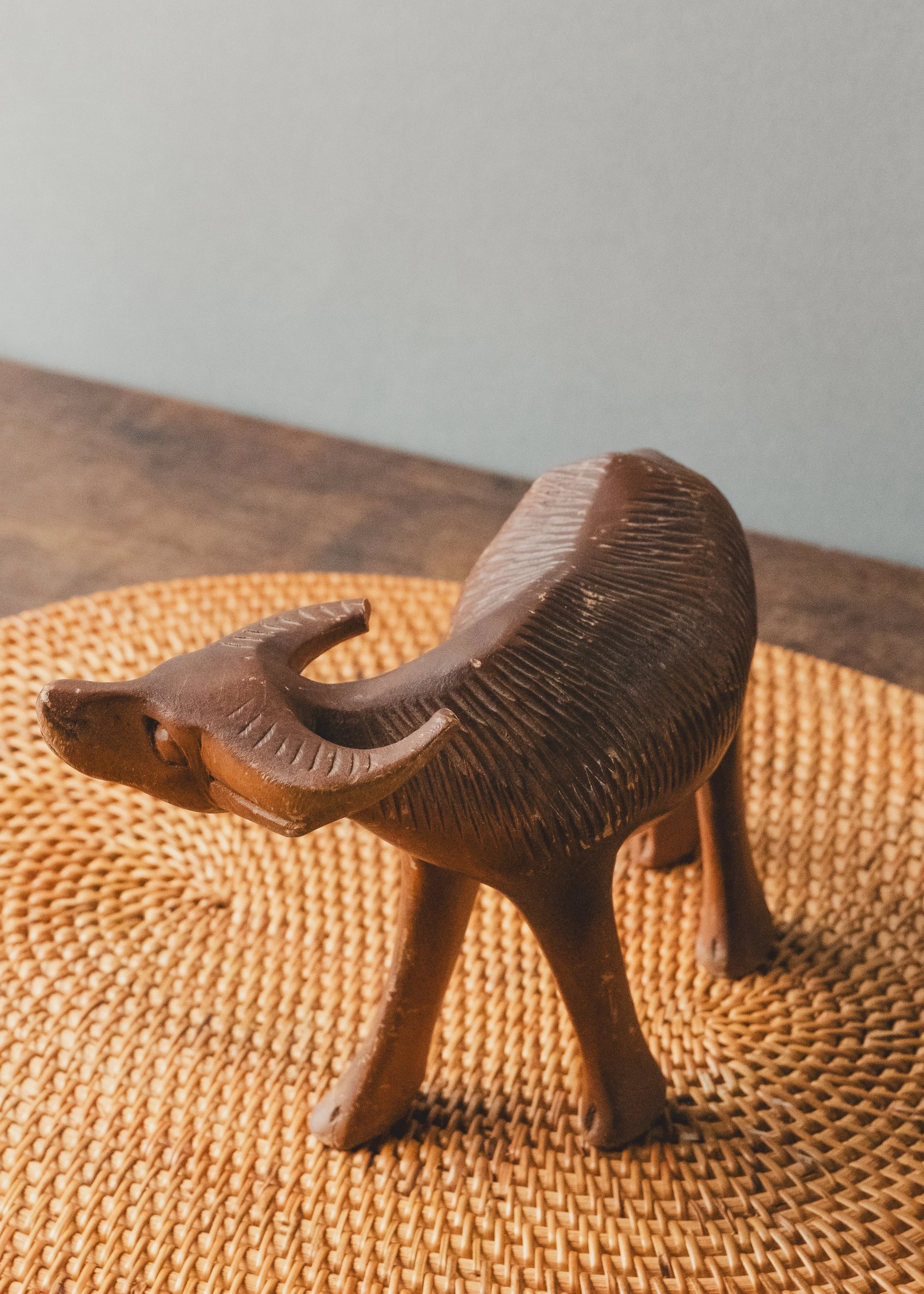
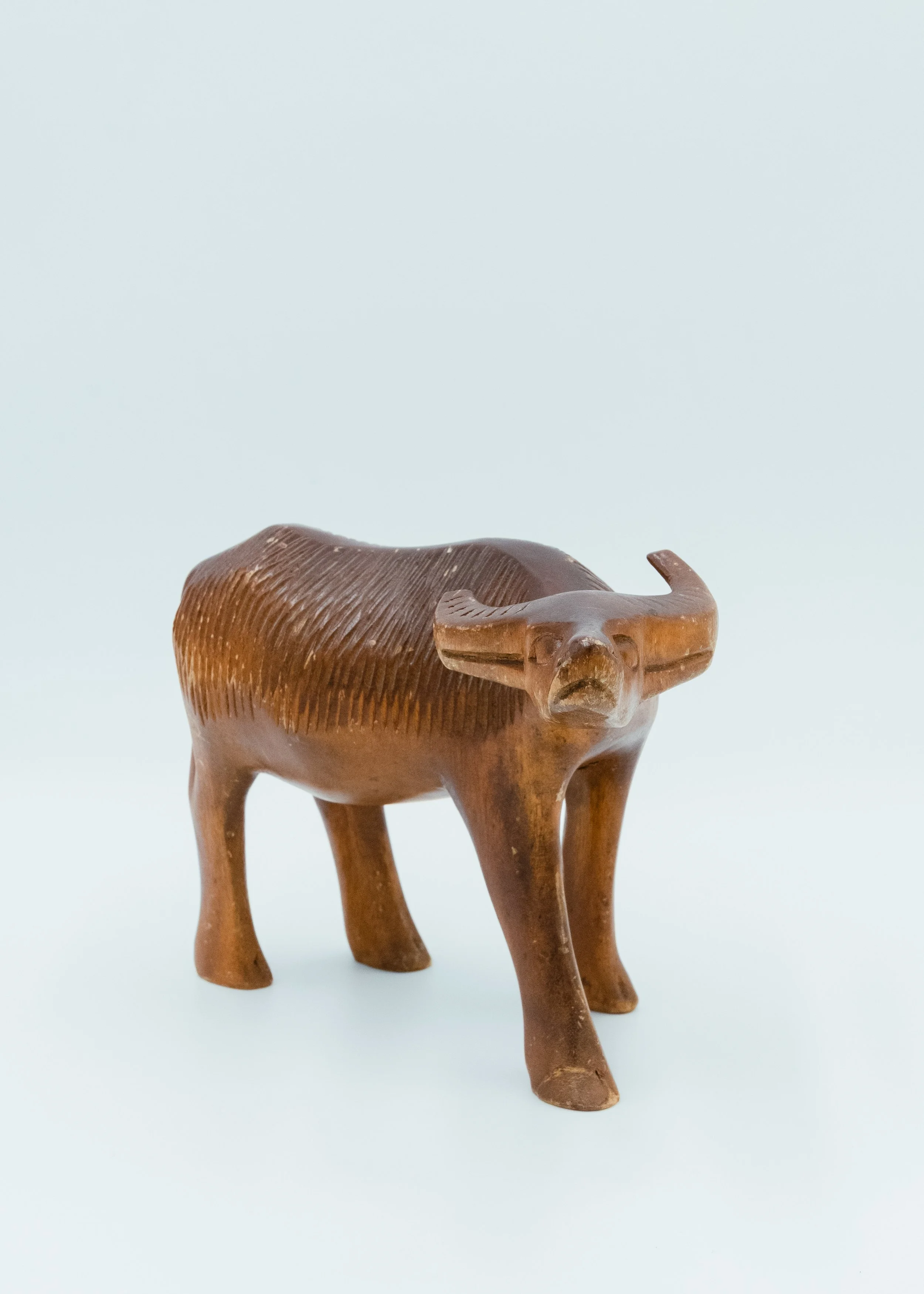
The labor that built a house. In the 1930s, water buffaloes were introduced to Taketomi—a remote coral island of Okinawa. Long before tractors arrived, these animals were the "Silent Partners" of the subtropical sun, plowing through deep mud and sugar cane fields to sustain human life. This hand-carved sculpture immortalizes the buffalo not as a pet, but as a dignified laborer. It represents a vital archive of a forgotten era: the moment when survival depended on the shared heartbeat of man and beast.

【The Artistry of the Chisel】

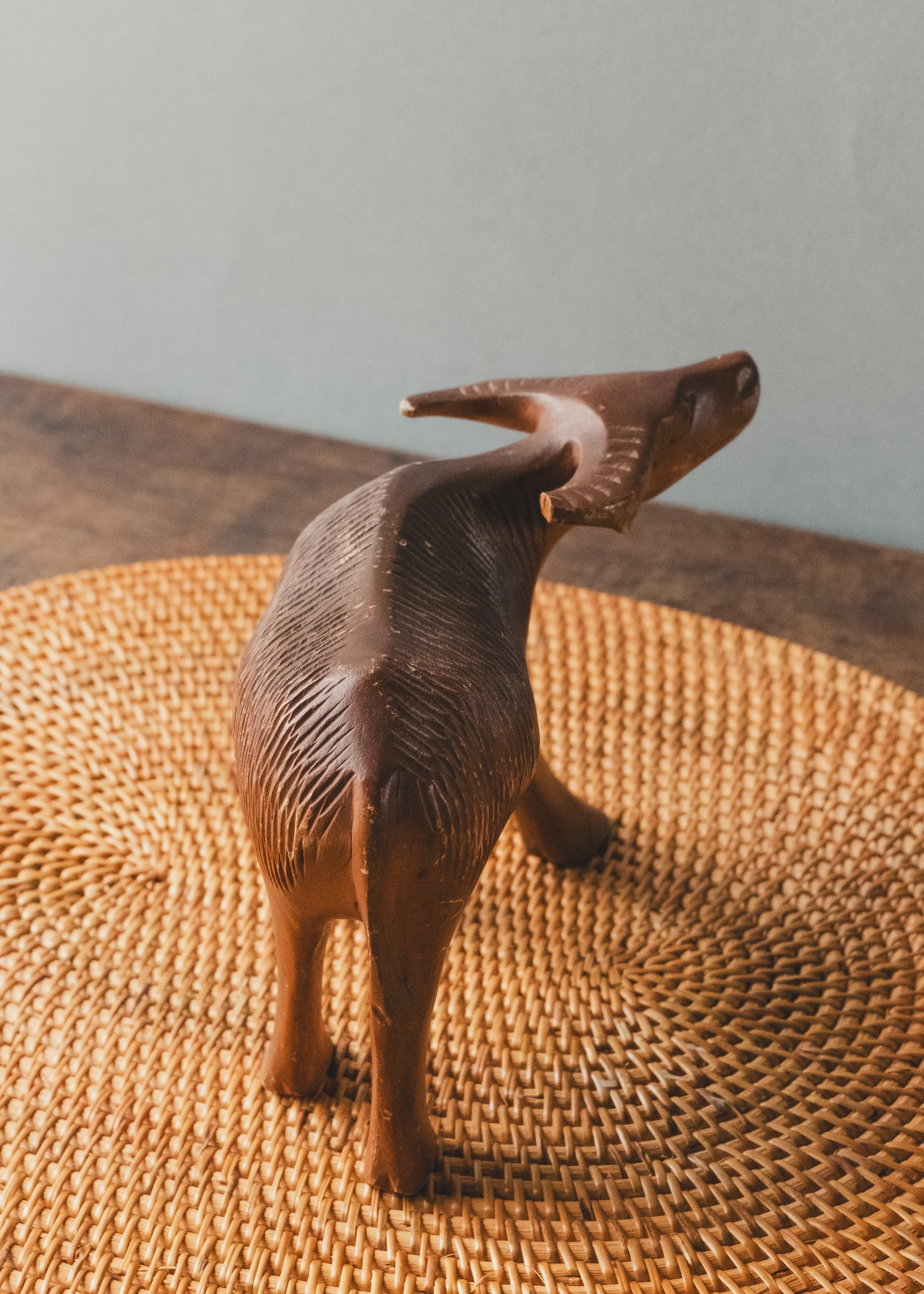
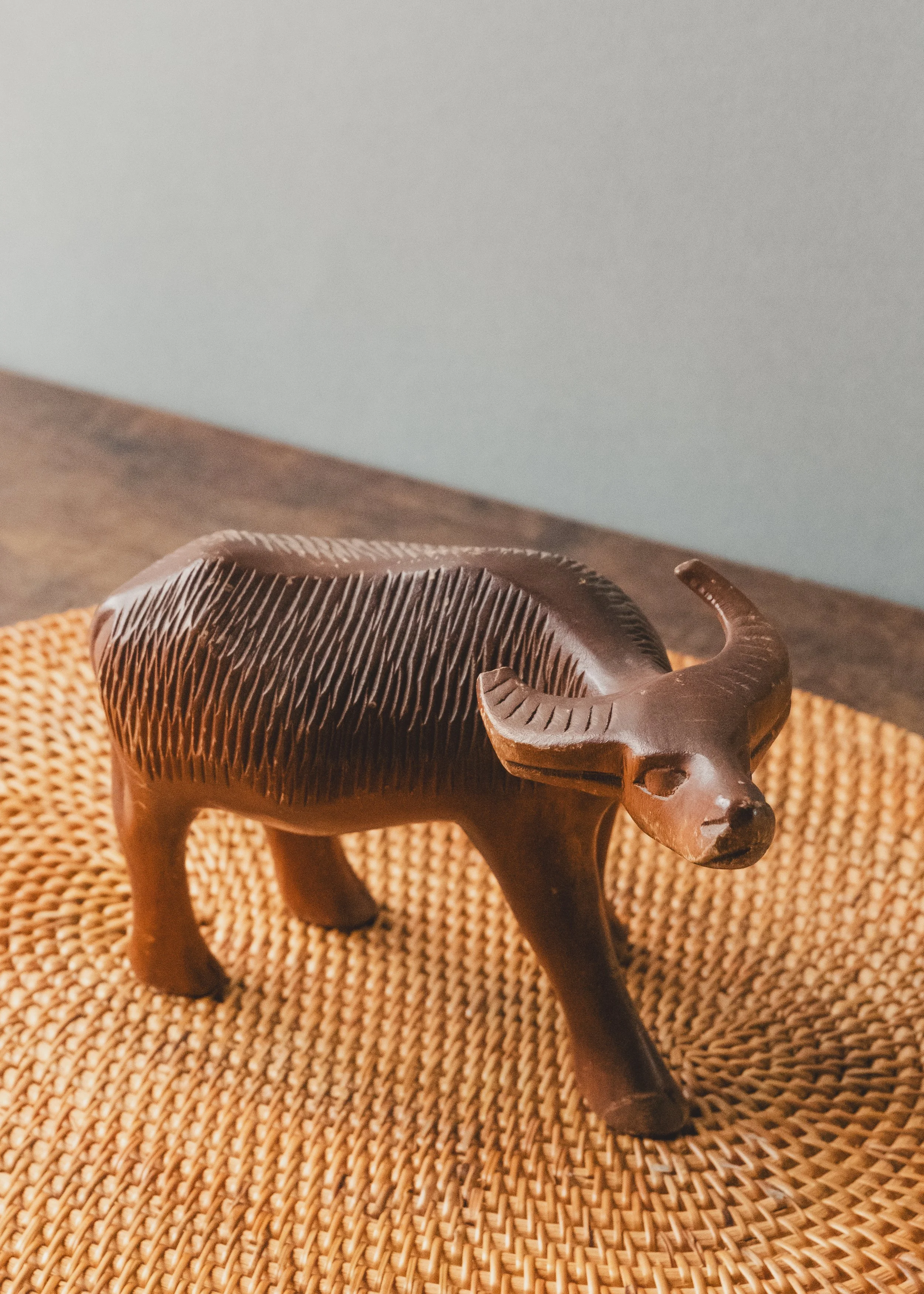
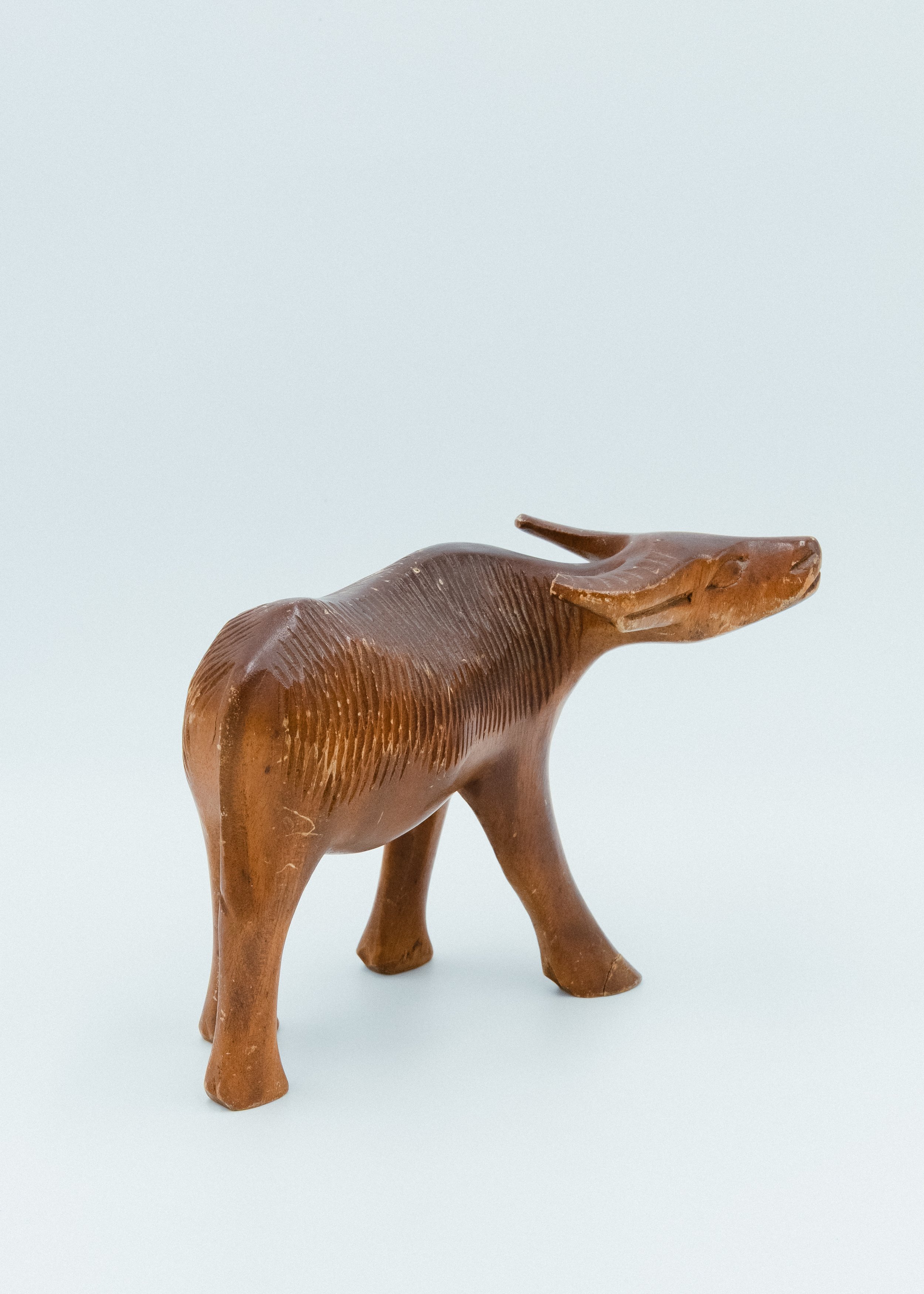
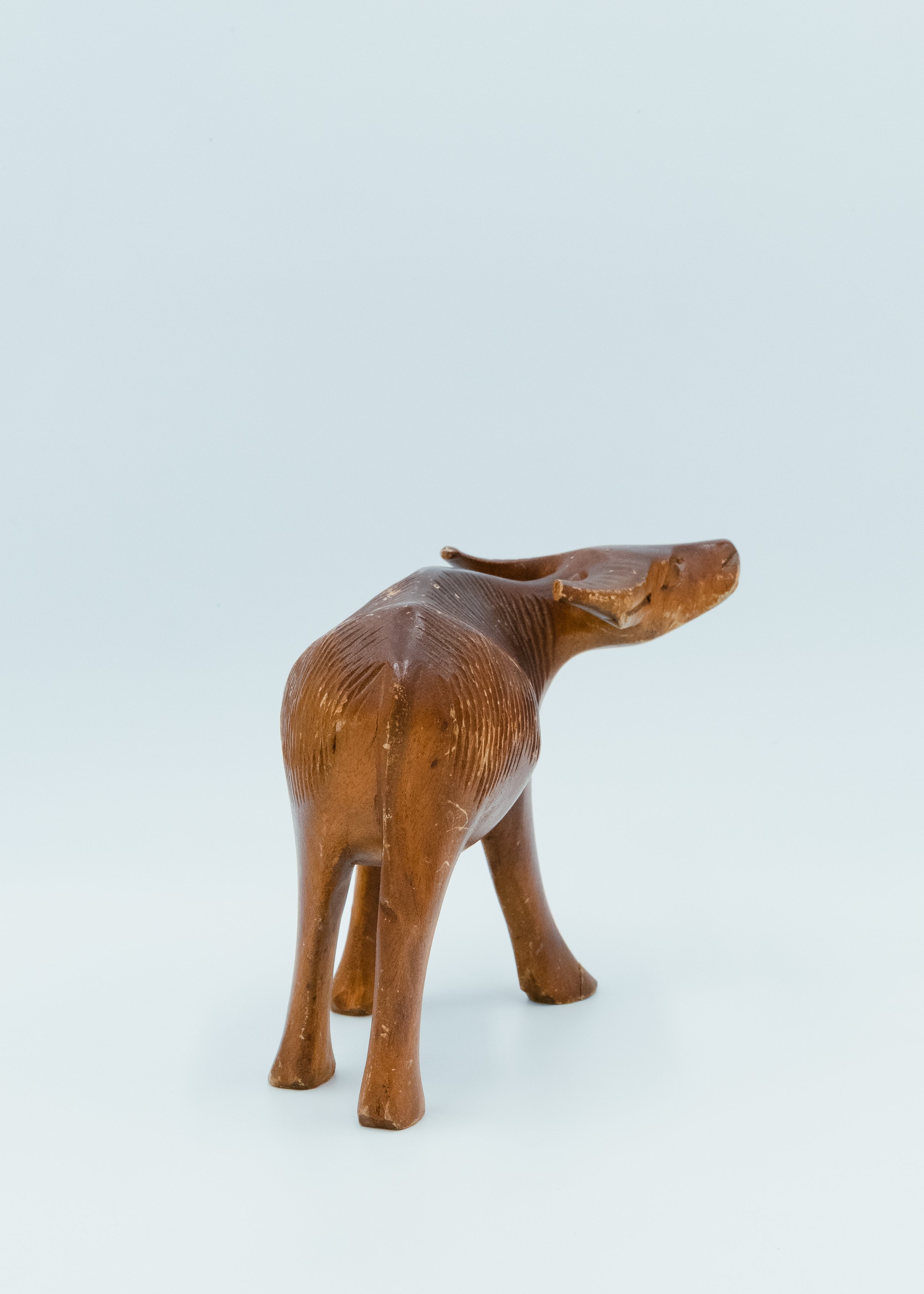
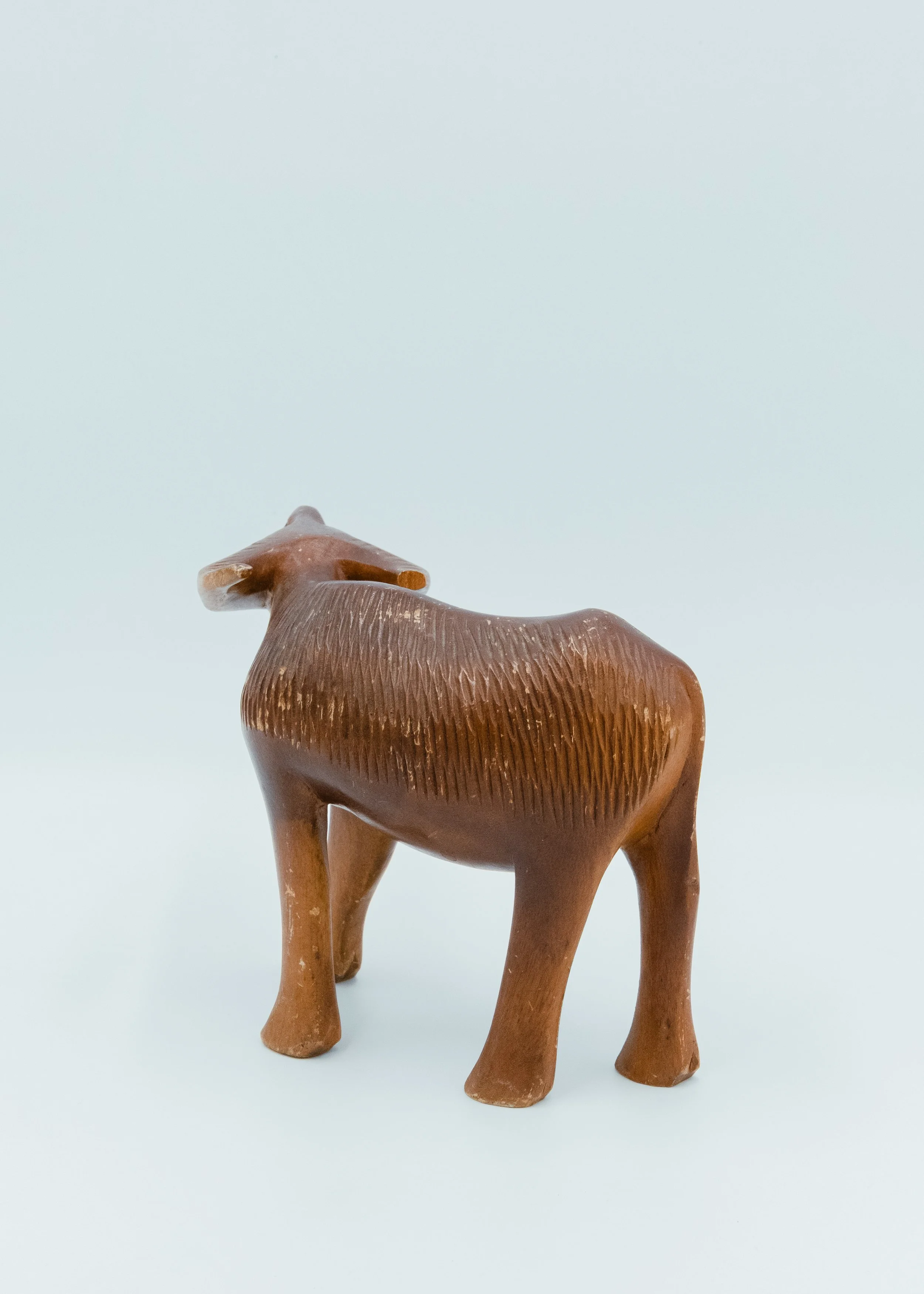
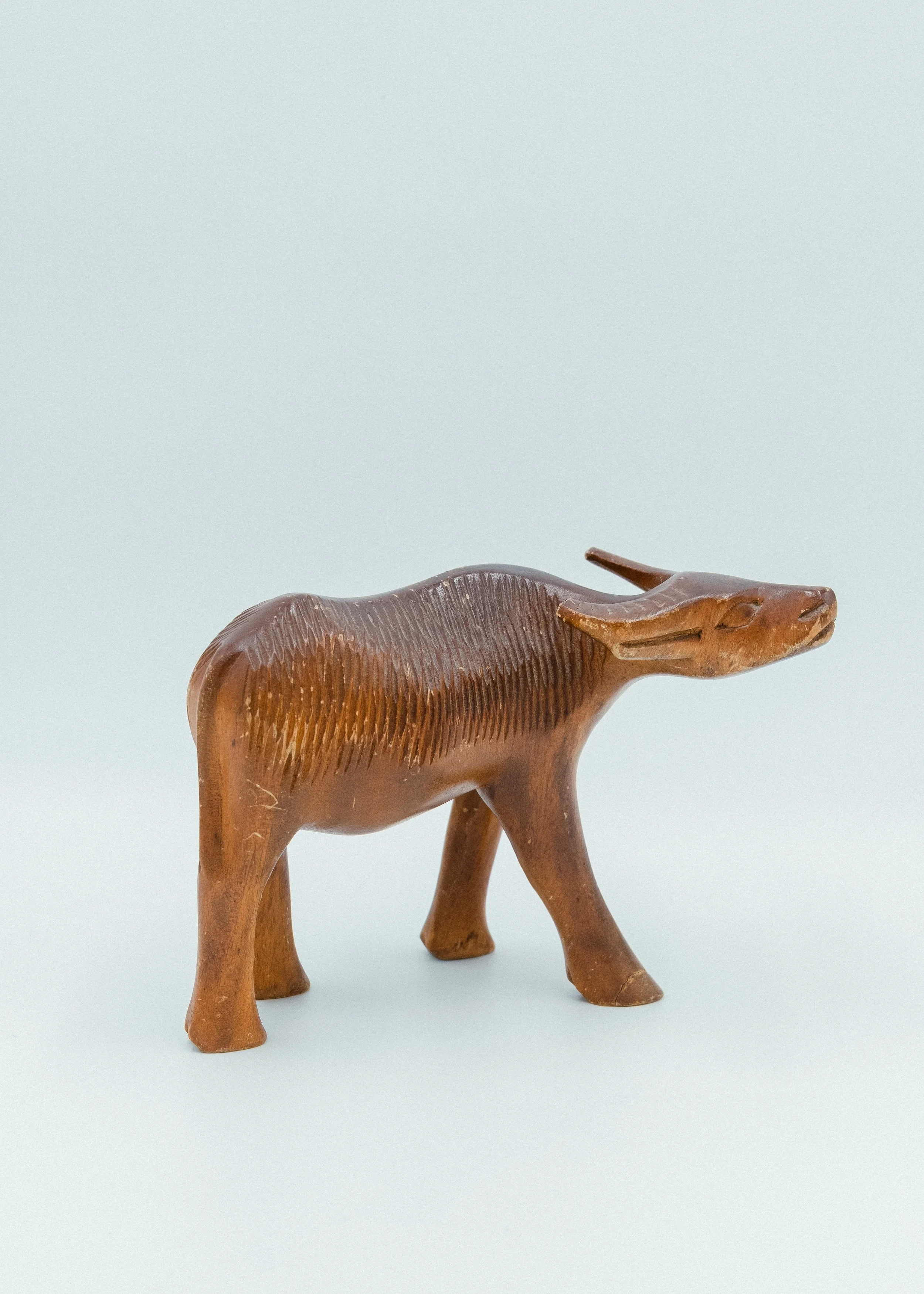
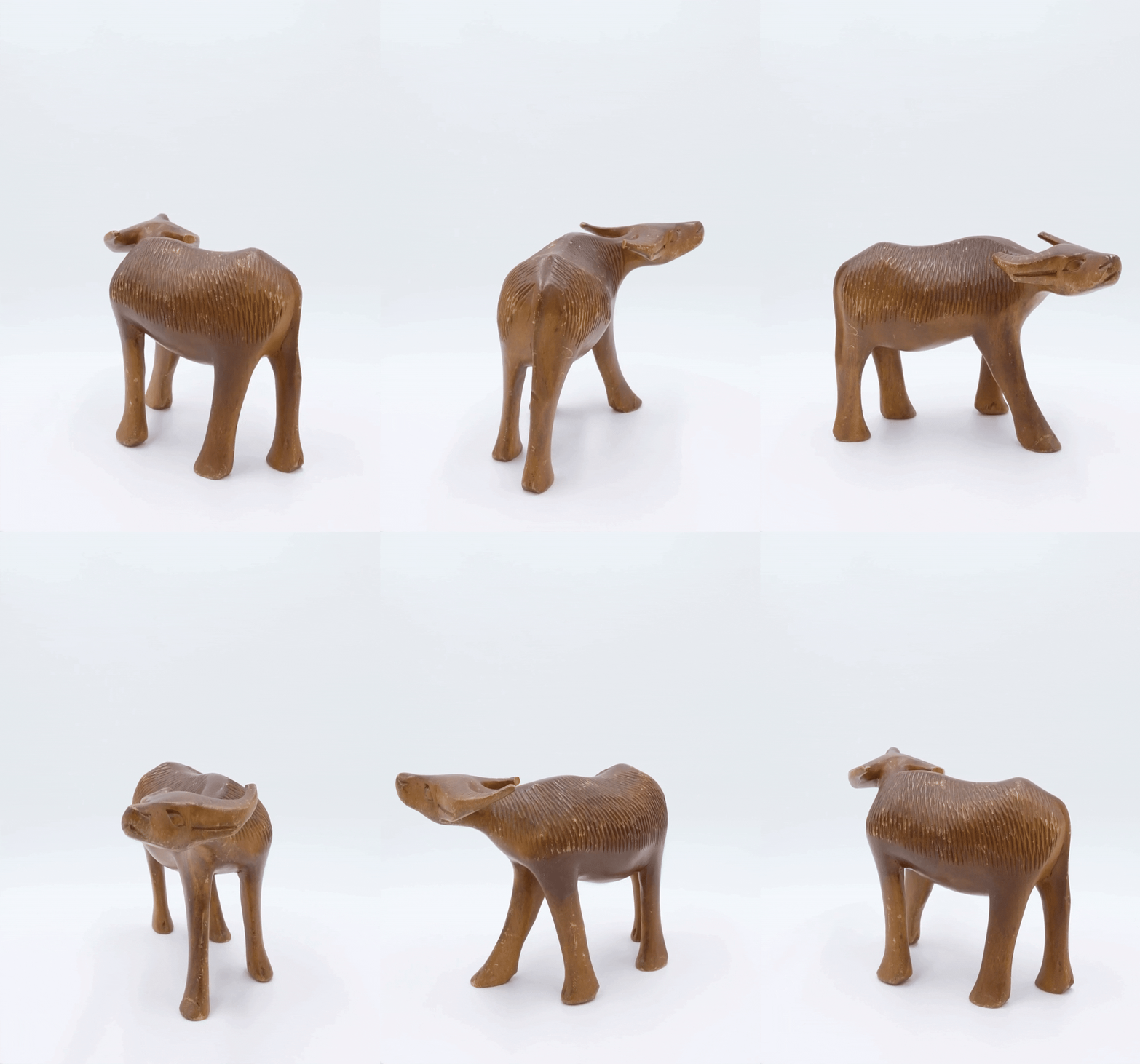
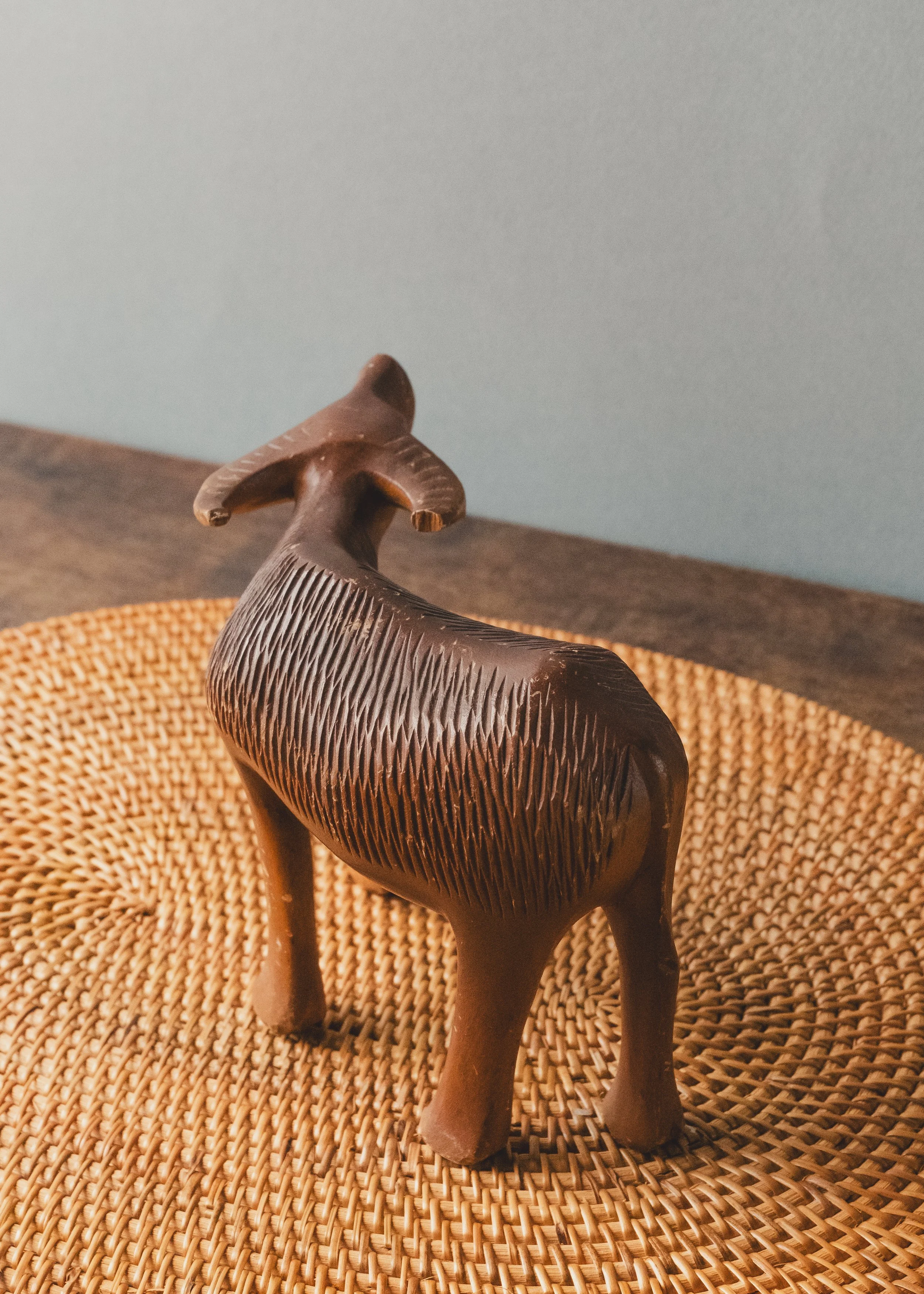
"Sentinel of Stillness." Unlike factory-made souvenirs, this piece retains the raw energy of its maker. The artisan used bold, unpolished chisel marks to express the animal’s rugged fur and muscular resilience. With its head raised toward the horizon and legs firmly planted, the form radiates an immovable stability—a physical embodiment of endurance and the transition from a life of toil to the Okinawan "Slow Life" of today.

【Patina of Resilience】

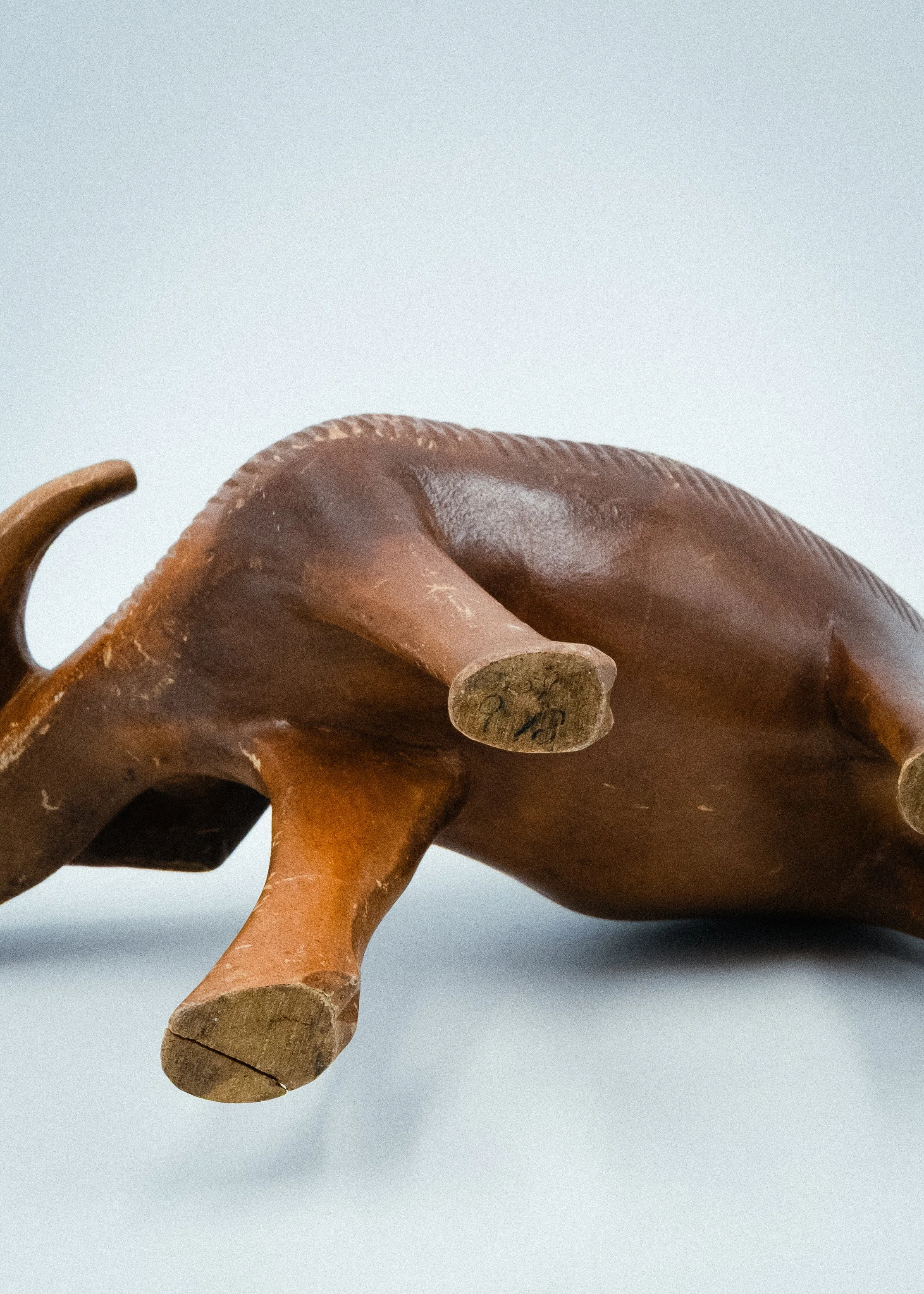
The solid wood has deepened into a rich, amber patina through decades of oxidation and human touch. The small scuffs and weathered marks on the limbs are not imperfections; they are the "signatures of time." They serve as proof that this object was part of a lived history, held and cherished through the shifting decades of the Showa era. It is imperfect, and in that imperfection lies its soulful authenticity.

【Placement】

With a commanding width of 20 cm (8 in), this sculpture possesses a grounding, "heavy" presence. We recommend placing it on a wide sideboard, a wooden shelf, or within a minimalist workspace. Its wooden calmness serves as a primal anchor for the room—a silent, physical reminder to slow down and breathe with the pace of the island.

【Narrative】

The labor that built a house. In the 1930s, water buffaloes were introduced to Taketomi—a remote coral island of Okinawa. Long before tractors arrived, these animals were the "Silent Partners" of the subtropical sun, plowing through deep mud and sugar cane fields to sustain human life. This hand-carved sculpture immortalizes the buffalo not as a pet, but as a dignified laborer. It represents a vital archive of a forgotten era: the moment when survival depended on the shared heartbeat of man and beast.

【The Artistry of the Chisel】

"Sentinel of Stillness." Unlike factory-made souvenirs, this piece retains the raw energy of its maker. The artisan used bold, unpolished chisel marks to express the animal’s rugged fur and muscular resilience. With its head raised toward the horizon and legs firmly planted, the form radiates an immovable stability—a physical embodiment of endurance and the transition from a life of toil to the Okinawan "Slow Life" of today.

【Patina of Resilience】

The solid wood has deepened into a rich, amber patina through decades of oxidation and human touch. The small scuffs and weathered marks on the limbs are not imperfections; they are the "signatures of time." They serve as proof that this object was part of a lived history, held and cherished through the shifting decades of the Showa era. It is imperfect, and in that imperfection lies its soulful authenticity.

【Placement】

With a commanding width of 20 cm (8 in), this sculpture possesses a grounding, "heavy" presence. We recommend placing it on a wide sideboard, a wooden shelf, or within a minimalist workspace. Its wooden calmness serves as a primal anchor for the room—a silent, physical reminder to slow down and breathe with the pace of the island.

【Context】

  • Period: Mid-Showa Era (Vintage)
  • Origin: Taketomi Island, Okinawa, Japan
  • Material: Hand-carved Solid Wood (Natural Lacquer/Stain Finish)
  • Technique: Vernacular Woodcarving (Primitive Folk Art)
  • Dimensions: Approximately 20 cm in width

【Dimensions (Approx.)】

  • H: 15 cm (5.9 in)
  • W: 20 cm (7.9 in)
  • Weight: Solid and substantial.
 

RELATED ARCHIVAL SPECIMENS
GOLD KINRANDE 1958
$410.00

The Spirit

Earth and Celestial Gold.
Bizen ware is usually a dialogue between fire and raw clay, unglazed and primitive. However, this extraordinary specimen represents a bold evolution.

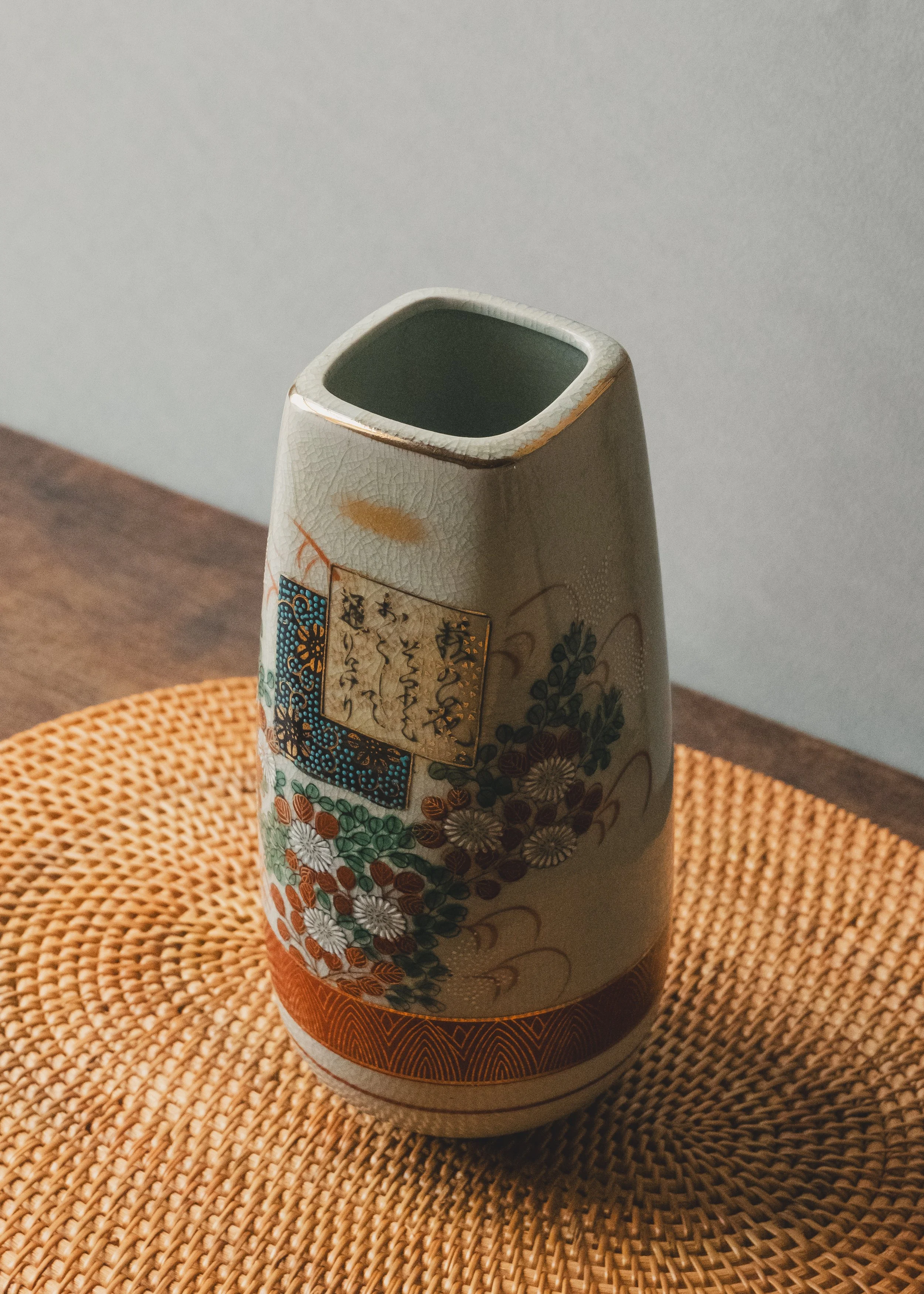
Born from the 1,000-year-old kilns of Imbe, this piece shatters the silence of "Wabi-sabi" by incorporating "Kinsai" (gold-lustre) and hand-painted narratives. It is the visual equivalent of a lone, ancient poem found etched upon a rock. It asks the observer: Can a goddess of gold truly live within a body of mud?

Provenance

Attributed to the Studio of Atsuo Suzuki (Contemporary Master).
Traditionally, Bizen is baked for two continuous weeks at 1,300°C without a drop of glaze. Its surface is the result of natural ash "accidents."

This modern masterpiece elevates the "Shihouguchi" (Quadrilateral Mouth)—a rare architectural form historically associated with the legendary National Treasure Kanemige Toyo—and infuses it with noble metallic pigments. The handwritten Waka poetry on its side serves not just as text, but as a prayer to the flow of seasons, capturing the very essence of the Japanese "Spiritual Utensil."

The Box

Accompanied by its original "Tomobako" (Artisan-signed Wooden Box).
In the world of Japanese high-art, the box is the passport. The ink calligraphy upon its lid serves as a testament to its authenticity and the master's soul.

This piece carries the weight of a generational lineage. The surface tension between the rough, "Sangi-ri" ash patterns and the refined gold leaf creates a sensory vibration. It is a mature specimen of late 20th-century experimentation, where the austerity of the Showa era meets the vibrancy of a new world.

Presence

From the Tea Room to the Minimalist Interior.
Designed originally for the "Sado" (Tea Ceremony), its quadrangular form grounds the energy of any room. We recommend placing it in an alcove or a centerpiece table where natural side-lighting can ignite the gold script against the darkened clay. It does not just hold flowers; it holds the stillness of the room.