

 Image 1 of 12
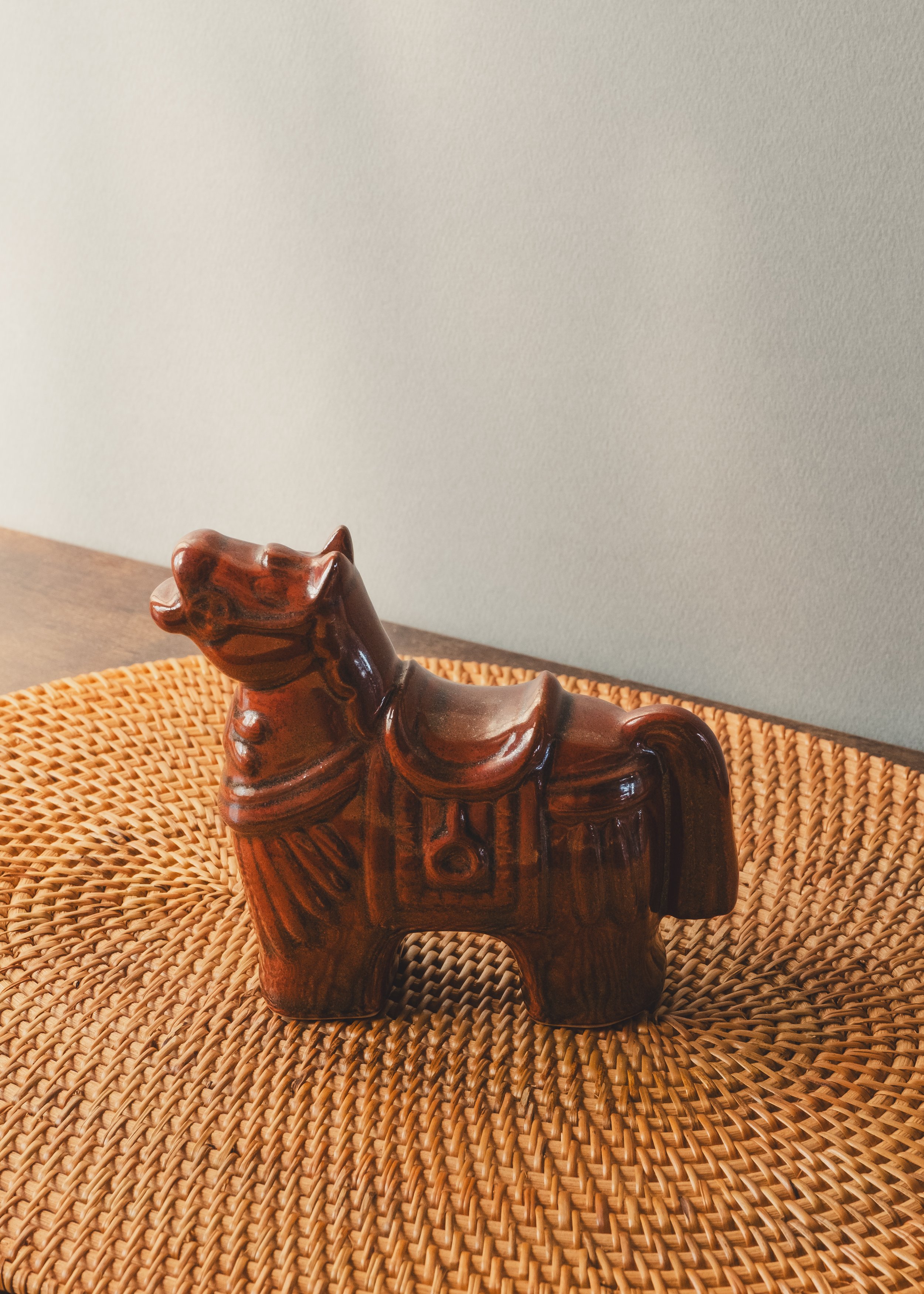 Image 2 of 12
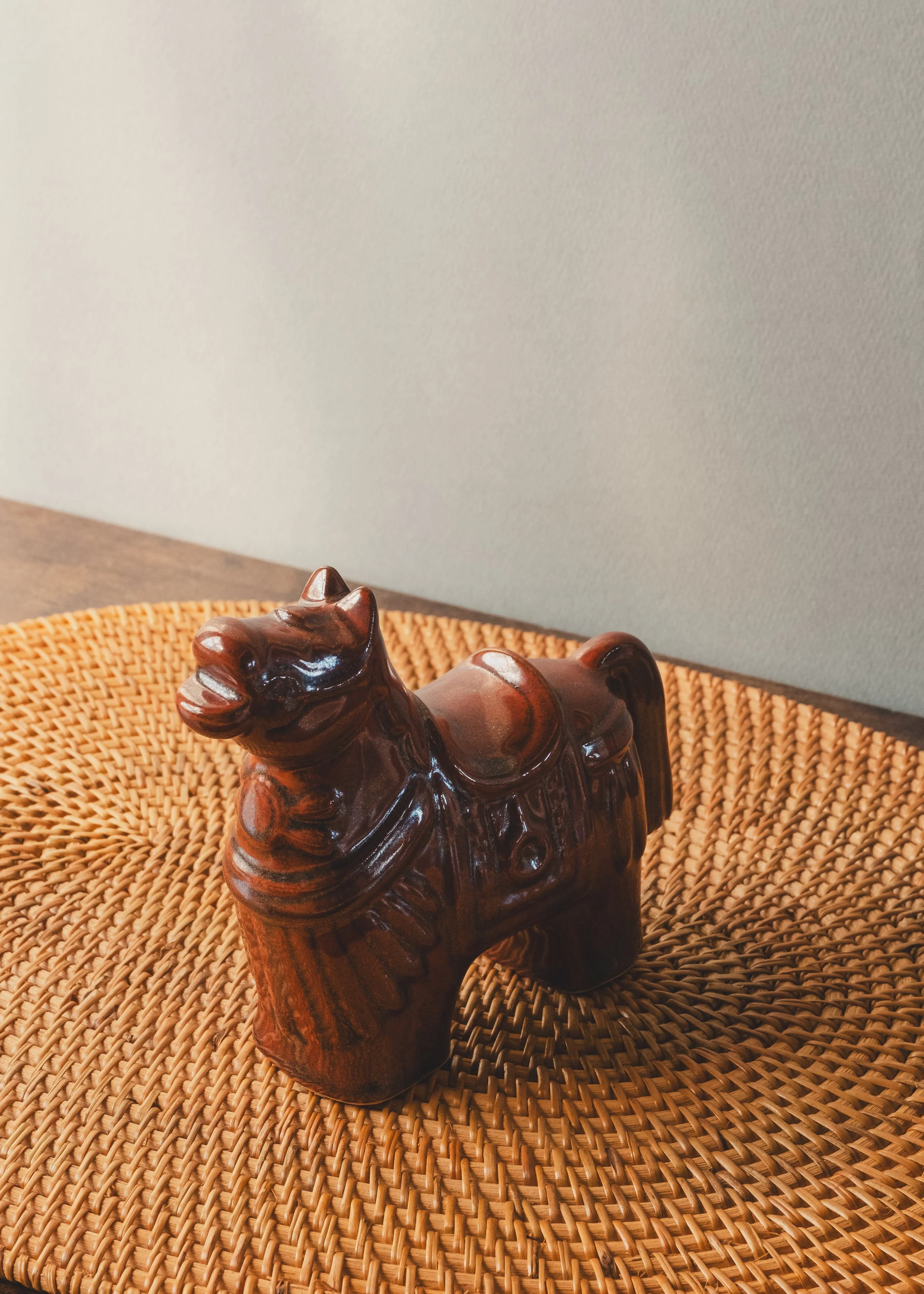 Image 3 of 12
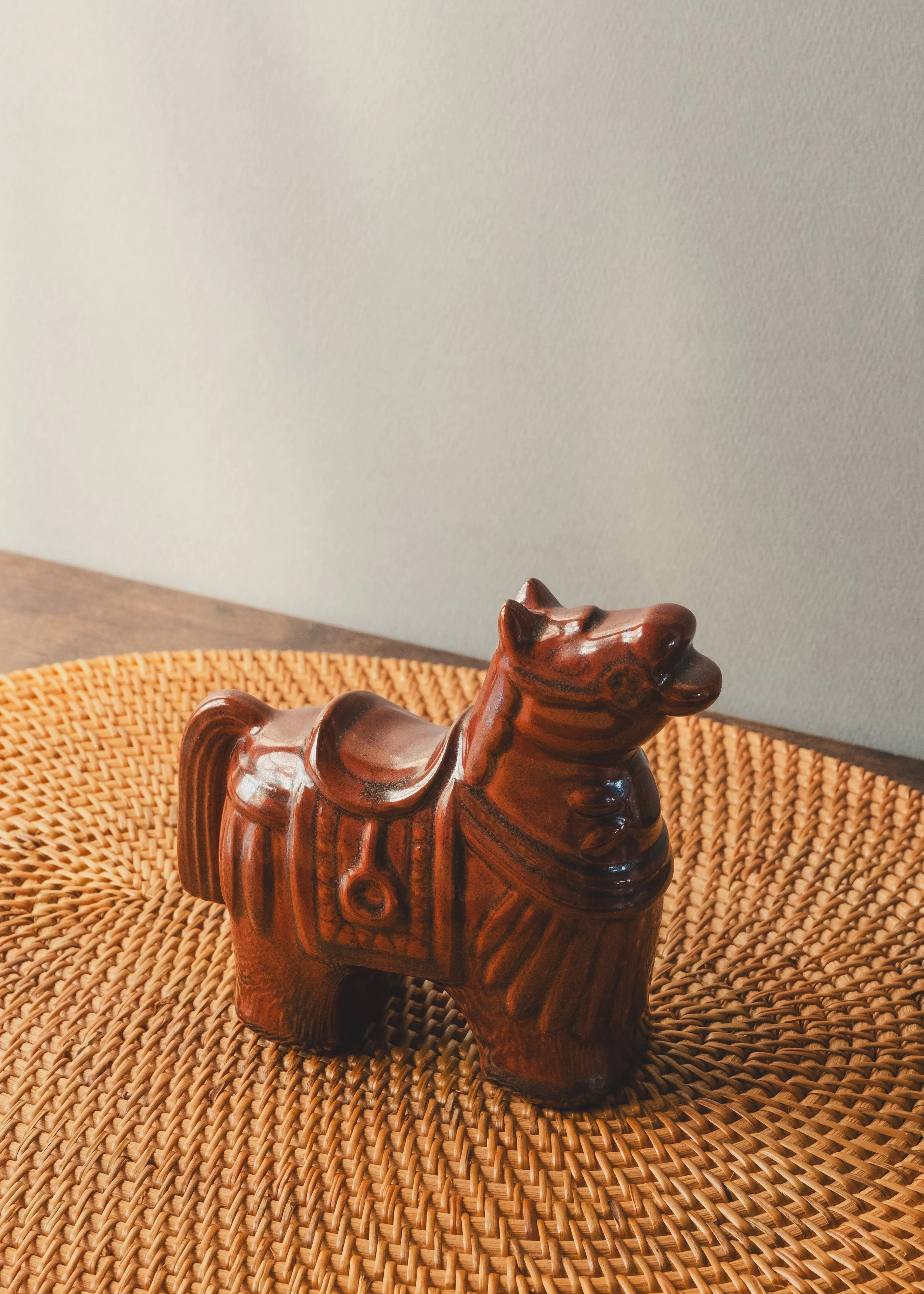 Image 4 of 12
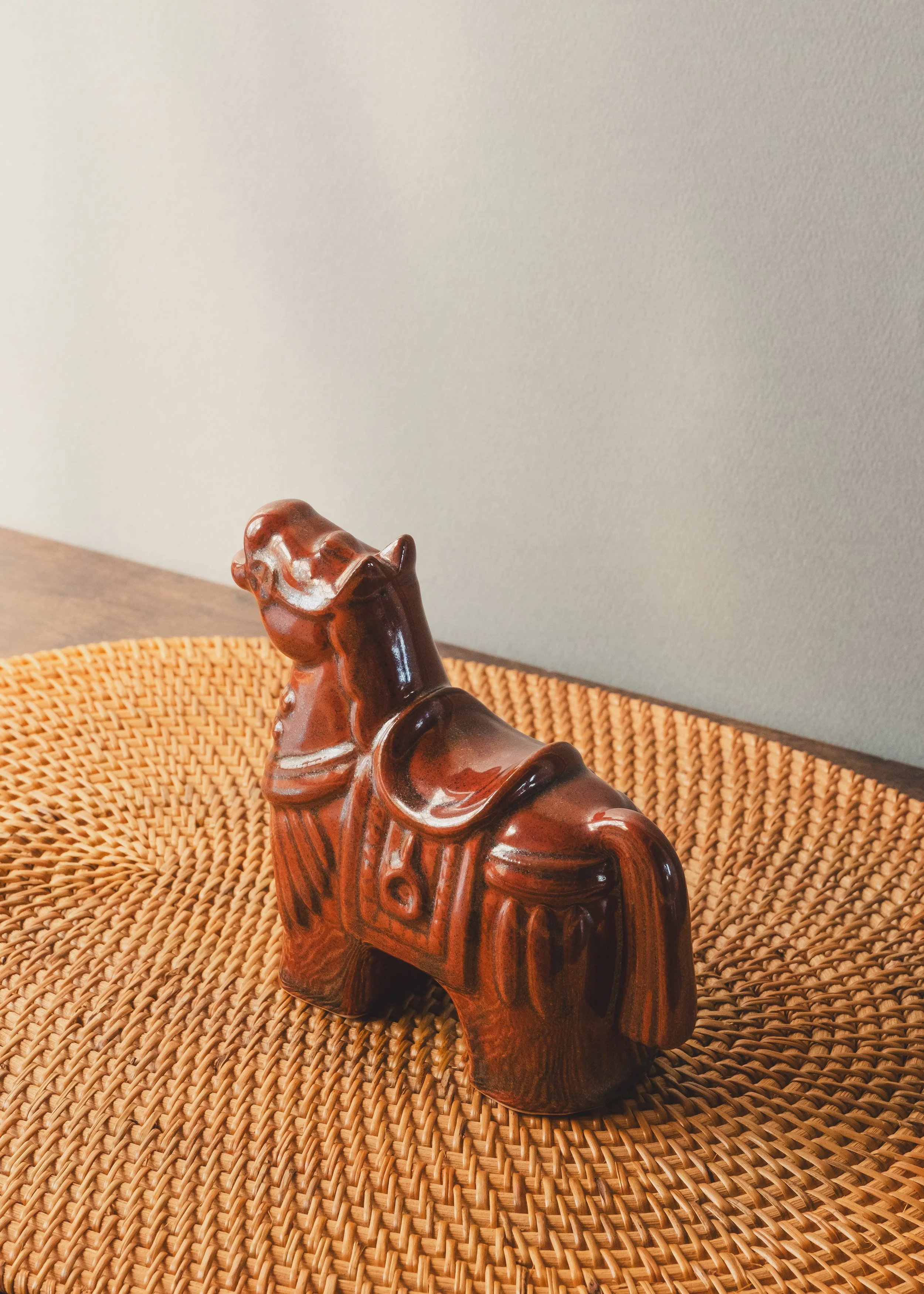 Image 5 of 12
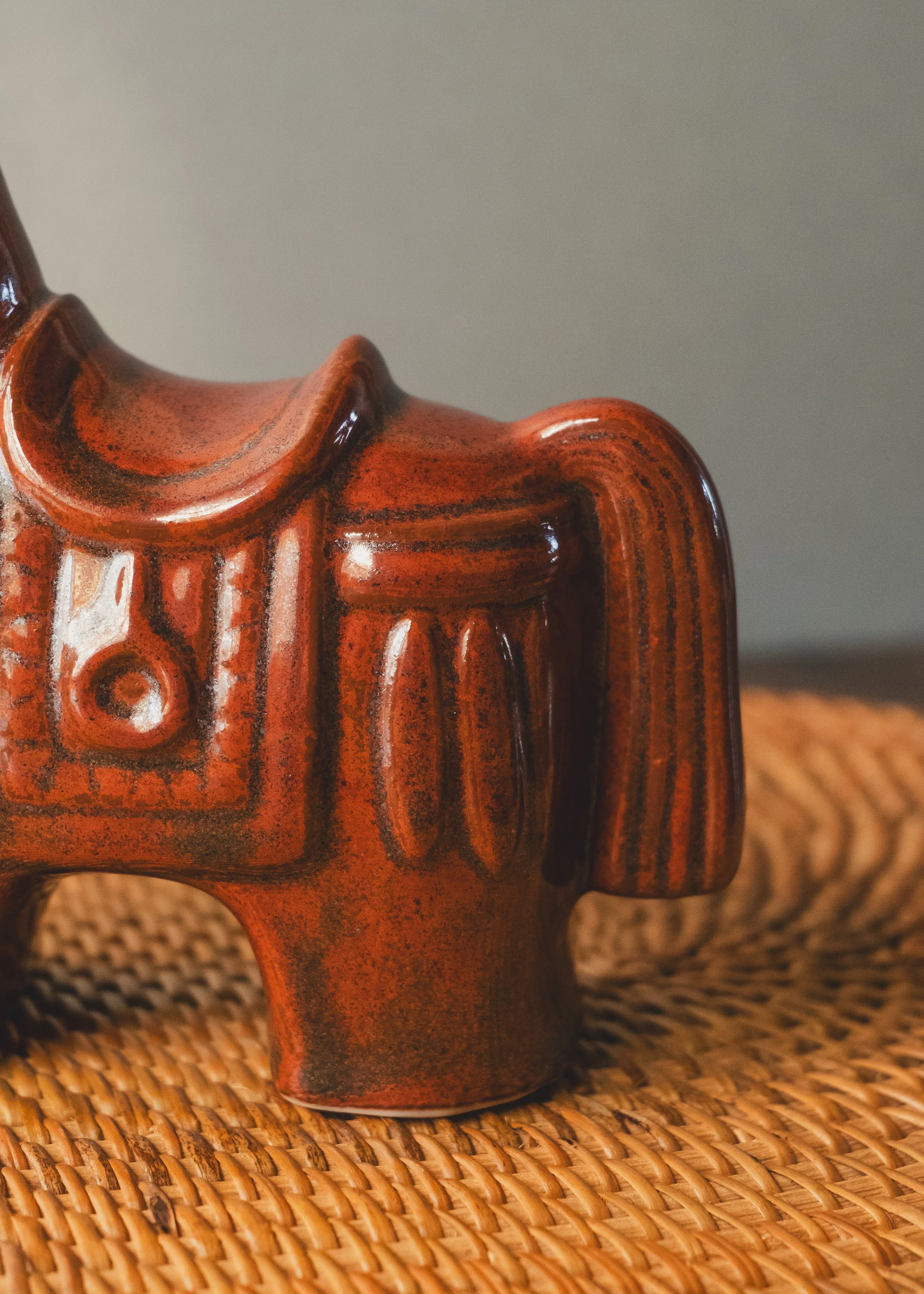 Image 6 of 12
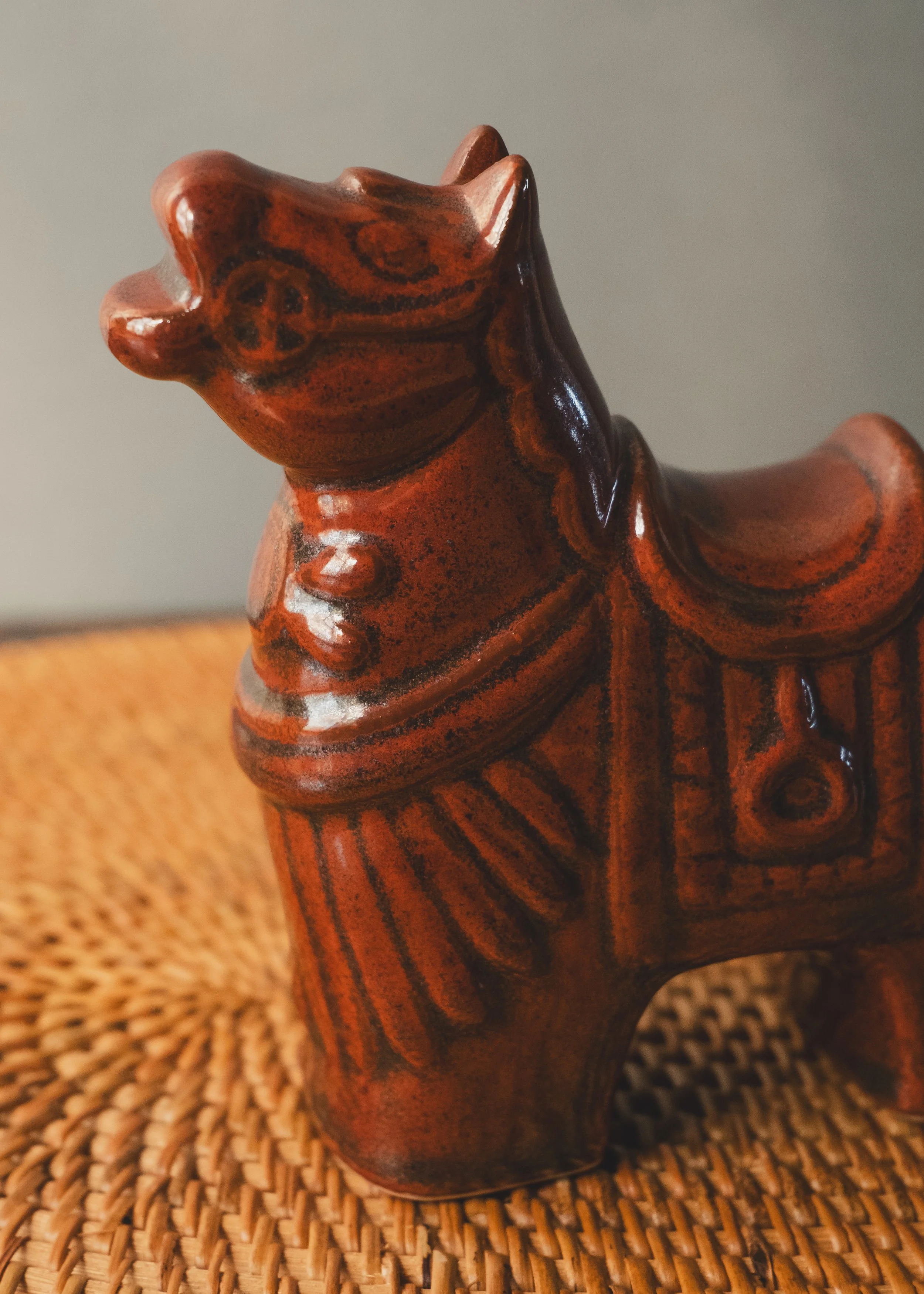 Image 7 of 12
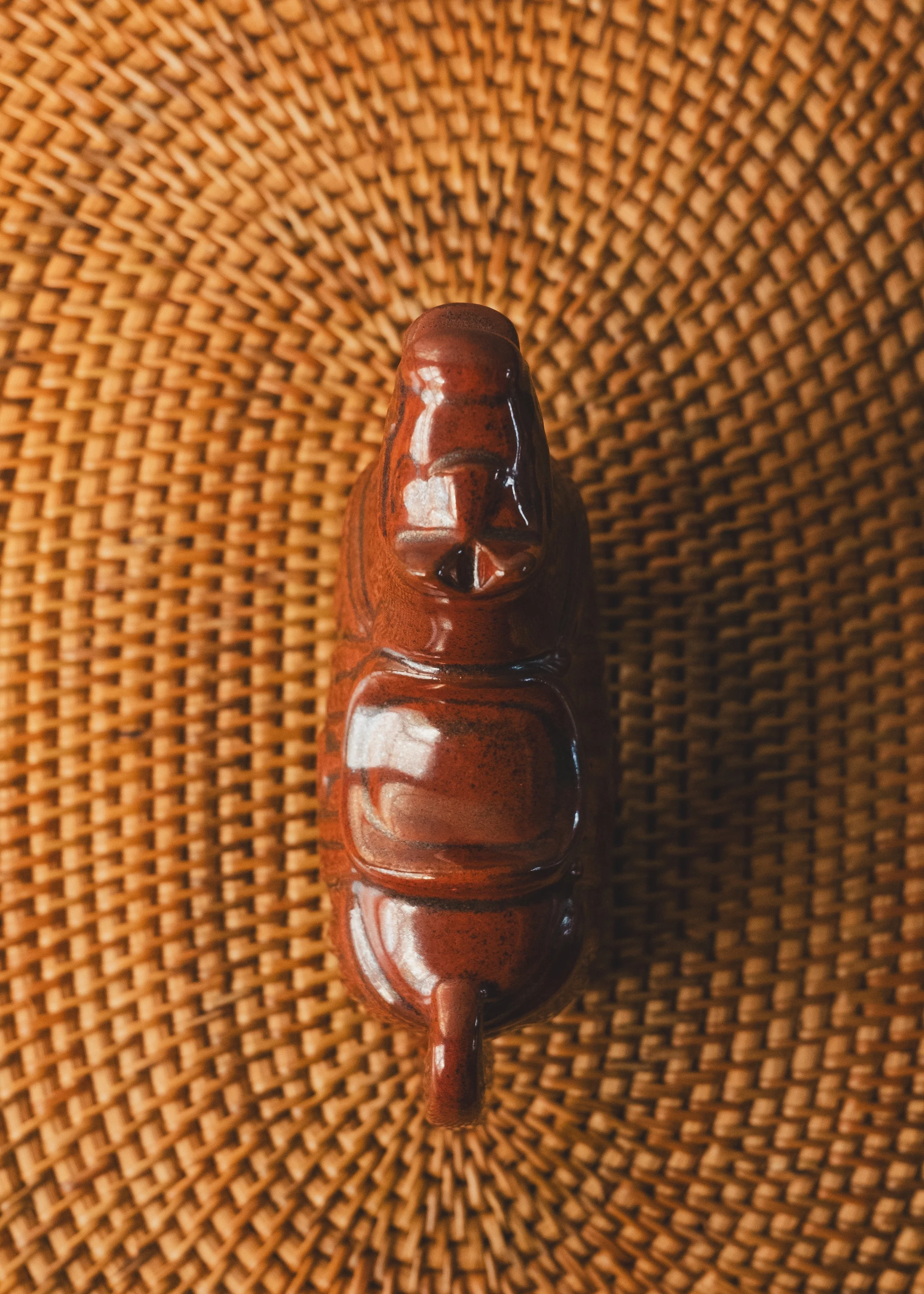 Image 8 of 12
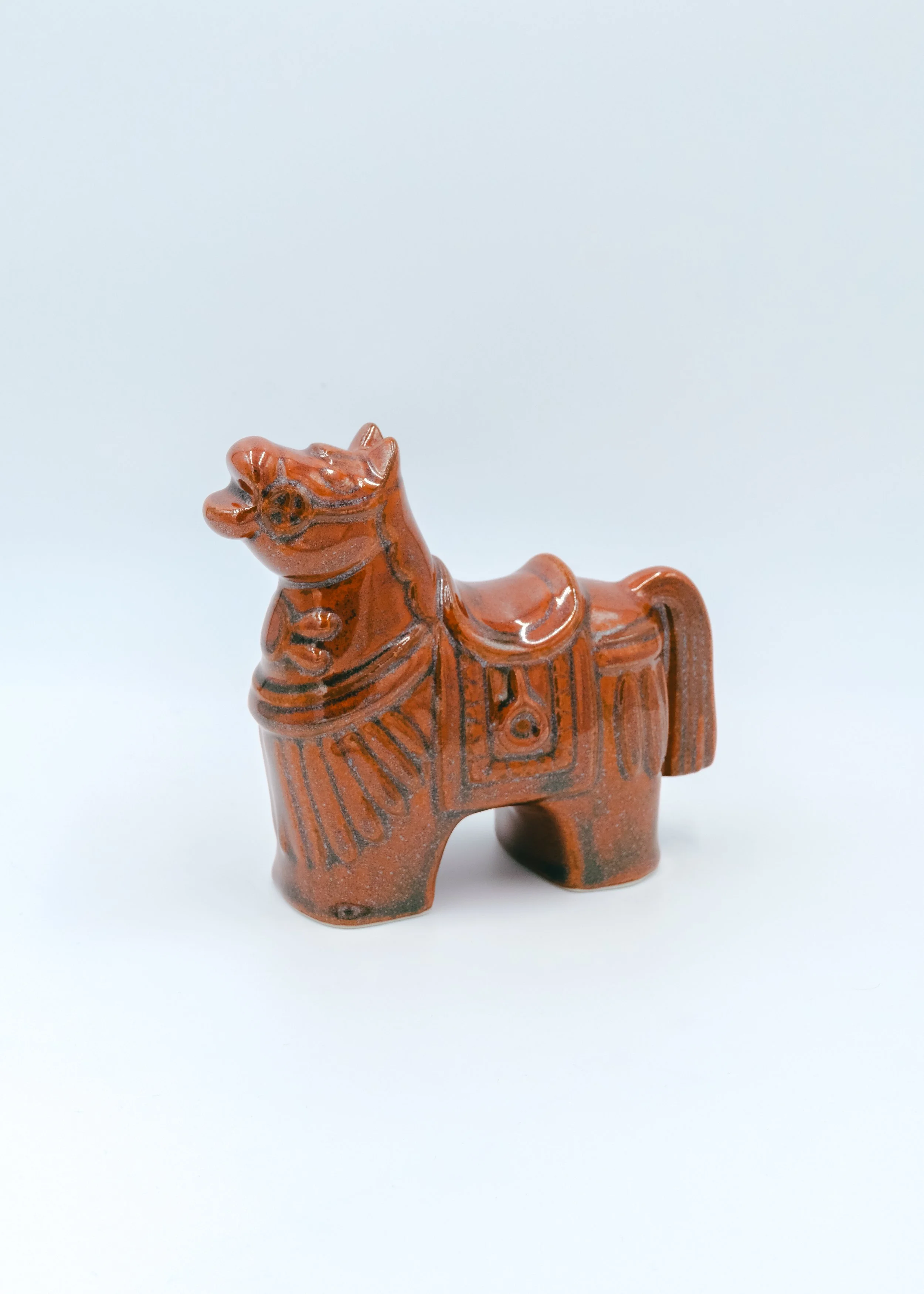 Image 9 of 12
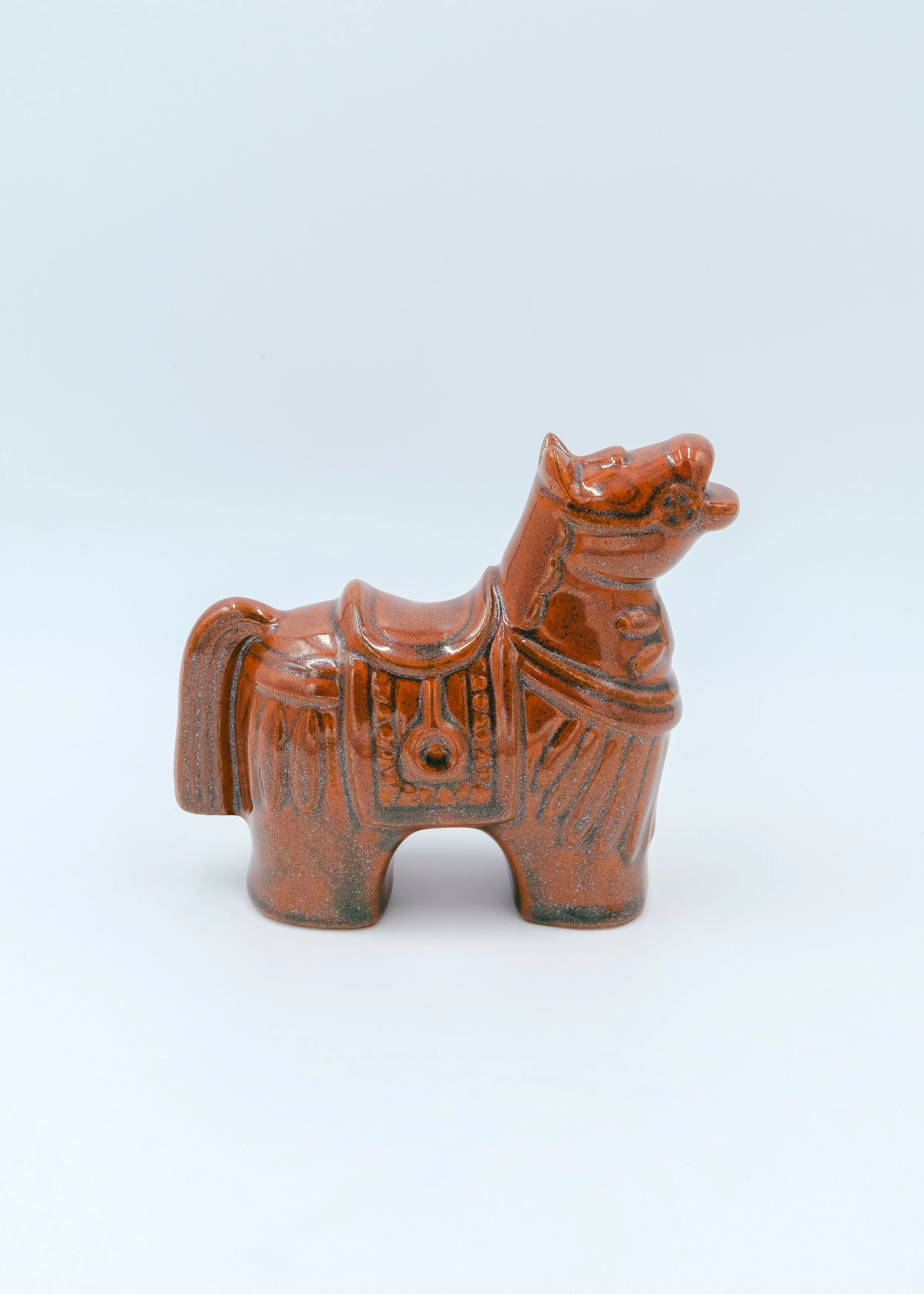 Image 10 of 12
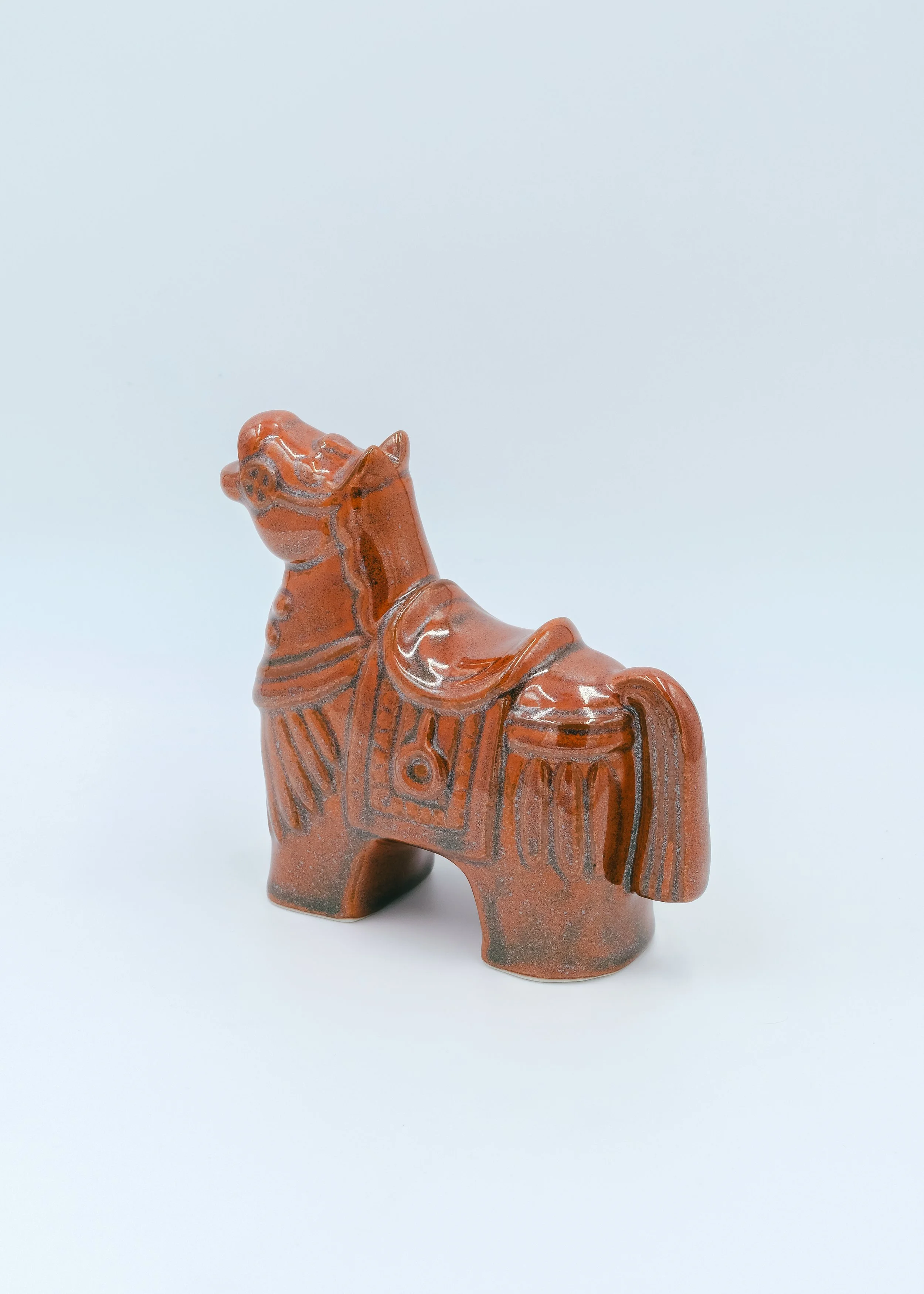 Image 11 of 12
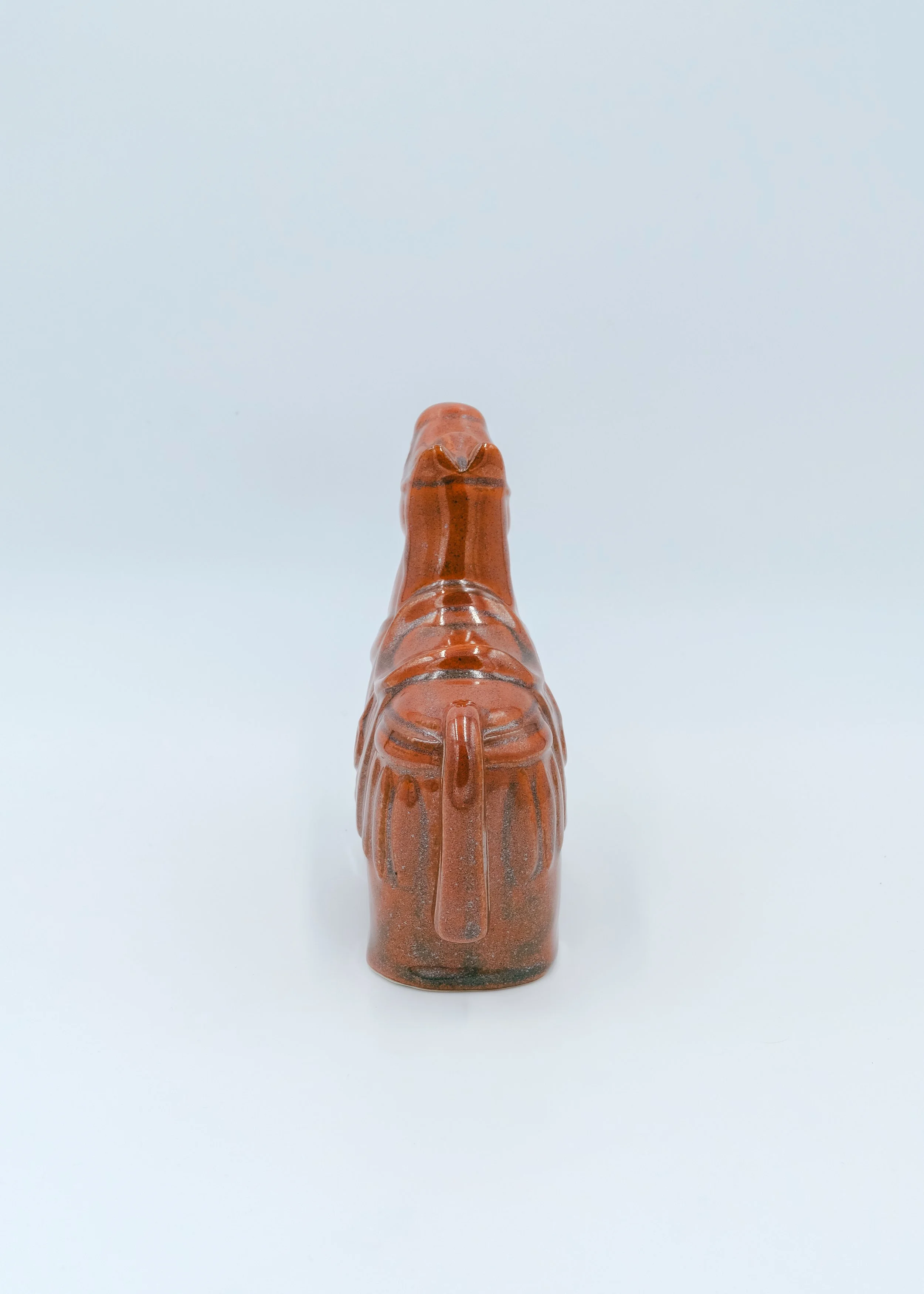 Image 12 of 12
【 Context 】
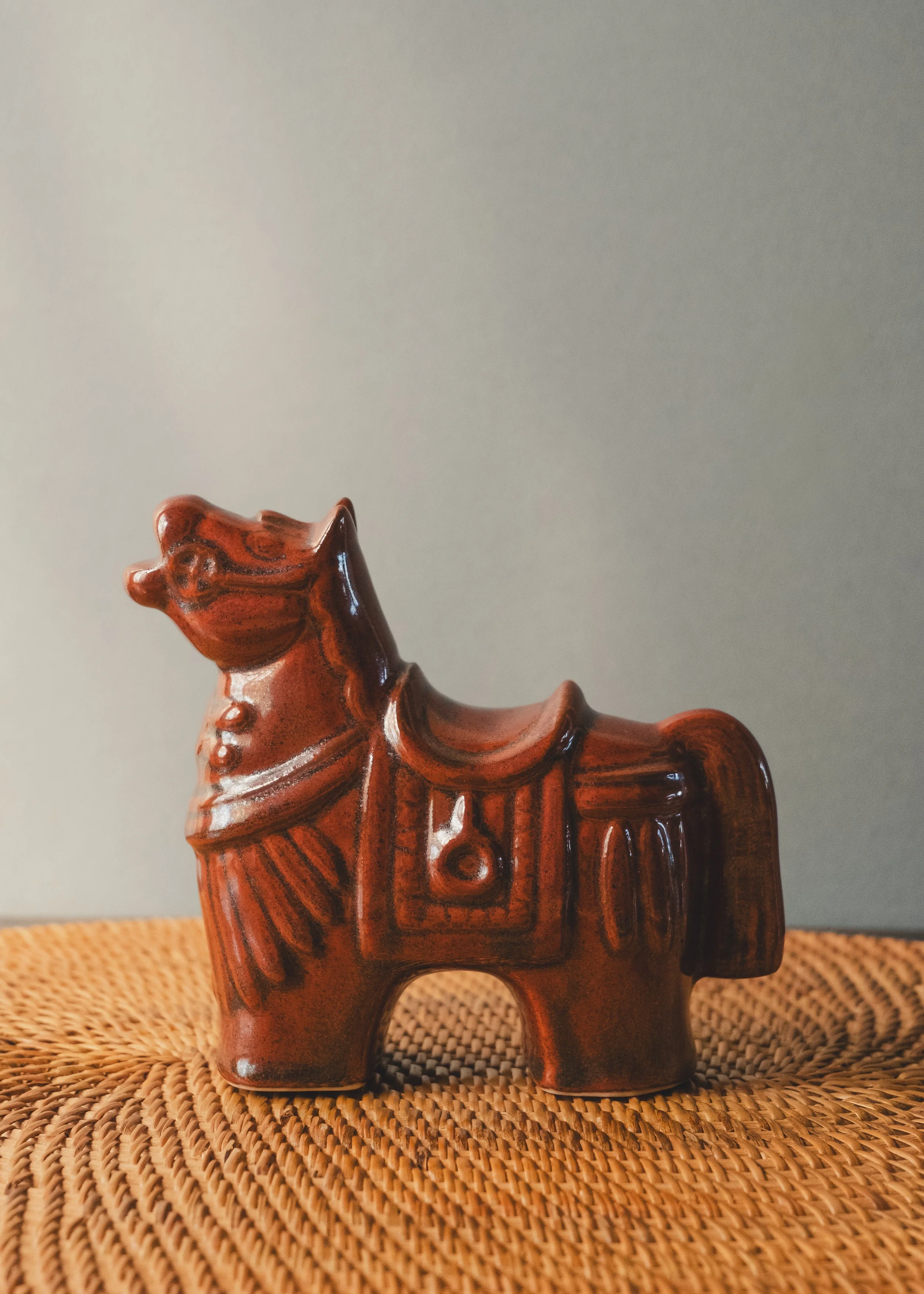
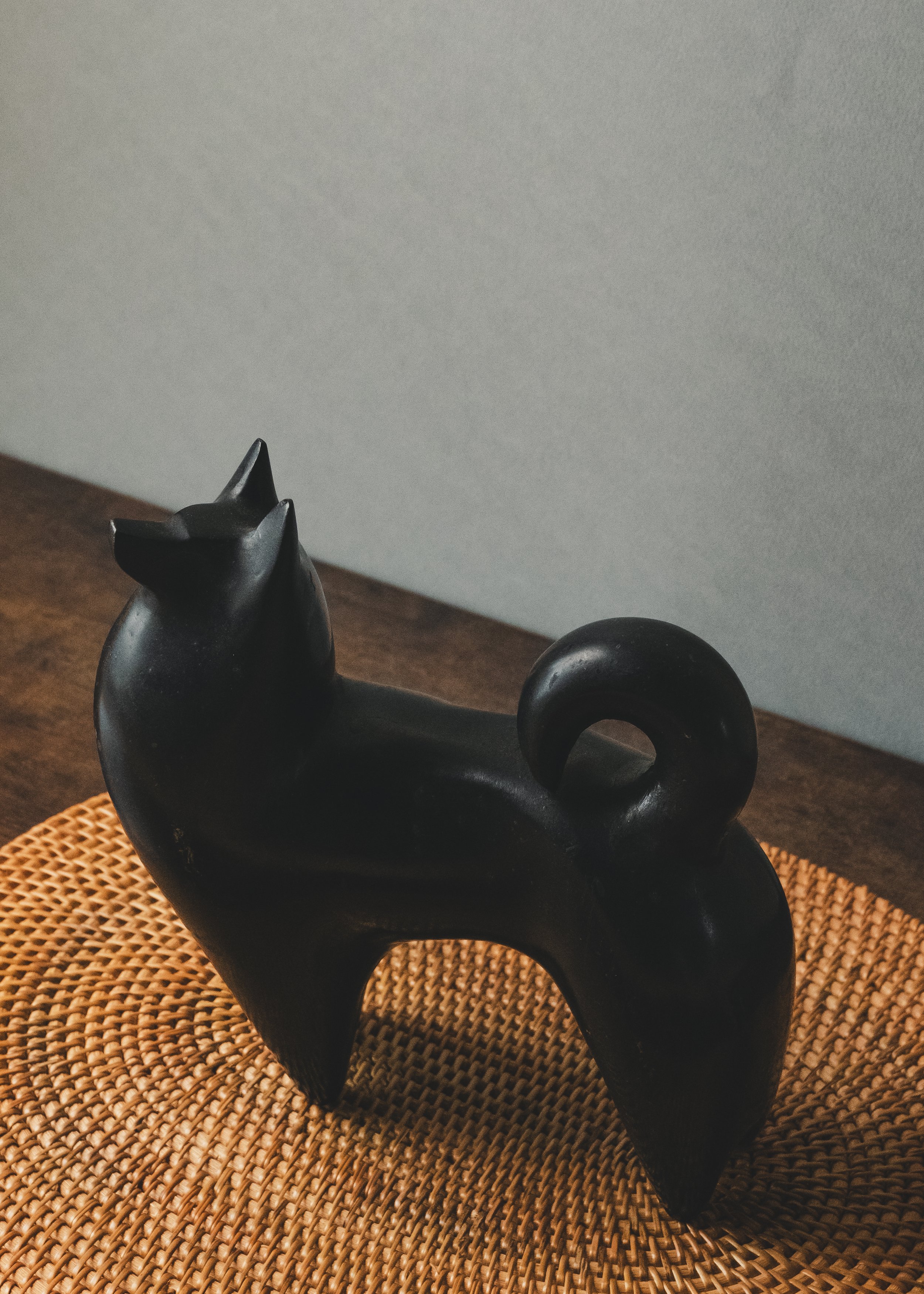
Identity: Anonymous Craft (Seto Novelty Lineage).Origin: Aichi Prefecture, Japan (The heart of ceramic mass-production).Technique: Slip-cast ceramic / Ameyu (Iron Amber Glaze).Function: Structural Ornament / Feng Shui Object (Success & Protection).
【 Dimensions (Approx.) 】
Height: 15.0 cm (5.9 in)Length: 14.0 cm (5.5 in)Width: 5.0 cm (2.0 in)Weight: 208g (0.46 lbs)
RELATED ARCHIVAL SPECIMENS
【The Spirit】
A Heavy Anchor for a Quiet Soul.
Forged in 1,400-degree flames, this solid cast iron sculpture is a masterclass in Japanese subtraction. While Nambu Tekki is world-renowned for tea kettles, this vintage specimen strips away all ornamentation to reveal the primordial essence of the Japanese Dog. It possesses a silent, tectonic gravity that plastic or wood cannot claim. In an era of digital transience, this "Guardian" serves as a physical anchor—grounding the energy of your space with its immovable iron presence.
【Heritage】
Born in the smoke and fire of Iwate.
Nambu Tekki is a legacy of 400 years, born in the snow-covered mountains of Northern Japan. This piece represents the Mid-20th-century transition where ancient blacksmithing met Modernist design. The nocturnal black is achieved through "Urushi" lacquer baked at 900°C, creating an "oxidized skin" intended to endure for centuries. The "casting skin" (Ihaki) possesses a subtle, sandy vibration that swallows light, embodying the Zen aesthetic of "finding light within darkness."
【Meaning】
The Sentinel of Protection.
In Japanese folklore, the dog is the ultimate symbol of resilience. Historically offered to wish for safe childbirth and the healthy growth of children, it acts as a silent sentry for the home. Its resolute, four-legged stance represents "Koshitoku" (immovable dignity)—the virtue of standing firm regardless of the winds that blow around it.
【Patina】
The Maturation of Memories.
Unlike mass-produced décor, this iron spirit is designed to be "raised." Through decades of touch, oxygen, and light oxidation, the nocturnal black will transition into a distinguished charcoal gray. This is the "Patina of Time"—the visual accumulation of memories within a household. It does not wear out; it matures.
【Presence】
Commanding silence in a modern space.
Despite its modest height, its extreme weight commands absolute authority. It is the perfect "Silent Partner" for a modern workspace, keeping watch over your focus. It sits with dignity on a minimalist entryway console or a darkened bookshelf, offering stability to any interior rooted in Zen or Japandi aesthetics.