【The Spirit】
Turning misfortune into victory.
In the Japanese spiritual dictionary, the word for monkey is "Saru," which shares its sound with the verb meaning "To Leave." This specimen is known as Ma-saru—literally translating to "Misfortune Leaves" or "Surpassing Challenges." Far more than a pet, this spirit acts as a dynamic shield, intended to accelerate the exit of negative energy while welcoming a state of triumph and resilience into its new sanctuary.
【The Form】
The quiet embrace of a Substitute.
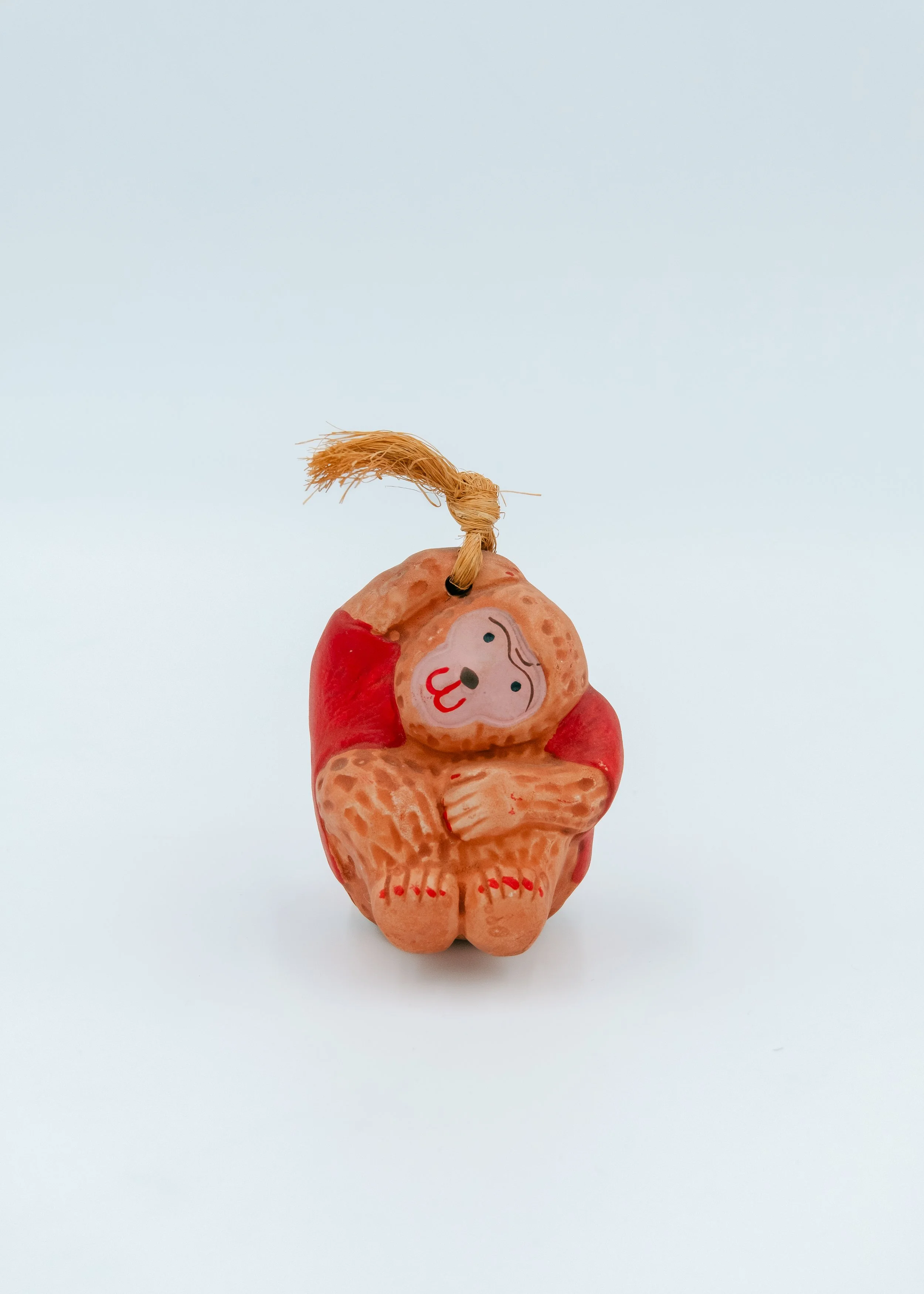
This specific posture—known as "Uzukumari" (Seated Huddle)—carries profound psychological depth. Unlike a wild creature, the monkey sits with arms around its knees, appearing modest and contemplative. Historically, this form signifies a "Substitution" (Migawari); the spirit huddles small to catch and contain the bad luck meant for its guardian, allowing the inhabitants of the home to remain untouched and upright.
【Symbolism】
The Crimson Barrier.
The aesthetics of this piece reflect centuries of Japanese defensive rituals:
The Red Gaze: The pink face with bold "Kumadori" (Kabuki-style markings) is not mere decoration. In the pre-modern era, red was the sacred frequency used to ward off invisible anxieties and physical ailments. It represents a divine, incorruptible fire.
The Obsidian Earth: The soft, matte-grey body honors the actual fur of the Japanese Macaque, treated with an earthy, "Wabi-sabi" palette that blends seamlessly into the shadows of a room.
Pure Intent: The fine white lines detailing the claws and chest represent "Uracho" (lack of deception), signifying a messenger of the gods who acts with absolute sincerity and transparency.
【Identity】
Anonymous Devotion.
Crafted in the High-Showa era, this ceramic artifact follows the traditional lineage of Kyoto "Fushimi" clay work. It belongs to the sacred ecosystem of Shinto shrines, where unknown artisans focused purely on the spirit's effectiveness rather than their own fame. The textured clay skin and the gentle weight of the hollow bell serve as physical proof of an anonymous artisan’s prayer for the public good.
【Presence】
A grounding companion for the focused mind.
With its humble size and serene posture, the Masaru monkey is a perfect "Tool for the Soul." It finds its home on the corner of a modern work desk to guard against burnout, or placed discreetly upon an entryway console to purify the energy of all who pass. It does not demand attention; it quietly maintains the peace.
【The Spirit】
Turning misfortune into victory.
In the Japanese spiritual dictionary, the word for monkey is "Saru," which shares its sound with the verb meaning "To Leave." This specimen is known as Ma-saru—literally translating to "Misfortune Leaves" or "Surpassing Challenges." Far more than a pet, this spirit acts as a dynamic shield, intended to accelerate the exit of negative energy while welcoming a state of triumph and resilience into its new sanctuary.
【The Form】
The quiet embrace of a Substitute.
This specific posture—known as "Uzukumari" (Seated Huddle)—carries profound psychological depth. Unlike a wild creature, the monkey sits with arms around its knees, appearing modest and contemplative. Historically, this form signifies a "Substitution" (Migawari); the spirit huddles small to catch and contain the bad luck meant for its guardian, allowing the inhabitants of the home to remain untouched and upright.
【Symbolism】
The Crimson Barrier.
The aesthetics of this piece reflect centuries of Japanese defensive rituals:
The Red Gaze: The pink face with bold "Kumadori" (Kabuki-style markings) is not mere decoration. In the pre-modern era, red was the sacred frequency used to ward off invisible anxieties and physical ailments. It represents a divine, incorruptible fire.
The Obsidian Earth: The soft, matte-grey body honors the actual fur of the Japanese Macaque, treated with an earthy, "Wabi-sabi" palette that blends seamlessly into the shadows of a room.
Pure Intent: The fine white lines detailing the claws and chest represent "Uracho" (lack of deception), signifying a messenger of the gods who acts with absolute sincerity and transparency.
【Identity】
Anonymous Devotion.
Crafted in the High-Showa era, this ceramic artifact follows the traditional lineage of Kyoto "Fushimi" clay work. It belongs to the sacred ecosystem of Shinto shrines, where unknown artisans focused purely on the spirit's effectiveness rather than their own fame. The textured clay skin and the gentle weight of the hollow bell serve as physical proof of an anonymous artisan’s prayer for the public good.
【Presence】
A grounding companion for the focused mind.
With its humble size and serene posture, the Masaru monkey is a perfect "Tool for the Soul." It finds its home on the corner of a modern work desk to guard against burnout, or placed discreetly upon an entryway console to purify the energy of all who pass. It does not demand attention; it quietly maintains the peace.


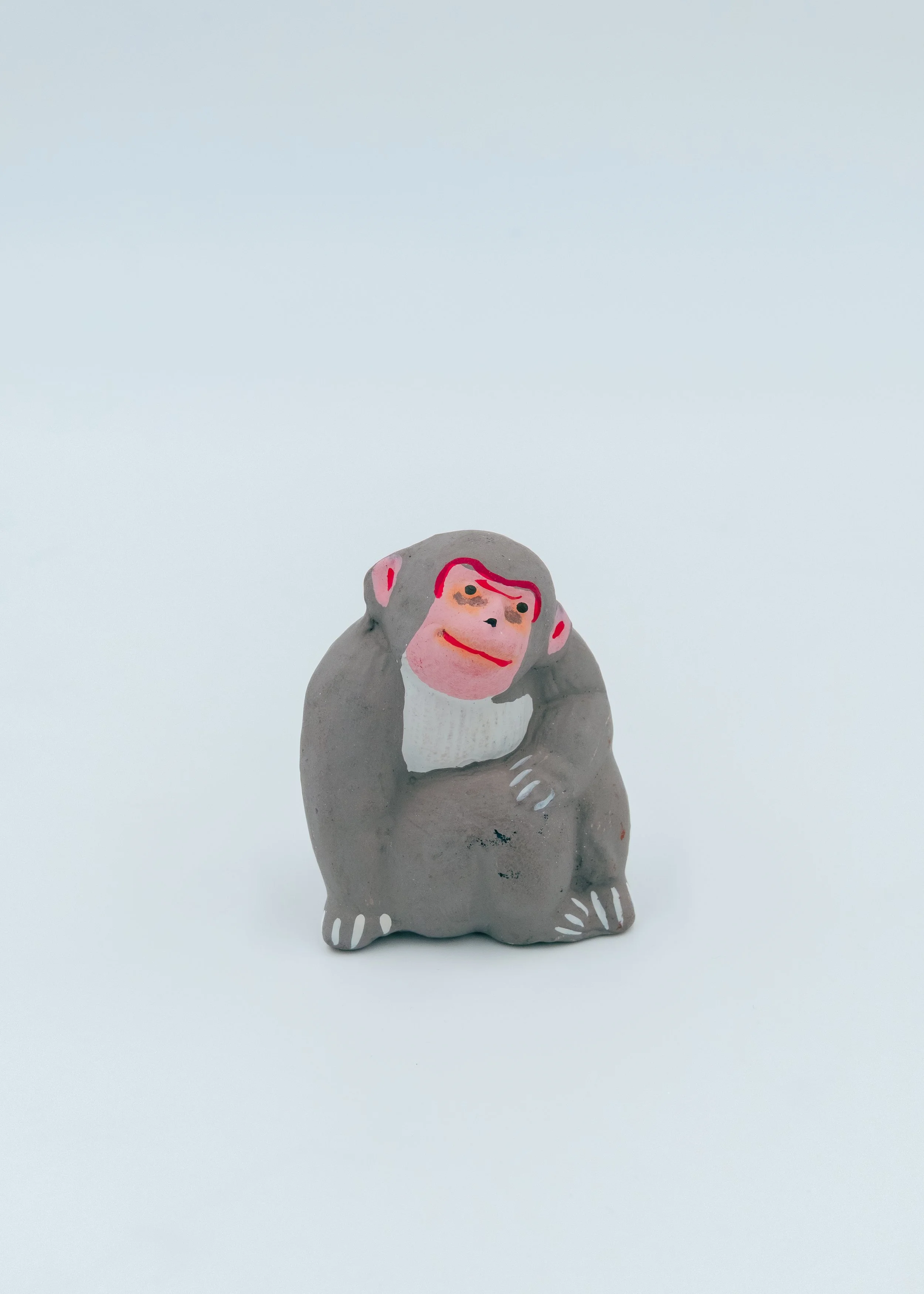 Image 1 of 8
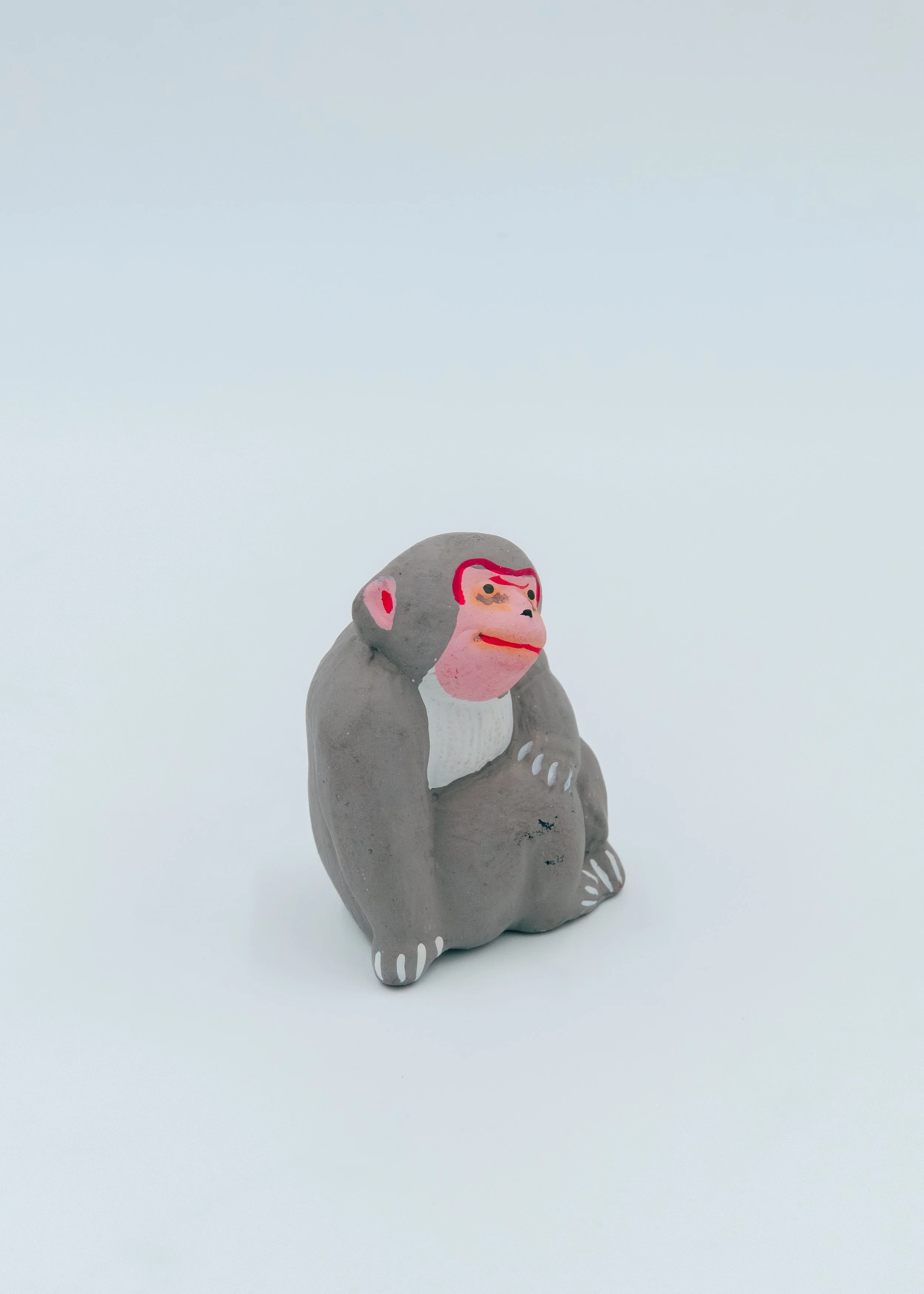 Image 2 of 8
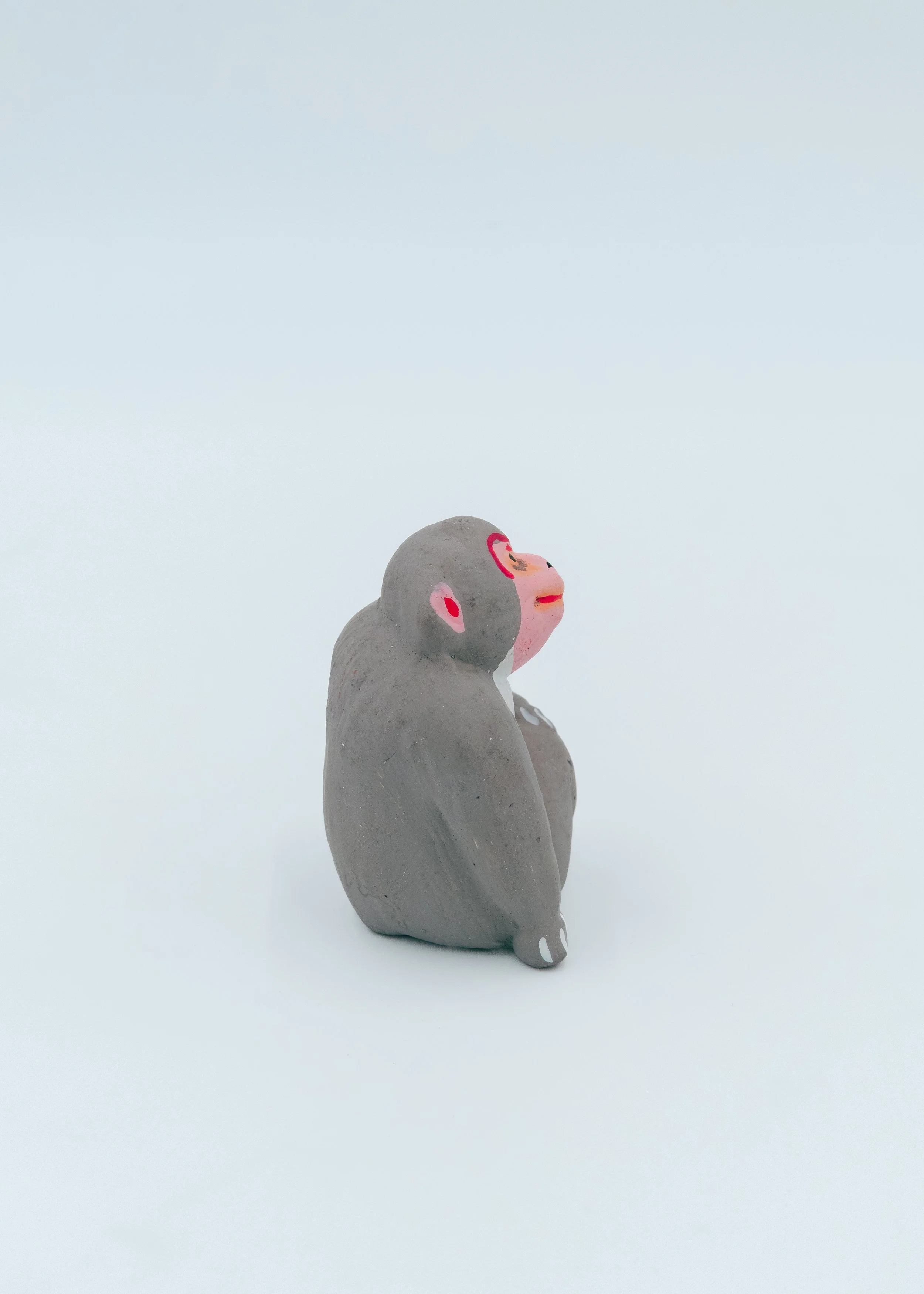 Image 3 of 8
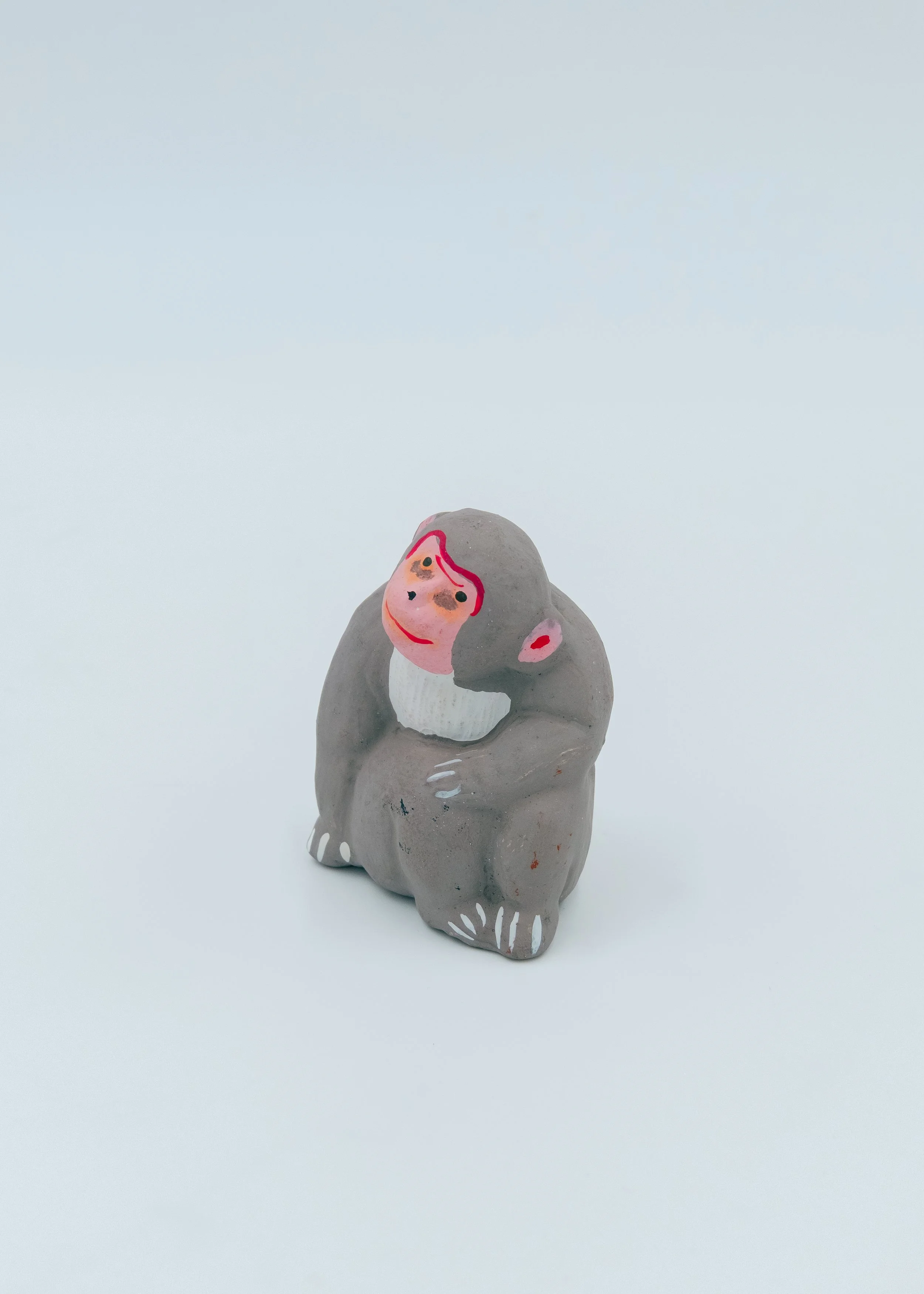 Image 4 of 8
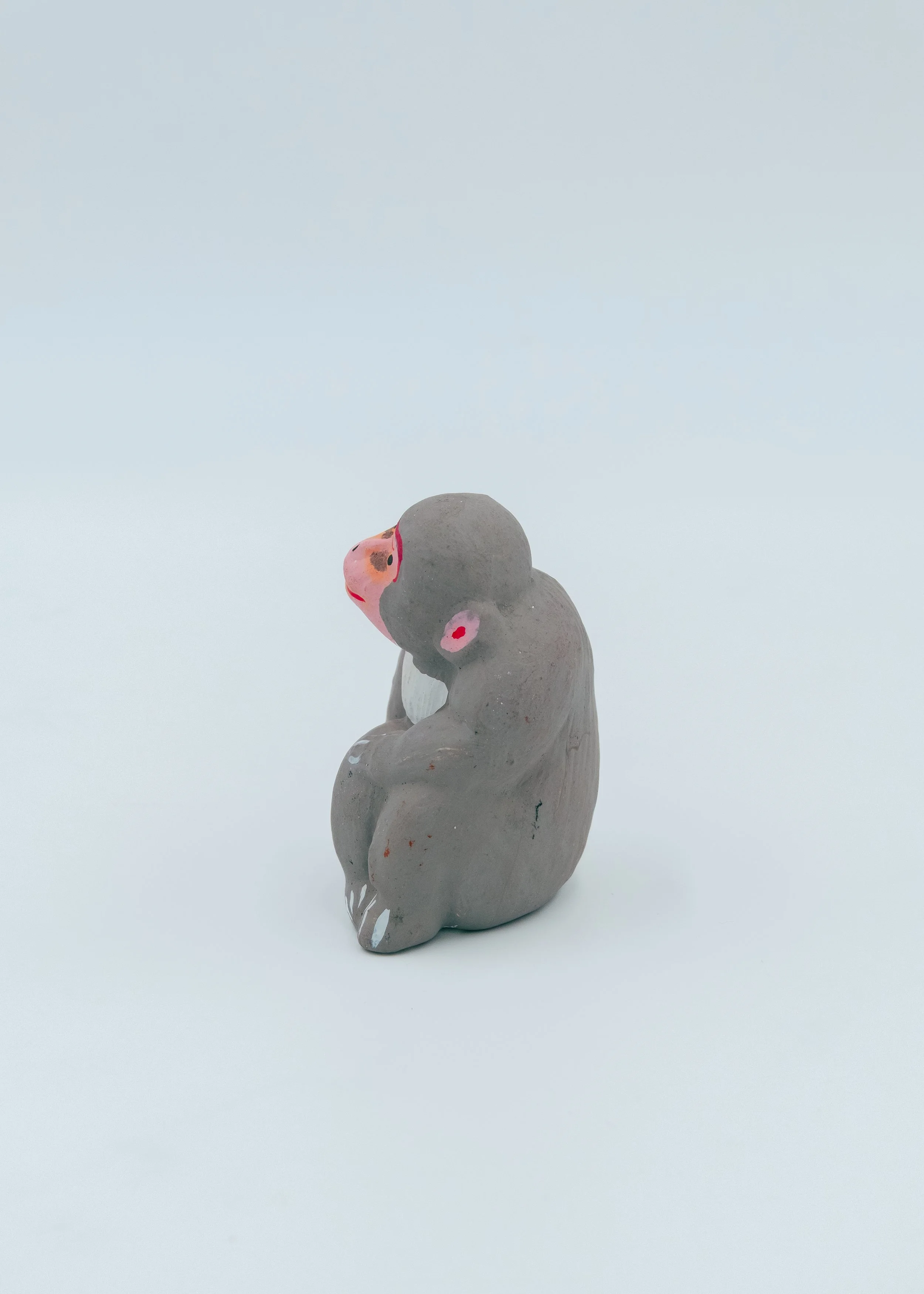 Image 5 of 8
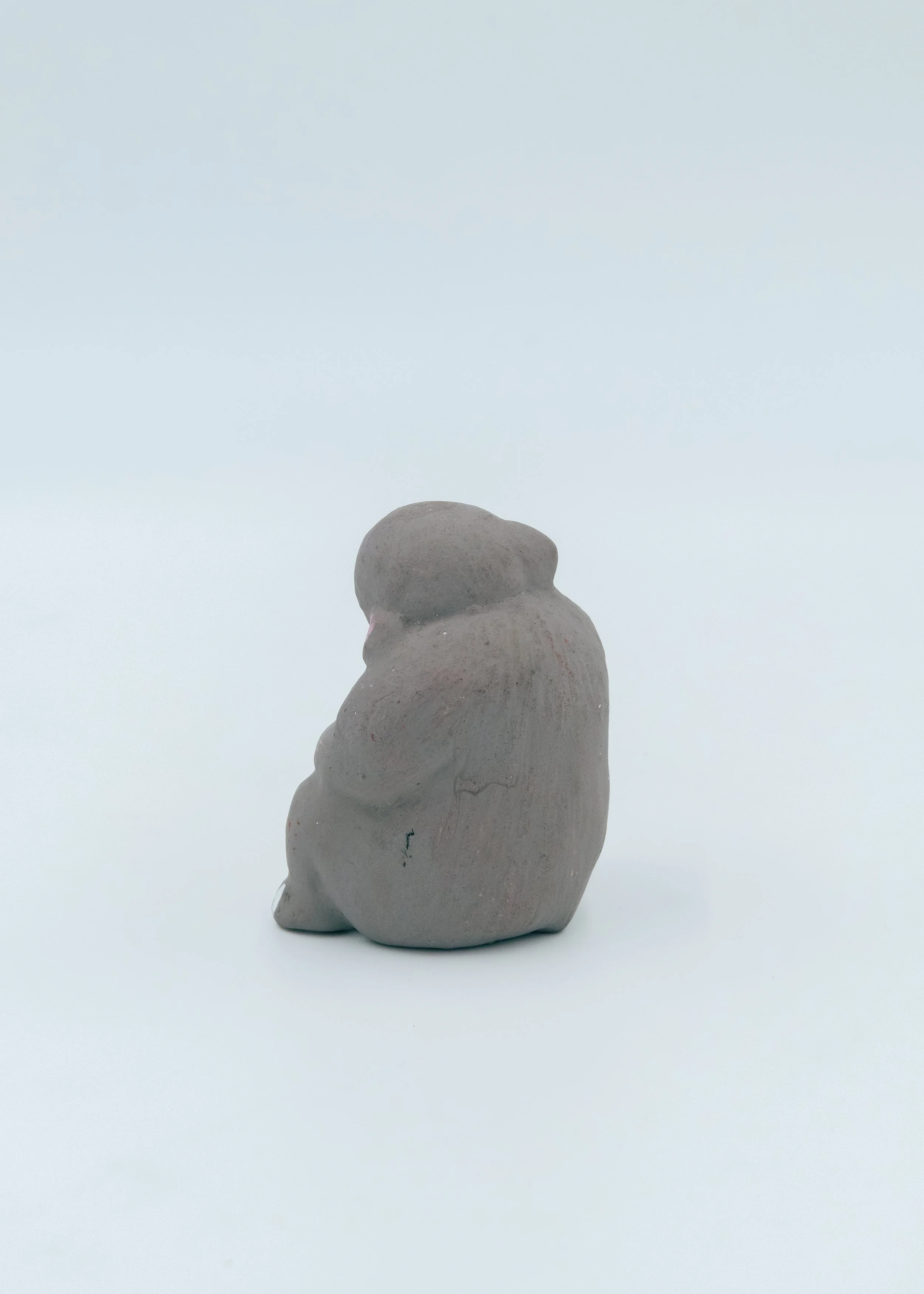 Image 6 of 8
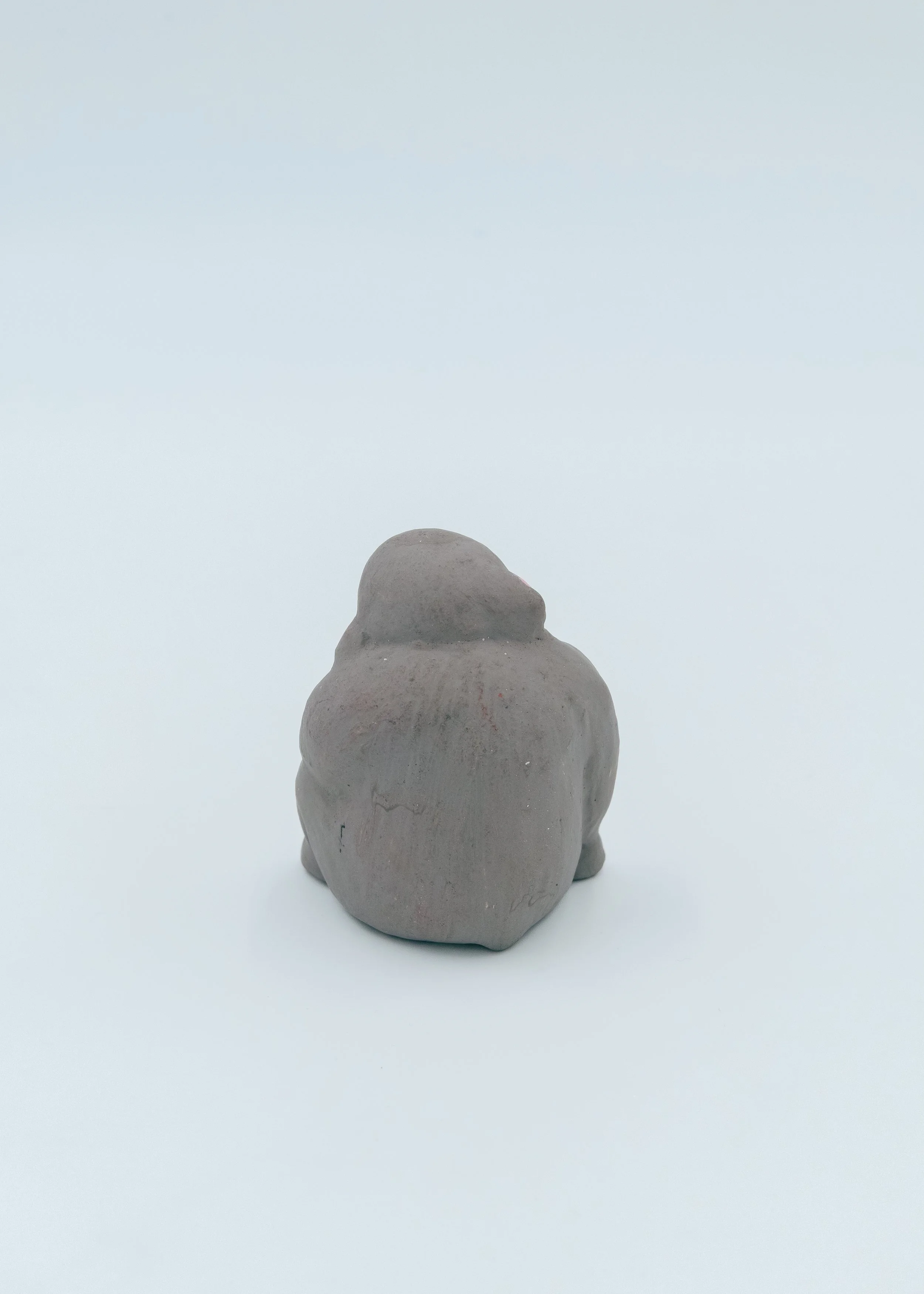 Image 7 of 8
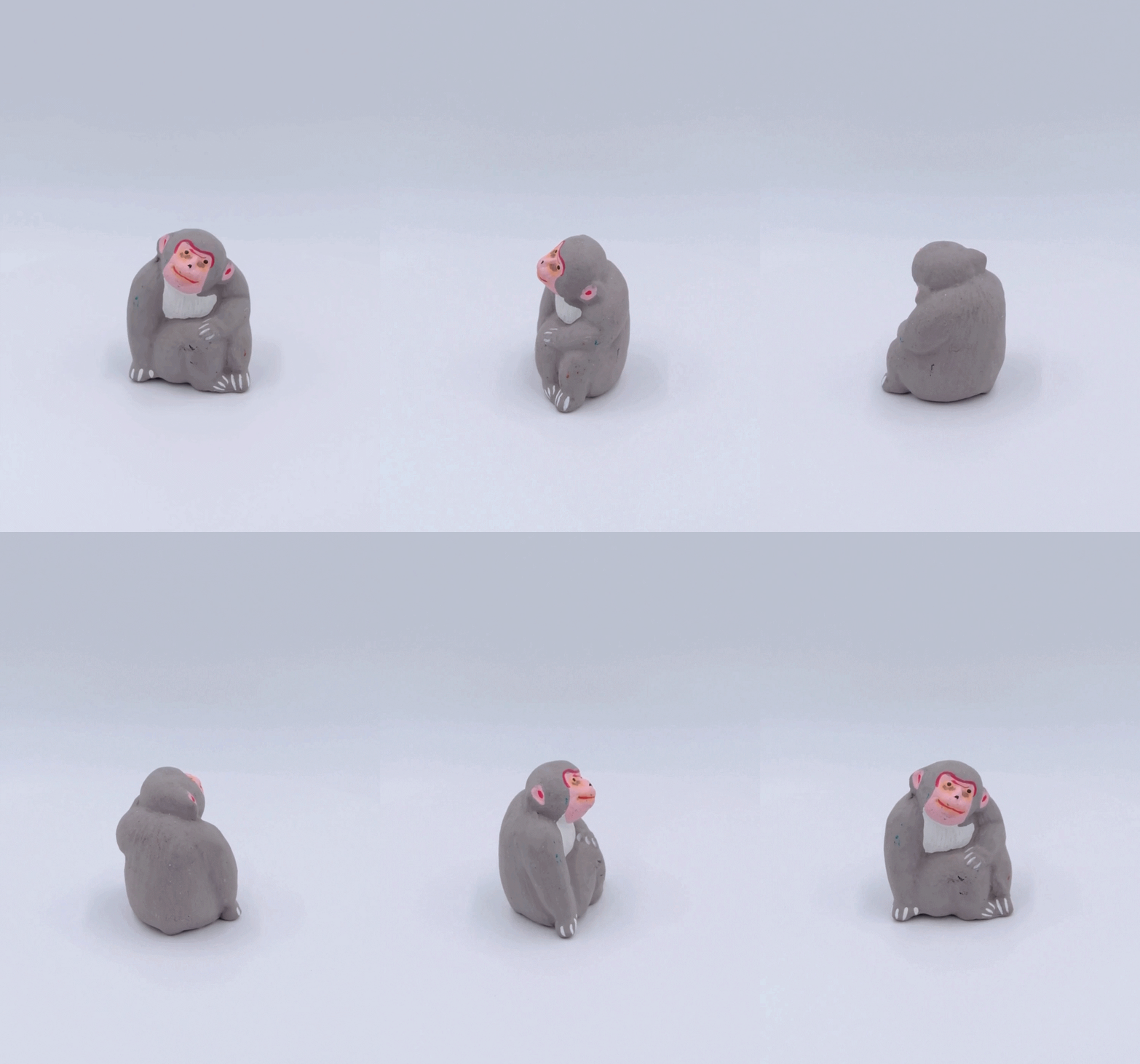 Image 8 of 8