【The Spirit】
Where laughter wards off shadows.
Born in 1945, amidst the post-war longing for spiritual nourishment, this vibrant "Nogomi" clay bell is a celebration of resilience. In the Japanese worldview, the monkey (Saru) is not merely an animal, but a divine messenger with a linguistical superpower: "Ma-ga-saru"—a pun meaning "Evil shall depart." This object is curated not just for its form, but as a proactive vessel that cleanses the atmospheric weight of a room through its playful existence and sacred sound.
【Amulet of Crimson】
The defensive shield of Red.
The most striking element of this specimen is its brilliant "Chanchan-ko" (traditional vest). In Japanese folklore, red is the ultimate frequency of protection:
Barricade against Misfortune: Historically, red was believed to repel sickness and misfortune, especially for the young and the vulnerable.
The Red Monkey Ritual: Known as "Akamono," red monkey talismans serve as spiritual substitutes, absorbing the "Bad luck" of the household so the inhabitants remain untouched.
Eternal Rebirth: The red vest also mirrors the robes worn during Kanreki (the 60th birthday), symbolizing a return to the purity of a newborn and the start of a fresh cycle of life.
【The Textile Heritage】
Artistry borrowed from a loom.
Unique to this regional archive is the sophistication of the patterns. While we honor the tradition of anonymity, this bell emerges from a lineage deeply tied to high-class textile dyeing. Each brushstroke upon the clay reflects the precision of Edo-period "Sarasa" (chintz) printing. The contrast between the matte, raw texture of the "fired earth" body and the vivid shell-powder white (Gofun) face creates a visual tension that defines high-vintage Japanese folk design.
【Rhythm of the Heart】
A gentle awakening.
When lifted, the internal clay orb produces a characteristic "koro-koro" rattle. In the quiet logic of Mingei, this sound serves two purposes: to summon a moment of presence for the guardian and to symbolically shake away stagnancy. It is a "Tool of the Soul," designed to occupy the gap between physical reality and spiritual peace.
【Presence】
A vivid anchor for modern shelves.
Its rounded, compact silhouette offers an organic contrast to the sharp lines of modern electronics and glass. This "Spirit" finds its ideal home on a curated bookshelf, a bedside cabinet, or a creative workstation. It acts as a guardian of focus and a reminder that true protection often comes in humble, lighthearted forms.
【The Spirit】
Where laughter wards off shadows.
Born in 1945, amidst the post-war longing for spiritual nourishment, this vibrant "Nogomi" clay bell is a celebration of resilience. In the Japanese worldview, the monkey (Saru) is not merely an animal, but a divine messenger with a linguistical superpower: "Ma-ga-saru"—a pun meaning "Evil shall depart." This object is curated not just for its form, but as a proactive vessel that cleanses the atmospheric weight of a room through its playful existence and sacred sound.
【Amulet of Crimson】
The defensive shield of Red.
The most striking element of this specimen is its brilliant "Chanchan-ko" (traditional vest). In Japanese folklore, red is the ultimate frequency of protection:
Barricade against Misfortune: Historically, red was believed to repel sickness and misfortune, especially for the young and the vulnerable.
The Red Monkey Ritual: Known as "Akamono," red monkey talismans serve as spiritual substitutes, absorbing the "Bad luck" of the household so the inhabitants remain untouched.
Eternal Rebirth: The red vest also mirrors the robes worn during Kanreki (the 60th birthday), symbolizing a return to the purity of a newborn and the start of a fresh cycle of life.
【The Textile Heritage】
Artistry borrowed from a loom.
Unique to this regional archive is the sophistication of the patterns. While we honor the tradition of anonymity, this bell emerges from a lineage deeply tied to high-class textile dyeing. Each brushstroke upon the clay reflects the precision of Edo-period "Sarasa" (chintz) printing. The contrast between the matte, raw texture of the "fired earth" body and the vivid shell-powder white (Gofun) face creates a visual tension that defines high-vintage Japanese folk design.
【Rhythm of the Heart】
A gentle awakening.
When lifted, the internal clay orb produces a characteristic "koro-koro" rattle. In the quiet logic of Mingei, this sound serves two purposes: to summon a moment of presence for the guardian and to symbolically shake away stagnancy. It is a "Tool of the Soul," designed to occupy the gap between physical reality and spiritual peace.
【Presence】
A vivid anchor for modern shelves.
Its rounded, compact silhouette offers an organic contrast to the sharp lines of modern electronics and glass. This "Spirit" finds its ideal home on a curated bookshelf, a bedside cabinet, or a creative workstation. It acts as a guardian of focus and a reminder that true protection often comes in humble, lighthearted forms.


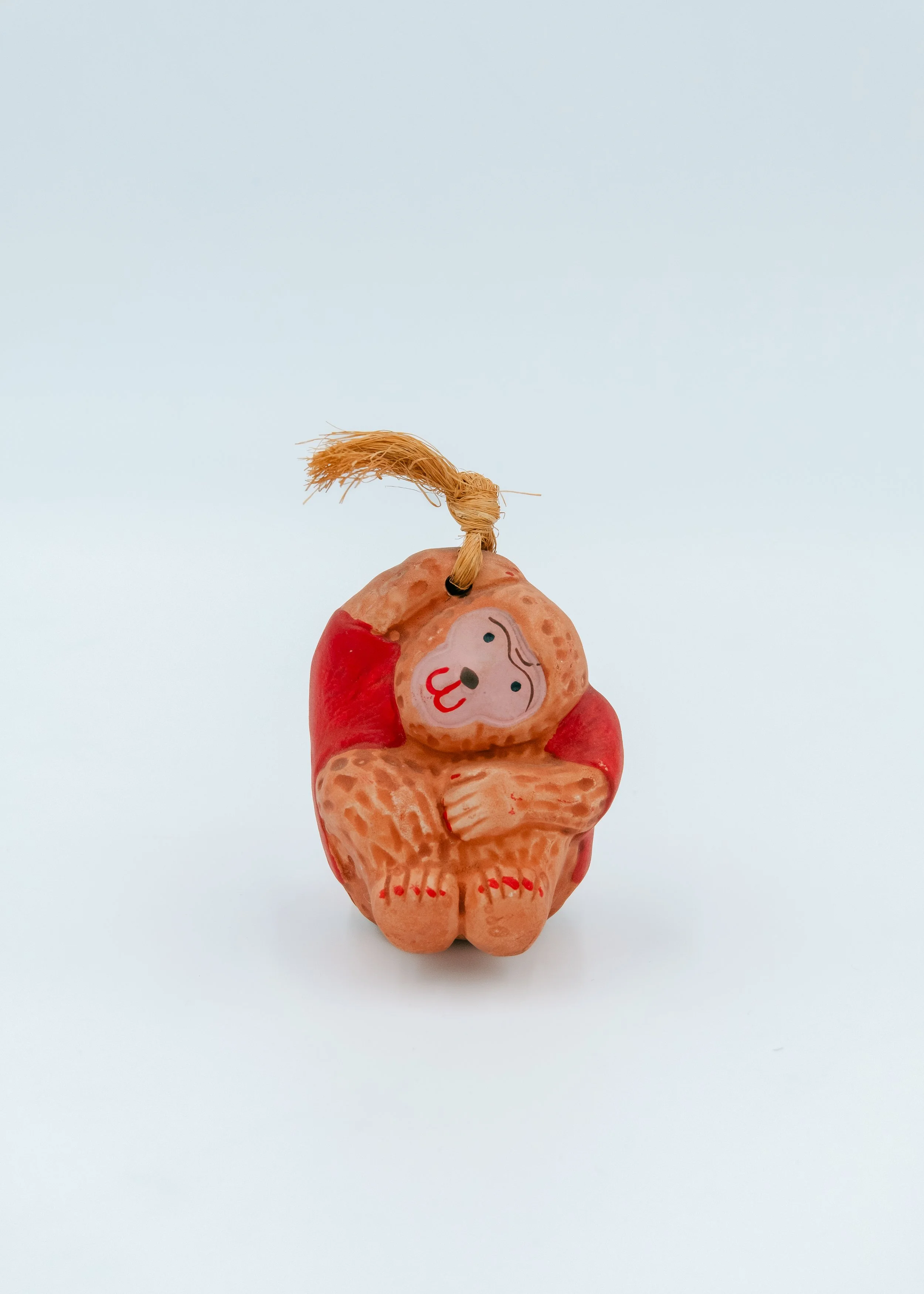 Image 1 of 8
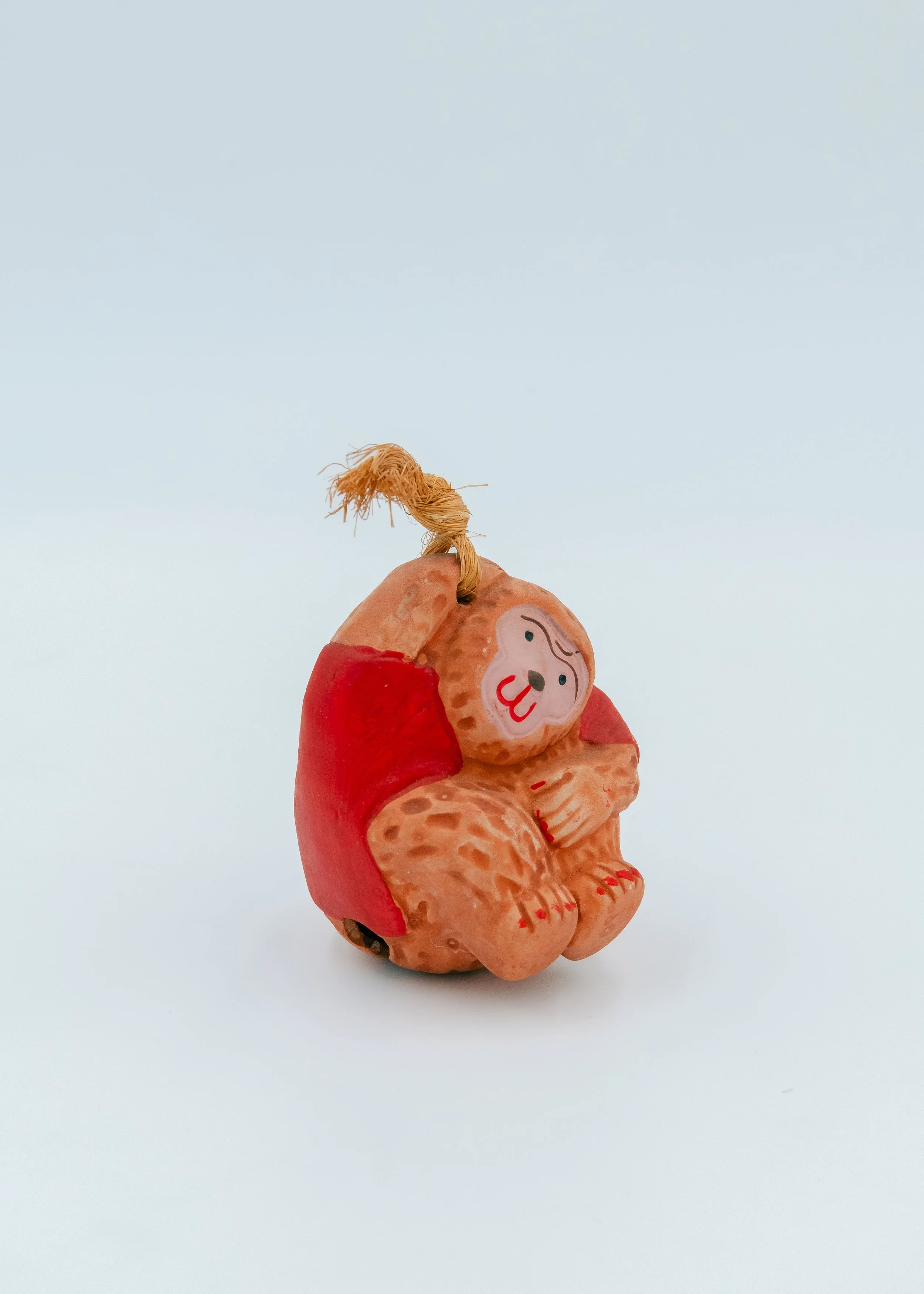 Image 2 of 8
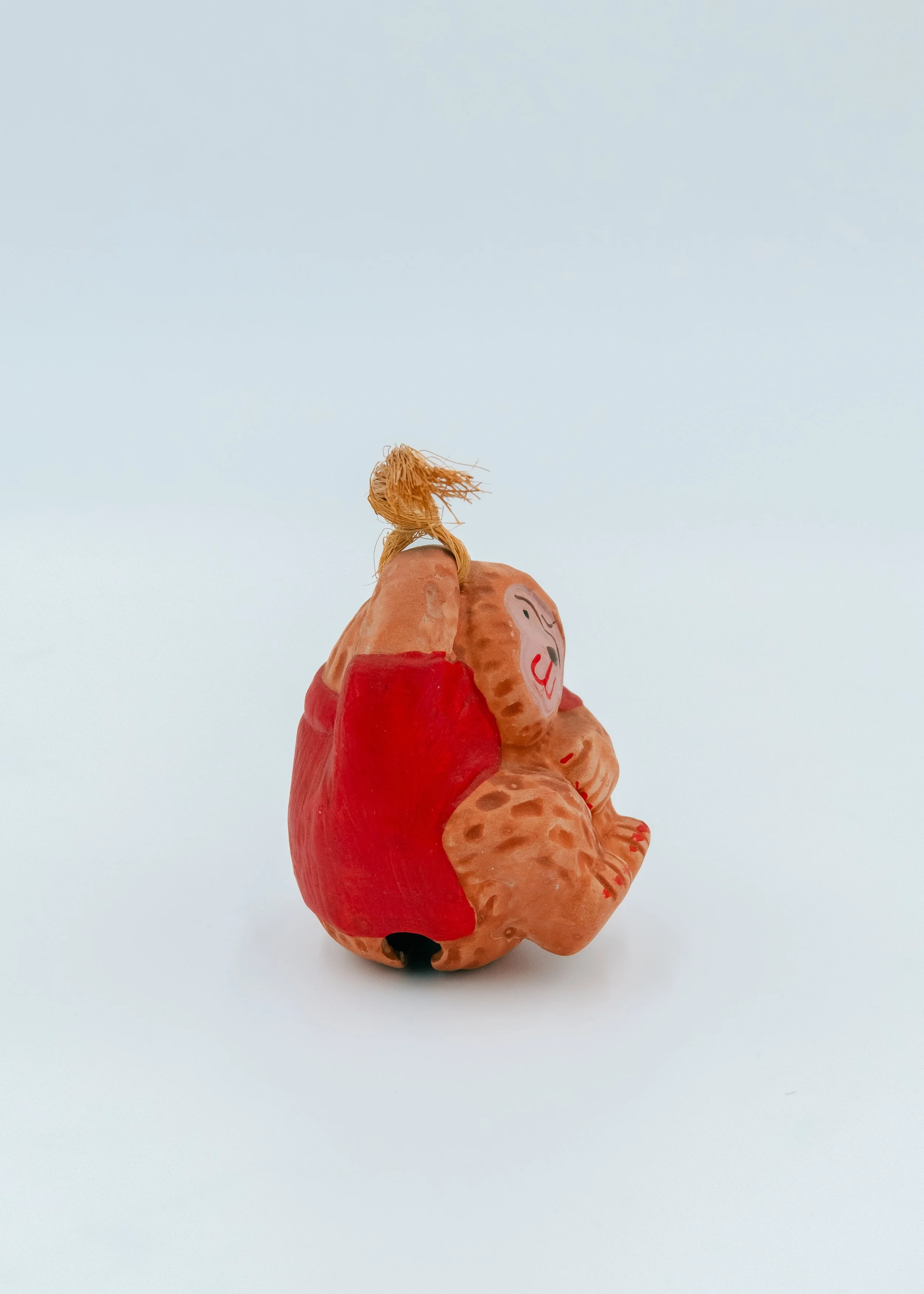 Image 3 of 8
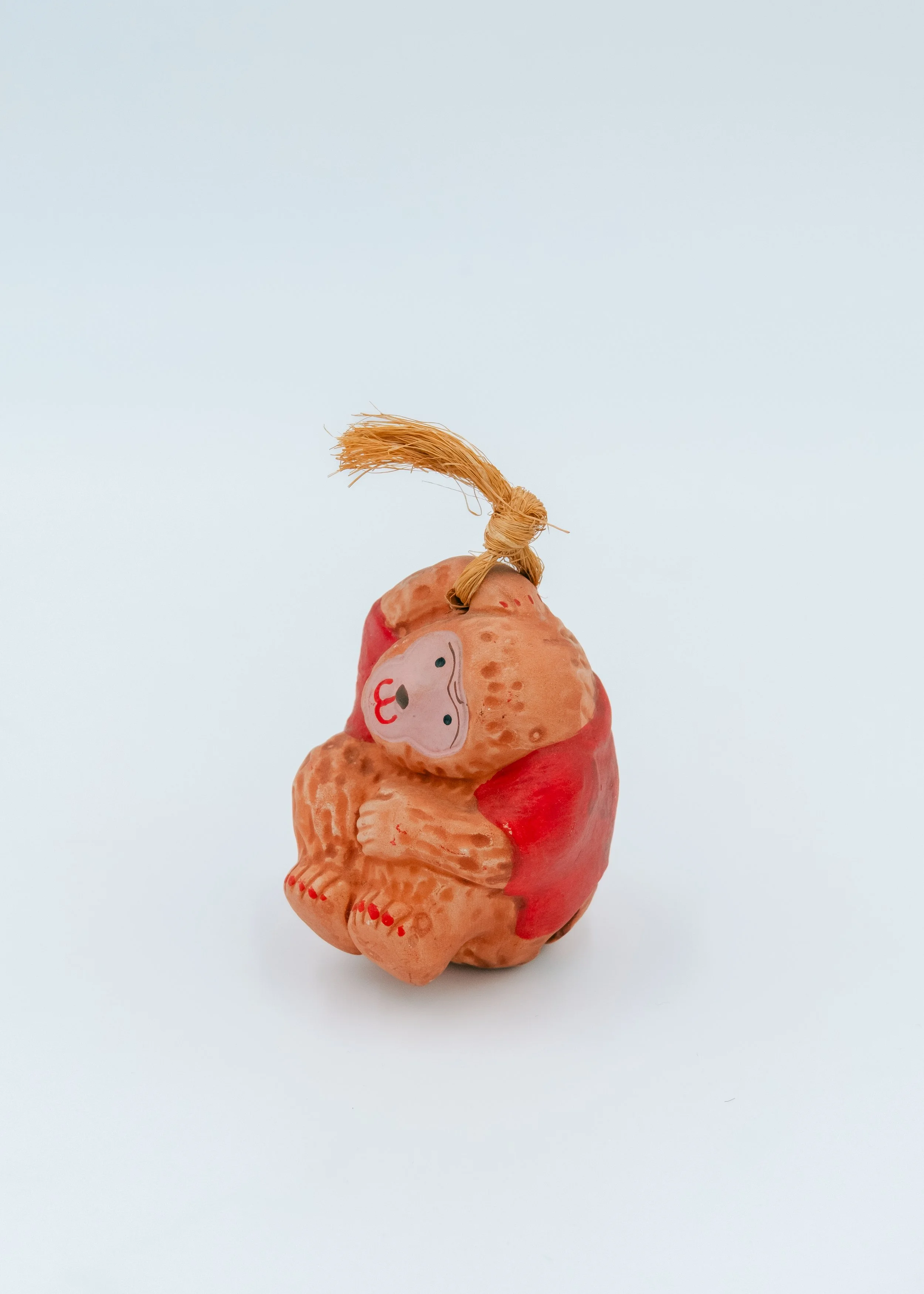 Image 4 of 8
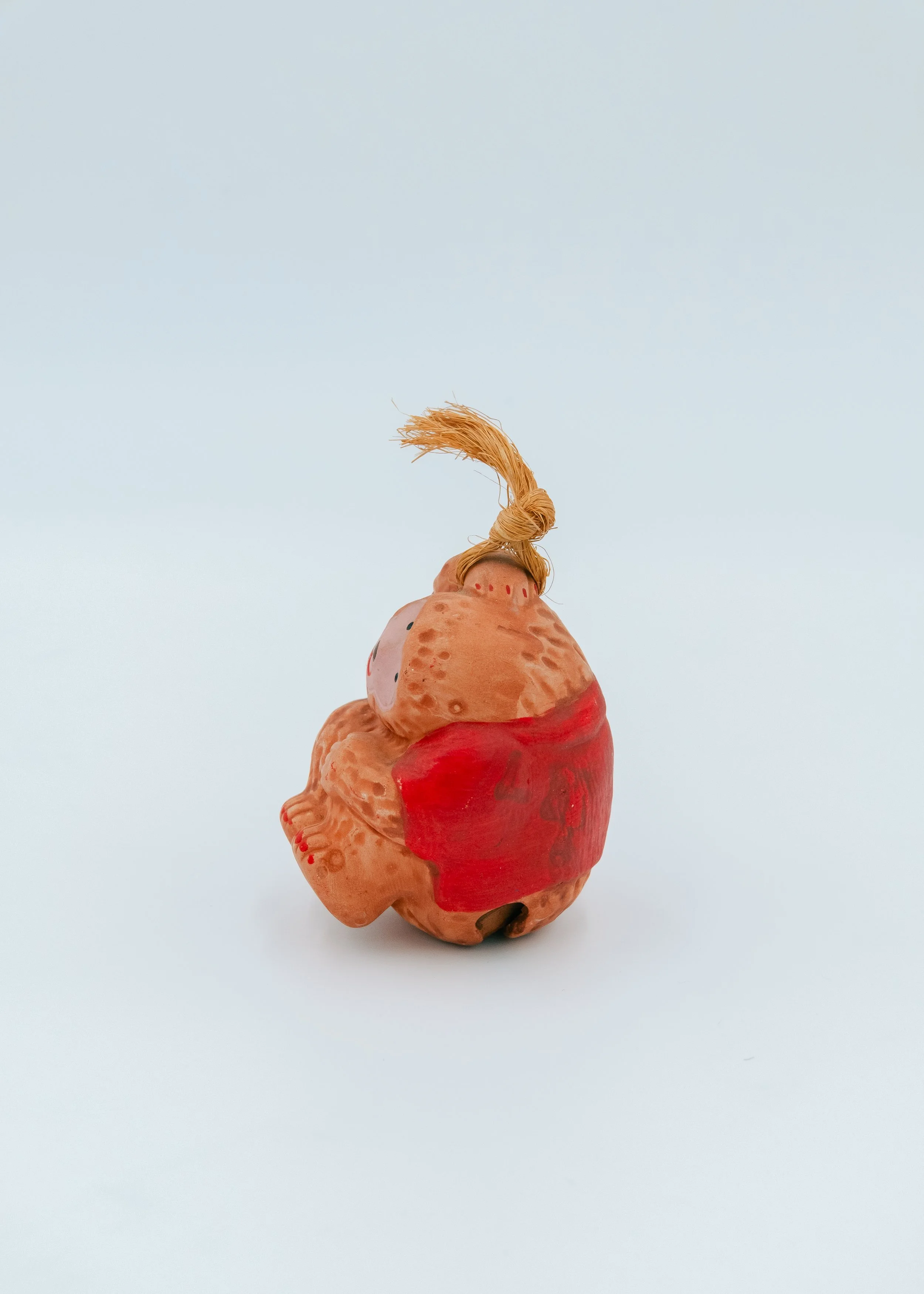 Image 5 of 8
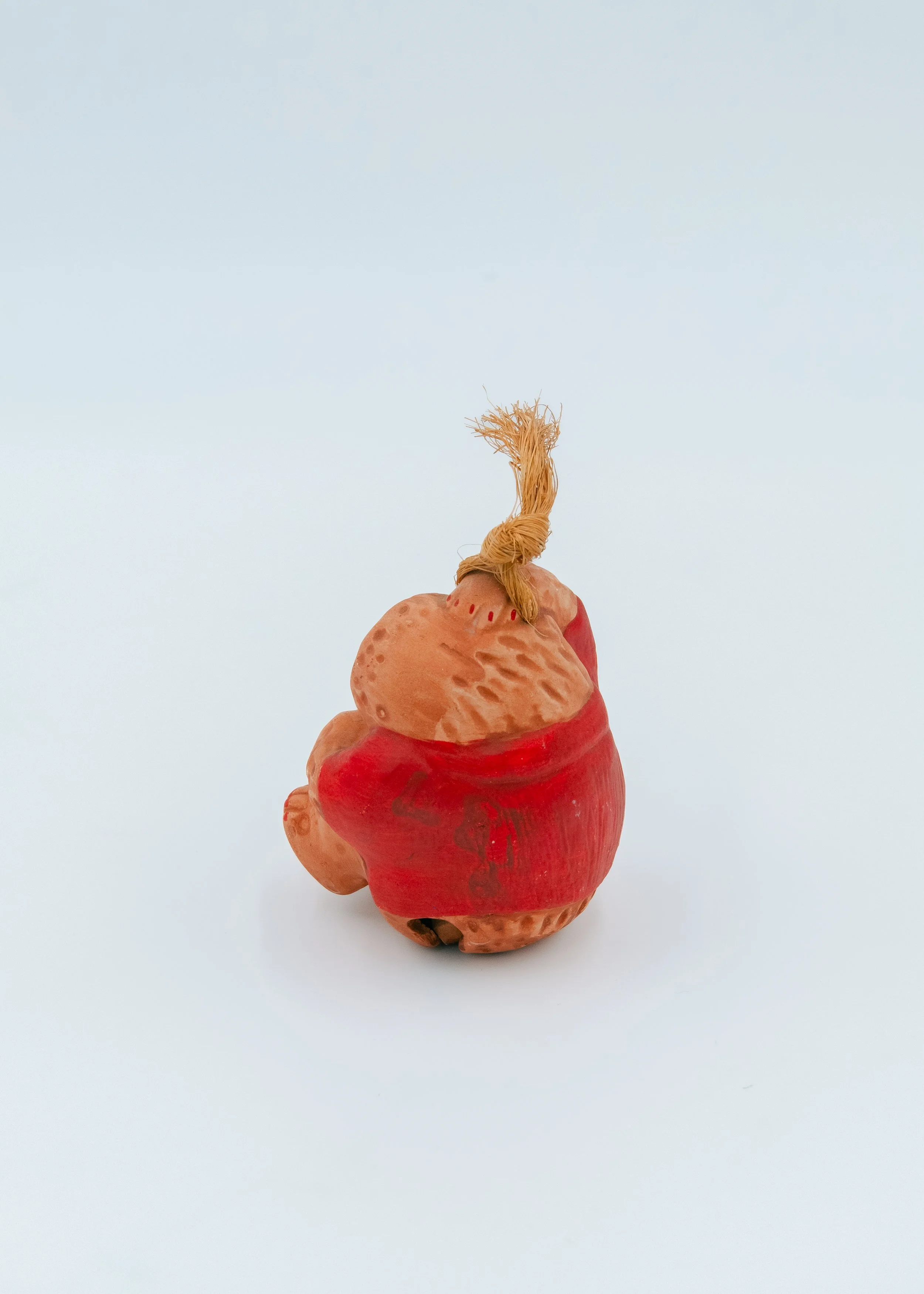 Image 6 of 8
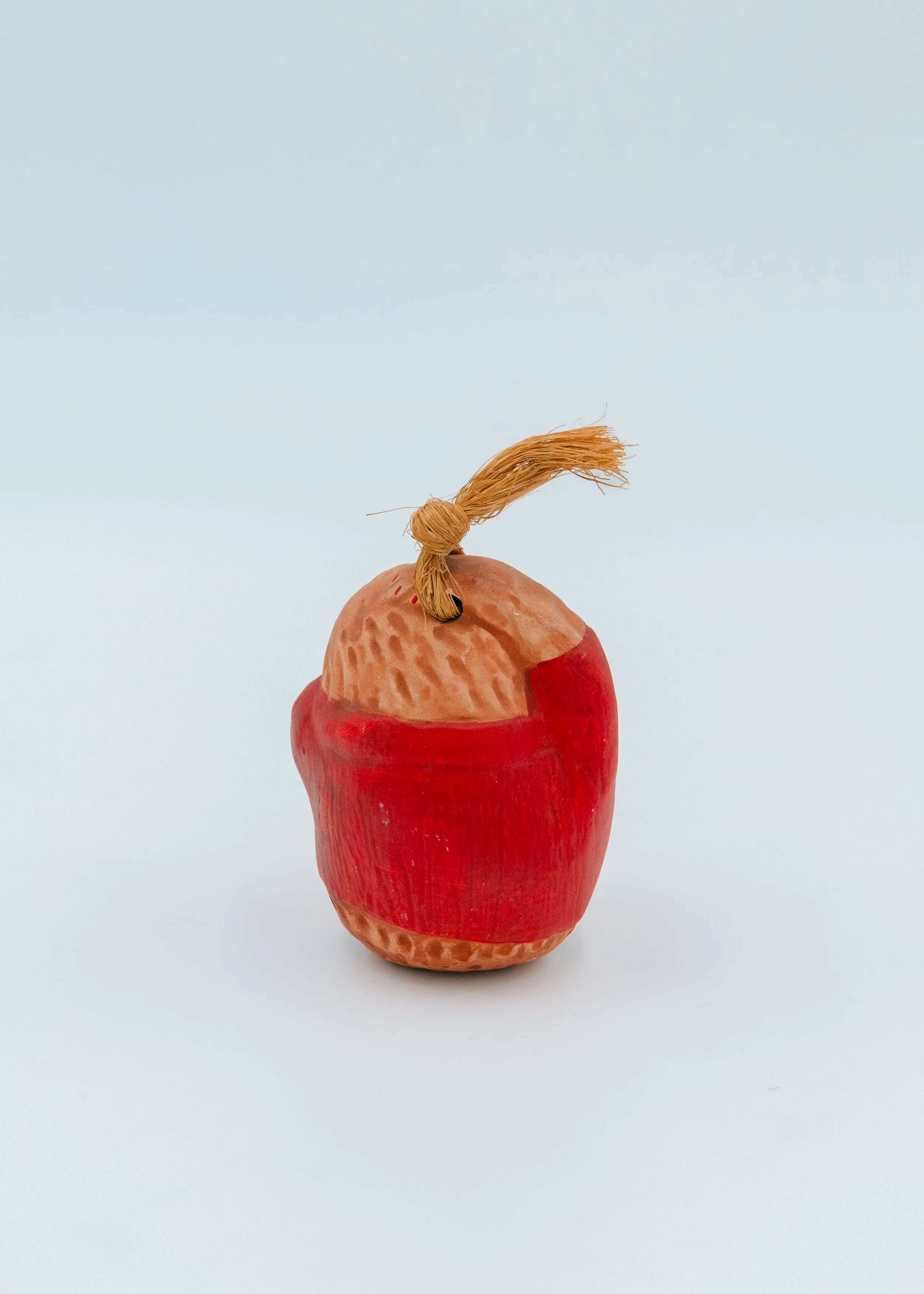 Image 7 of 8
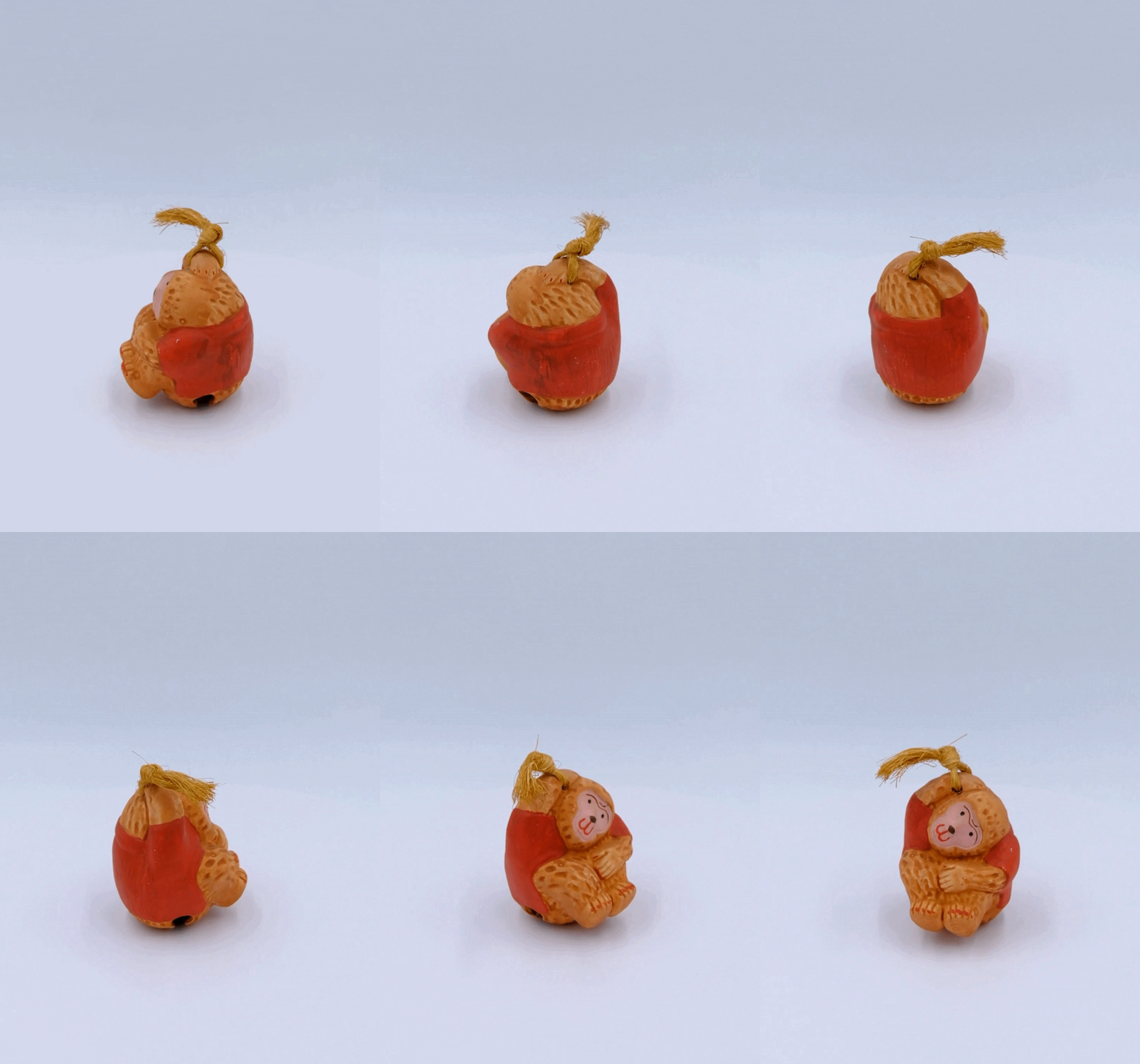 Image 8 of 8