【The Spirit】
The Architecture of Soil.
Bizen is not made; it is born. This "Tsutsu" (Cylindrical) vase is the result of a two-week-long vigil at 1,300°C. Without a single drop of glaze, the raw clay and the leaping flames of a mountain kiln have collaborated to paint a nocturnal landscape across its skin. To hold this vessel is to feel the weight of a 1,000-year-old tradition, stripped of all artifice, leaving only the primordial heartbeat of the Earth.
【Transformation】
The Grey and the Gold.
The dramatic surface contrast is a mastery of "Kama-hen" (Kiln Transformation). The deep iron-greys of Sangiri were formed by glowing ash starved of oxygen, while the amber Goma droplets are natural pine ash melted into glass. The slightly warped, hand-pressed mouth reflects a high-period aesthetic—imperfect, resolute, and undeniably "Wabi-sabi."
【Living Clay】
A living vessel for life.
Bizen’s high density and microscopic porosity act as a natural filter. It is whispered in Japan that "flowers do not wither in Bizen" because the iron-rich clay purifies the water, allowing stems to breathe long after they have been cut. It is more than a vase; it is a spiritual life-support system for beauty.
【Identity】
A sharp evidence of fire.
On the base, a single, decisive incised mark resides—an enigmatic soul-signature left by a potter of the high-vintage era. Rather than obsessing over a specific name, we observe the stroke: sharp, confident, and without hesitation. In the world of Mingei, this mark serves as an anchor of authenticity, confirming that this vessel was birthed in a premier kiln. It is an artifact identified by its innate dignity rather than the fame of a signature.
【Presence】
Architectural silence in a modern space.
With its commanding presence, it anchors the atmosphere of a room. It findsits hom e on a wooden plinth, in a lit alcove, or as a centerpiece in a minimal studio. Its organic texture serves as a silent, powerful contrast to the glass and steel of modern living.
【The Spirit】
The Architecture of Soil.
Bizen is not made; it is born. This "Tsutsu" (Cylindrical) vase is the result of a two-week-long vigil at 1,300°C. Without a single drop of glaze, the raw clay and the leaping flames of a mountain kiln have collaborated to paint a nocturnal landscape across its skin. To hold this vessel is to feel the weight of a 1,000-year-old tradition, stripped of all artifice, leaving only the primordial heartbeat of the Earth.
【Transformation】
The Grey and the Gold.
The dramatic surface contrast is a mastery of "Kama-hen" (Kiln Transformation). The deep iron-greys of Sangiri were formed by glowing ash starved of oxygen, while the amber Goma droplets are natural pine ash melted into glass. The slightly warped, hand-pressed mouth reflects a high-period aesthetic—imperfect, resolute, and undeniably "Wabi-sabi."
【Living Clay】
A living vessel for life.
Bizen’s high density and microscopic porosity act as a natural filter. It is whispered in Japan that "flowers do not wither in Bizen" because the iron-rich clay purifies the water, allowing stems to breathe long after they have been cut. It is more than a vase; it is a spiritual life-support system for beauty.
【Identity】
A sharp evidence of fire.
On the base, a single, decisive incised mark resides—an enigmatic soul-signature left by a potter of the high-vintage era. Rather than obsessing over a specific name, we observe the stroke: sharp, confident, and without hesitation. In the world of Mingei, this mark serves as an anchor of authenticity, confirming that this vessel was birthed in a premier kiln. It is an artifact identified by its innate dignity rather than the fame of a signature.
【Presence】
Architectural silence in a modern space.
With its commanding presence, it anchors the atmosphere of a room. It findsits hom e on a wooden plinth, in a lit alcove, or as a centerpiece in a minimal studio. Its organic texture serves as a silent, powerful contrast to the glass and steel of modern living.


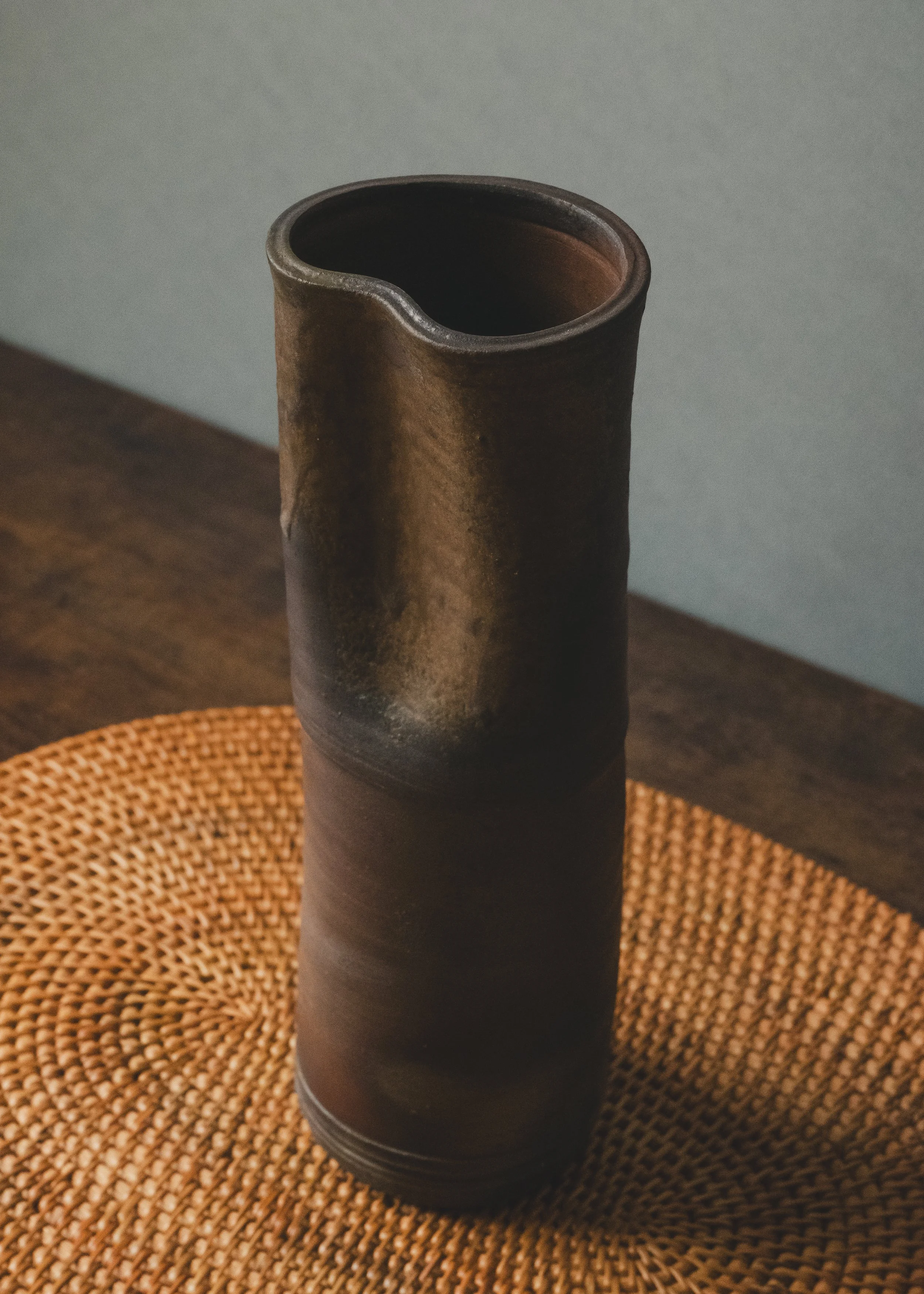 Image 1 of 8
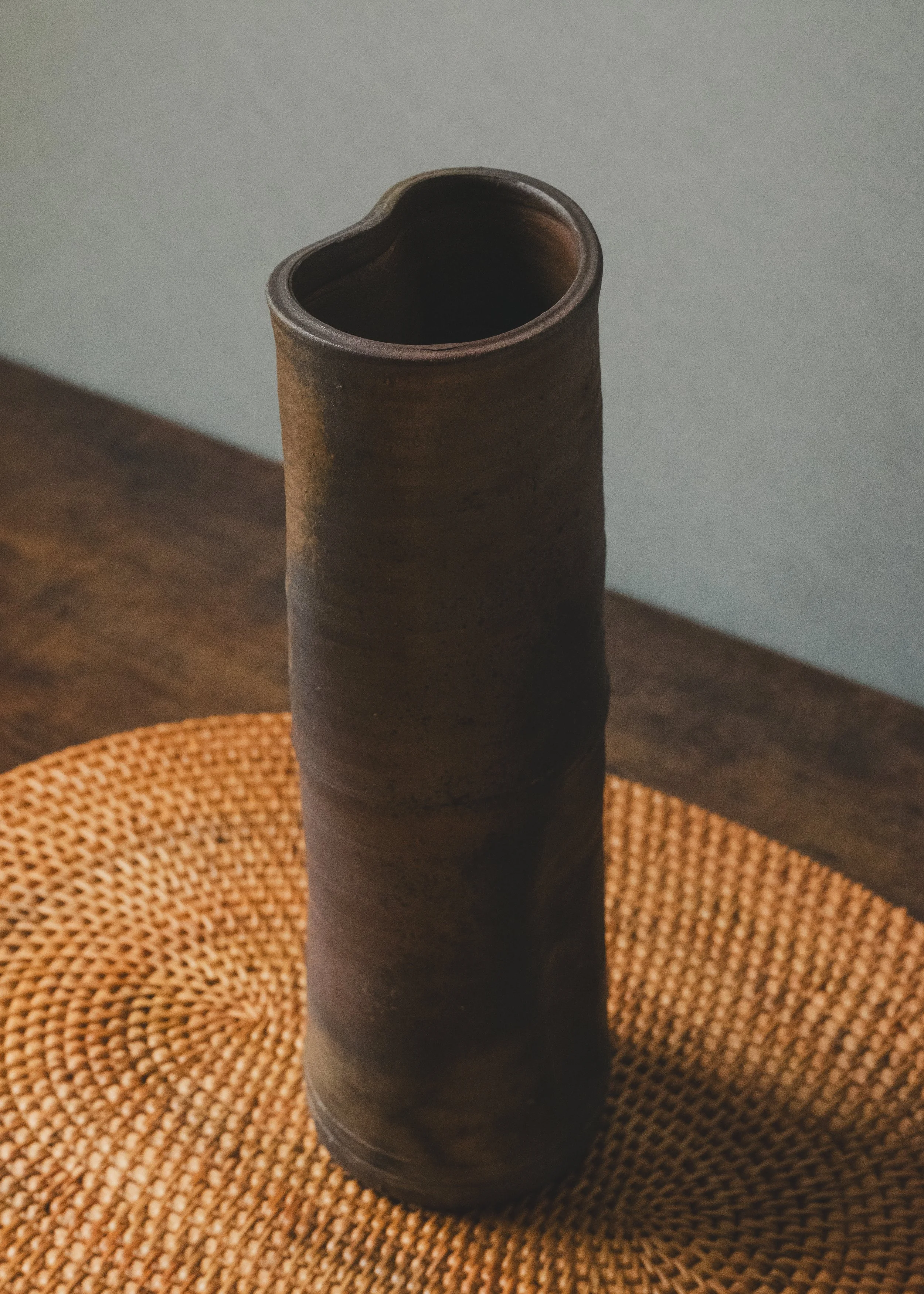 Image 2 of 8
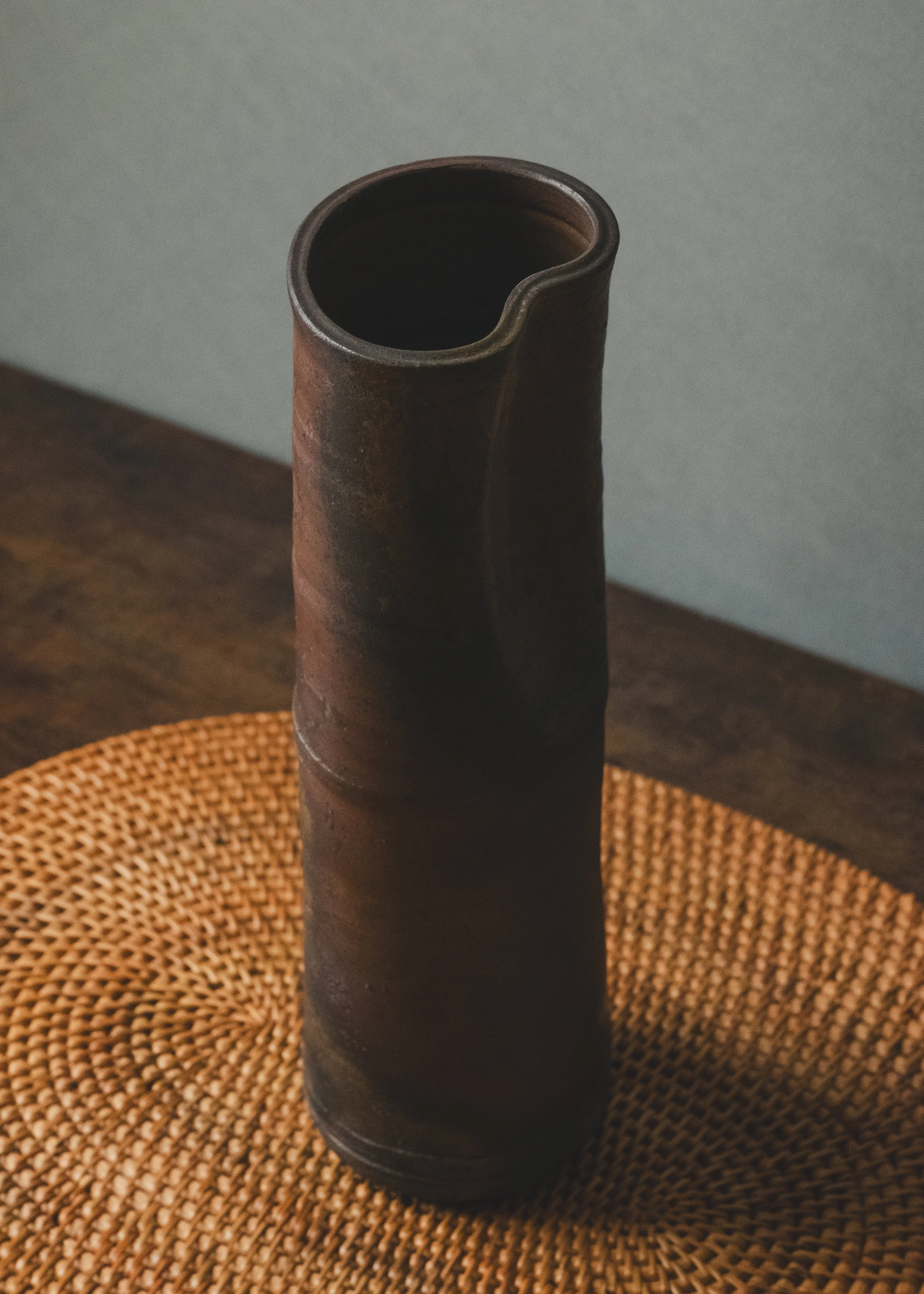 Image 3 of 8
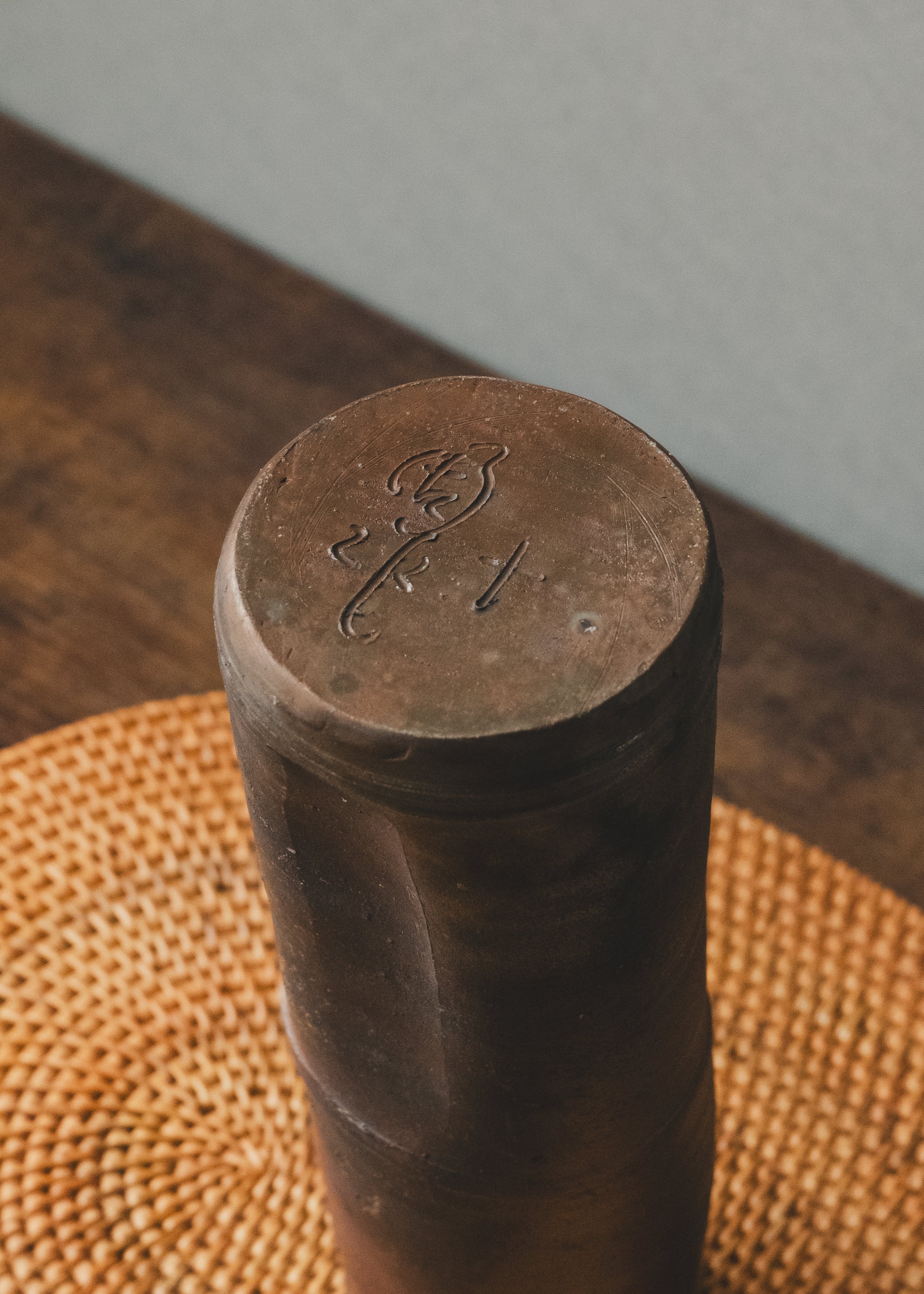 Image 4 of 8
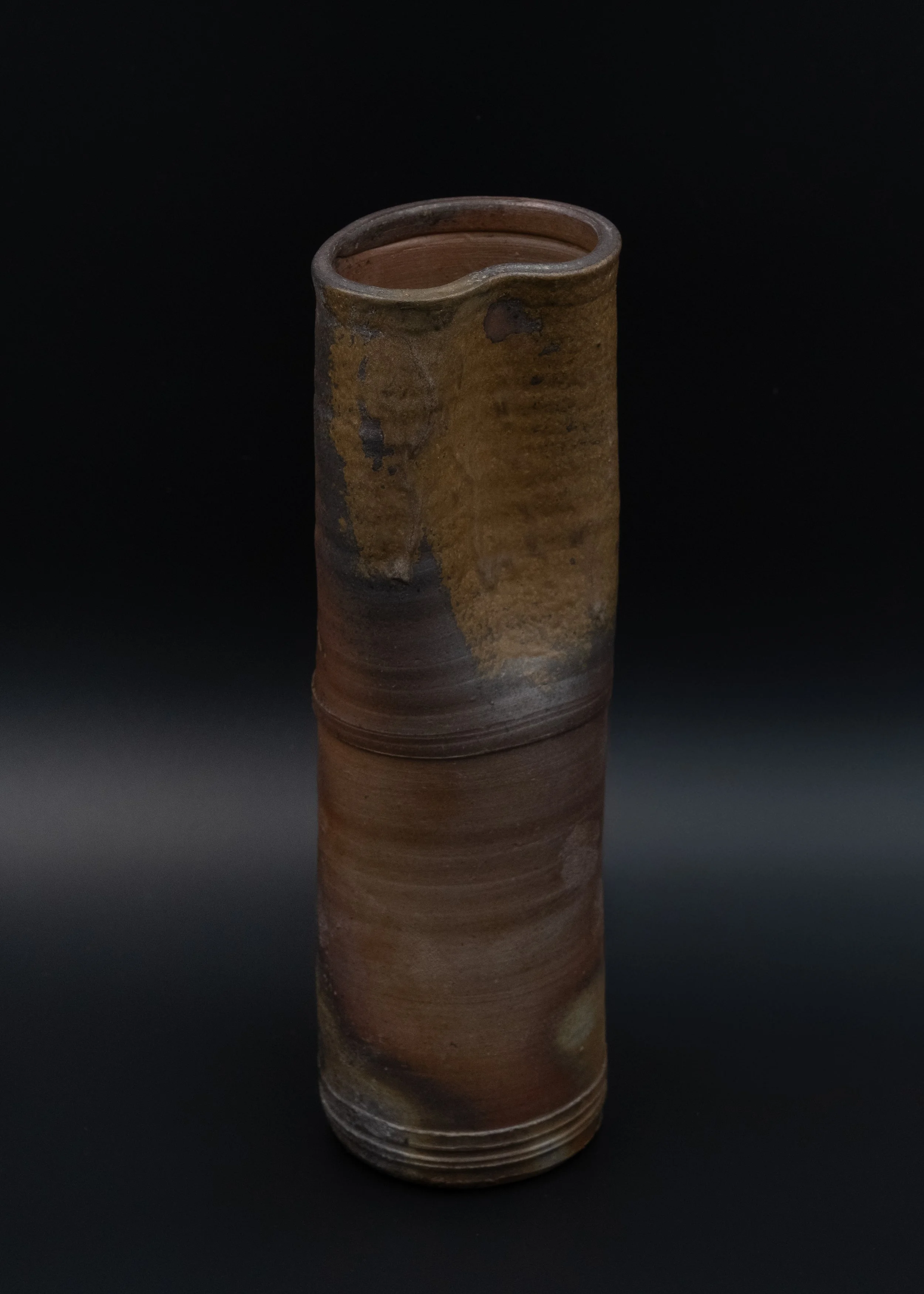 Image 5 of 8
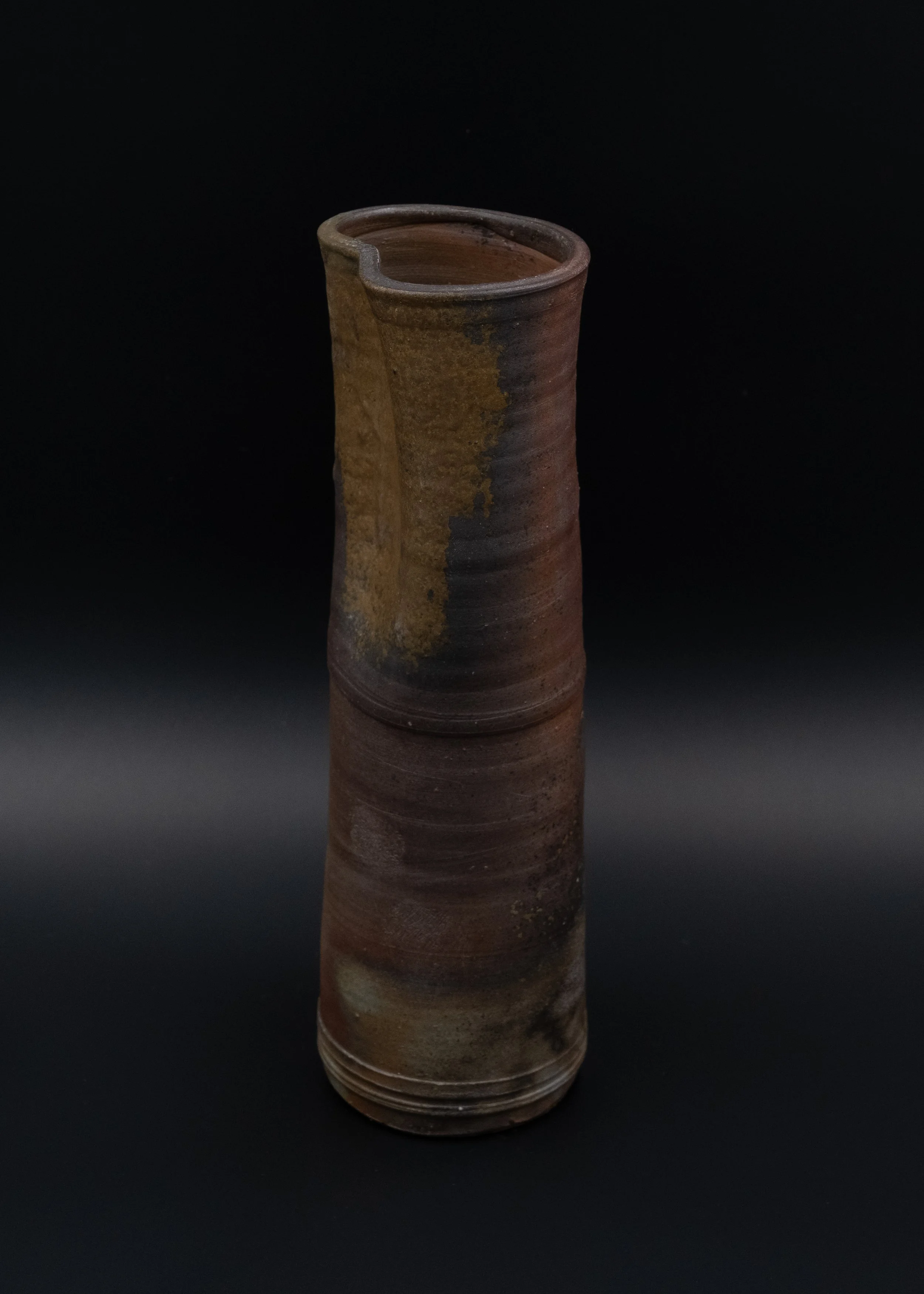 Image 6 of 8
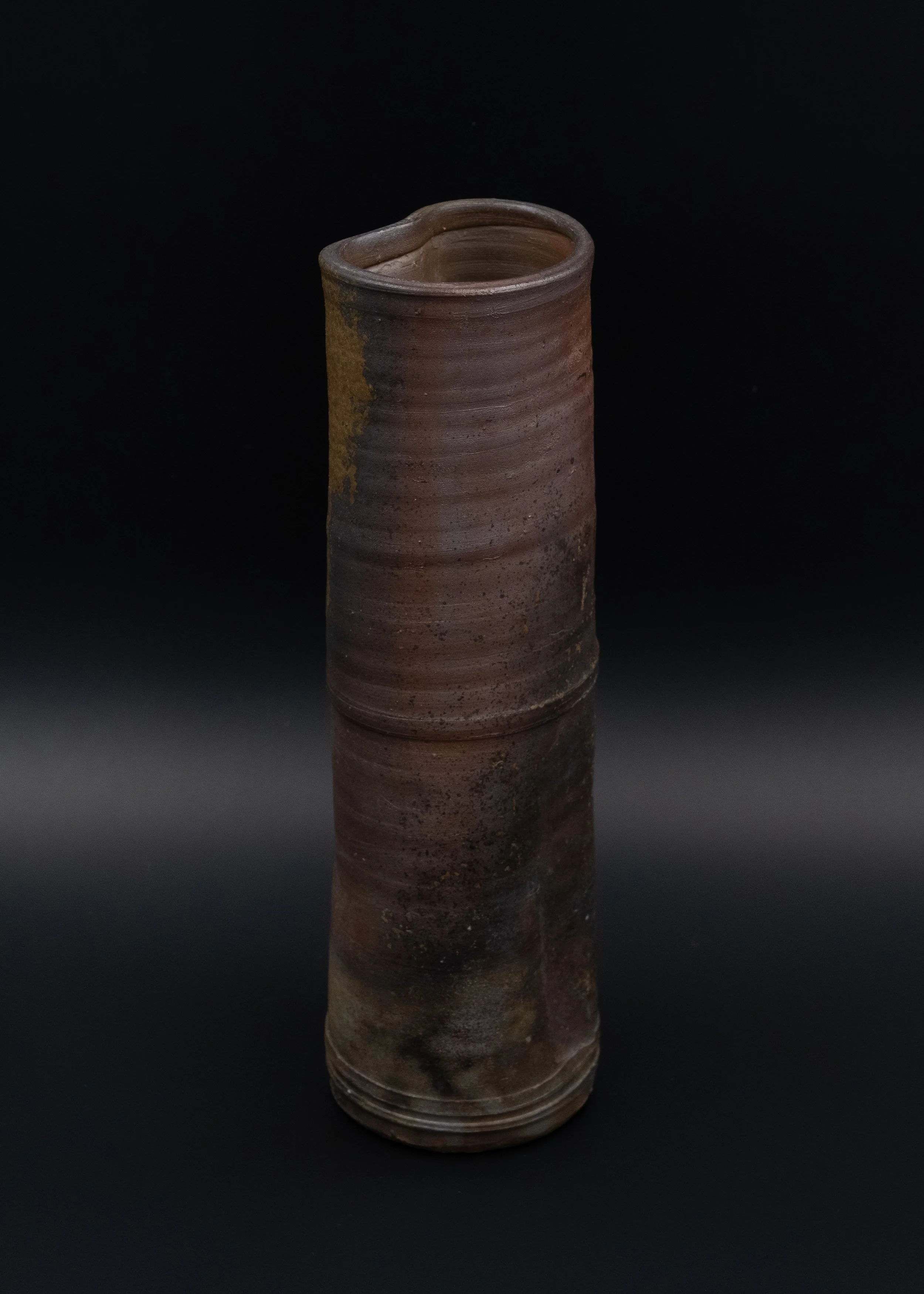 Image 7 of 8
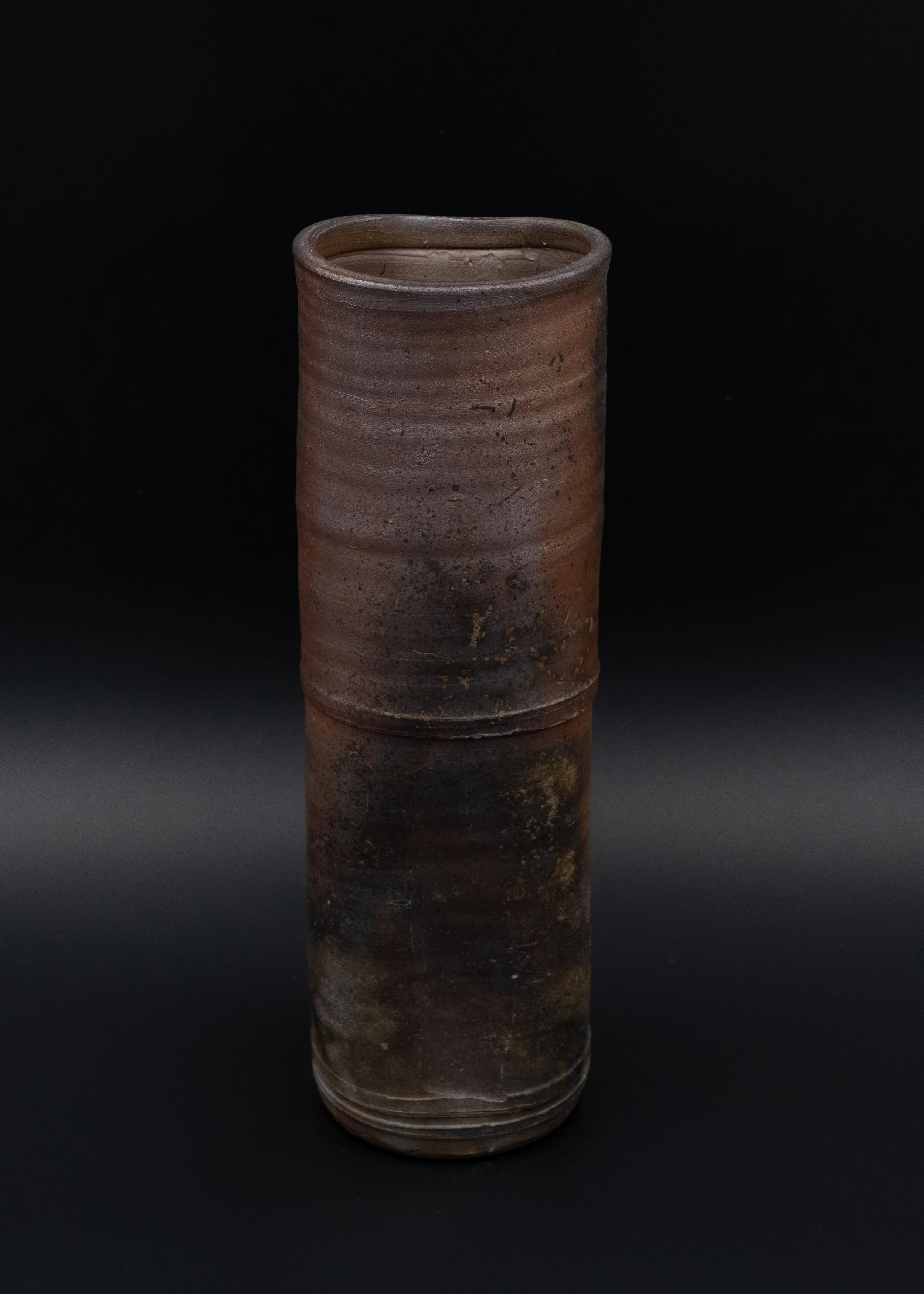 Image 8 of 8