

 Image 1 of 12
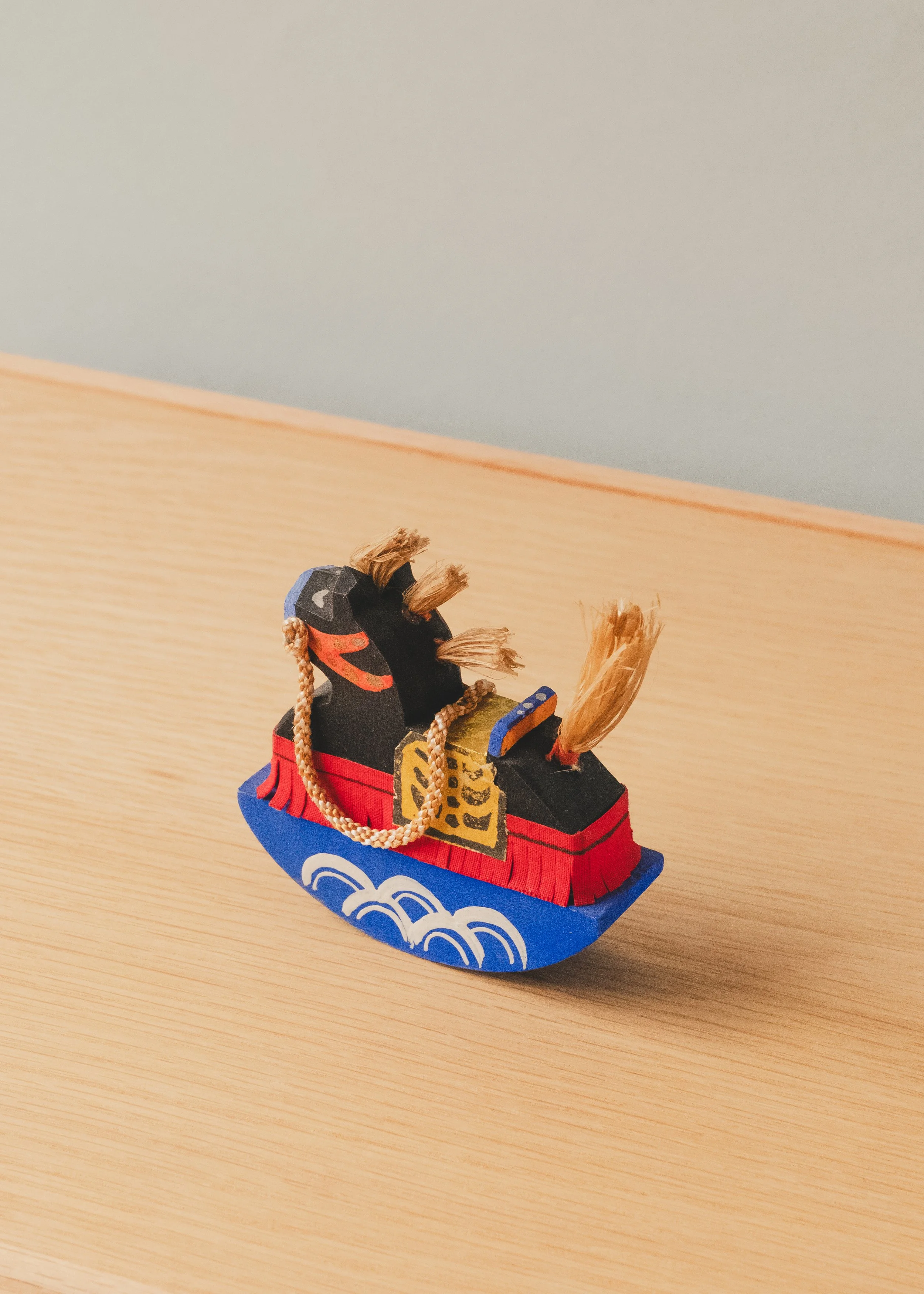 Image 2 of 12
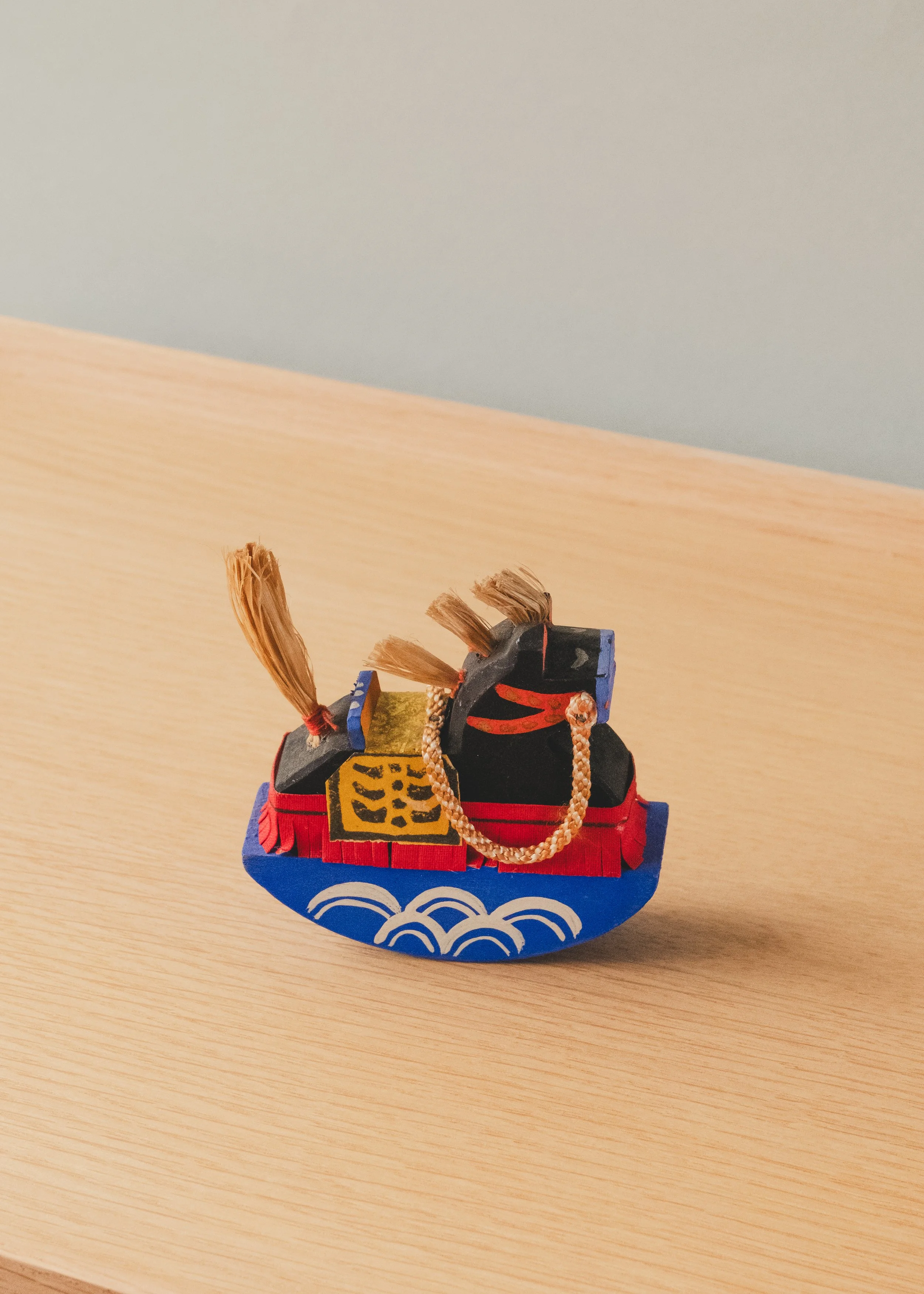 Image 3 of 12
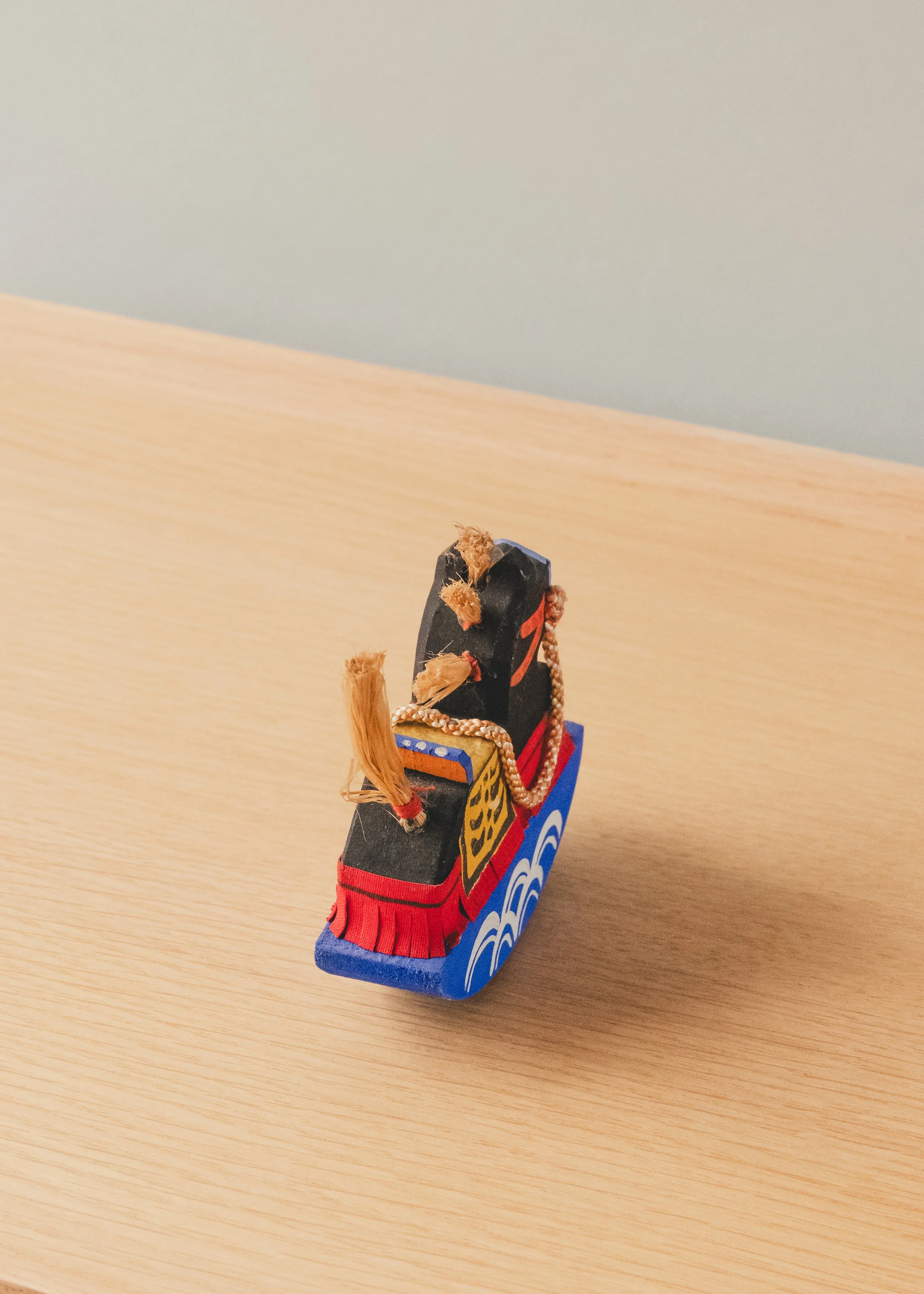 Image 4 of 12
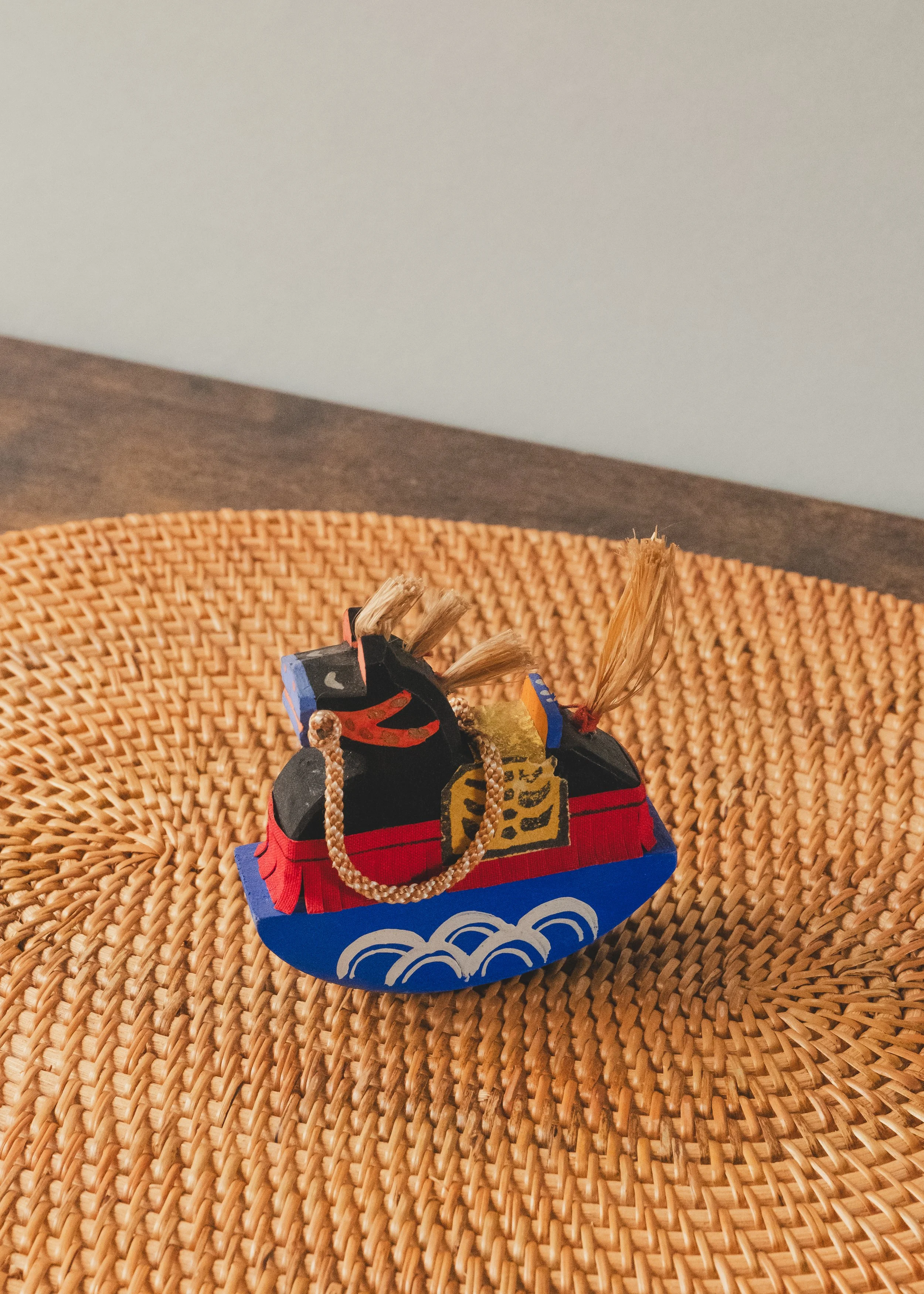 Image 5 of 12
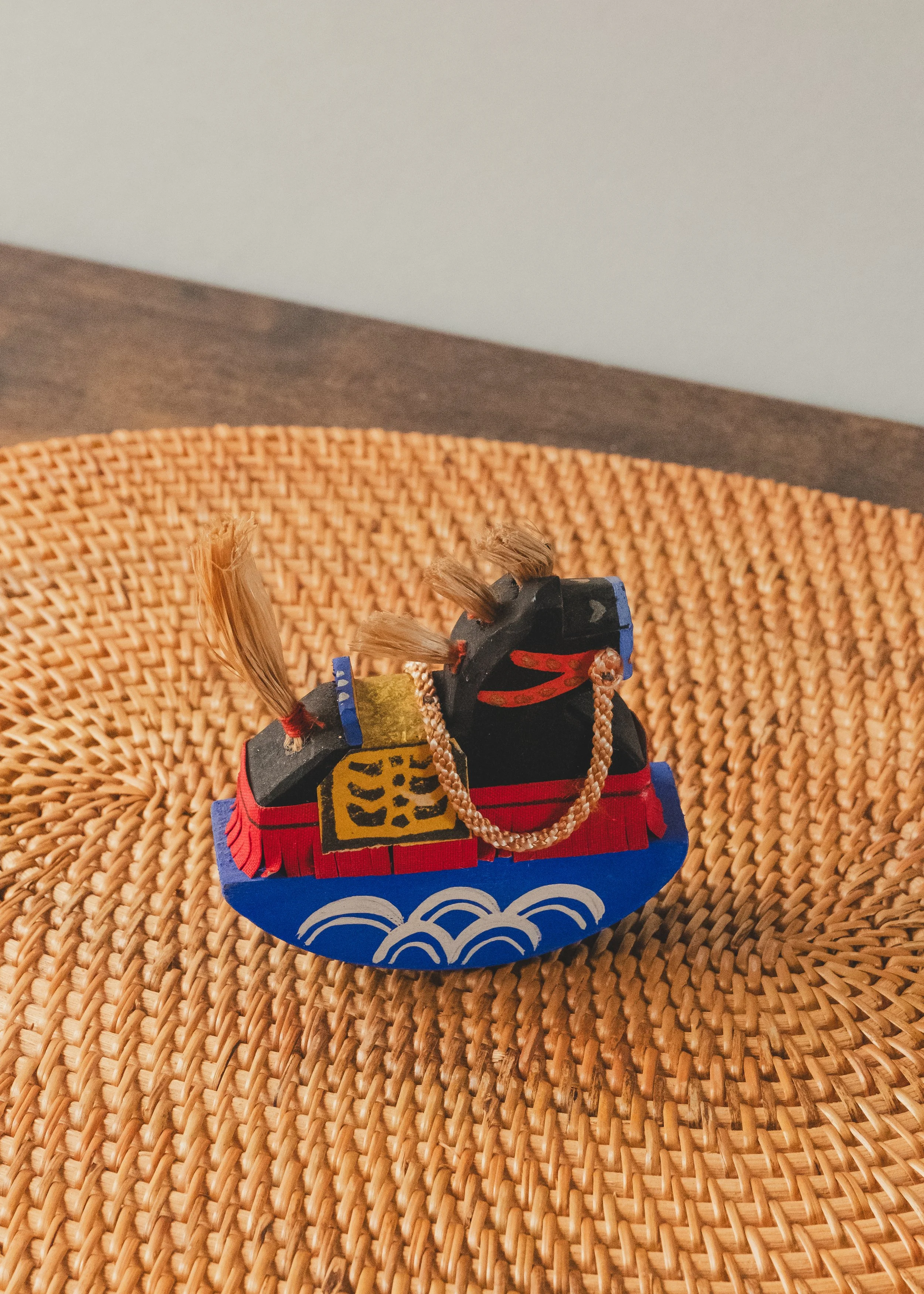 Image 6 of 12
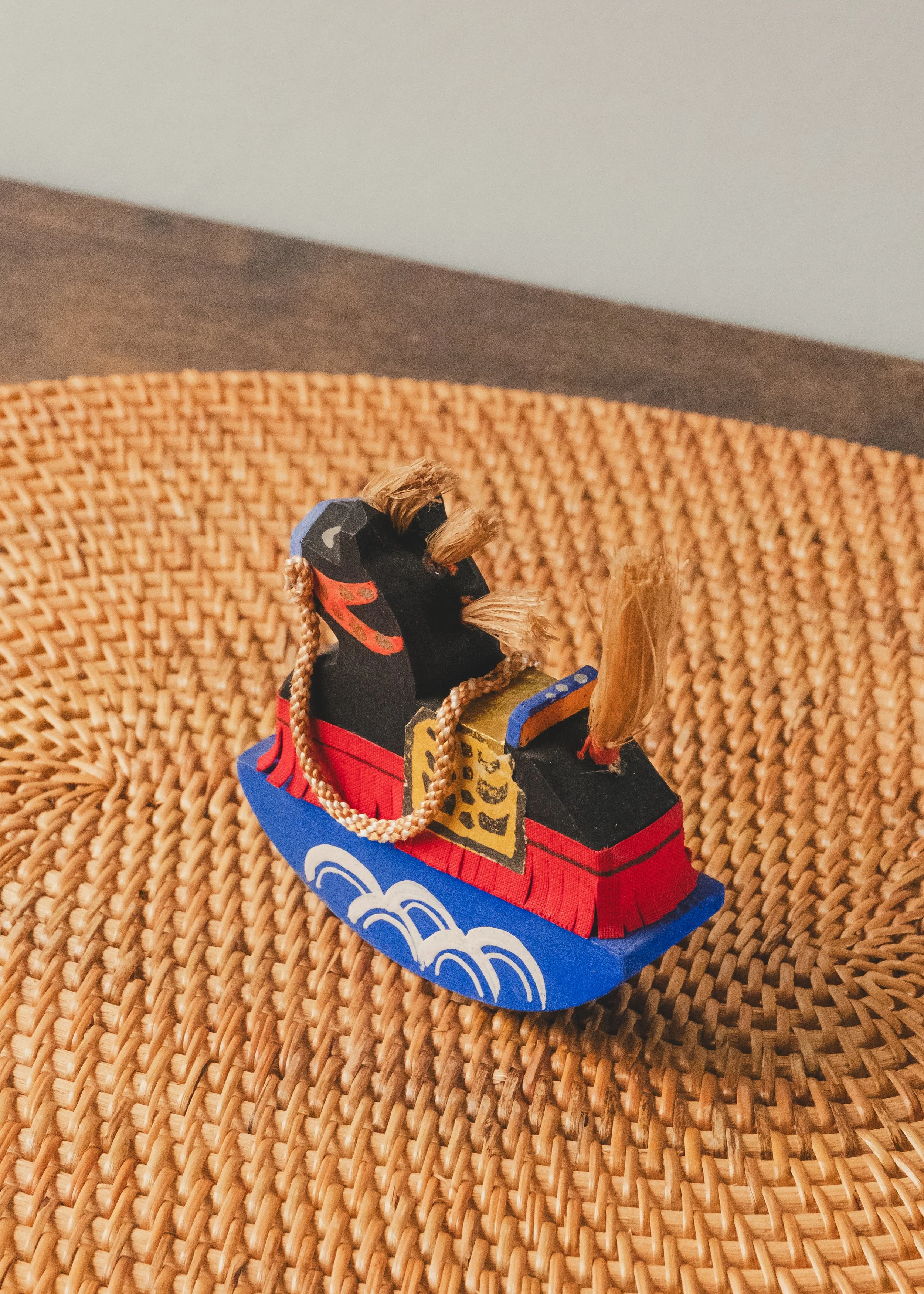 Image 7 of 12
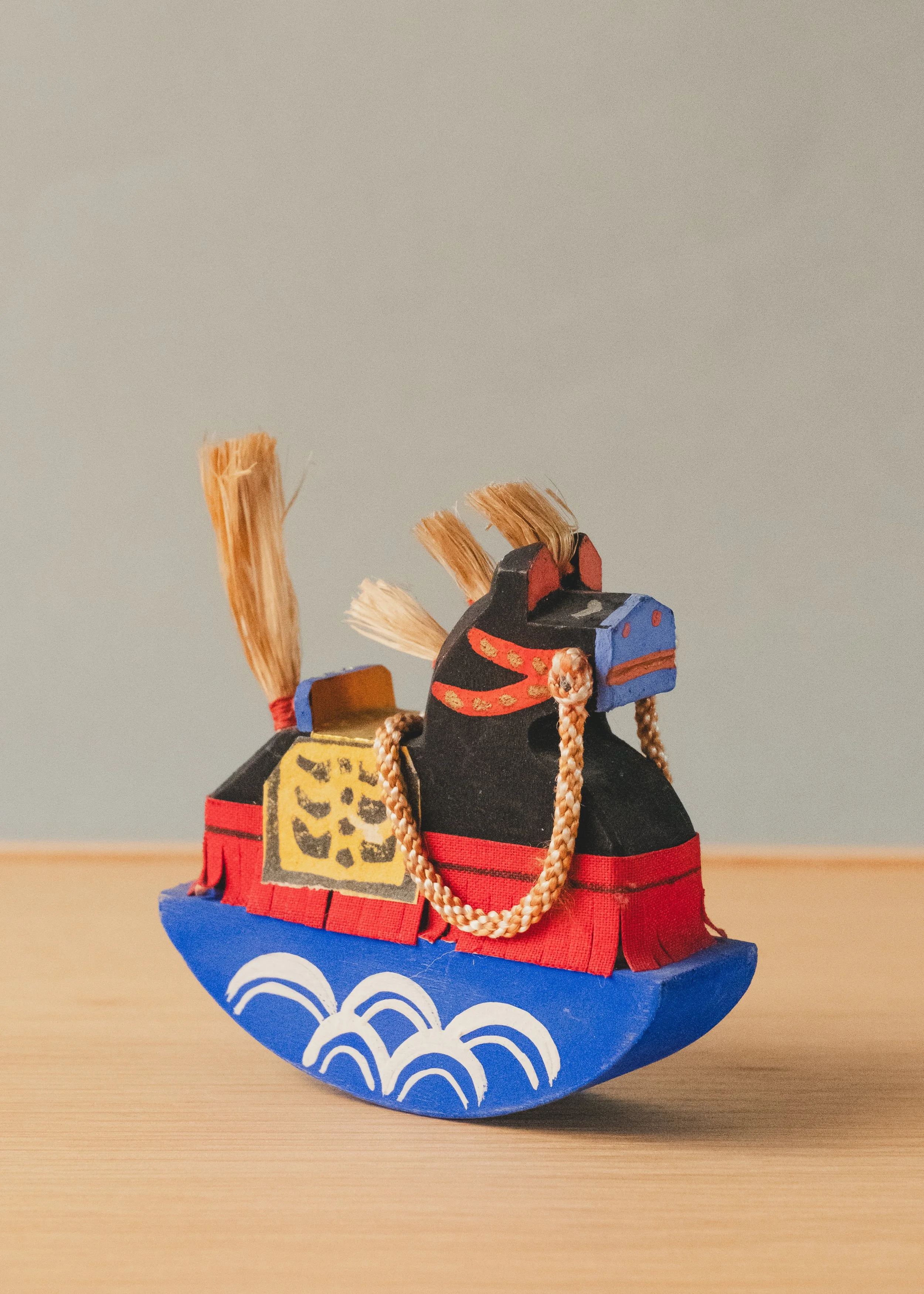 Image 8 of 12
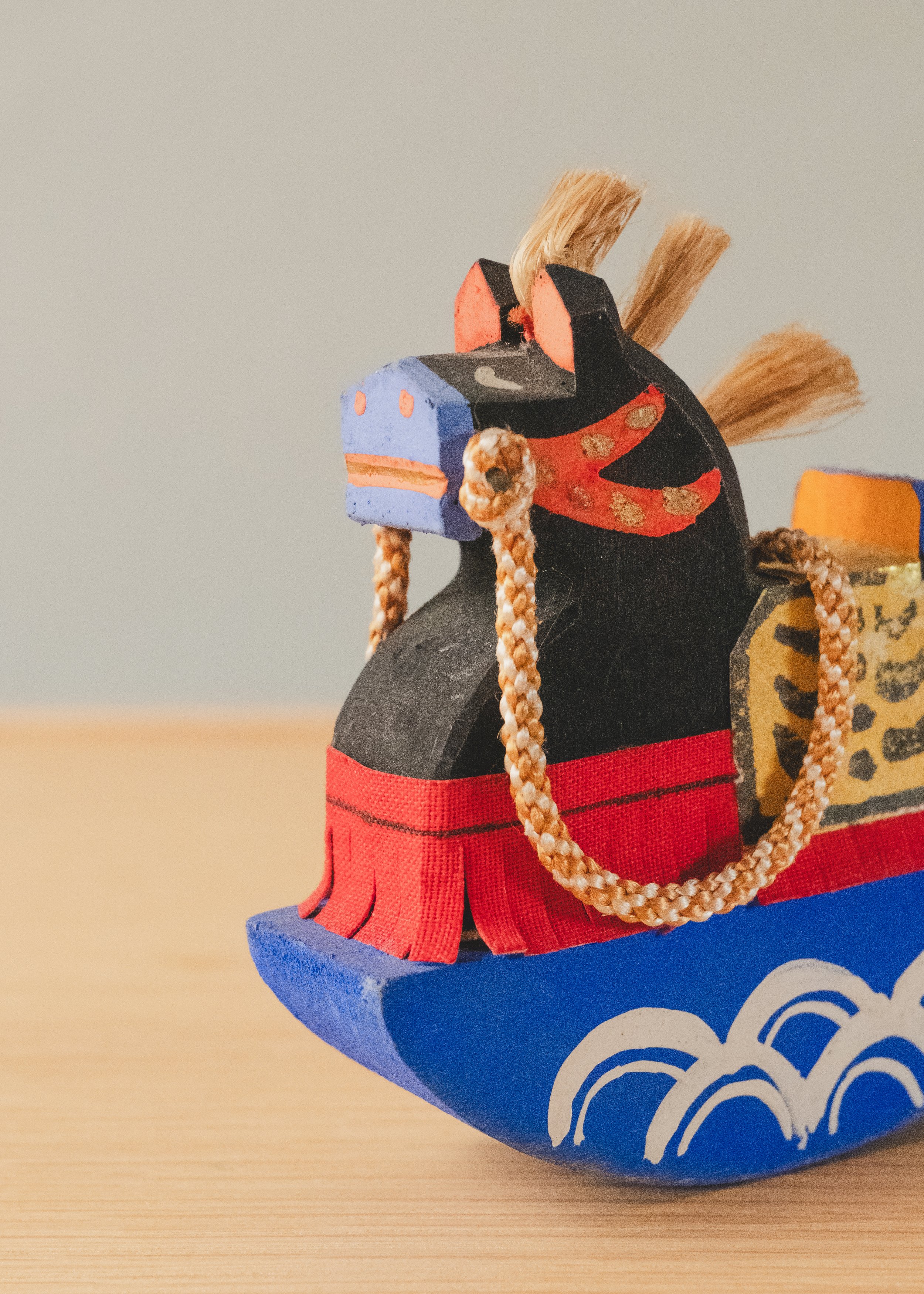 Image 9 of 12
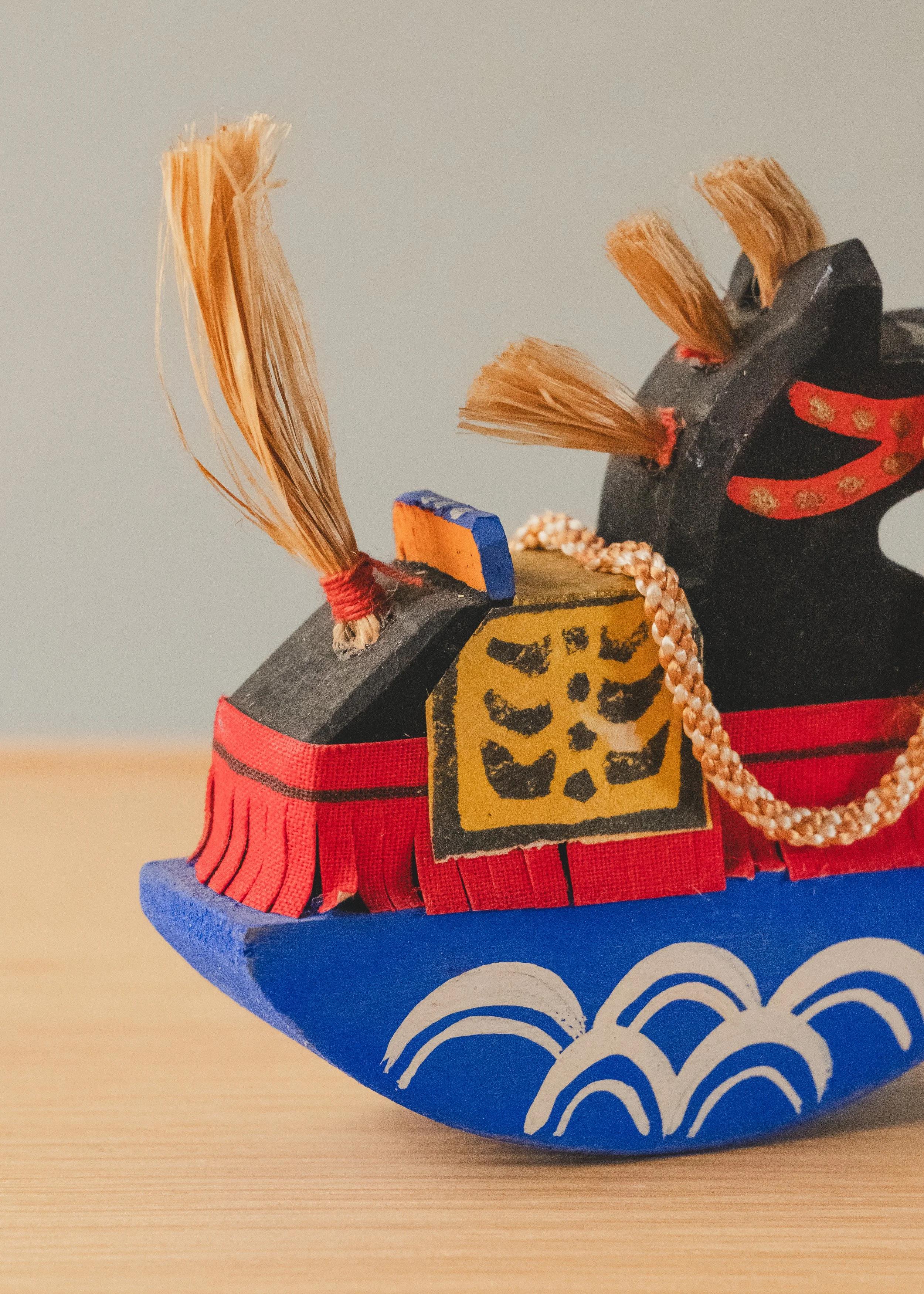 Image 10 of 12
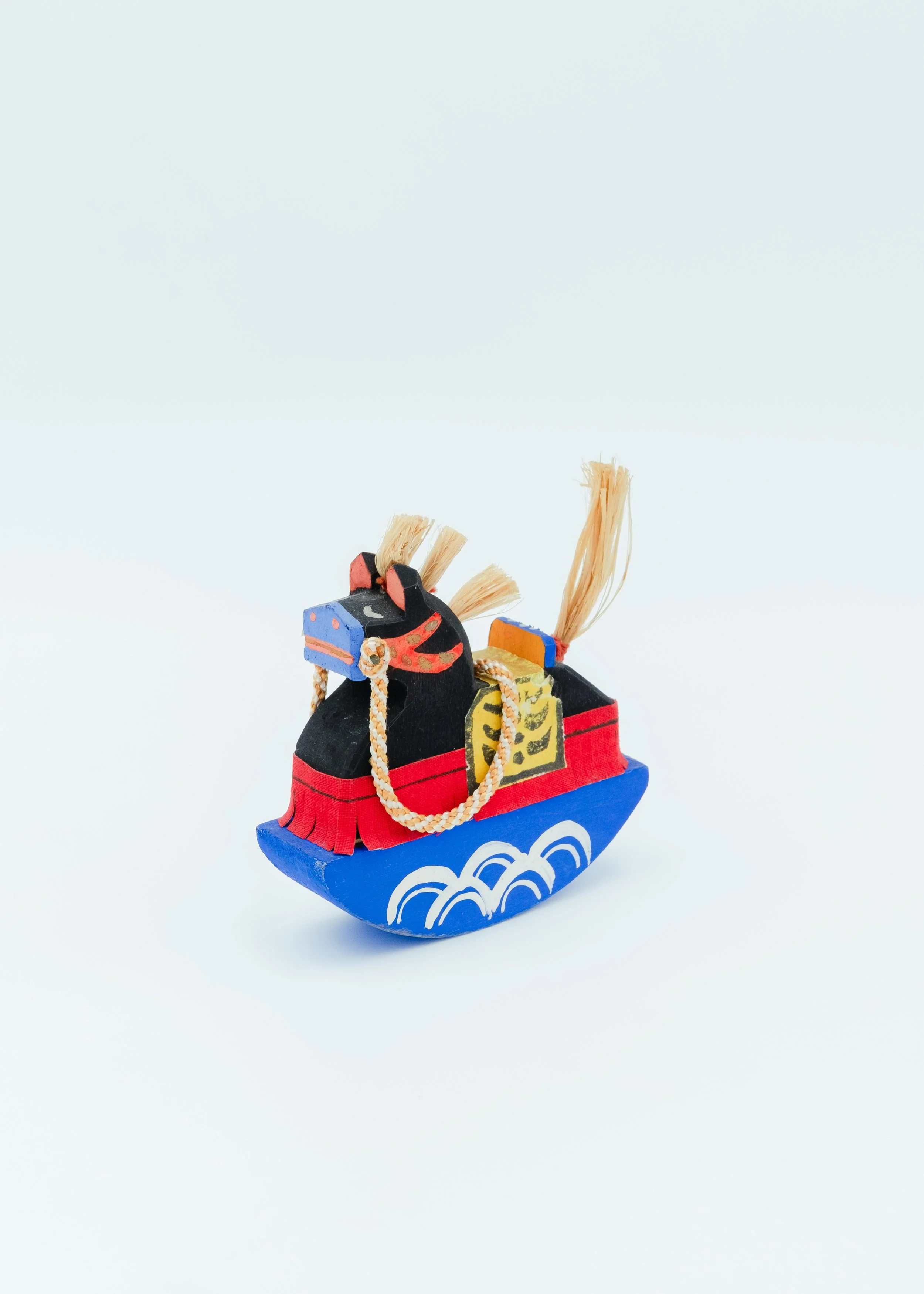 Image 11 of 12
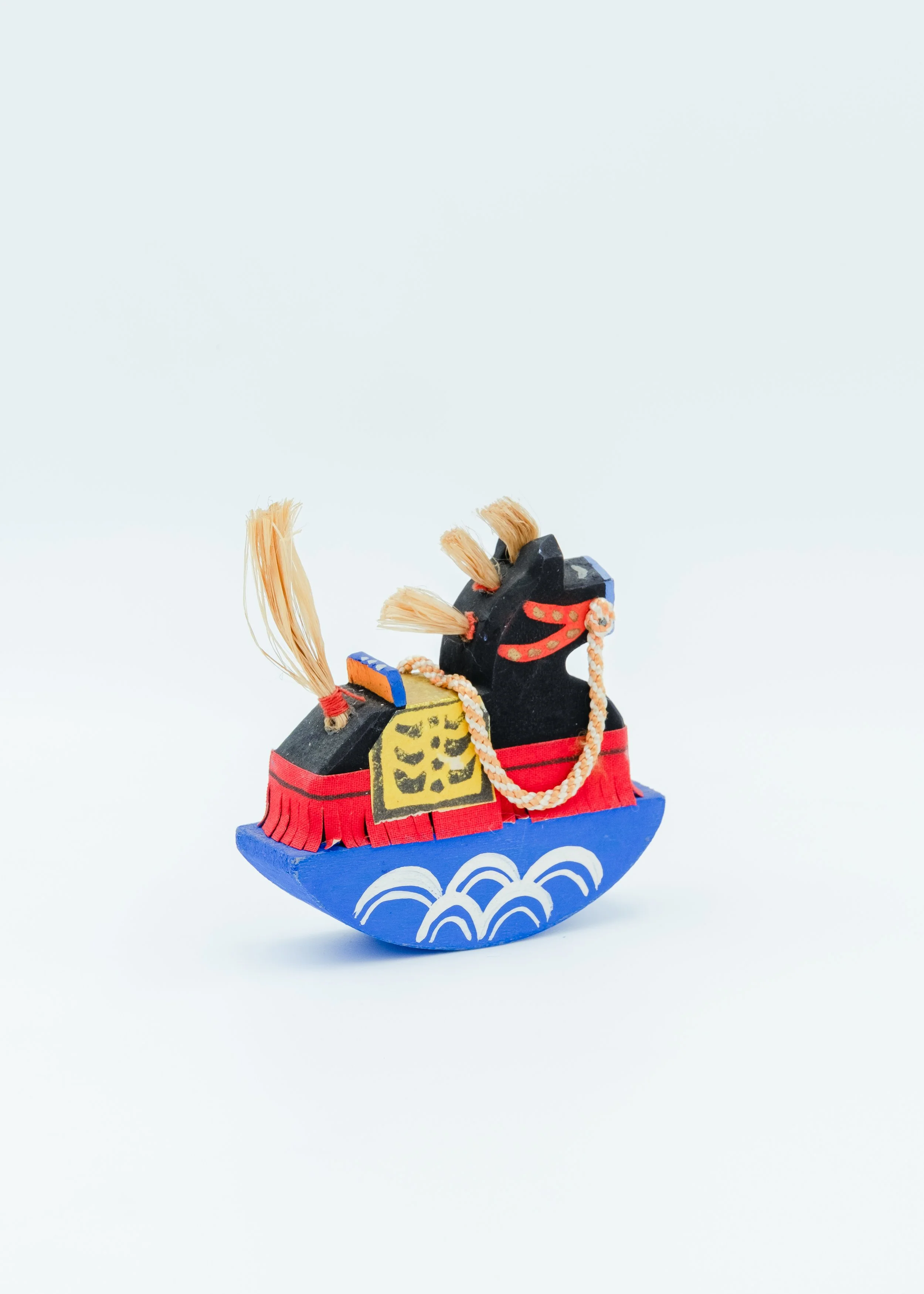 Image 12 of 12
【 Context 】
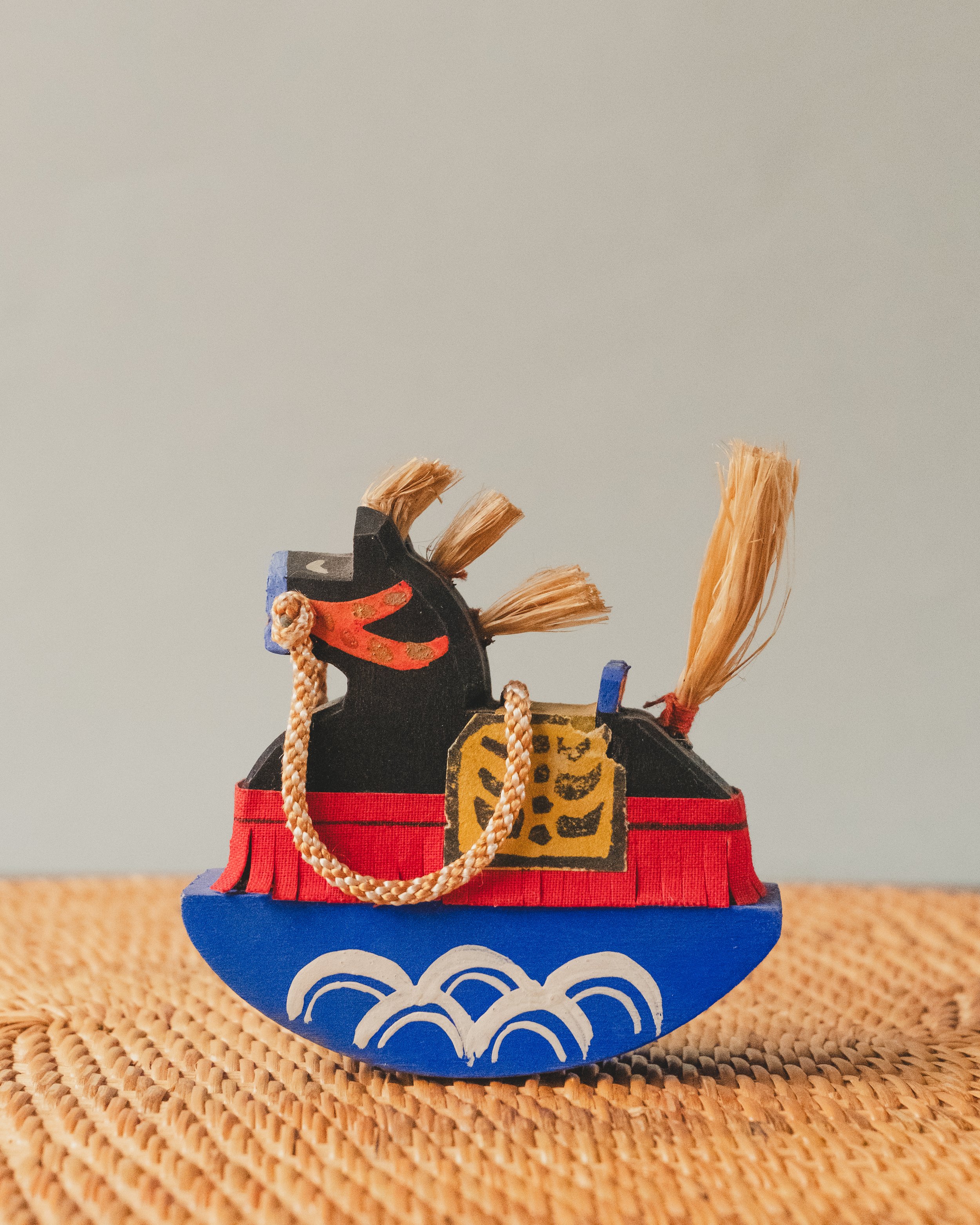
Identity: Anonymous Provincial Mastercraft / Kinetic Sculpture.Origin: Northern Province (Old Nanbu Region), Japan.Technique: Hand-Carved Paulownia Wood with Polychrome Paint & Raw Straw.Function: Desk Talisman / Interactive Anchor.
【 Dimensions (Approx.) 】
Height: 8.5 cm (3.3 in)Width: 2.5 cm (1.0 in)Depth: 8.0 cm (3.1 in)Weight: 0.16 kg (0.35 lbs)
RELATED ARCHIVAL SPECIMENS
【 The Concept 】
Ancestral prayer translated into modern ceramic.
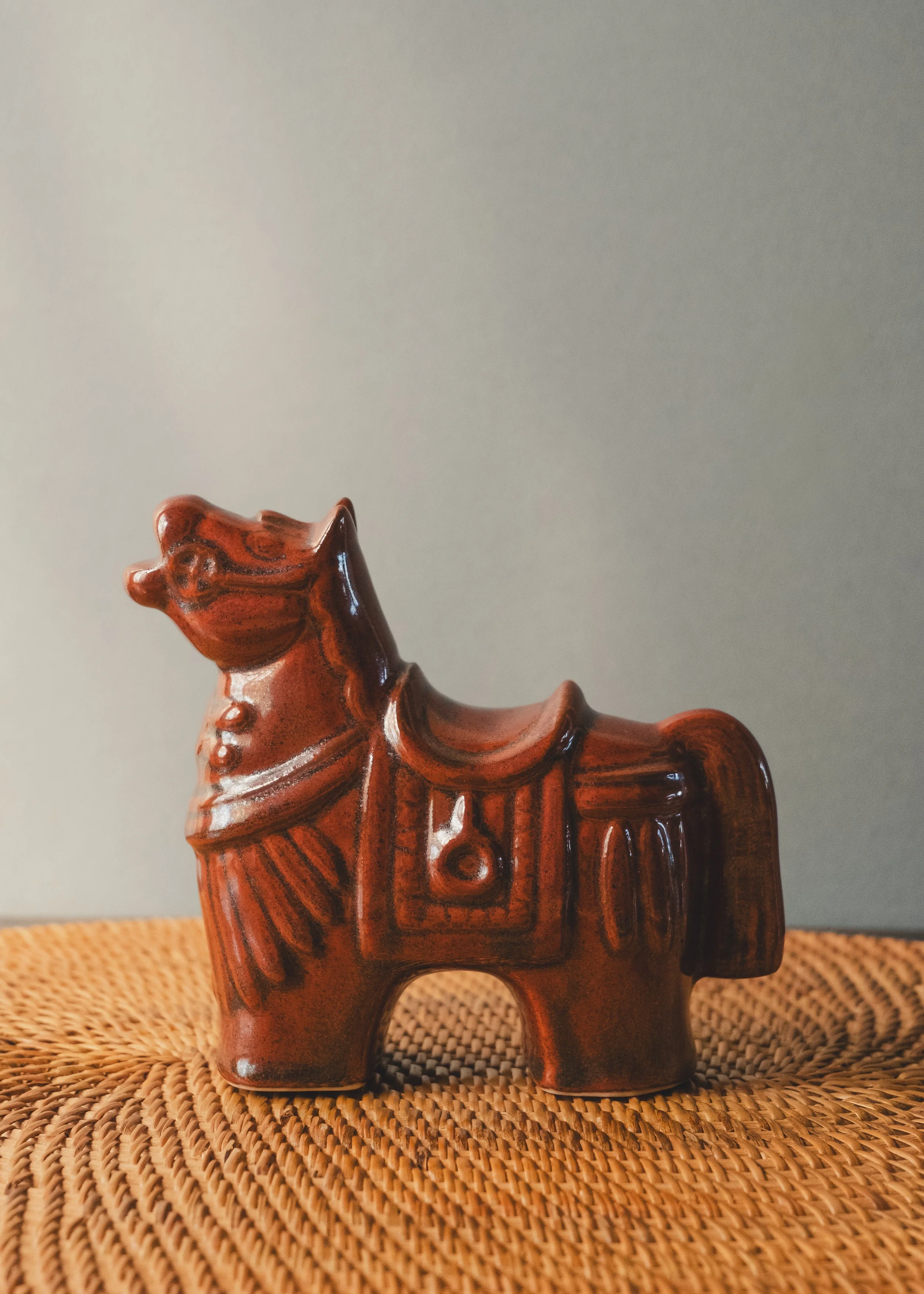
This object captures a specific moment in Japanese design history—the "Showa Modern" era of the 1970s. While it takes the form of a horse, it is not a realistic depiction of an animal. It is a sculptural translation of Japan's ancient "Miharukoma" (wooden votive horses) and "Haniwa" (burial clay figures), re-imagined through the lens of mid-century pottery techniques.
Coated in a deep, lustrous "Ameyu" (Amber Glaze), this anonymous work does not scream for attention. Instead, it offers a warm, rounded silence that serves as a nostalgic bridge between the folklore of the past and the modern living space.
【 Material Integrity 】
The alchemy of Iron and Kiln.
The visual gravity of this piece comes from its glaze. "Ameyu," a traditional Japanese caramel-colored glaze rich in iron oxide, is fired in an oxygen-rich kiln to produce this distinct, glossy warmth. Note the accumulation of darker glaze in the grooves of the saddle and mane. These "pools" of color create a natural contrast, highlighting the depth of the sculpture without the need for artificial painting.
Despite its solid, grounded appearance, the object is surprisingly light (208g). This is due to the "Slip Casting" (Deisho-ikomi) technique—a specialized method developed in the historic kilns of Seto (Aichi Prefecture), where liquid clay is poured into molds to create a hollow, durable shell. It is a testament to the industrial craft of post-war Japan.
【 The Architecture 】
Primitive geometry.
The silhouette rejects sharp realism in favor of a primitive, geometric charm. The legs are thick pillars, providing unwavering stability. The mouth is slightly open, and the head is tilted upward—a posture known in Feng Shui and Japanese symbolism to represent "rising fortune" and "forward momentum."
The detailed relief of the saddle and the decorative bands across the chest (Munagai) and rump (Shirigai) serve as historical footprints, tracing back to the ceremonial decorations used on sacred horses in Shinto rituals.
【 Presence 】
A warm anchor for the cold desk.
This Amber Nomad is designed for the focused home archive.
Standing at 15cm, it possesses the perfect scale to sit on a stack of books, a mid-century sideboard, or next to a computer monitor. The amber color harmonizes beautifully with vintage teak or walnut furniture, typical of the Japandi style.
While originally intended as a talisman for protection and family prosperity, today it functions as a "Guardians of Solitude," watching over your workspace with a quiet, optimistic gaze.
【Narrative】
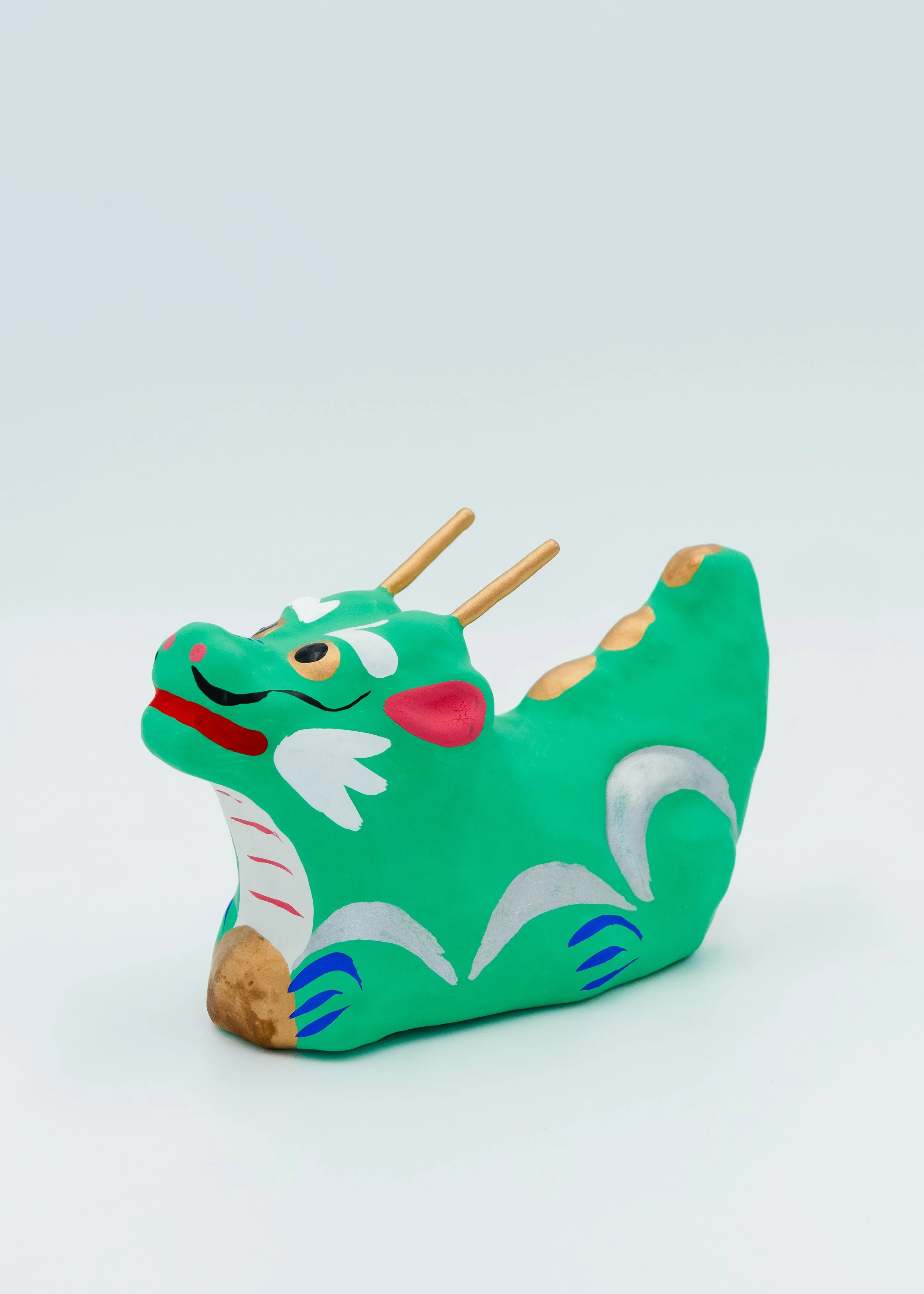
Monster or Deity? In Western lore, the dragon is often a fearsome beast to be conquered. In Japan, however, the Dragon (Tatsu) is the sacred sovereign of the waters—a benevolent deity that commands the rain and grants prosperity. This "Hariko" (papier-mâché) specimen transforms a colossal elemental power into a vibrant, approachable guardian. Through layers of delicate Washi paper, a ferocious god is transmuted into a cheerful companion, embodying the gentle and often humorous nature of Japanese folk spirituality.
【Heritage & Craft】
Originating from Himeji (Hyogo Prefecture), this piece is a testament to regional artisanal pride. Himeji Hariko is a traditional craft where paper is meticulously applied over molds and finished with brilliant natural pigments.
Emerald Green: Symbolic of growth and life force.
The Golden Seal: The preserved sticker on the base identifies this as "Himeji Traditional Craft," marking its authenticity as a legitimate artifact of regional legacy.
【Condition & Provenance】
The vibrant emerald body, playful whiskers, and gilded horns remain in remarkable vintage condition. Unlike the solid gravity of clay or iron, the "lightness" of the dragon represents its ethereal nature—capable of ascending to the clouds at a moment's notice. It is a vessel of hollow, sacred space, designed to invite good fortune into the vacuum of a quiet home.
【Placement】
A "Spiritual Tool" for the modern home. Because it is lightweight and hollow, it is suited for elevated placement—perched upon minimal shelving, within glass displays, or even as a focal point in a child’s room. Its emerald hue adds a shock of traditional Japanese "vividness" to an otherwise muted minimalist interior.