【 The Concept 】
Four animals, three dogs and one cat, gathered on a shelf as though they arrived together and have no intention of being separated. They did not. They were made in a ceramics district that once shipped millions of miniature animals across the Pacific, each one hand-painted, each one light enough to mail in a shoebox. These four survived the crossing, survived the decades, and lost only the thin metal chains that once linked the dogs to one another. What remains is a group portrait without a frame — a family of three collies and a Siamese cat that share nothing except a glaze, a scale, and the fact that someone, at some point, decided they belonged together.
The collies are sable and white — a standing father with his head turned slightly to one side, a mother lying flat with her chin raised in quiet repose, and a puppy sitting with its gaze cast downward. Each coat is painted freehand in warm brown over a pure white porcelain base, with darker brushstrokes laid over the brown to simulate the layered texture of fur. The Siamese cat sits apart, upright, head tilted, with a cream body darkening to seal-brown at the ears, face, paws, and tail. Its eyes are painted sapphire blue. It does not belong to the collie family. It belongs to itself.
【 The Function 】
64 grams total. Four figures that together weigh less than a deck of cards. The largest — the standing father collie — is 7 centimeters long and 27 grams. The Siamese cat is 4 centimeters tall and 17 grams. These are not shelf anchors. They are shelf guests — objects so light they can be placed on a stack of books, a windowsill, or the edge of a picture frame without concern. Their function is not to dominate a surface but to populate it: to turn an empty stretch of wood or glass into a landscape with inhabitants.
【 The Texture 】
High-gloss porcelain throughout. Every surface is sealed beneath a transparent glaze that catches and holds light, producing a wet, luminous sheen that makes the figures appear freshly finished even after decades. The white areas of the collies glow with a faint translucency — characteristic of a porcelain body mixed with calcium phosphate, which allows light to pass partially through the thinnest sections of the ears and tails. The painted details are applied under and over the glaze in two separate firings: the broad washes of brown and cream first, then the precise black dots for eyes and noses in a second, lower-temperature pass. The Siamese cat's seal points fade from dark to light in a gradient so smooth it could only have been applied by airbrush or a very steady hand with a loaded brush. On the cat's left shoulder, a small dark scuff mark interrupts the cream surface — not painted, not part of the design. A trace of contact. A record of somewhere it has been.
【 Presence 】
Arranged together, the four figures create something none of them could produce alone: a scene. The father collie stands at the center, alert. The mother lies beside him, at rest. The puppy sits between them, looking down as though it has not yet learned where to look. The Siamese cat sits slightly apart, watching from a different species entirely. The composition is not symmetrical, not planned, and not repeatable — it shifts every time the guardian rearranges the group. Move the cat closer and the scene becomes domestic. Move it further and it becomes surveillance. Turn the father collie to face the cat and a negotiation begins. These are not static objects. They are characters, and the shelf is their stage.
Sourced from a private collection in the Kansai region, Japan.
【 The Concept 】
Four animals, three dogs and one cat, gathered on a shelf as though they arrived together and have no intention of being separated. They did not. They were made in a ceramics district that once shipped millions of miniature animals across the Pacific, each one hand-painted, each one light enough to mail in a shoebox. These four survived the crossing, survived the decades, and lost only the thin metal chains that once linked the dogs to one another. What remains is a group portrait without a frame — a family of three collies and a Siamese cat that share nothing except a glaze, a scale, and the fact that someone, at some point, decided they belonged together.
The collies are sable and white — a standing father with his head turned slightly to one side, a mother lying flat with her chin raised in quiet repose, and a puppy sitting with its gaze cast downward. Each coat is painted freehand in warm brown over a pure white porcelain base, with darker brushstrokes laid over the brown to simulate the layered texture of fur. The Siamese cat sits apart, upright, head tilted, with a cream body darkening to seal-brown at the ears, face, paws, and tail. Its eyes are painted sapphire blue. It does not belong to the collie family. It belongs to itself.
【 The Function 】
64 grams total. Four figures that together weigh less than a deck of cards. The largest — the standing father collie — is 7 centimeters long and 27 grams. The Siamese cat is 4 centimeters tall and 17 grams. These are not shelf anchors. They are shelf guests — objects so light they can be placed on a stack of books, a windowsill, or the edge of a picture frame without concern. Their function is not to dominate a surface but to populate it: to turn an empty stretch of wood or glass into a landscape with inhabitants.
【 The Texture 】
High-gloss porcelain throughout. Every surface is sealed beneath a transparent glaze that catches and holds light, producing a wet, luminous sheen that makes the figures appear freshly finished even after decades. The white areas of the collies glow with a faint translucency — characteristic of a porcelain body mixed with calcium phosphate, which allows light to pass partially through the thinnest sections of the ears and tails. The painted details are applied under and over the glaze in two separate firings: the broad washes of brown and cream first, then the precise black dots for eyes and noses in a second, lower-temperature pass. The Siamese cat's seal points fade from dark to light in a gradient so smooth it could only have been applied by airbrush or a very steady hand with a loaded brush. On the cat's left shoulder, a small dark scuff mark interrupts the cream surface — not painted, not part of the design. A trace of contact. A record of somewhere it has been.
【 Presence 】
Arranged together, the four figures create something none of them could produce alone: a scene. The father collie stands at the center, alert. The mother lies beside him, at rest. The puppy sits between them, looking down as though it has not yet learned where to look. The Siamese cat sits slightly apart, watching from a different species entirely. The composition is not symmetrical, not planned, and not repeatable — it shifts every time the guardian rearranges the group. Move the cat closer and the scene becomes domestic. Move it further and it becomes surveillance. Turn the father collie to face the cat and a negotiation begins. These are not static objects. They are characters, and the shelf is their stage.
Sourced from a private collection in the Kansai region, Japan.


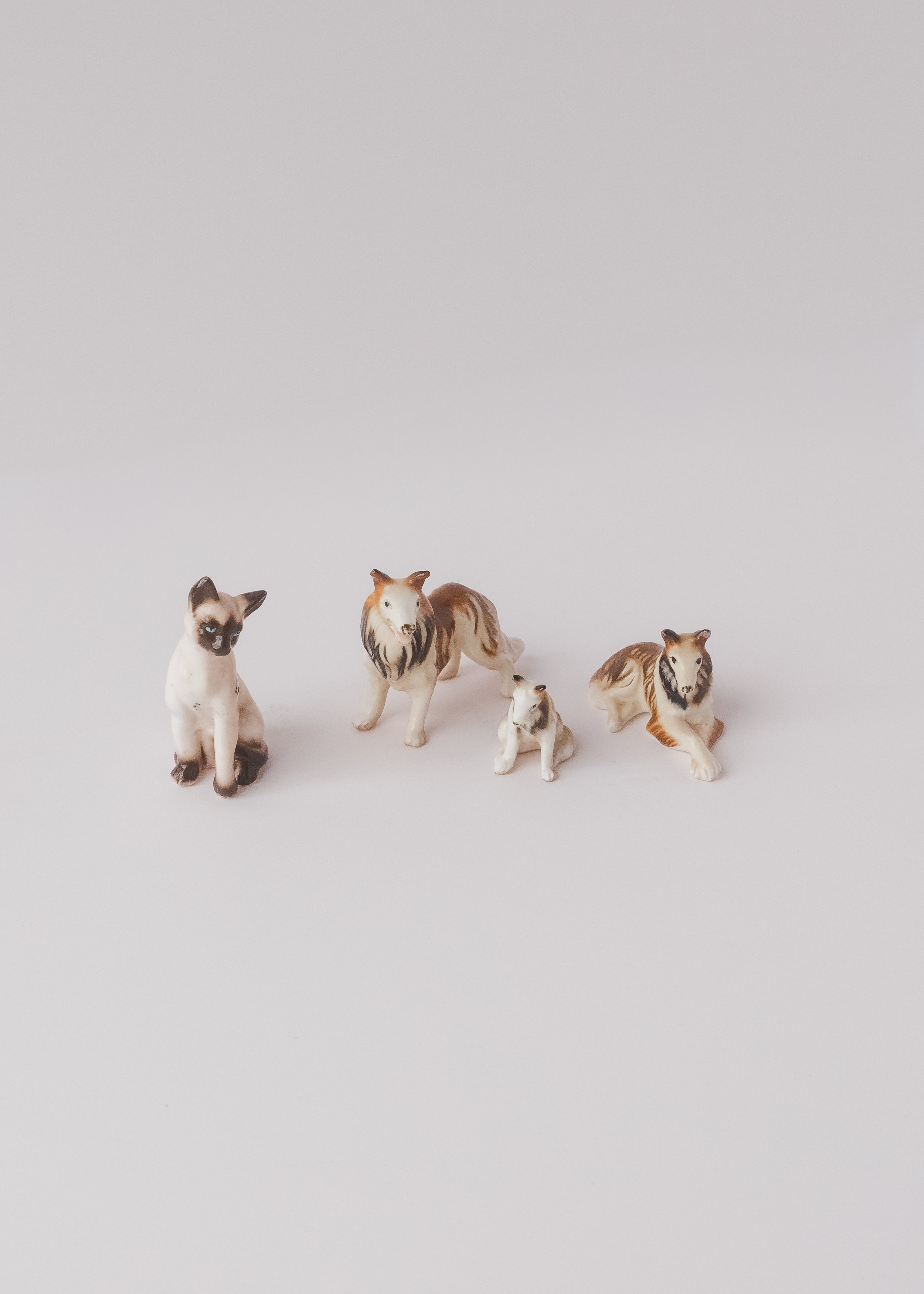 Image 1 of 15
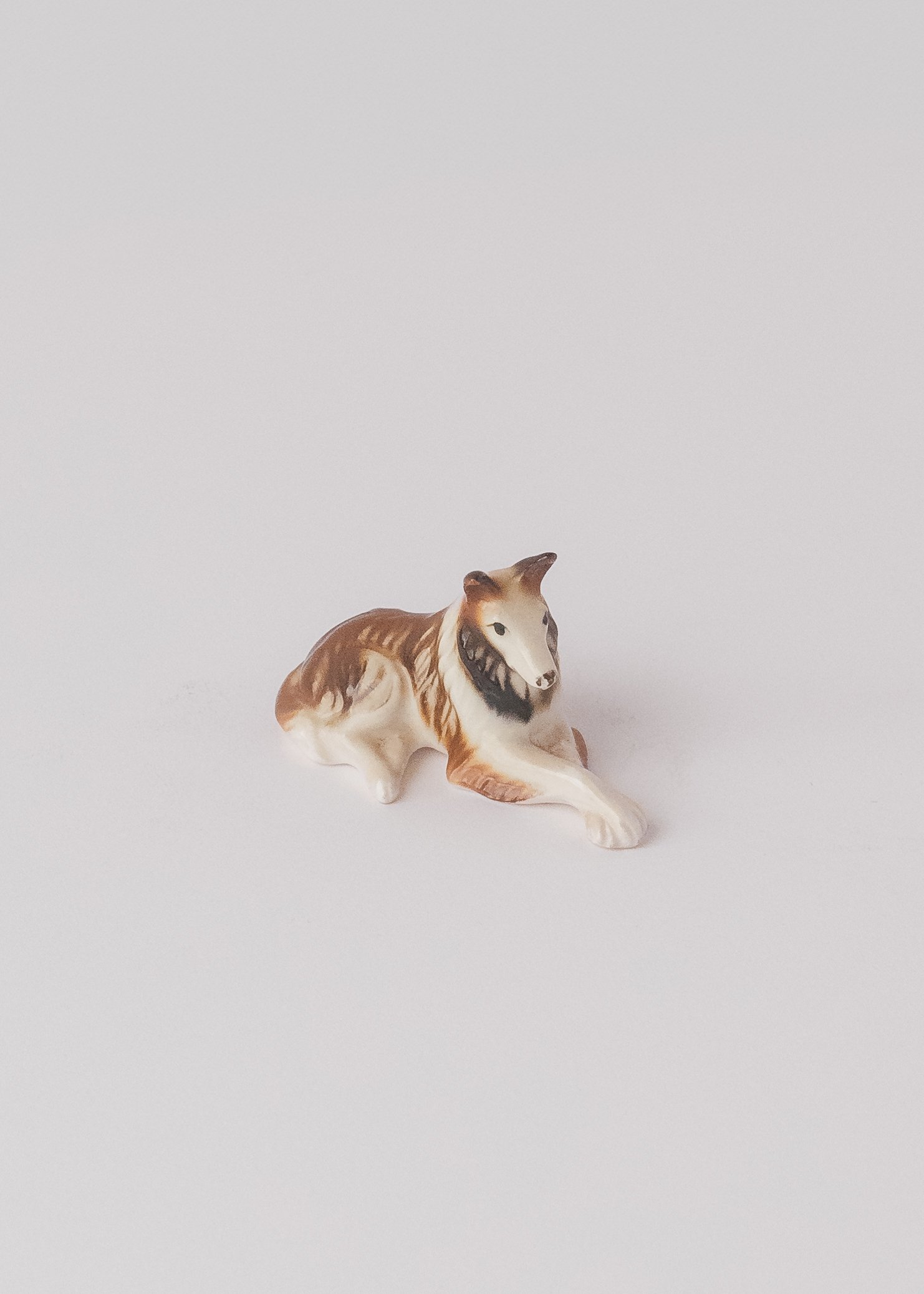 Image 2 of 15
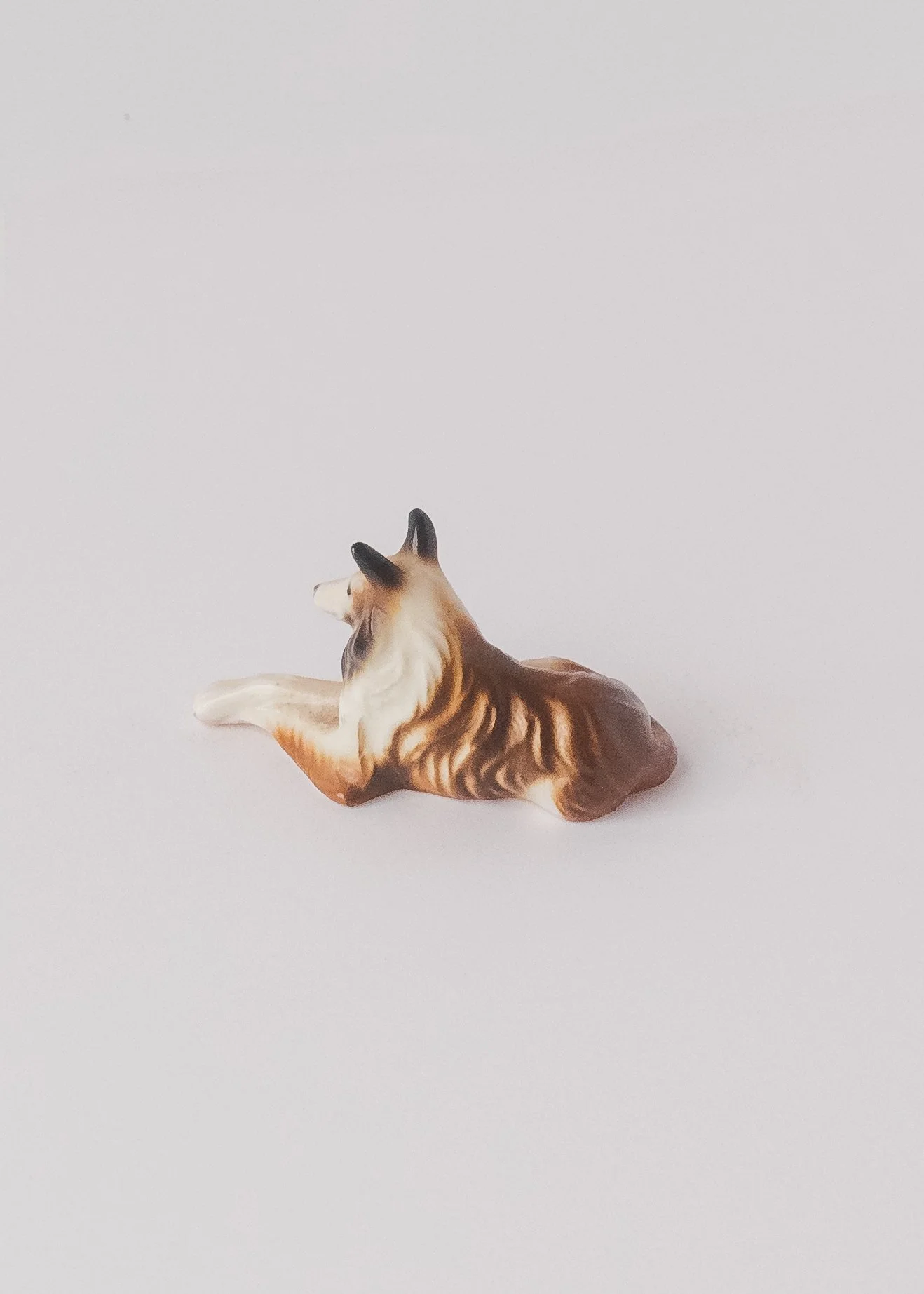 Image 3 of 15
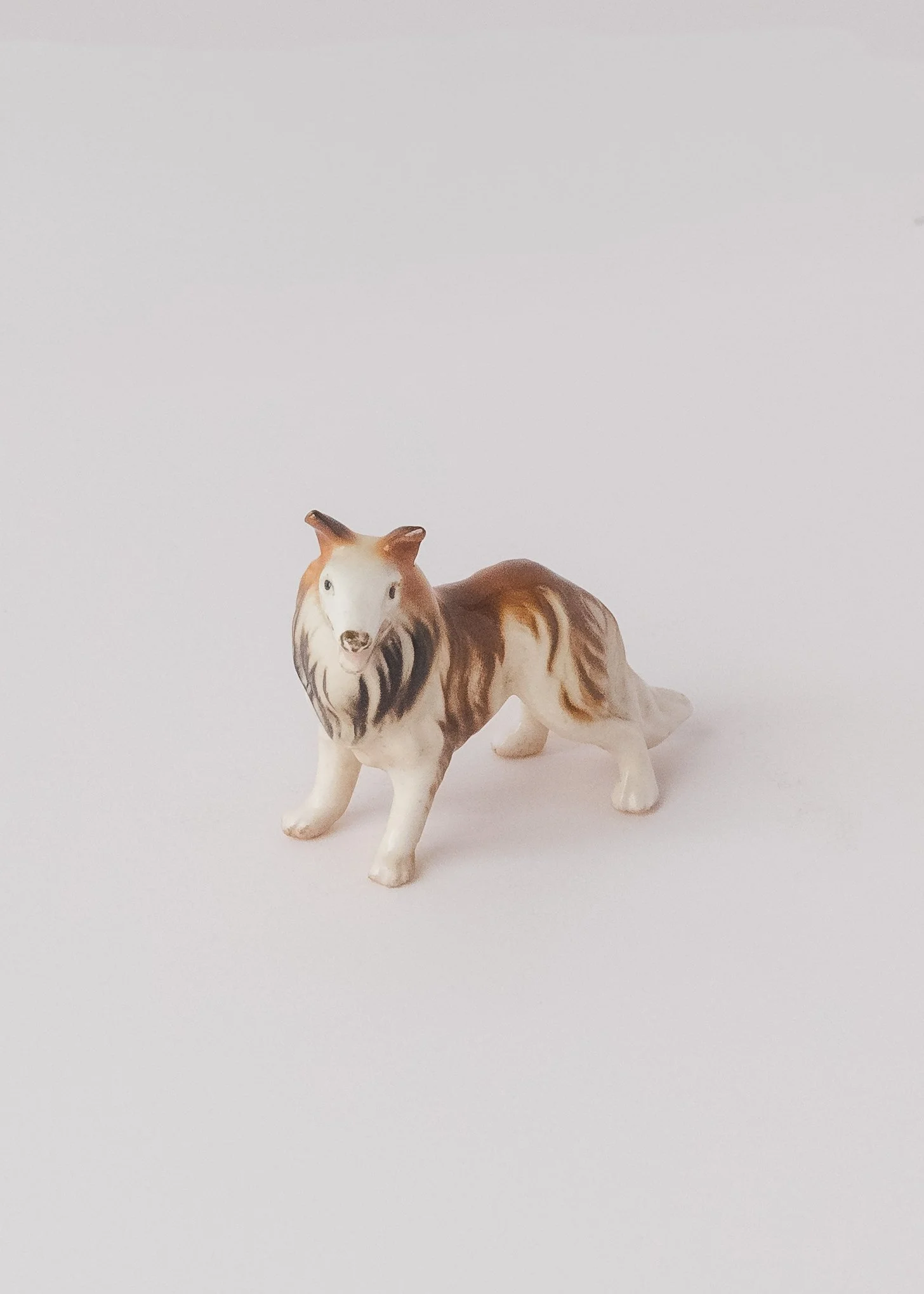 Image 4 of 15
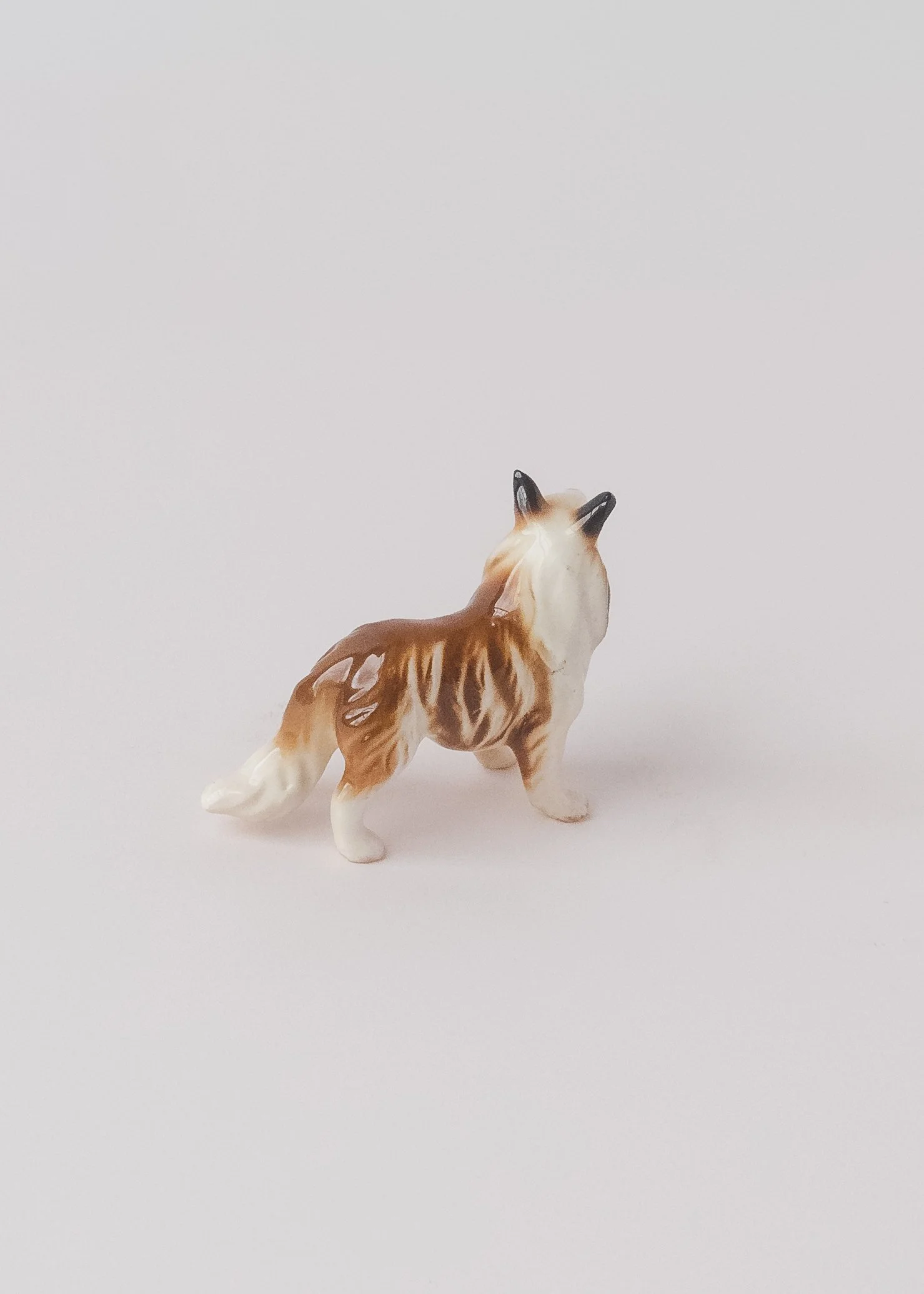 Image 5 of 15
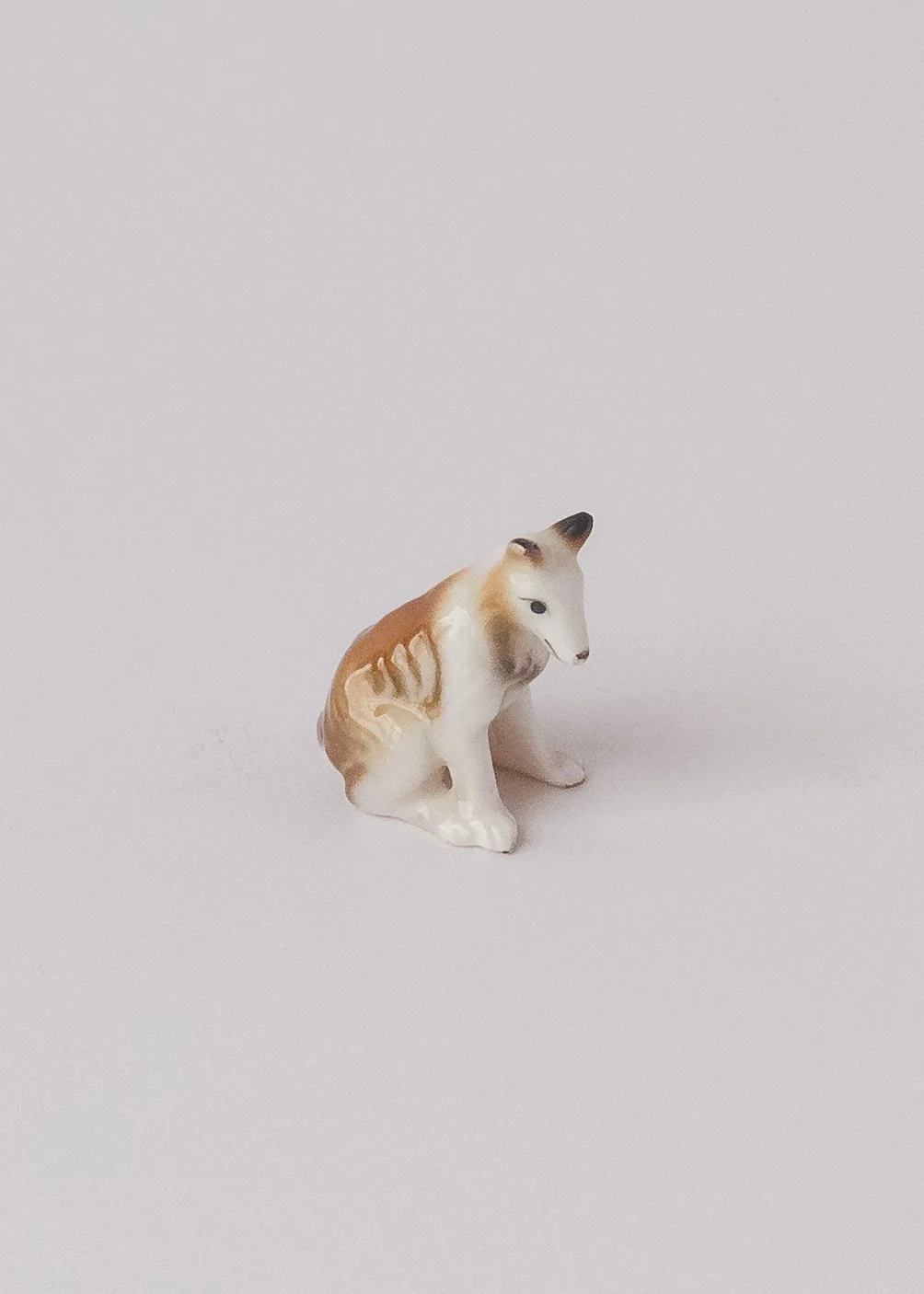 Image 6 of 15
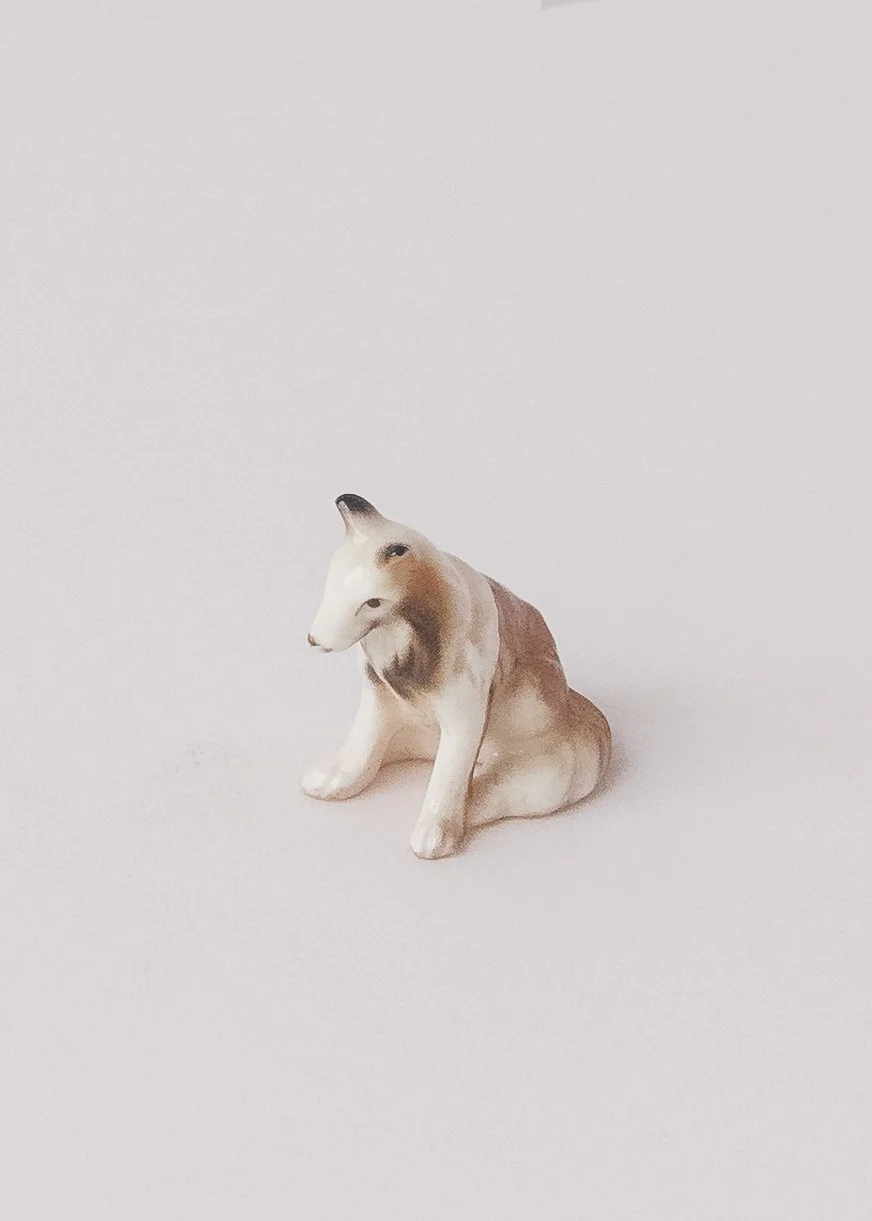 Image 7 of 15
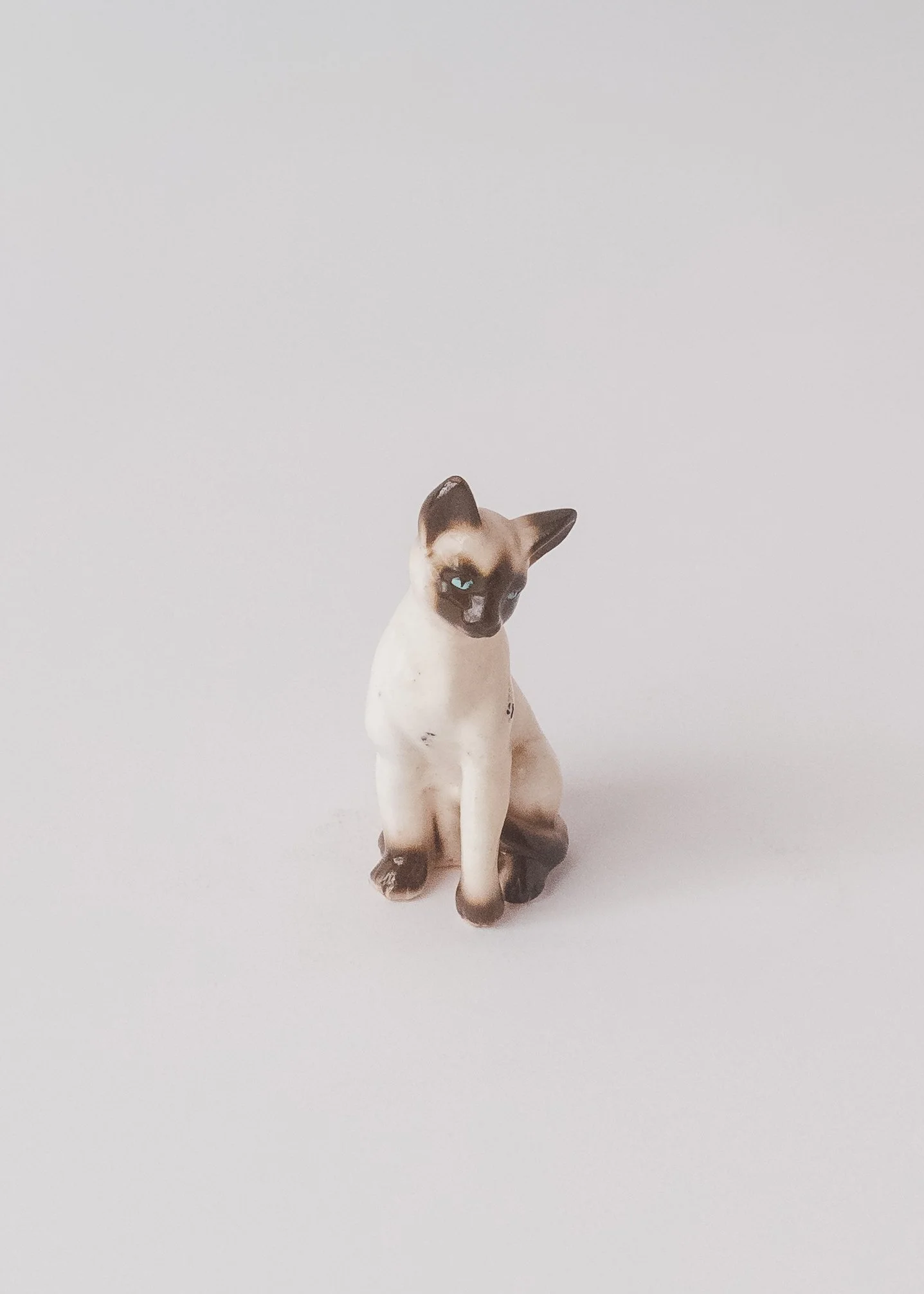 Image 8 of 15
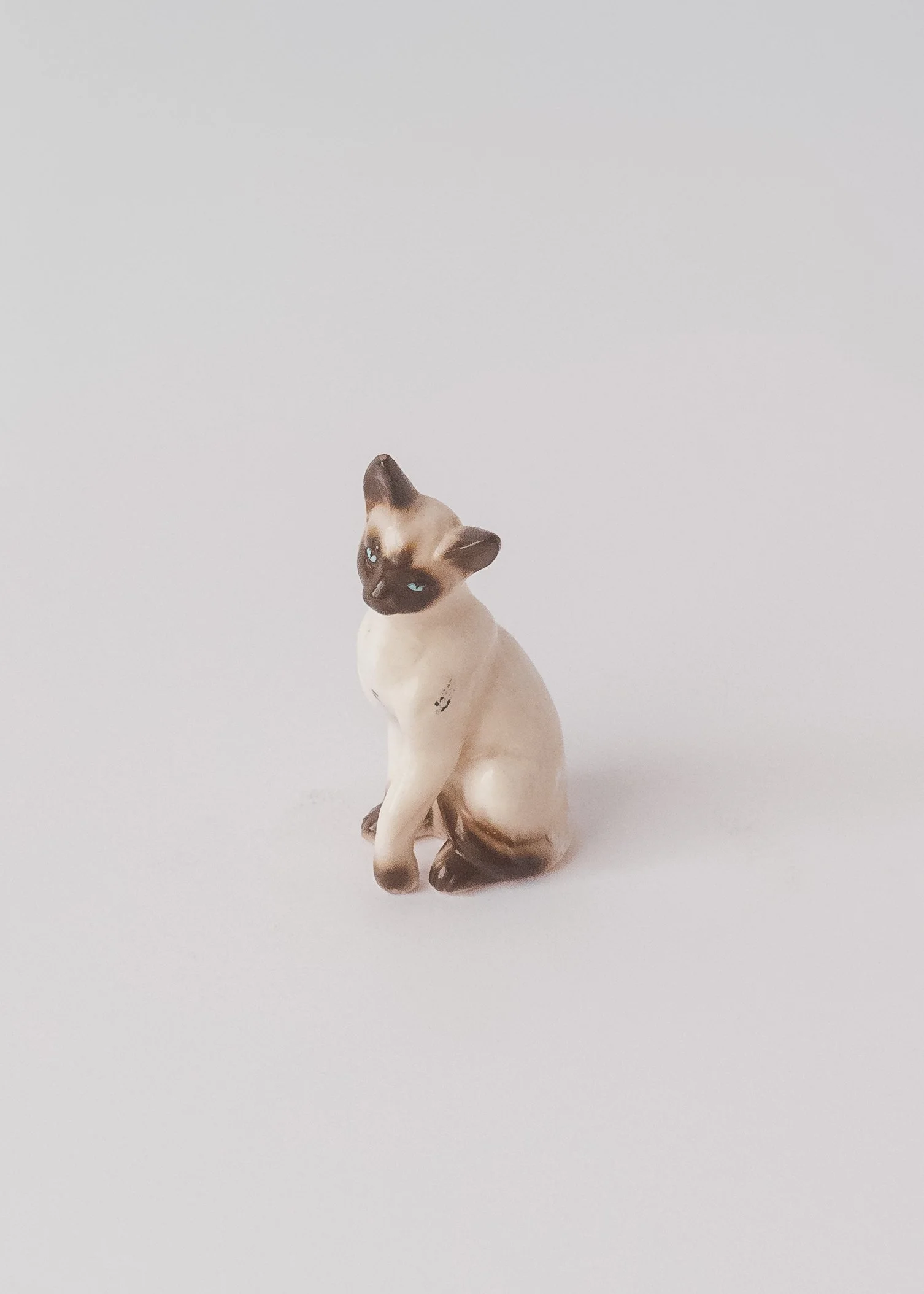 Image 9 of 15
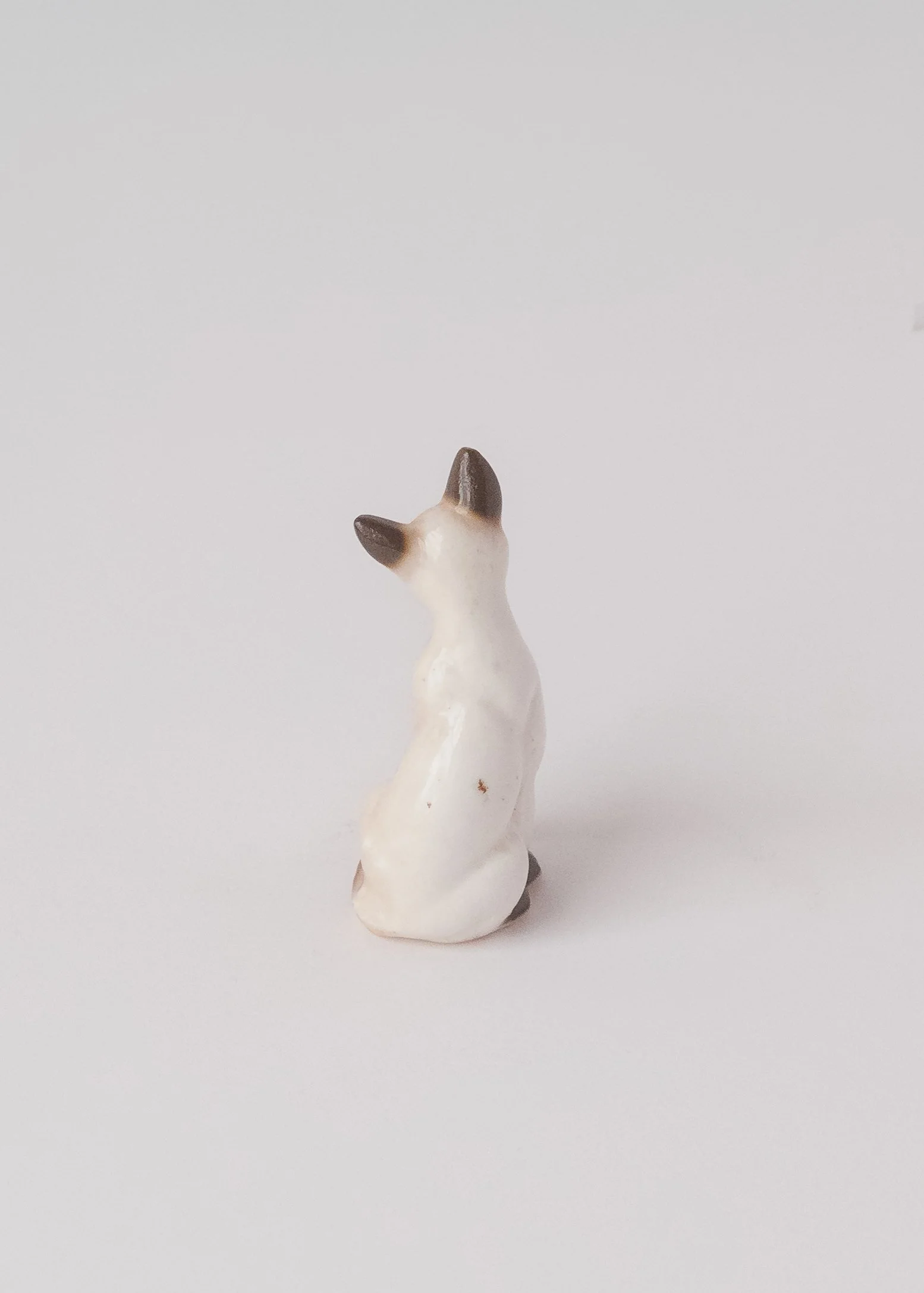 Image 10 of 15
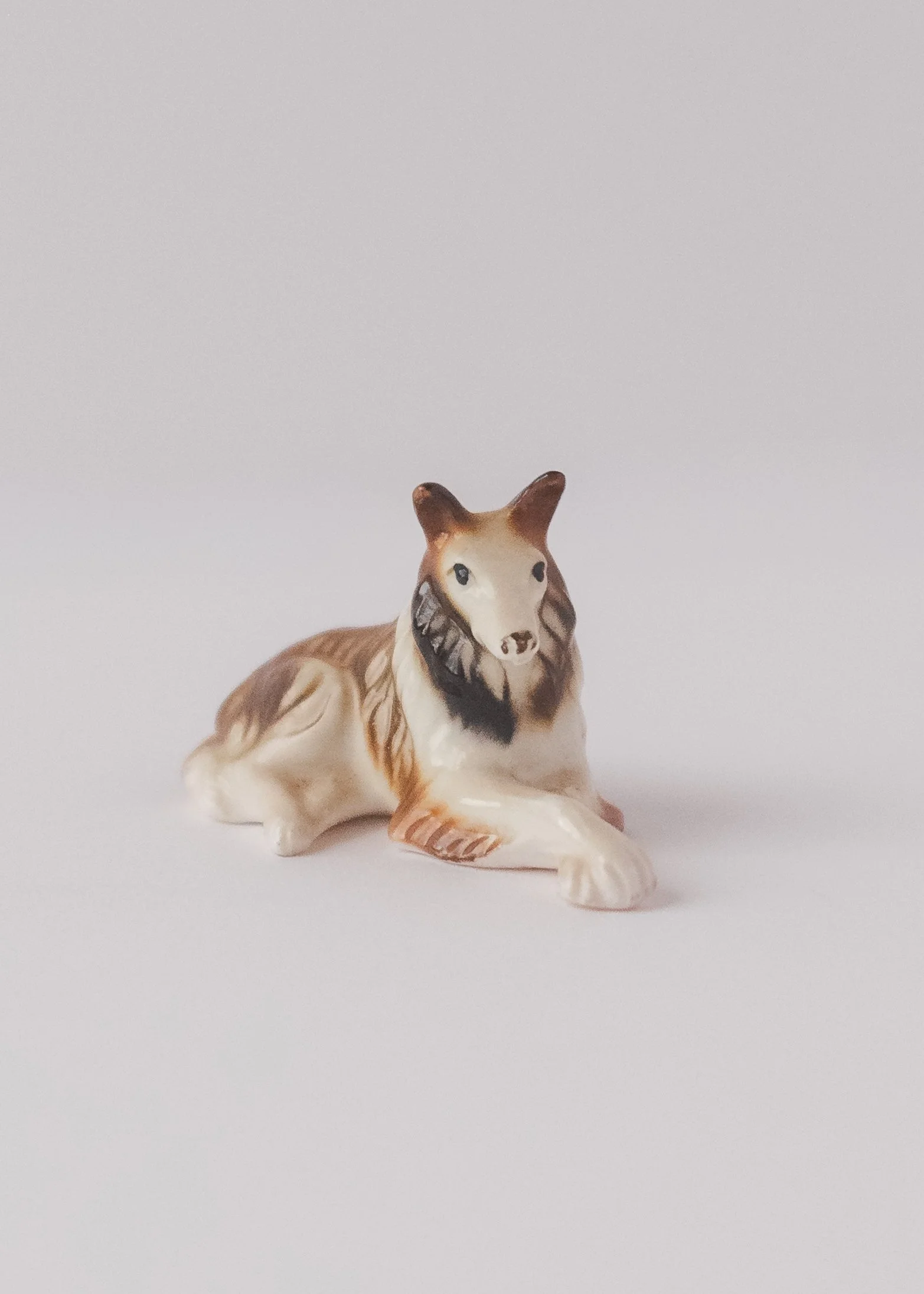 Image 11 of 15
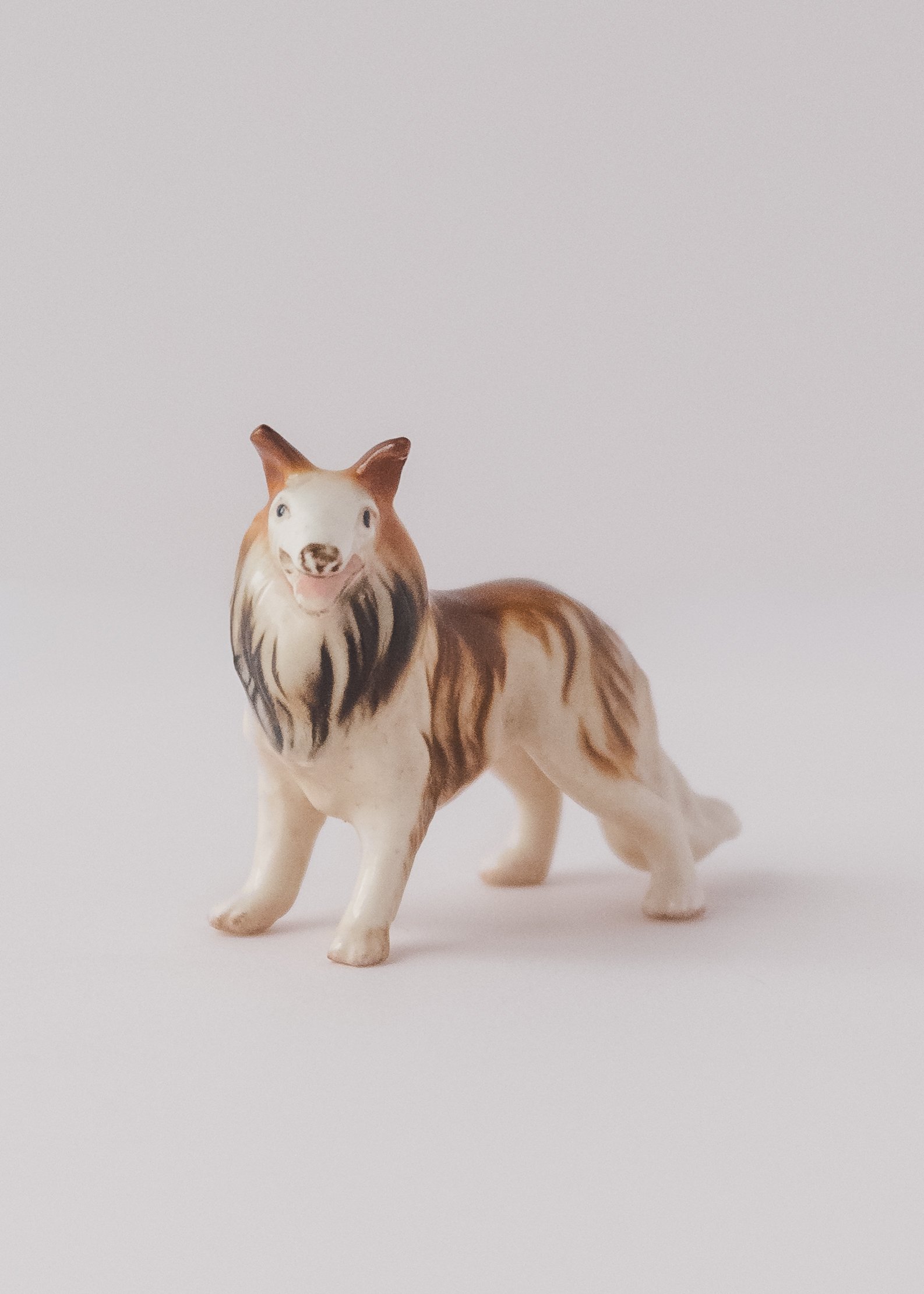 Image 12 of 15
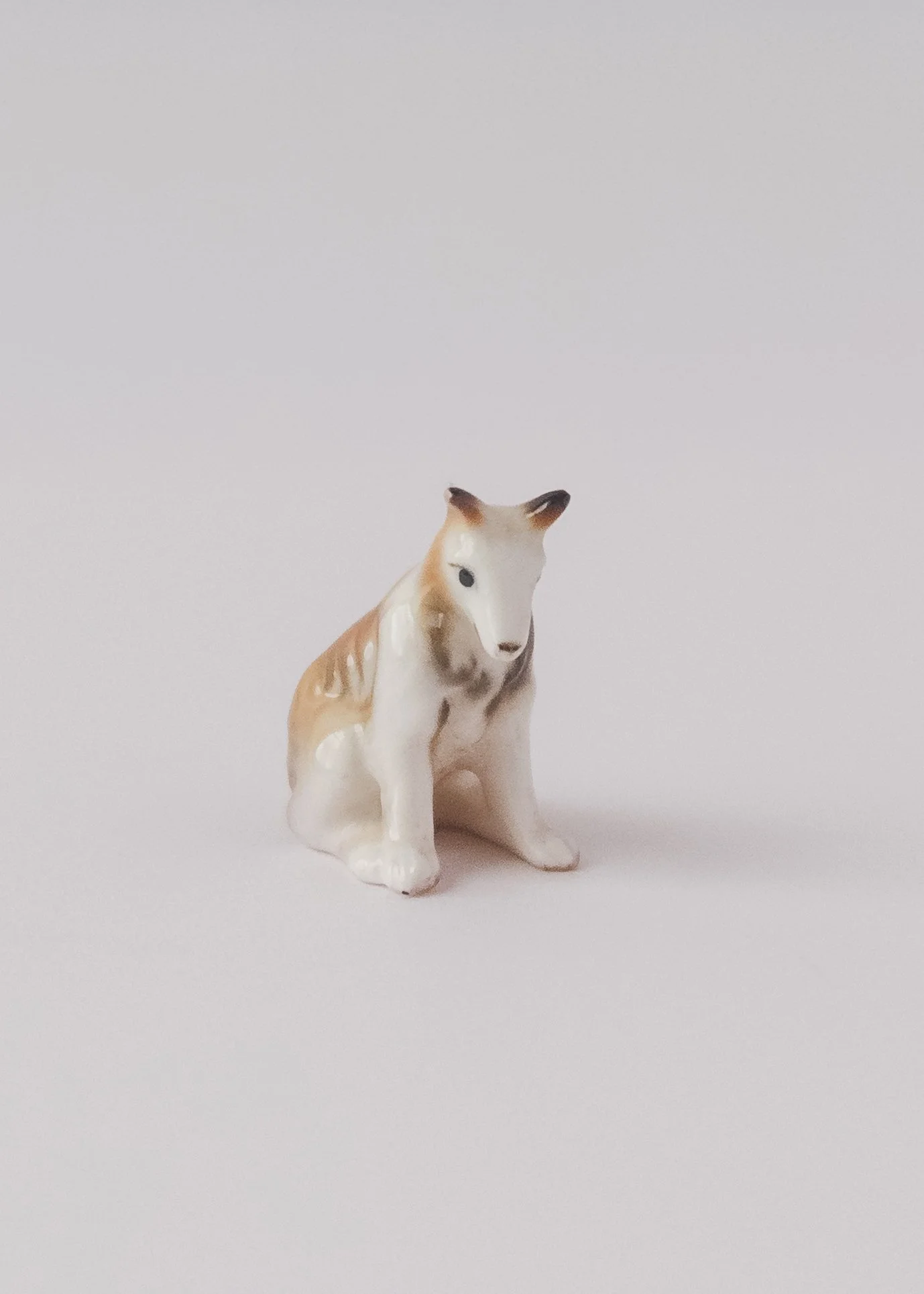 Image 13 of 15
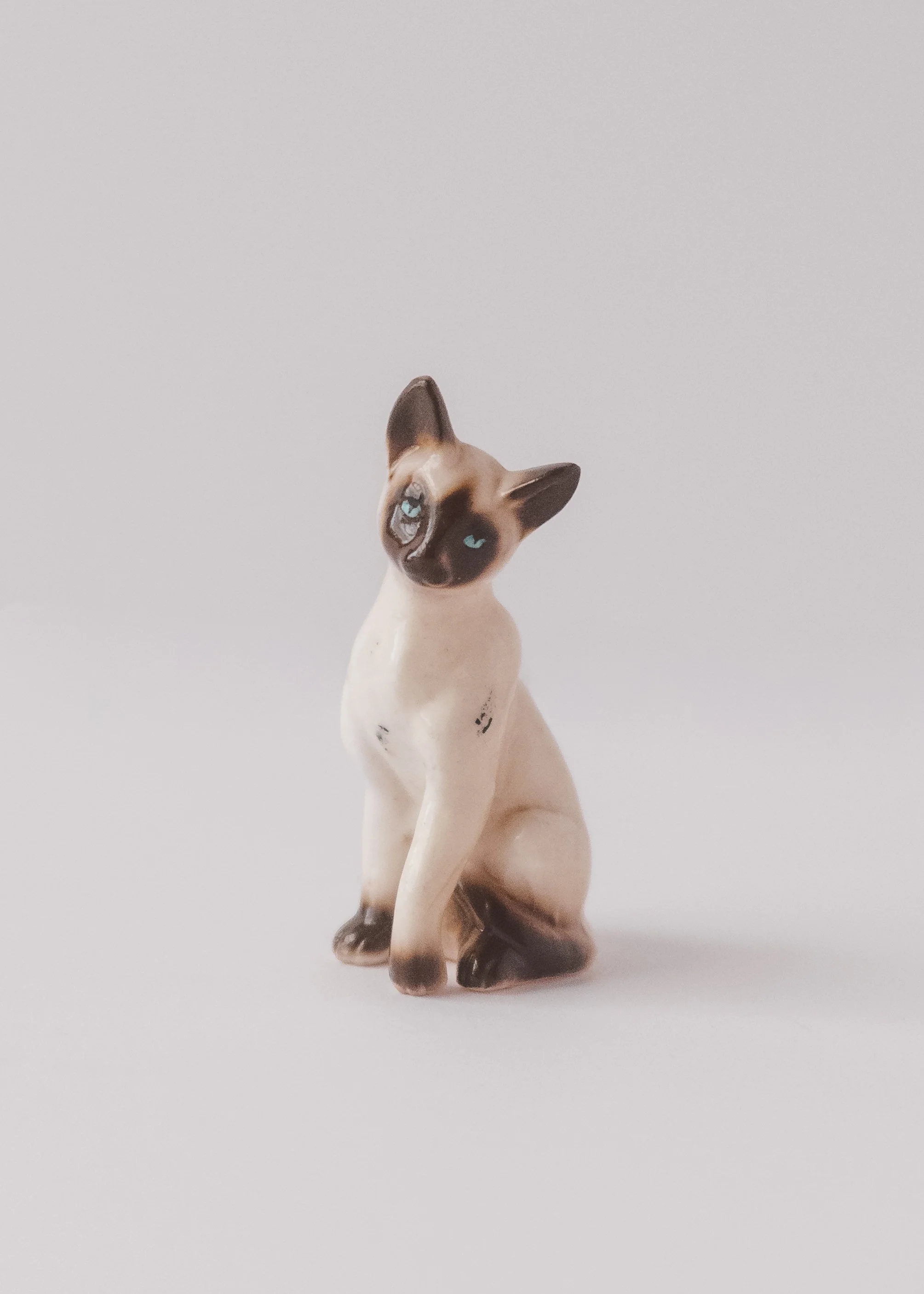 Image 14 of 15
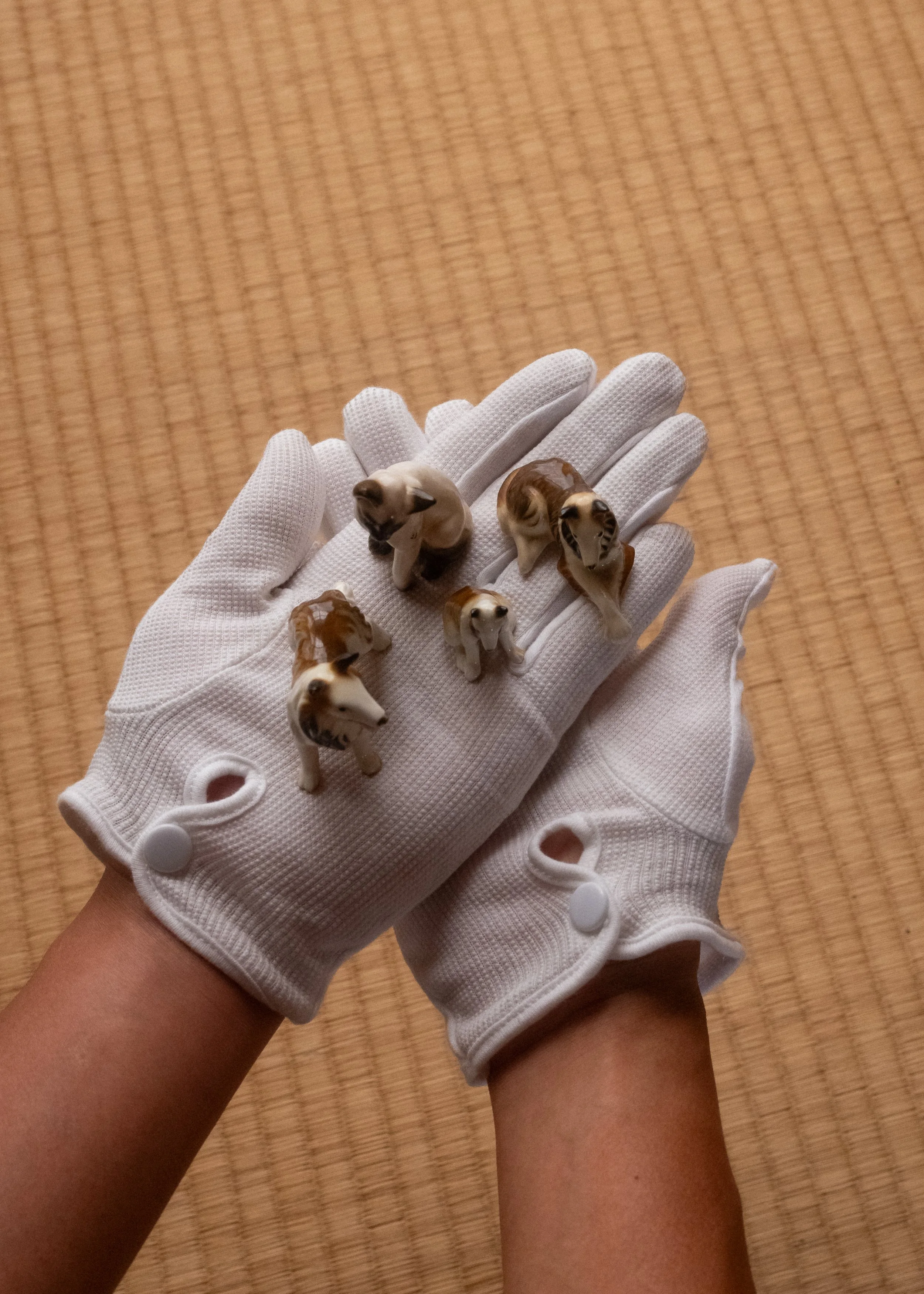 Image 15 of 15