【The Spirit】
At first glance, it is a striking minimalist sculpture—a raven, abstractly reduced to pure silhouette. Standing self-assured on its small pedestal, it introduces an "intellectual gravity" to any modern surface it occupies. Yet, hidden within its sleek, fluid lines lies an unexpected utility. Born during a period of bold industrial reform in 1970s Japan, this ferrous bird was created not merely to be looked at, but to function as a beautifully tactile bottle opener. It represents the ultimate intersection where brutal industrial material yields to poetic daily use.
【Narrative / Identity】
This 1-of-1 archival specimen originates from Iwate Prefecture, the undisputed capital of Nambu Tekki (traditional Japanese cast iron). For 400 years, this region's artisans have used traditional sand-casting techniques to create heavy iron kettles for the tea ceremony.
However, mid-century visionary designers sought to save this aging industry by breathing new, contemporary life into the ancient metal. The unyielding iron was reimagined through extreme abstraction, erasing rigid angles and replacing them with continuous, flowing curves. When first created half a century ago, the avant-garde design of this raven was considered so revolutionary that production was initially halted, making authentic mid-century surviving specimens from this era highly sought after by collectors today.
【Presence / Space】
The most captivating aspect of this piece is its masterful manipulation of affordance. Anyone examining the raven’s pronounced beak immediately assumes it is the hook to pry open a bottle. But it is a witty illusion. The actual functioning fulcrum is secretly concealed beneath the raven’s elongated tail. This intentional misdirection turns the simple act of opening a bottle into a sophisticated "conversation piece" among your evening guests.
When not in active duty, its flat base allows it to command space independently. Unlike common flat openers banished to kitchen drawers, this creature demands to be displayed. Keep it atop your liquor cabinet or as a witty paperweight on your study desk—a constant companion waiting for the day's work to end.
【The Spirit】
At first glance, it is a striking minimalist sculpture—a raven, abstractly reduced to pure silhouette. Standing self-assured on its small pedestal, it introduces an "intellectual gravity" to any modern surface it occupies. Yet, hidden within its sleek, fluid lines lies an unexpected utility. Born during a period of bold industrial reform in 1970s Japan, this ferrous bird was created not merely to be looked at, but to function as a beautifully tactile bottle opener. It represents the ultimate intersection where brutal industrial material yields to poetic daily use.
【Narrative / Identity】
This 1-of-1 archival specimen originates from Iwate Prefecture, the undisputed capital of Nambu Tekki (traditional Japanese cast iron). For 400 years, this region's artisans have used traditional sand-casting techniques to create heavy iron kettles for the tea ceremony.
However, mid-century visionary designers sought to save this aging industry by breathing new, contemporary life into the ancient metal. The unyielding iron was reimagined through extreme abstraction, erasing rigid angles and replacing them with continuous, flowing curves. When first created half a century ago, the avant-garde design of this raven was considered so revolutionary that production was initially halted, making authentic mid-century surviving specimens from this era highly sought after by collectors today.
【Presence / Space】
The most captivating aspect of this piece is its masterful manipulation of affordance. Anyone examining the raven’s pronounced beak immediately assumes it is the hook to pry open a bottle. But it is a witty illusion. The actual functioning fulcrum is secretly concealed beneath the raven’s elongated tail. This intentional misdirection turns the simple act of opening a bottle into a sophisticated "conversation piece" among your evening guests.
When not in active duty, its flat base allows it to command space independently. Unlike common flat openers banished to kitchen drawers, this creature demands to be displayed. Keep it atop your liquor cabinet or as a witty paperweight on your study desk—a constant companion waiting for the day's work to end.


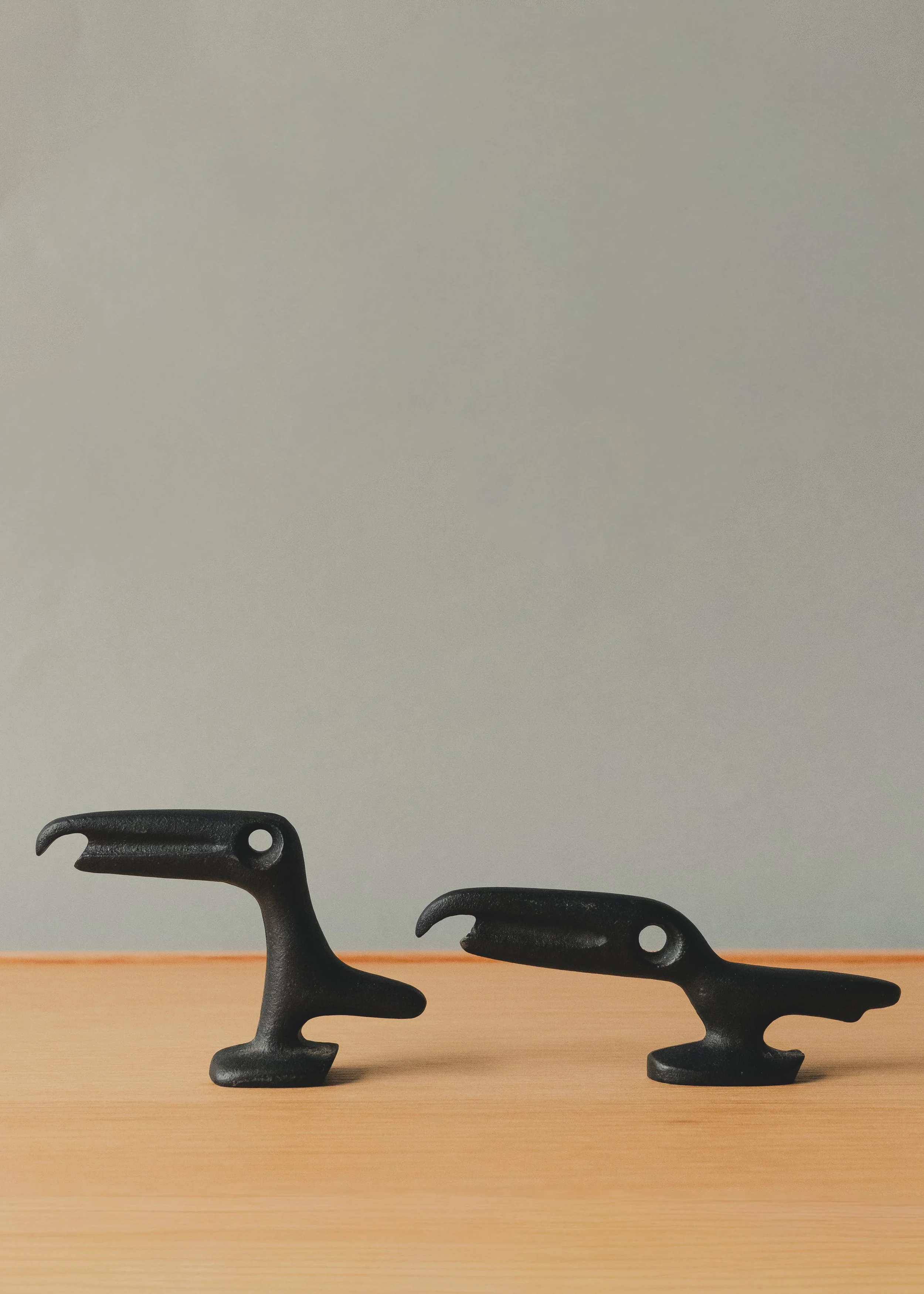 Image 1 of 11
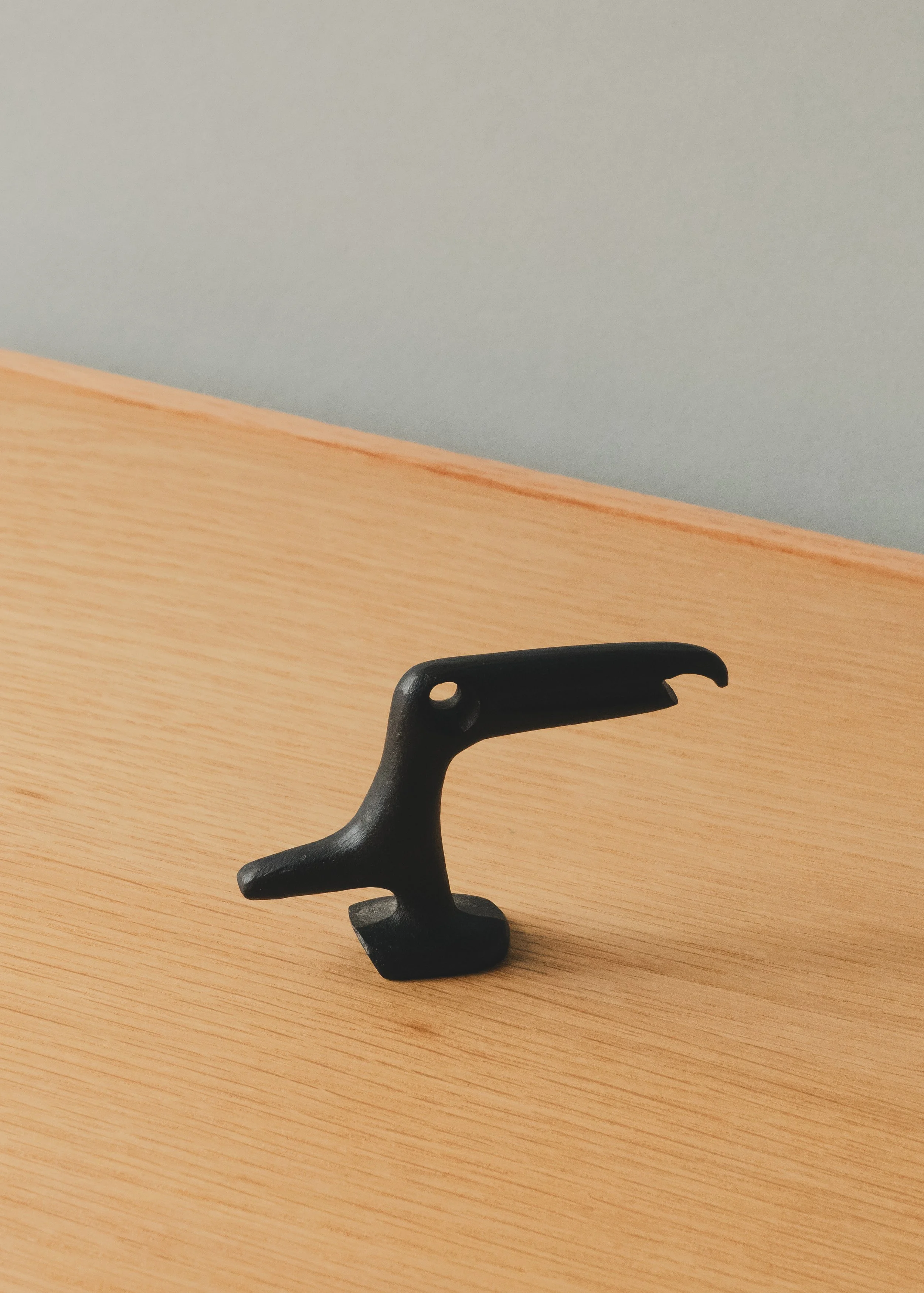 Image 2 of 11
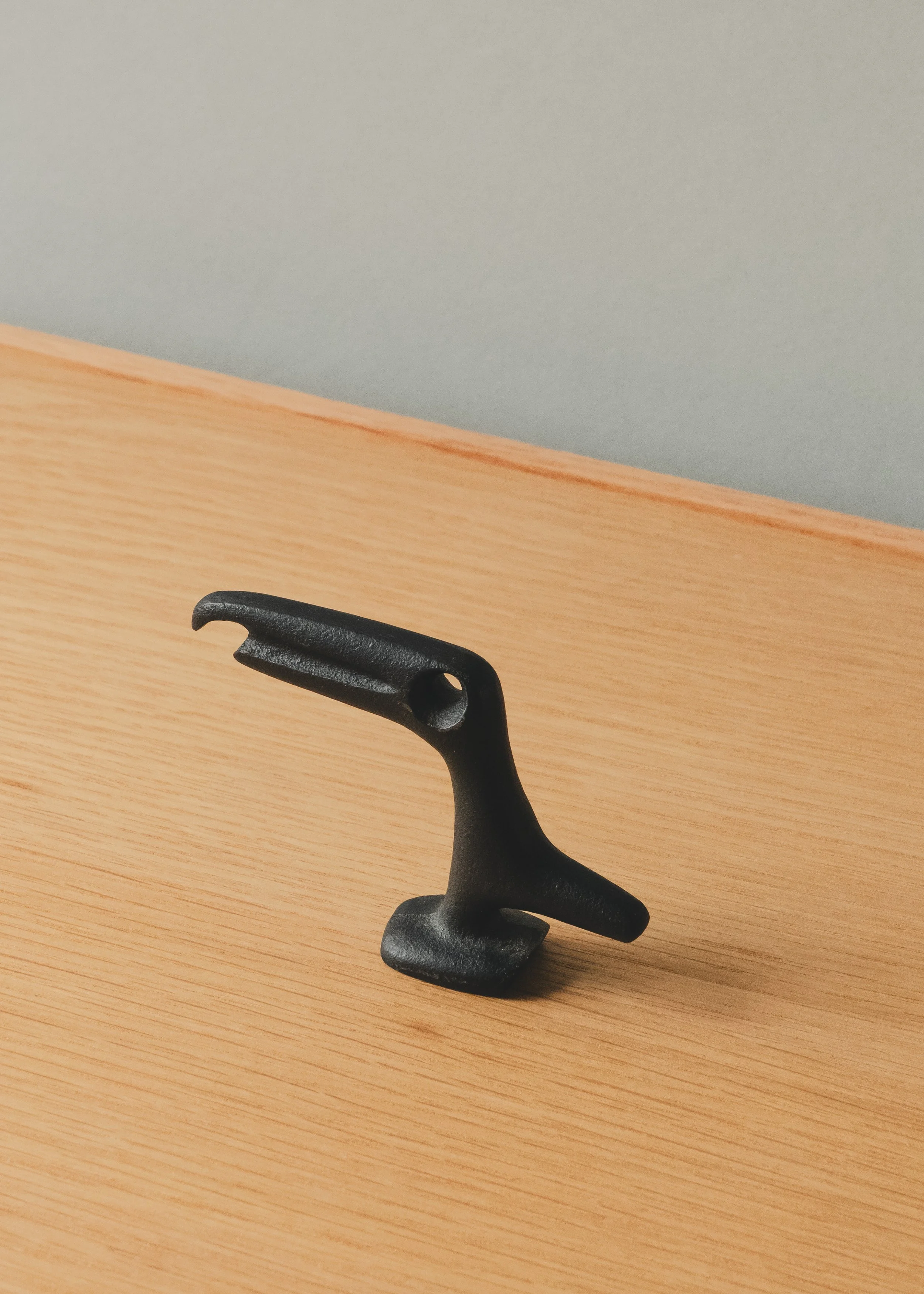 Image 3 of 11
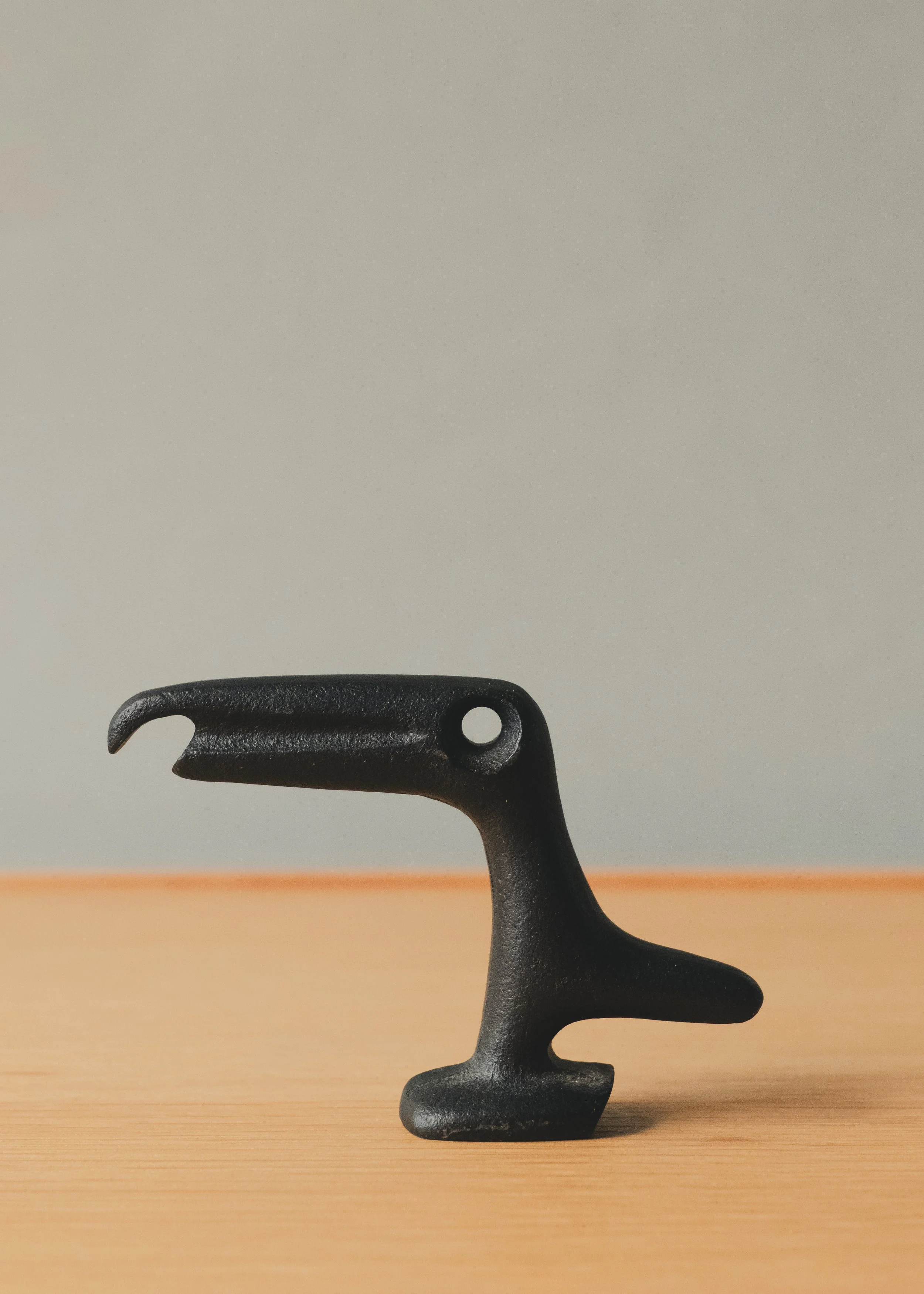 Image 4 of 11
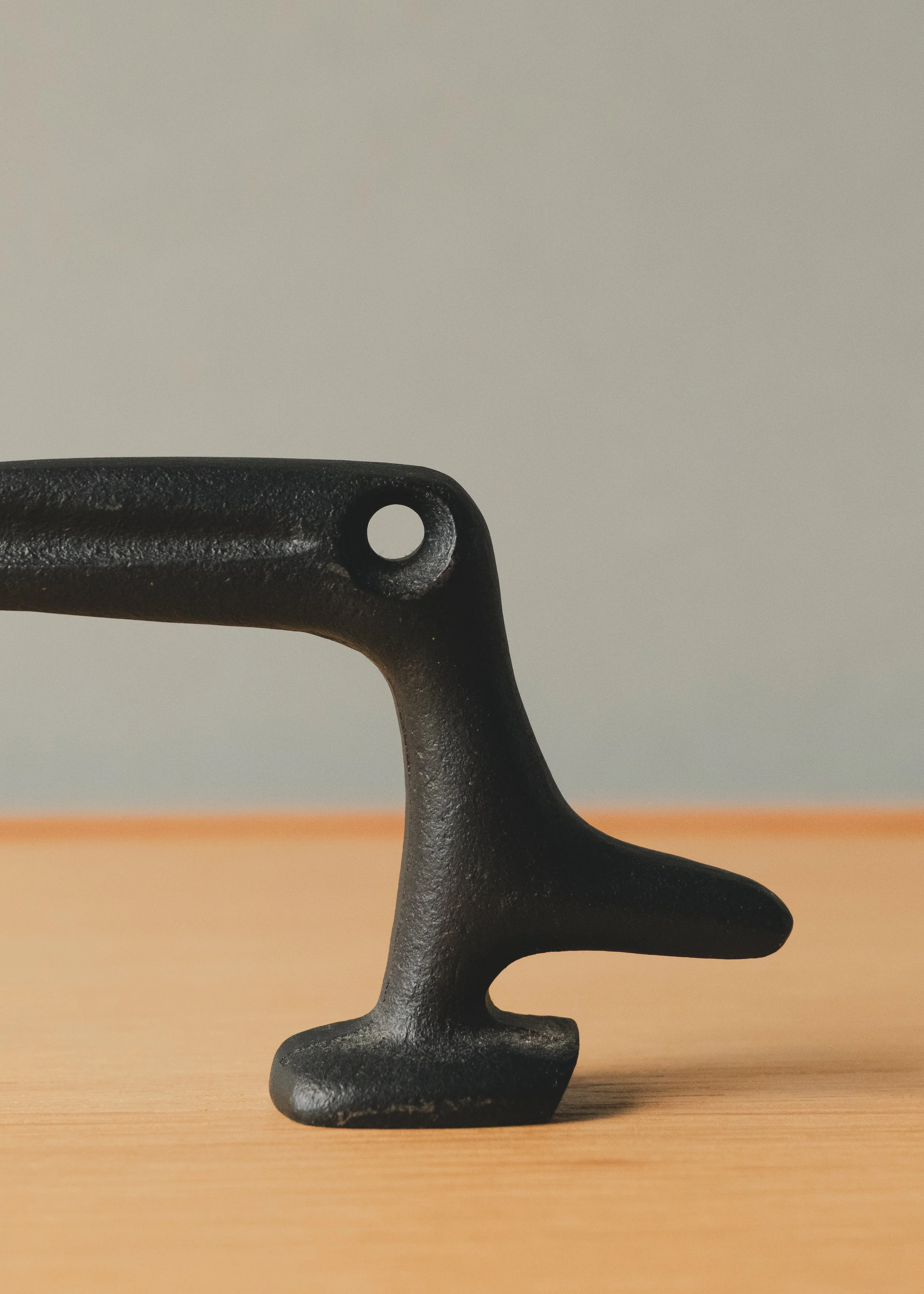 Image 5 of 11
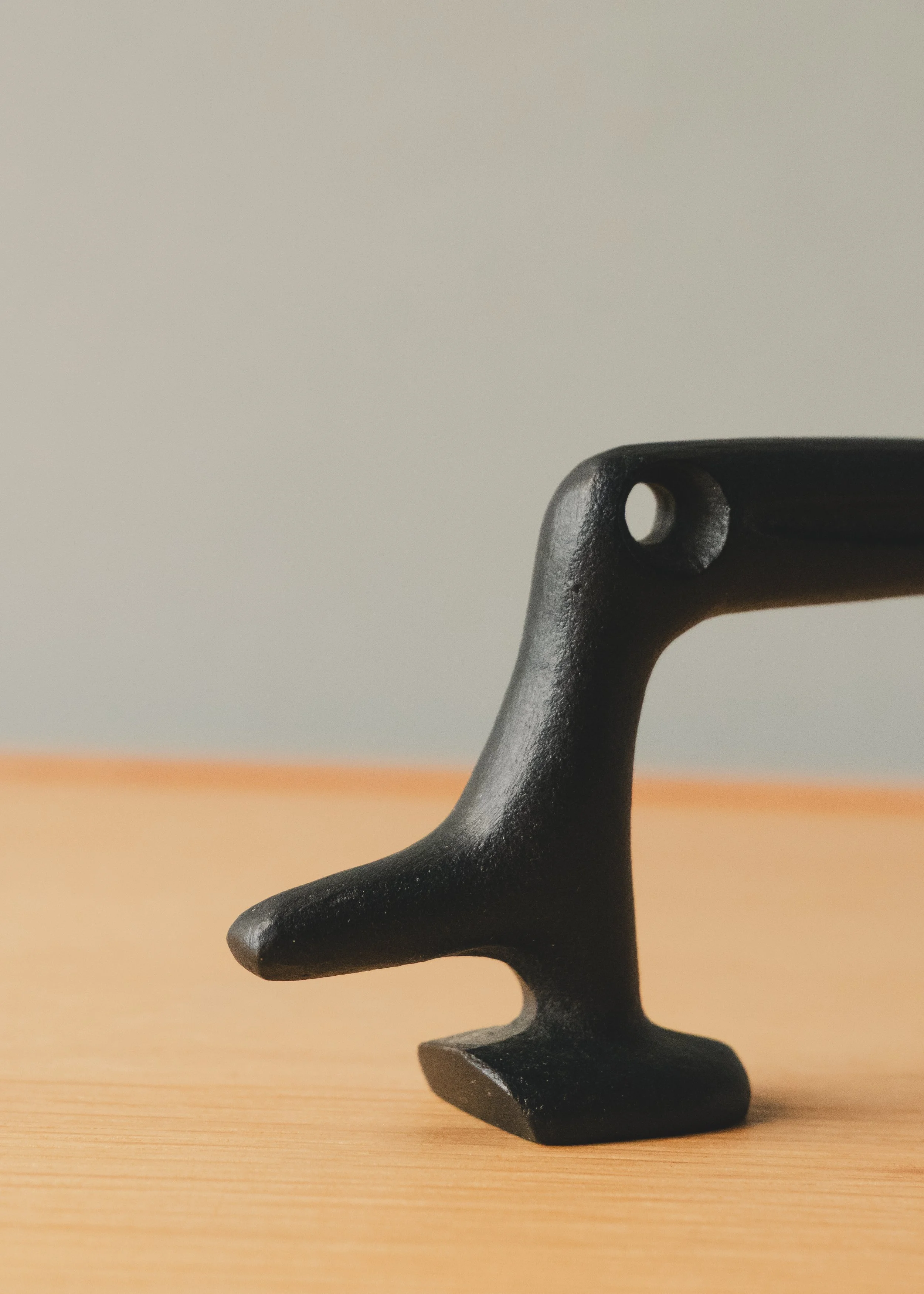 Image 6 of 11
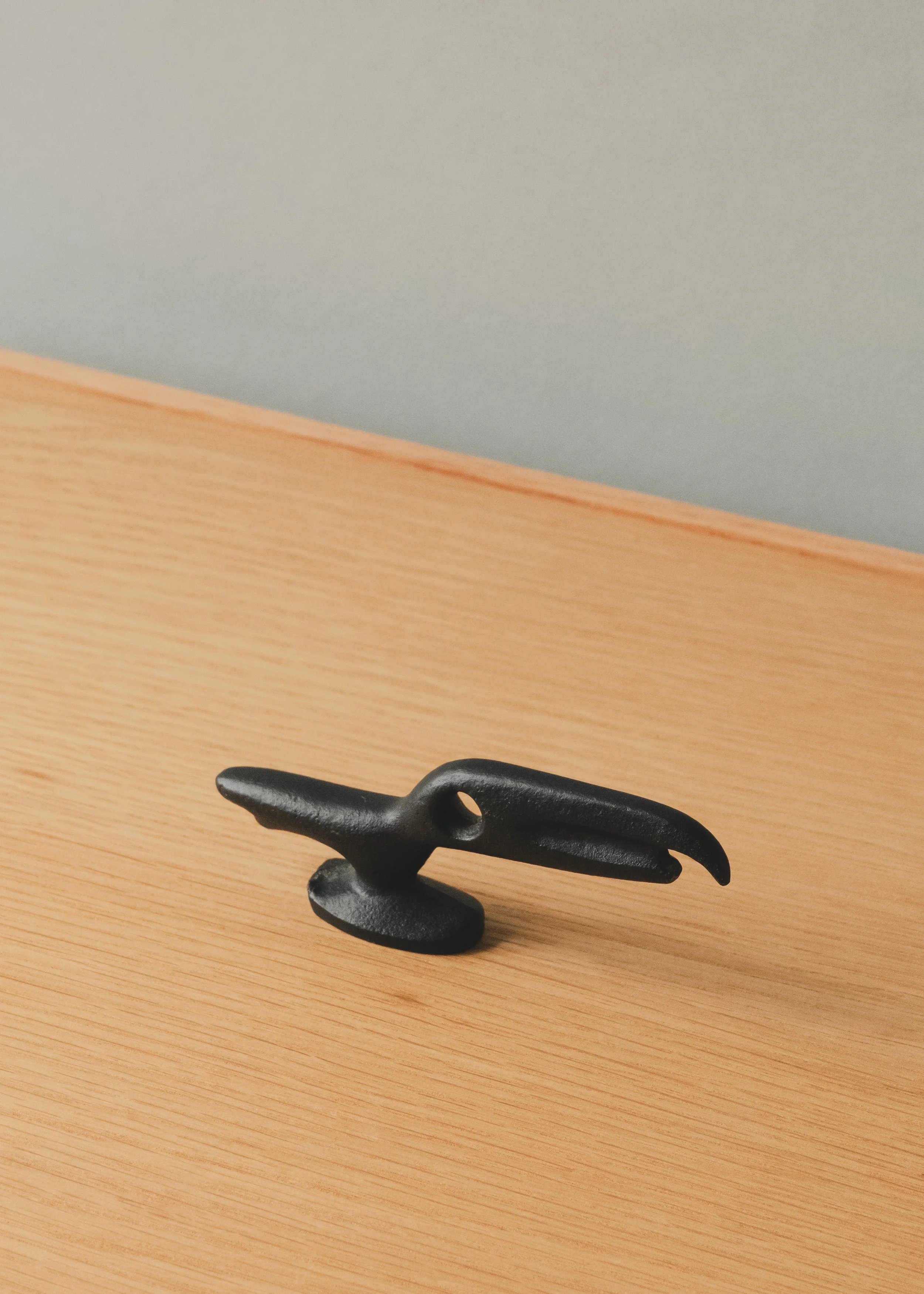 Image 7 of 11
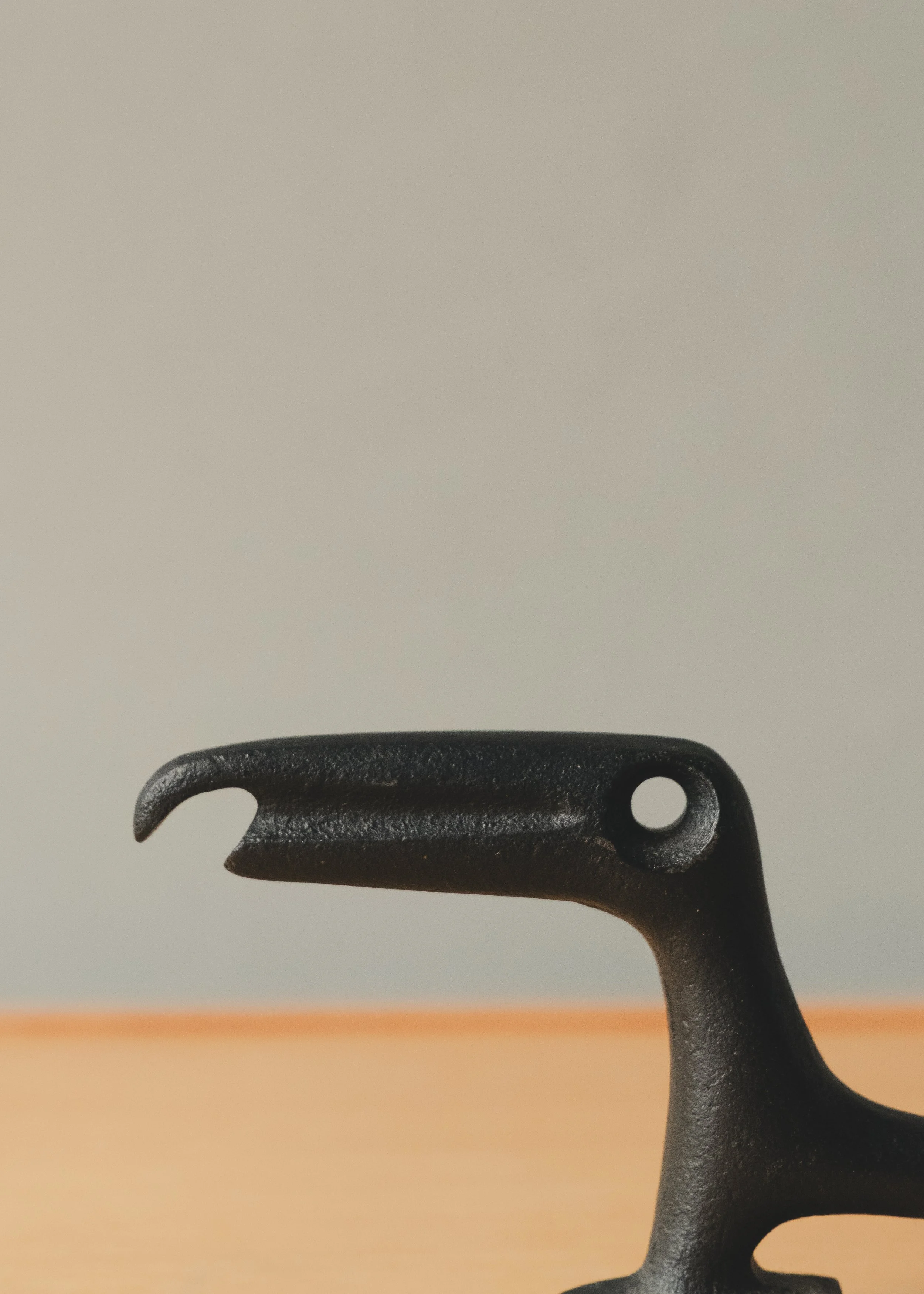 Image 8 of 11
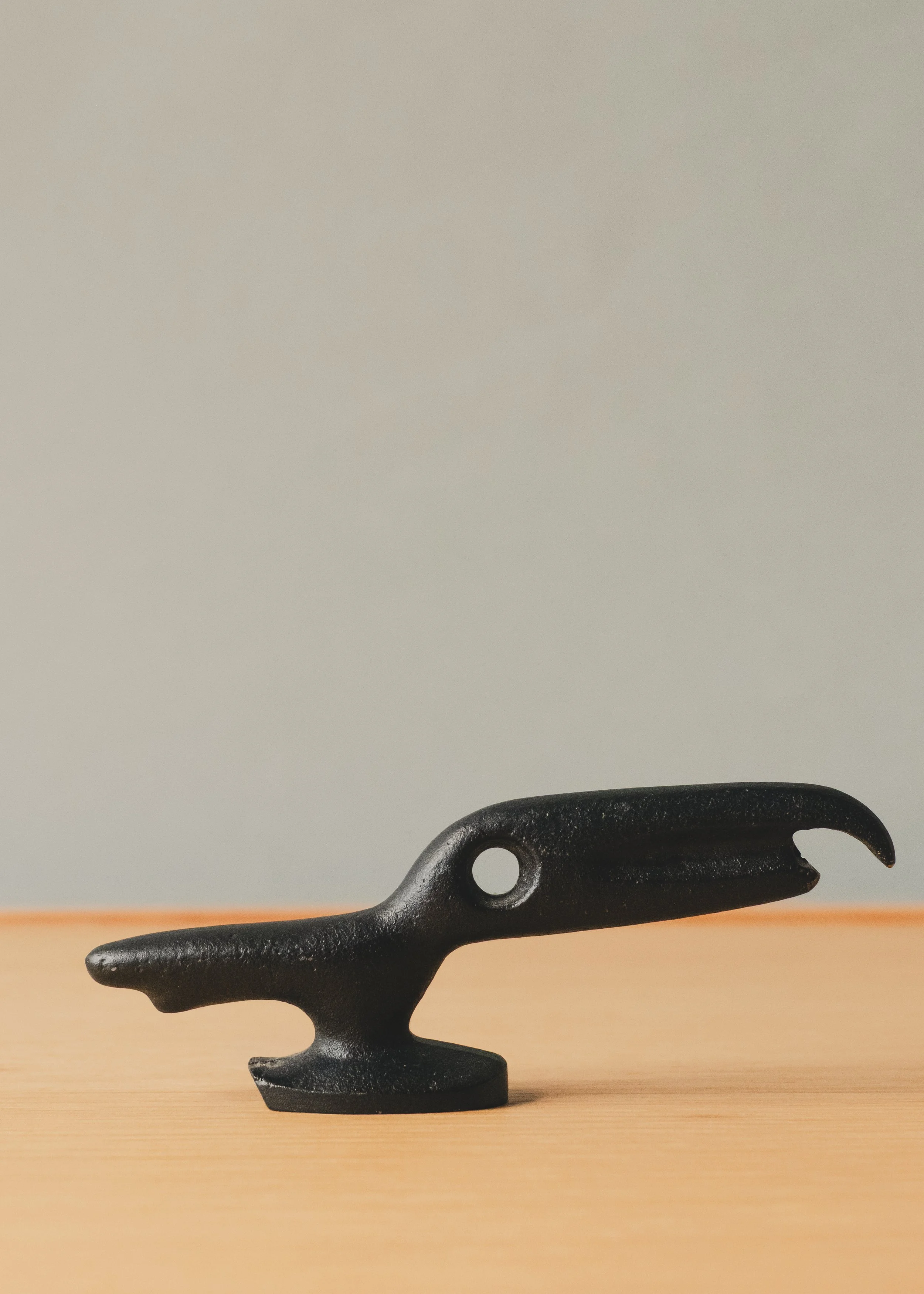 Image 9 of 11
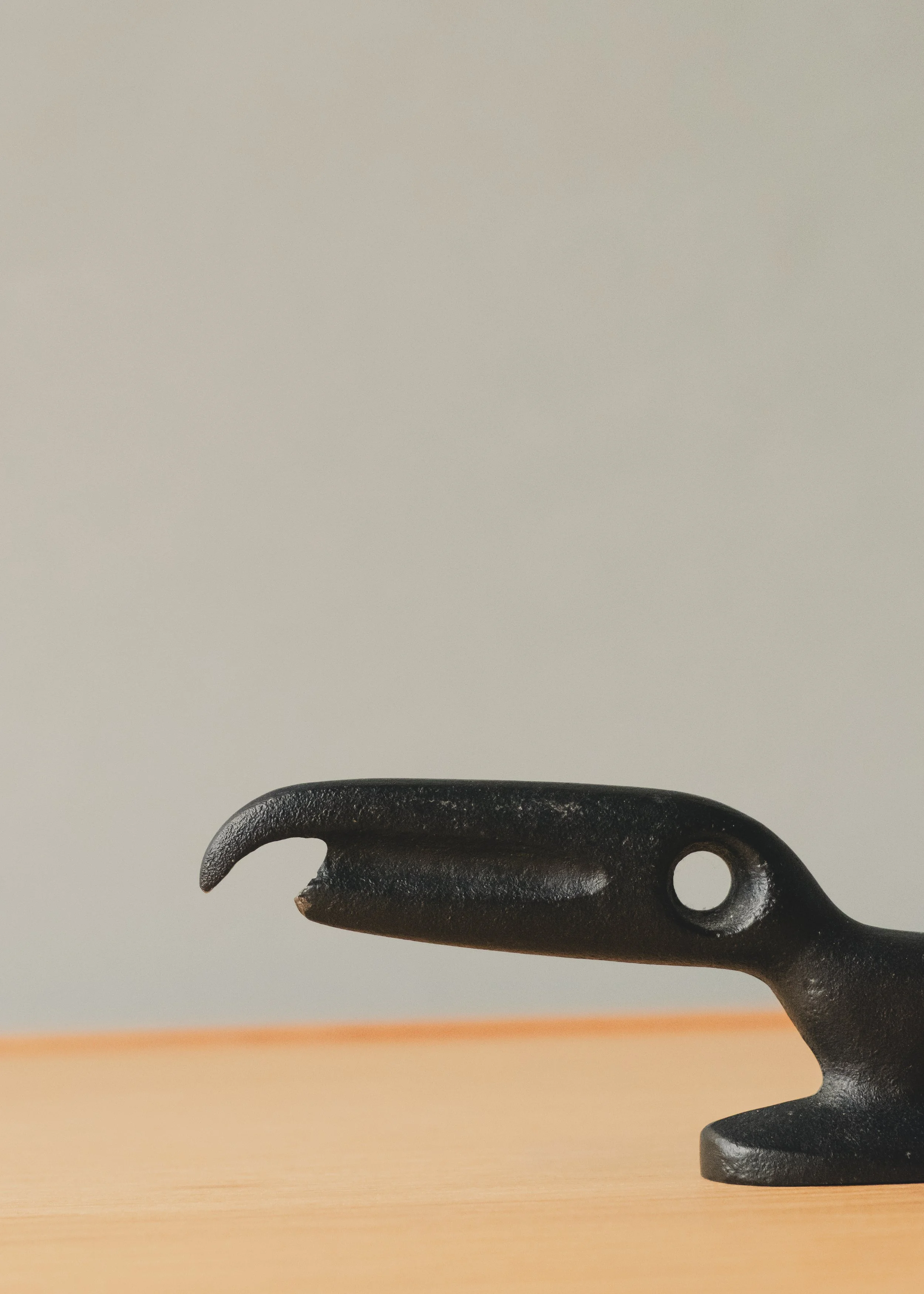 Image 10 of 11
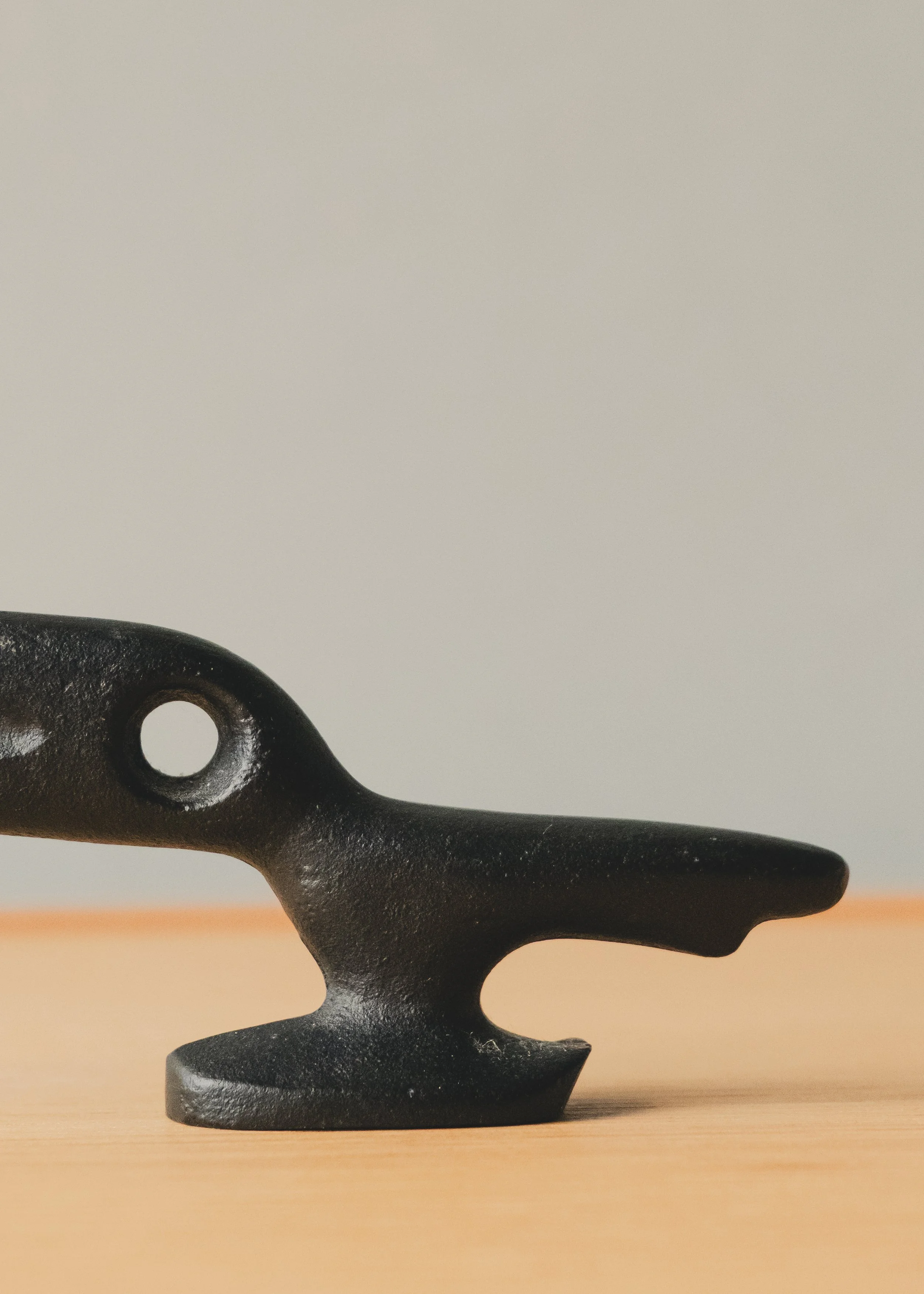 Image 11 of 11